Fishing the Snake River Canyon
Ever stared down into the vastness of the Snake River Canyon, wondering what incredible fish might be lurking in its shadowed depths? It’s a truly intimidating and spectacular place to fish, and for many, just figuring out where to start or what to expect can feel like deciphering an ancient map. This guide aims to pull back the curtain, demystifying the unique challenges and immense rewards that come with fishing the iconic Snake River Canyon in Idaho.
Why the Snake River Canyon is a Premier Fishing Destination
The Snake River Canyon isn't just a picturesque geological wonder; it's a vibrant, thriving ecosystem that offers some of the most diverse and exciting fishing experiences in Idaho. From the sheer basalt cliffs that tower overhead to the deep, swirling currents below, this stretch of river is an angler's dream for those seeking both challenge and solitude. But what truly makes it stand out from other fishing locales across the state?
Geological Wonders and Unique Ecosystems
The very formation of the Snake River Canyon speaks to its unique character. Carved over millennia by volcanic activity and the relentless power of water, its walls plunge dramatically, creating deep pools and strong currents that provide ideal habitat for a wide array of fish species. This isn't your typical gentle river bank fishing. Here, you'll find everything from massive, ancient sturgeon hugging the bottom to acrobatic smallmouth bass holding in rocky structure. The varying depths, water temperatures, and current speeds across different sections of the canyon create micro-habitats, meaning that a short trip downriver can feel like an entirely different fishing environment. It’s this wild, untamed nature that draws so many adventurous anglers to its rugged beauty, promising a truly immersive outdoor experience.
The geology also impacts how fish behave and where they hold. The basalt columns and shelves create fantastic ambush points for predatory fish, and the deep channels offer sanctuary from predators and the harsh summer sun. Understanding the river's structure, both above and below the waterline, is key to unlocking its fishing potential. You're not just casting into water; you're casting into history, into a dynamic environment that constantly challenges and rewards.
Abundant and Diverse Fish Populations
One of the greatest appeals of fishing the Snake River Canyon is the sheer diversity of its fish species. It's truly a multi-species angler's paradise, where you can switch gears from targeting prehistoric giants to chasing feisty game fish, sometimes within the same day. This isn't a "one-trick pony" river; it offers something for every angler, regardless of their preferred technique or target species.
While many might immediately think of sturgeon when the Snake River is mentioned, that's just scratching the surface. The canyon is teeming with healthy populations of smallmouth bass, hard-fighting trout, and even some panfish. This means you can plan a trip specifically for one type of fish or simply bring a variety of tackle and see what bites. The health of these populations is a testament to the canyon's robust ecosystem, offering consistent opportunities for memorable catches.
Targeting Trophy Fish in the Canyon's Depths
When you think of the Snake River Canyon, certain fish species immediately come to mind. These are the fish that define the canyon's angling reputation, offering some of the most thrilling and challenging experiences you'll find in Idaho. Getting to know their habits and preferred techniques is your first step towards a successful trip.
Sturgeon: The River's Ancient Giants
Ah, the White Sturgeon. These magnificent, prehistoric fish are arguably the most iconic residents of the Snake River Canyon, and for good reason. They can grow to incredible sizes, reaching over 10 feet in length and weighing hundreds of pounds, making them one of North America's largest freshwater fish. The sheer power and endurance they possess make for an unforgettable fight, often lasting an hour or more with a truly large specimen. Many anglers consider a Sturgeon a bucket-list fish, and the Snake River Canyon provides prime habitat for them. If you're looking for an unforgettable encounter, definitely check out our guide on Idaho Sturgeon Fishing Guide.
Fishing for sturgeon in the Snake River is almost exclusively a catch-and-release affair, and it's heavily regulated to protect these ancient giants. You'll need stout gear – heavy-duty rods, large capacity reels, and strong braided line are a must. The most common technique involves bait fishing on the bottom, often using natural baits like cut bait (squid, herring, or shad are popular choices) rigged with a heavy sinker to hold it in the strong current. Remember, Idaho Barbless Hook Requirements are strictly enforced for sturgeon, so make sure your tackle is compliant. The best stretches for sturgeon often include deep holes and eddies where they can rest out of the main current. A good guide, perhaps one found through a service like FishingBooker, can be invaluable for locating these prime spots and ensuring you understand all the nuances of safely handling and releasing these magnificent creatures.
Hard-Fighting Smallmouth Bass
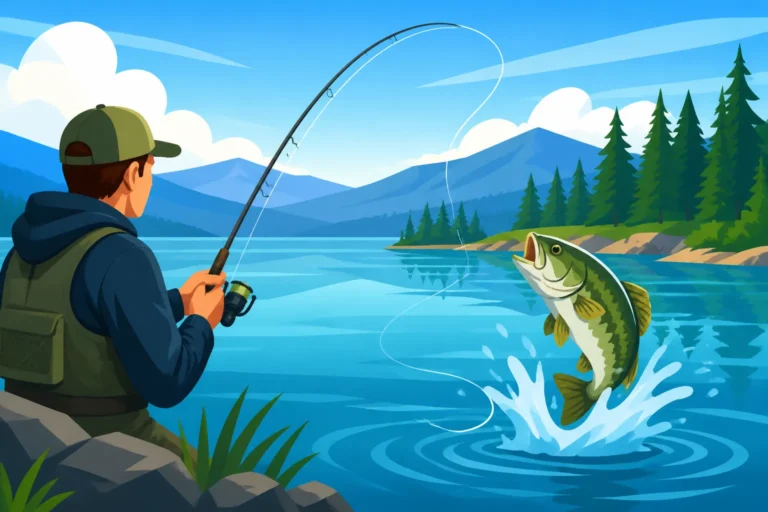
While sturgeon get a lot of the press, don't overlook the incredible Idaho Smallmouth Bass Fishing found throughout the Snake River Canyon. These bronze beauties are renowned for their aggressive strikes and acrobatic fights, often leaping clear out of the water when hooked. They thrive in the canyon's rocky environments, hiding among boulders, submerged timber, and ledges, waiting to ambush unsuspecting prey. This makes for dynamic and exciting fishing, whether you're casting from shore or from a boat.
Spin fishing with artificial lures is incredibly effective for smallmouth bass. Popular choices include crankbaits that mimic baitfish, soft plastic tubes and grubs fished on jig heads, spinnerbaits, and topwater lures during warmer months. Fly anglers can also have a blast with streamers and poppers. Look for areas with broken rock, current seams, and submerged structure. The best time to target smallmouth bass is typically from late spring through early fall, when the water temperatures are warmer and they are most active. You can find excellent smallmouth bass action in many of the same areas where you might target trout, offering a fun combination for a diverse day on the water.
Trout Opportunities in Tributaries and Cooler Sections
While the main stem of the Snake River in the canyon can get quite warm in summer, especially further downstream, there are still fantastic trout fishing opportunities to be found. These often occur in the cooler, clearer waters of tributaries that feed into the main river or in specific, higher-elevation stretches of the Snake itself before it enters the deepest canyon sections. Rainbow trout are the most common, often stocked by Idaho Fish and Game, but you might also encounter wild redband rainbow trout in healthier tributary systems.
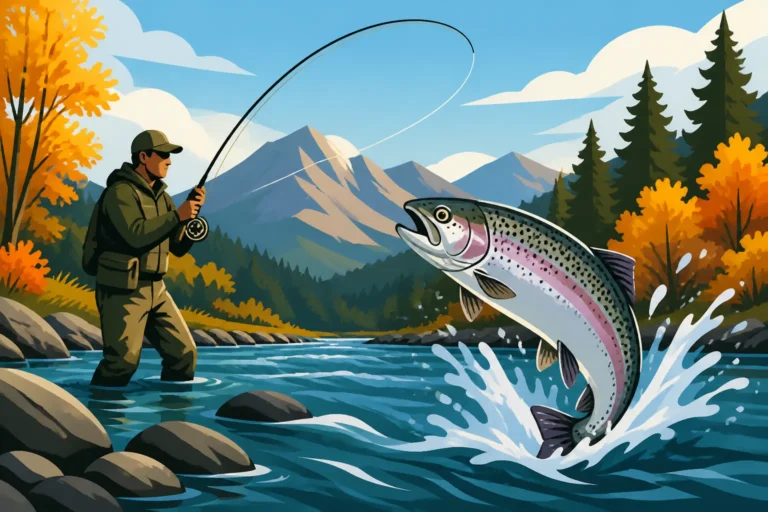
Fly fishing is particularly popular in these tributary streams, with anglers using a variety of nymph, dry fly, and streamer patterns depending on the season and prevailing hatches. Spin fishermen can find success with small spinners, spoons, and bait like worms or PowerBait. When fishing for trout in the Snake River Canyon, particularly in any small side creeks, always pay close attention to local regulations, as some areas may have special restrictions on bait, gear, or catch limits. Targeting trout here often means a more serene experience, away from the heavier boat traffic of the main river, allowing you to appreciate the canyon's quiet beauty.
Navigating the Canyon: Access, Safety, and Best Practices
Fishing the Snake River Canyon isn't like fishing a local pond. It requires careful planning, an understanding of its unique challenges, and a strong commitment to safety. The remote and rugged nature of many canyon sections means you need to be prepared for anything.
Boat vs. Shore Access Considerations
Accessing prime fishing spots in the Snake River Canyon can be a significant hurdle. Many of the most productive areas are only reachable by boat, and navigating the river's currents, rapids, and submerged hazards requires skill and appropriate watercraft. Jet boats are common for reaching upstream sections, while drift boats are excellent for quieter, controlled floats through specific areas. If you're considering a boat trip, ensure your vessel is rated for river use and you have all necessary safety equipment, including personal flotation devices for everyone aboard. For those without their own suitable boat, booking a guided trip through a reputable outfitter, perhaps one you discover on FishingBooker, is often the best and safest way to experience the canyon's deeper reaches.
Shore fishing is certainly possible in some areas, especially near towns like Twin Falls (below Shoshone Falls) or at designated access points like Celebration Park near Melba. However, many parts of the canyon are characterized by steep, unstable cliffs, making shore access difficult or downright dangerous. Always scout your access point thoroughly, be aware of rattlesnakes, and wear appropriate footwear for uneven terrain. When Fishing the Snake River Canyon, always prioritize safety over reaching a potentially good fishing spot.
Essential Gear and Safety Precautions
Beyond your fishing tackle, which needs to be robust for the species you're targeting, there's crucial gear you should always have when exploring the Snake River Canyon. For starters, a good pair of polarized sunglasses is a must – they'll help you spot submerged structure and fish. Sun protection (hat, sunscreen, long sleeves) is also vital, as the canyon can reflect intense sunlight. Bring plenty of water, as rehydration is critical, especially in the Idaho summer heat. A first-aid kit, a headlamp or flashlight, and navigation tools (GPS or maps) are also non-negotiable, even for seemingly short trips. Cell service can be spotty to non-existent in many canyon sections, so don't rely on your phone for emergencies.
When it comes to safety on the water, whether you're wading (which is often limited to very specific, calmer areas) or boating, understanding the river's currents is paramount. Swift water can be incredibly powerful and unforgiving. Always wear your PFD when on a boat or near strong currents. Inform someone of your float plan or fishing location and expected return time. The remoteness of some areas means that help can be a long time coming, so prevention and preparedness are your best allies.
Understanding Regulations and Permits
Fishing in the Snake River Canyon, like anywhere else in Idaho, is governed by specific rules and regulations designed to protect fish populations and ensure sustainable angling. Before you even think about casting a line, you absolutely need an Idaho Fishing License Guide. You also need to be intimately familiar with the Idaho Fishing Regulations Explained proclamation, which is updated annually. These regulations cover everything from season dates and bag limits to specific gear restrictions and catch-and-release rules for certain species, particularly sturgeon.
Idaho Fishing Regulations Snapshot
| Species | Typical Season | Daily Bag Limit (General) | Special Regulations / Notes |
|---|---|---|---|
| White Sturgeon | Year-round | Catch and Release Only | Barbless hooks required. Cannot remove from water. Guide often recommended. |
| Smallmouth Bass | Year-round | Varies by water | Check specific zones in the proclamation. |
| Rainbow Trout | Year-round | Varies by water | Often stocked; check for special bait/lure rules in certain areas. |
| Channel Catfish | Year-round | Varies by water | Excellent eating; often found in warmer, slower sections. |
| Yellow Perch | Year-round | Varies by water | Popular for panfishing; often found in slower currents. |
Always consult the current Idaho Fishing Regulations online or via a printed brochure before heading out, as regulations can change.
For species like sturgeon, permits beyond a general fishing license might be required, and specific rules like Why Snake River Sturgeon Fishing Is Catch and Release Only are critical to follow. For example, Idaho Barbless Hook Requirements are often in place for sturgeon, and removing them from the water is usually illegal. Failing to adhere to these rules can result in hefty fines and the loss of fishing privileges, so always do your homework!
Seasonal Strategies for Snake River Canyon Success
The Snake River Canyon offers fishing opportunities year-round, but the best times to target specific species, and the techniques you'll employ, vary significantly with the seasons. Adapting your approach to water temperatures, flows, and fish behavior is crucial for consistent success. Our Idaho Fishing Techniques Guide offers more general advice, but let's dive into the canyon specifics.
Spring and Runoff Tactics
Spring in the Snake River Canyon is a time of awakening, but it's also often characterized by significant runoff from melting snow. This can lead to high, swift, and often muddy water conditions, which present both challenges and unique opportunities. Early spring, before the full force of runoff, can be excellent for trout in tributaries and for smallmouth bass beginning to stir from their winter lethargy. As runoff peaks, the main river can become difficult to fish, but dedicated anglers can still find success.
During runoff, focus on areas where fish can escape the strongest currents. This means targeting eddies, slack water behind islands or large boulders, and the mouths of clearer tributaries. Fish often hug the bottom during high flows, so weighted presentations are key. For sturgeon, high water can sometimes make them even more active as they scour the bottom for dislodged food, but setting your anchor and holding bait in the current becomes more challenging. Patience is your greatest virtue during spring runoff.
Summer's Bounty and Challenges
Idaho summers in the canyon can be intensely hot, and water temperatures in the main stem of the Snake River can rise significantly. This warm water tends to push trout into cooler tributary mouths or deeper, oxygenated pools. However, it's prime time for smallmouth bass, which thrive in warmer temperatures and become incredibly active. Topwater action for smallmouth can be explosive during early mornings and late evenings. Fishing the Snake River for Smallmouth Bass and Sturgeon reaches its peak activity for bass in these summer months.
Summer is also a prime season for sturgeon fishing, particularly when the river flows stabilize. The longer daylight hours mean more time on the water, and the warm weather makes camping along the river (where permitted) a fantastic experience. During the hottest parts of the day, fish often seek shade and deeper water, so adjust your presentations accordingly. Early mornings and evenings are often the most productive for many species, offering a bit of respite from the heat for anglers as well.
Fall Fishing and Cooling Waters
As autumn colors begin to paint the canyon walls, the Snake River undergoes another transformation. Water temperatures gradually cool, flows typically drop to more manageable levels, and fish often enter a feeding frenzy in preparation for winter. This makes fall arguably one of the best times to fish the Snake River Canyon. Smallmouth bass remain active, but may start to move into deeper water and respond well to slower presentations like jigs and drop-shot rigs.
For trout, the cooling water revitalizes their activity, especially in the tributaries. Fall can also be an exceptional time for sturgeon, as they continue to feed heavily. The crowds typically thin out after the peak summer season, offering a more tranquil and focused fishing experience. Plus, the sheer beauty of the canyon ablaze with fall foliage makes any fishing trip, regardless of the catch count, an incredible outdoor adventure.
Planning Your Snake River Canyon Adventure
Embarking on a fishing trip in the Snake River Canyon requires more than just knowing what fish are there; it demands a solid plan for logistics, gear, and potentially, professional assistance. Whether you're a seasoned local or a first-time visitor, a little preparation goes a long way.
Where to Focus Your Efforts
The Snake River Canyon stretches for hundreds of miles through Idaho, offering distinct fishing experiences depending on the section you choose. For instance, the stretch near Twin Falls, including the famous Shoshone Falls area (though fishing is typically below the falls), offers incredible scenery and a mix of bass and sturgeon opportunities. Further downstream, toward areas like Celebration Park near Melba or even into Hells Canyon, the character of the river changes, and so do the dominant fish species and access points.
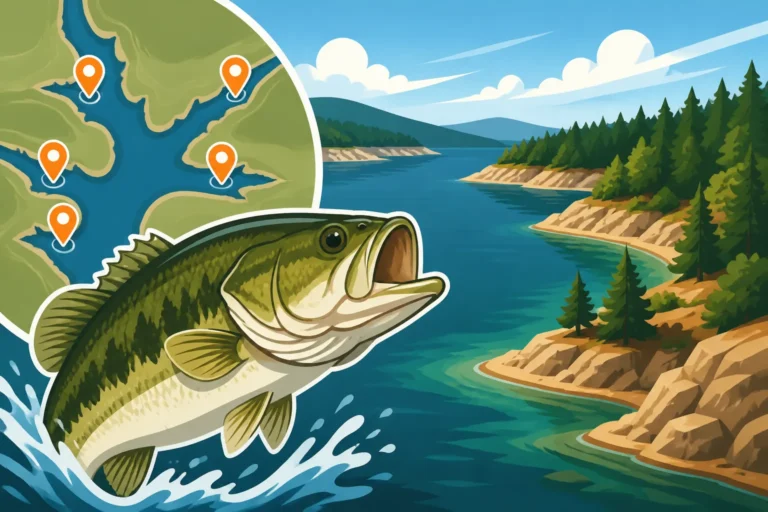
If you're looking for world-class sturgeon, research the deeper, slower pools, often found by exploring maps or consulting with local tackle shops. For smallmouth bass, look for the more turbulent, rocky sections. If trout are your primary target, identifying specific, cool-water tributaries that feed the Snake River will be key. Consulting resources like Best Fishing Spots in Southern Idaho can give you a starting point, but exploring and talking to local anglers are invaluable. Remember, each section of the canyon has its own personality, and discovering it is part of the adventure.
Considering a Guided Trip
Given the unique challenges of the Snake River Canyon – from navigating its currents to understanding localized fish behavior and regulations – many anglers, especially first-timers or those targeting trophy sturgeon, choose to hire a professional guide. A good guide offers invaluable local knowledge, expertise in safe navigation, and specialized gear that can make all the difference. They can put you on fish faster, teach you specific techniques like How to Fish for Sturgeon on the Snake River, and ensure you have a safe and memorable trip.
Services like FishingBooker are excellent resources for finding reputable, licensed guides operating in the Snake River Canyon. You can often read reviews, compare prices, and see what specific species and trip types different guides specialize in. While a guided trip is an investment, the experience and expertise gained often far outweigh the cost, especially when chasing challenging species like trophy sturgeon that require specialized knowledge and equipment. Just be sure to communicate your expectations clearly with your chosen guide beforehand.
Leave No Trace Ethics in the Canyon
The Snake River Canyon is a national treasure, and it's up to every angler to help preserve its pristine beauty and ecological health. Practicing Leave No Trace principles is not just good etiquette; it's essential for protecting this unique environment for future generations. This means packing out everything you pack in, including all trash, fishing line scraps, and any unwanted bait. Avoid disturbing wildlife, stay on designated trails or established access points to prevent erosion, and be mindful of other users, whether they are fellow anglers, hikers, or boaters.
For catch-and-release fishing, especially for sensitive species like sturgeon, handle fish as little as possible, keep them in the water, and release them quickly and carefully. This includes following specific rules like Idaho Sturgeon Catch and Release Rules Explained. By respecting the canyon and its inhabitants, we ensure that the thrill of fishing its depths remains a possibility for years to come.
Disclaimer
Please remember that fishing regulations in Idaho can change frequently. Always consult the latest Idaho Fish and Game regulations and proclamations before heading out on any fishing trip. The information provided in this guide is for general informational purposes only and should not be considered a substitute for official regulations. Exercise caution and prioritize safety whenever fishing in the rugged environments of the Snake River Canyon.