Fishing Access on the Boise River Greenbelt
Navigating the urban landscape while craving the tranquility and challenge of fishing can feel like a contradiction. Many of us living in or visiting Boise long for a quick escape to the water but aren't sure where to find quality angling opportunities without a long drive. This comprehensive guide is here to shed light on the incredible fishing access available right along the Boise River Greenbelt, showing you exactly where to cast a line and what to expect from this unique urban fishery.
The Boise River Greenbelt: An Urban Angler's Oasis
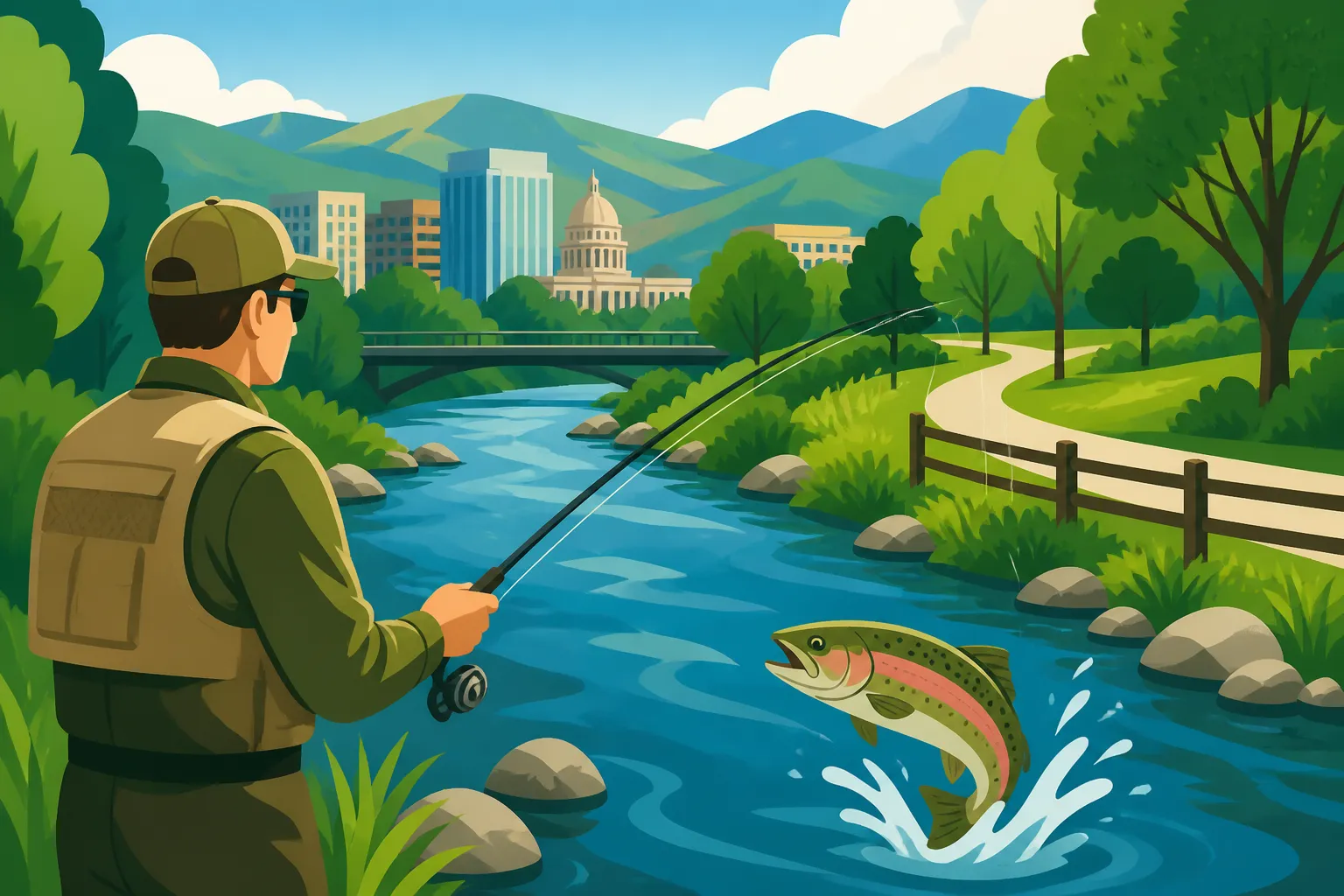
The Boise River Greenbelt isn't just a scenic pathway for walkers and cyclists; it's a vibrant artery of life that flows right through the heart of Idaho's capital city, offering surprisingly robust fishing opportunities. For many, the idea of productive fishing literally steps away from downtown Boise seems almost too good to be true, but it's a reality that anglers cherish.
Why the Greenbelt is a Gem for City Anglers
What makes the Greenbelt such a beloved spot for those of us who love to fish? First and foremost, it's the sheer convenience. Imagine finishing work or running errands and being able to be rivers edge with a rod in hand within minutes. It's an instant decompression chamber, transforming the hustle and bustle into the rhythmic calm of flowing water. This accessibility means you don't need to dedicate an entire day or pack a cooler full of supplies just to get your fishing fix. You can slip away for an hour or two, enjoy the peace, and perhaps even land a nice fish before heading back to your routine.
Beyond convenience, the Greenbelt boasts a surprising diversity of fish species, regularly stocked and naturally occurring, offering something for every type of angler. It's a place where beginners can easily find success, and experienced anglers can hone their techniques against the backdrop of an urban park. There’s a distinct satisfaction in catching a healthy trout or a feisty bass with the city skyline in the distance. It truly feels like finding a secret garden in the middle of a concrete jungle, a peaceful oasis that constantly reminds us of Idaho's incredible natural beauty, even in its most populated areas.
General Access Points and How to Find Them
The beauty of the Boise River Greenbelt is its extensive public access. From Garden City to Lucky Peak Dam, countless spots along the approximately 25-mile pathway offer entry points to the river. Many sections run directly adjacent to city parks, providing convenient parking, restrooms, and clear pathways right to the water's edge.
Popular spots like Ann Morrison Park and Kathryn Albertson Park on the south side of the river provide ample parking and well-maintained trails leading to various bank fishing locations. These parks are often bustling with activity, but the river itself often offers pockets of solitude. Further east, Barber Park is another excellent access point, particularly if you're looking to launch a drift boat or kayak, though bank fishing here is also popular, especially in the calmer sections. Even closer to downtown, sections near the Boise State University campus offer walk-in access, though parking can be tighter.
The key is to explore. Grab a map of the Greenbelt or simply drive or bike along it, looking for breaks in the foliage or designated access points. You'll often find small pull-offs or pathways leading down to the river from various neighborhoods. The Boise River Greenbelt is designed for public enjoyment, so finding a spot to cast a line is rarely a challenge; it’s more about discovering your personal favorite tranquil nook.
What You Can Catch and When on the Greenbelt
The Boise River Greenbelt might flow through a city, but don't let that fool you into thinking it's just a trickle with a few minnows. This river supports a healthy and diverse fish population, making it a fantastic year-round destination for anglers. Knowing what to target and when can significantly increase your chances of a successful and enjoyable outing.
Target Species and Their Habits
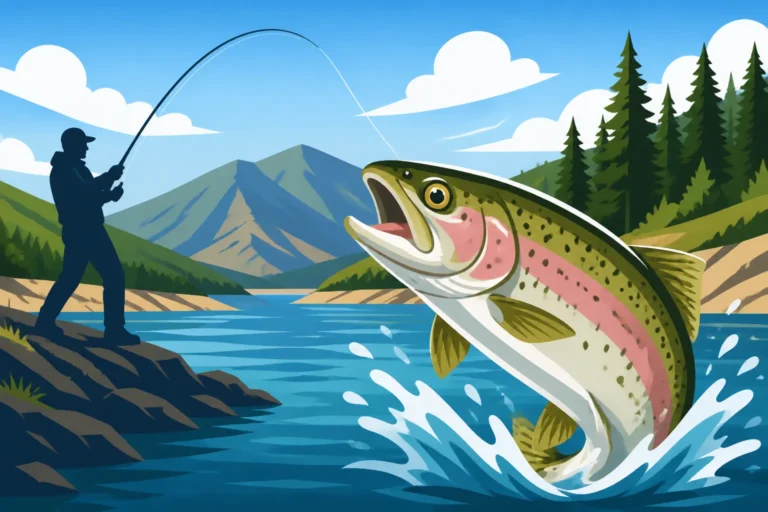
The main draw for many anglers on the Greenbelt is the Rainbow Trout. The Idaho Department of Fish and Game regularly stocks the Boise River with these feisty fighters, especially in spring and fall, ensuring a consistent population for recreational fishing. You'll find rainbows throughout the river, often holding in deeper pools, behind submerged logs, or in the current seams where food washes by. They're opportunistic feeders, making them a great target for both bait and lure anglers.
While less common than their stocked counterparts, Brown Trout also inhabit the Boise River. These elusive, wilder trout tend to be more wary and are often found in deeper, more secluded pockets, under cut banks, or around larger structures. They can grow to impressive sizes and offer a significant challenge for experienced anglers. Catching a true wild brown from the Greenbelt is a memorable achievement. Beyond trout, the river also holds a healthy population of Smallmouth Bass. These hard-fighting fish become very active in the warmer months, lurking around rocky bottom structures, bridge pilings, and areas with submerged timber. They're incredibly fun to catch on light tackle and provide a different kind of fight than trout. You might also encounter Mountain Whitefish, especially in cooler sections or during colder months, which can be surprisingly fun on a fly rod. Occasionally, other species like carp or pikeminnow can also be found.
Seasonal Fishing Opportunities and Best Times
Fishing the Boise River Greenbelt is a year-round affair, with each season offering unique opportunities and challenges.
| Season | Primary Target Species | Best Conditions/Tips | Common Techniques |
|---|---|---|---|
| Spring | Rainbow Trout, Brown Trout | Post-stocking frenzy, pre-runoff. Watch for hatches. | Spinners, PowerBait, worms, nymphs, streamers, dry flies |
| Summer | Smallmouth Bass, Rainbow Trout | Early morning/late evening for bass. Deeper pools for trout. | Soft plastics, crankbaits, topwater (bass); Nymphs, terrestrials, small spinners (trout) |
| Fall | Brown Trout, Rainbow Trout | Excellent for larger browns. Fewer crowds, good hatches. | Streamers, nymphs, egg patterns, spinners, small spoons |
| Winter | Rainbow Trout, Mountain Whitefish | Slower action, but can be very productive in tailwaters. | Nymphs (deep), small jigs, PowerBait (in slack water) |
Spring on the Greenbelt brings a burst of activity. As water temperatures rise and the Idaho Department of Fish and Game conducts its initial trout stockings, the fishing can be fantastic. You'll often find eager rainbow trout willing to strike at a variety of offerings. This is also a great time to look for early insect hatches, offering opportunities for fly anglers. However, keep an eye on runoff from the mountains; high, murky water can make fishing challenging. Before you head out, make sure you understand the current conditions by checking local reports.
Summer fishing means warmer water, and while trout might retreat to deeper, cooler pockets, it's prime time for smallmouth bass. Early mornings and late evenings are often the most productive for bass, especially as they feed aggressively on insects and baitfish. During the heat of the day, targeting deeper runs and shady spots can still yield trout. Remember that the river can get crowded with floaters during summer afternoons, so plan your fishing times accordingly.
Fall is arguably one of the best times to fish the Boise River Greenbelt. The cooler weather brings brown trout out of their hiding spots as they prepare for spawning, and the stocked rainbows are still abundant and active. The crowds thin out, and the changing leaves provide a beautiful backdrop for your fishing adventure. Look for excellent hatches of blue-winged olives and caddis, providing superb dry fly action.
Winter fishing might sound daunting, but it can be surprisingly rewarding, especially in the sections of the river that remain ice-free. While the action slows down, diligent anglers can find success, particularly for trout in the deeper pools and slower runs. Nymphing with smaller flies or using natural baits can be effective. It’s a peaceful time to be on the river, often with fewer people, offering a serene escape. Remember to dress warmly and prioritize safety when fishing in colder conditions. If you're looking for up-to-date fishing conditions or even a guide, checking resources like FishingBooker can sometimes help you find local experts who know the subtle nuances of the Greenbelt's seasonal patterns.
Essential Techniques and Gear for Greenbelt Fishing
Fishing the Boise River Greenbelt doesn't require a boatload of specialized gear, which is part of its charm. Whether you're a seasoned fly fisher or prefer the simplicity of spin casting, you can find success here. The key is understanding the basic techniques and knowing what baits and lures will entice the local fish.
Spin Fishing and Bait Choices
For many anglers hitting the Greenbelt, spin fishing is the go-to method, and for good reason—it’s accessible, versatile, and often incredibly effective. A lightweight spinning rod, typically 6 to 7 feet long with a fast action, paired with a small spinning reel spooled with 4-6 pound test monofilament or fluorocarbon line, is usually perfect. This setup gives you enough sensitivity for smaller trout but also the backbone to handle a surprise larger brown or a feisty smallmouth bass.
When it comes to lures, inline spinners are perennial favorites. Brands like Mepps, Panther Martin, and Blue Fox in sizes #0 to #3, in silver, gold, or brass colors, can be absolutely deadly for rainbow trout and even smallmouth bass. Small spoons, such as Kastmasters or Little Cleos, also work wonderfully, particularly when retrieved with a stop-and-go action that mimics injured baitfish. For those targeting smallmouth bass, small crankbaits or soft plastic swimbaits retrieved near structure can be highly effective.
Bait fishing is also a very popular and productive method, especially for the regularly stocked rainbow trout. Worms (nightcrawlers cut into pieces) are universally effective. PowerBait, in various colors and forms (dough, nuggets, eggs), is a consistent performer for rainbows. You can rig these baits on a small hook with a split shot or two, allowing them to drift naturally through pools or settle on the bottom. Remember to use only what you need and avoid leaving excess bait or packaging behind, keeping the Greenbelt pristine for everyone. Understanding the rules around using live bait is also crucial, so always check the Idaho Fishing Regulations Explained for the most current information.
Fly Fishing the Urban Waters
Fly fishing on the Boise River Greenbelt offers a delightful challenge and a chance to connect with nature on a deeper level, even within city limits. A 4- to 6-weight fly rod, 8.5 to 9 feet long, paired with a floating line, is a versatile setup. You'll want a tapered leader appropriate for your chosen flies, typically 7.5 to 9 feet in length, ending in 4x to 6x tippet.
During different times of the year, and depending on insect activity, various fly fishing techniques shine. Dry fly fishing can be exhilarating during periods of insect hatches, especially for mayflies (like Blue-Winged Olives) and caddisflies. Observing rising fish and matching the hatch with patterns like Parachute Adams, Elk Hair Caddis, or small Tricos can lead to rewarding catches.
When fish aren't actively rising, nymphing is often the most consistent method. Weighted nymphs like Hare's Ears, Pheasant Tails, Prince Nymphs, or Pat's Rubber Legs, fished under a strike indicator or using a tight-line technique, can fool trout holding near the bottom in runs and pools. For targeting larger brown trout or aggressive smallmouth bass, streamers like Woolly Buggers (in black, olive, or brown) or Sculpzillas can be stripped through deeper water, mimicking baitfish. Learning how to read the water effectively and approaching quietly are paramount for success, especially in waters that see a fair amount of pressure. For those new to fly fishing, a guide from a local outfit often found through sites like FishingBooker, can provide invaluable lessons right on the river. You can also explore specific tips on Bank Fishing Tips for the Boise River Greenbelt to hone your approach.
Respecting the Resource and Fellow Users
Being an angler on the Boise River Greenbelt comes with a responsibility to both the environment and other users. This shared space is enjoyed by walkers, runners, cyclists, and families, so practicing good etiquette is paramount. Always be mindful of your surroundings, ensuring your backcast doesn't snag a passing pedestrian or cyclist, and that your lines aren't obstructing pathways.
Littering is a major concern in any urban fishery. Always pack out everything you pack in, including discarded fishing line, bait containers, and snack wrappers. Leaving trash behind not only detracts from the beauty of the Greenbelt but can also be harmful to wildlife. A small trash bag tucked into your vest or backpack can make a big difference.
When it comes to the fish, catch and release is highly encouraged, especially for wild trout and larger brown trout. If you choose to keep fish within legal limits, understand proper fish handling techniques to minimize stress and ensure a quick, ethical harvest. For any fish you plan to release, handle them gently with wet hands, keep them in the water as much as possible, and revive them before letting them go. Knowing the Idaho Daily Bag Limit for Trout on Most Waters and other species is essential. It helps everyone enjoy this amazing resource for years to come and supports the overall health of the fishery.
Navigating Regulations and Maximizing Your Experience
Fishing on the Boise River Greenbelt, like any water body in Idaho, requires adherence to specific regulations. Understanding these rules is not just about avoiding fines; it’s about contributing to the conservation of this incredible urban fishery. Taking the time to prepare properly will ensure a stress-free and enjoyable outing.
Understanding Local Fishing Rules
Idaho Fish and Game sets the rules for all of Idaho's waters, and the Boise River is no exception. It’s critical to obtain and review the most current Idaho Fishing Regulations brochure or check the Fish and Game website before you head out. These regulations cover everything from daily bag and possession limits for different species like trout and bass, to bait restrictions, and even specific times of day or year certain areas might be open or closed to fishing.
For the Boise River, there are often specific rules related to trout limits and occasionally special regulation sections. For example, some stretches might be catch-and-release only for certain species or might have restrictions on bait. Always pay close attention to signs posted at popular access points, as these will often highlight immediate local regulations. Failing to know the rules can lead to disappointment or, worse, a citation. Familiarizing yourself with the broader Idaho Fishing Regulations Explained will set you up for success across the state.
Getting Your License and Permits
No matter how convenient the Greenbelt is, the most fundamental rule is that anyone 14 years and older needs an Idaho fishing license to legally fish. It’s a small investment that directly contributes to the management, stocking, and conservation efforts that keep Idaho’s fisheries thriving.
You have several convenient options for purchasing your license. The easiest for many is to get an Idaho Fishing License Online Purchase directly through the Idaho Fish and Game website. This allows you to print a temporary license immediately and often have a physical card mailed to you. Alternatively, licenses can be purchased at numerous local vendors, including sporting goods stores like Cabela's or Sportsman's Warehouse, and even many local retailers such as Fred Meyer or Walmart. For Idaho residents, an Idaho Resident Annual Fishing License is typically the most cost-effective option if you plan to fish more than a couple of times a year. Non-residents have options too, including a Idaho Nonresident Annual Fishing License or shorter-term options if you're just visiting. Be sure to check the Idaho Fishing License Cost Guide to find the option that best suits your needs. Having your license in hand or easily accessible on your phone is non-negotiable for every fishing trip.
Leveraging Local Knowledge and Resources
While online resources and guidebooks are helpful, nothing quite beats local knowledge. Boise is home to several fantastic fly shops and sporting goods stores whose staff are usually passionate anglers themselves. Places like Idaho Angler or the Caddis Fly Shop in Boise are goldmines of information. They can tell you about recent hatches, successful fly patterns, the best lures for the current conditions, and even point you to specific productive stretches along the Greenbelt. They're also excellent places to pick up any last-minute gear or flies you might need.
Don't underestimate the power of simply observing other anglers on the river. A friendly "Hello" and a respectful question can sometimes lead to invaluable insights. However, always be courteous and respect their space; fishing can be a solitary pursuit for some. Online fishing forums or local Facebook groups dedicated to Idaho fishing can also be a great way to tap into the collective knowledge of the angling community. Even checking sites like FishingBooker can sometimes connect you with local guides who specialize in the Boise River, offering invaluable insights for a productive day on the water, whether you book a trip or just gather information. For a deeper dive into fishing spots around the city, you might also find our guide to the Best Fishing Spots Near Boise helpful.
Disclaimer
Please remember that fishing regulations and conditions can change rapidly. Always consult the latest Idaho Department of Fish and Game regulations and local advisories before heading out on any fishing trip. The information provided here is for general guidance and informational purposes only.