Where to Catch Chinook Salmon on Lake Coeur d’Alene
Few things are more frustrating than heading out to a beautiful body of water, tackle box brimming with hope, only to find yourself aimlessly casting without a bite from your target species. Lake Coeur d'Alene, with its vast expanse and stunning beauty, holds a fantastic fishery for Chinook salmon, but knowing where to find these elusive, hard-fighting fish is key to a successful outing. This guide is dedicated to helping you pinpoint those prime locations, understand Chinook behavior, and ultimately, put more of these magnificent fish in your net on Lake Coeur d'Alene.
Understanding Lake Coeur d'Alene's Chinook Salmon Fishery
Chinook salmon, often called King salmon for their impressive size and fighting spirit, weren't originally native to Lake Coeur d'Alene. They were introduced decades ago to help manage the burgeoning kokanee salmon population and offer a thrilling sport fishery. These powerful predators primarily feed on kokanee, which means understanding the kokanee's movements and depths is critical to locating Chinook. It's a classic predator-prey relationship that dictates where these kings will be found throughout the year.
The Life Cycle and Behavior of Lake Coeur d'Alene Chinook
Unlike their anadromous relatives that migrate from the ocean, Lake Coeur d'Alene Chinook are entirely landlocked. They spend their entire lives within the lake system, growing large and strong by feasting on the abundant kokanee. While they don't migrate to the ocean, they still exhibit seasonal movement patterns. In the spring, as the lake waters warm, Chinook often follow kokanee into shallower bays and coves. As summer progresses, both species retreat to deeper, cooler waters, often congregating around structures or drop-offs where their prey is plentiful. This deep water behavior is particularly pronounced during the hottest months.
Their feeding behavior is also tied to light conditions. Chinook are often most active during low-light periods, such as dawn, dusk, and even overnight, especially in clear waters. This is when kokanee are also more active, making them easier targets for the larger salmon. Understanding this helps you plan your fishing trips for maximum success. The Idaho Fish and Game actively manages this fishery, sometimes adjusting stocking levels based on the health of the kokanee population, further influencing how Chinook salmon control Idaho's kokanee population.
Regulatory Considerations for Chinook Salmon
Before you even think about dropping a line, it's absolutely essential to be familiar with the local fishing regulations. Idaho's fishing rules are designed to protect fish populations and ensure sustainable angling for everyone. For Lake Coeur d'Alene Chinook, there are specific bag limits and size restrictions that vary by season and sometimes by specific areas of the lake. These regulations can change, so always check the most current Idaho Fishing Regulations Explained before your trip.
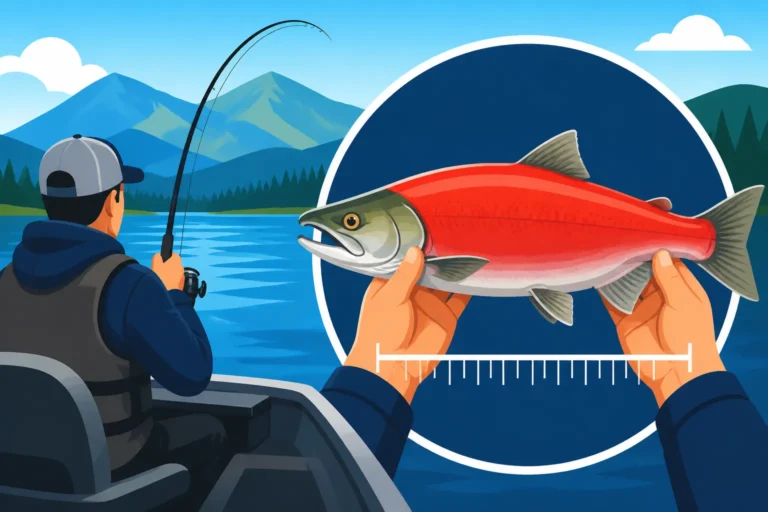
For example, there might be specific rules on the number of Chinook you can keep in a day, and there's often a minimum size requirement. Catching a trophy-sized Chinook is a dream for many, but knowing the minimum size to weigh in a Chinook at the Coeur d'Alene Derby is crucial if you plan to participate in local tournaments. Remember, proper identification of your catch is also important. If you’re ever unsure, it’s best to release the fish unharmed. And of course, don't forget your Idaho Fishing License Guide, as it’s required for all anglers aged 14 and older.
Prime Locations for Chinook Salmon on Lake Coeur d'Alene
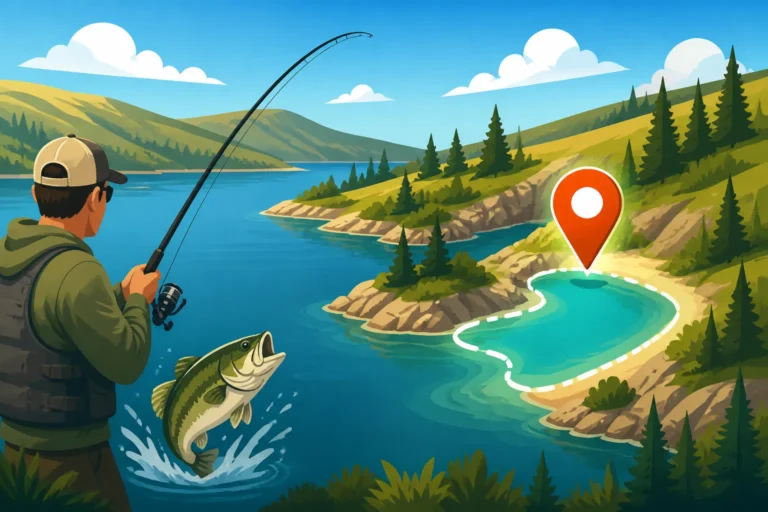
Lake Coeur d'Alene is a large, complex body of water, and while Chinook can technically be found throughout, some areas consistently produce better results. These prime locations often share common characteristics: deep water access, proximity to kokanee schools, and underwater structure. Knowing these hotspots can dramatically increase your chances of success.
The Lake's Northern Reaches and Deep Basins
The northern end of Lake Coeur d'Alene, particularly from Tubbs Hill north towards the Spokane River arm, is renowned for its deep basins and excellent Chinook fishing. This area maintains deep, cold water throughout the summer, making it a natural magnet for both kokanee and the Chinook that feed on them. Look for steep drop-offs, underwater points, and humps that rise from the bottom, as these often concentrate baitfish.
Areas around the mouth of the Spokane River and the large, open water stretches north of Coeur d'Alene city are prime examples. The Chinook here can be found suspended at various depths, sometimes just 30-50 feet down, but often much deeper in the 80-150 foot range, especially during the brighter parts of the day. This requires precise trolling techniques with downriggers to get your lures into the strike zone. Many successful anglers focus on contour lines on their fish finders, looking for bait balls (kokanee) and larger arcs (Chinook) lurking nearby.
The Mid-Lake and Southern Sections
While the northern end gets a lot of attention, don't overlook the mid-lake and southern sections, especially during the spring and fall. As the seasons change, Chinook will move through these areas. In spring, when water temperatures are still cool, they might be found in shallower bays and near creek mouths in the mid-lake region where kokanee are spawning or feeding on emerging insects. As the summer heat intensifies, Chinook, like their northern counterparts, will move to deeper, cooler sections of the mid-lake.
The southern end of the lake, particularly south of Harrison, also holds significant potential. This area features some very deep water and extensive underwater structure. Look for the main lake channel and any prominent underwater features like saddles or deep points. While perhaps not as heavily fished for Chinook as the northern end, these less-pressured waters can sometimes yield surprising results for those willing to explore. For a more general overview of fishing here, check out our guide on Fishing Lake Coeur d'Alene for Kokanee and Chinook.
Best Techniques and Times to Target Chinook
Successfully catching Chinook salmon on Lake Coeur d'Alene isn't just about being in the right spot; it's also about employing the right techniques at the right time. These fish are powerful and often require specialized approaches to entice them to bite.
Trolling with Downriggers and Flashers
Without a doubt, trolling with downriggers is the most effective method for targeting Chinook salmon on Lake Coeur d'Alene. Chinook often suspend at very specific depths, sometimes over deep water, making it nearly impossible to reach them with conventional casting gear. Downriggers allow you to precisely control the depth of your lure, getting it right into the feeding zone.
The typical setup involves a main line from your rod attached to a release clip on the downrigger cable, which has a heavy cannonball weight. Once you reach your desired depth, the line is released from the clip, and you're fishing. Using flashers or dodgers ahead of your lure is also critical. These attractants create vibration and flash, mimicking a school of baitfish and drawing the attention of hungry Chinook. Popular colors for flashers vary, but often include chrome, green, and blue. For a more detailed look at the gear, our Idaho Trolling Techniques Guide offers excellent advice. Experiment with different leader lengths between your flasher and lure, as sometimes a subtle change can make all the difference.
Lures, Baits, and Scent Strategies
Chinook salmon are predators, and their lures should reflect that. Common choices include spoons, plugs, and sometimes even flies trolled behind a flasher.
- Spoons: Brands like Dick Nite, Silver Horde, and Gibbs are popular. Colors mimicking kokanee (silver, blue, green, chartreuse) are always a good bet. Sizes typically range from 3 to 5 inches.
- Plugs: These diving lures provide a wider swimming action. Common choices include Kwikfish or FlatFish in various sizes and colors. Again, kokanee imitations are key.
- Flies: Some anglers find success trolling large, marabou-style flies or squid imitations, especially those tipped with a piece of bait.
Speaking of bait, adding a piece of herring, sardine, or even a small chunk of cured kokanee flesh to your lure can provide that irresistible scent and taste. Scent trails are powerful attractants, especially in deeper, darker water. Applying scent oils or gels to your lures regularly can significantly improve your strike rate. Make sure to check out our comprehensive guide on Best Bait and Lures for Idaho Fishing for more ideas.
The Best Times to Fish for Chinook
Timing is everything when it comes to Lake Coeur d'Alene Chinook. While you can catch them throughout the day, certain periods offer a much higher probability of success.
- Early Morning and Late Evening: As mentioned earlier, Chinook are typically most active during low-light conditions. Getting on the water at or even before dawn can be incredibly rewarding. The period just before sunrise and an hour or two after often sees the most intense feeding activity. Similarly, the late evening, from dusk into twilight, can also be productive.
- Overcast Days: Overcast or rainy days, which reduce direct sunlight penetration into the water, can also extend the prime fishing window into the middle of the day. The diffused light makes fish feel more comfortable feeding higher in the water column.
- Seasonal Patterns: Spring and fall often see Chinook in shallower water, making them easier to access for some. Summer fishing often means targeting deeper, cooler waters, sometimes requiring more advanced trolling setups. Always consult the Idaho Fishing Season Calendar for specific dates and conditions.
Essential Gear and Tips for Success
Having the right equipment and a few seasoned tips in your arsenal can make all the difference between a frustrating day and a memorable one on Lake Coeur d'Alene.
Rods, Reels, and Line Selection
For trolling Chinook salmon, you'll want a medium-heavy to heavy action rod, typically 8 to 10.5 feet in length. These longer rods provide better shock absorption when a large Chinook strikes and help keep your line clear of boat components. Paired with a sturdy level-wind or star drag reel spooled with 25-40 pound test monofilament or braided line, you'll be well-equipped. Many anglers prefer braided line for its sensitivity and lack of stretch, but a monofilament leader is almost always used for its abrasion resistance and shock-absorbing qualities.
Having dedicated downrigger rods is also a smart move. These often have a softer tip to indicate strikes more clearly when the line is in the release clip, transitioning to a powerful backbone for fighting big fish. Don't skimp on quality; a screaming drag from a powerful Chinook can put serious stress on your gear.
Navigation and Electronics for Finding Fish
Modern boat electronics are practically a necessity for consistent Chinook success on Lake Coeur d'Alene. A good fish finder/chart plotter combination is invaluable.
- Fish Finder: This will help you locate schools of kokanee (baitfish) and identify larger arcs that could be Chinook. Pay attention to depths where fish are suspended and look for structure on the bottom.
- GPS/Chart Plotter: Lake Coeur d'Alene has many excellent fishing spots. Marking productive trolling passes, specific humps, or drop-offs on your GPS allows you to return to those exact spots. It also helps you stay on track while trolling, maintaining consistent speeds and depths.
- Downriggers: As discussed, electric or manual downriggers are essential for getting your lures to the precise depth where Chinook are feeding. Some even have features like depth tracking and controlled descent.
Always be observing your electronics, looking for changes in baitfish schools or signs of larger predators. Sometimes, simply marking bait and then deploying your lures slightly below them can trigger a strike.
Hiring a Local Guide for a Better Chance
If you're new to Lake Coeur d'Alene or specifically want to learn the ropes of Chinook fishing, hiring a local guide is hands-down one of the best investments you can make. Guides spend countless hours on the water, tracking fish movements, understanding seasonal patterns, and perfecting techniques. They know the secret spots, the current regulations, and have all the specialized gear you might not own.
A guide can teach you everything from setting up your downriggers correctly to identifying prime structure on your fish finder. Many excellent guides operate on Lake Coeur d'Alene, specializing in Chinook and kokanee. Platforms like FishingBooker can help you find reputable Lake Coeur d'Alene Fishing Charters with experienced captains who know these waters intimately. Not only do they increase your chances of catching fish, but they also provide a fantastic learning experience and can make your trip much more enjoyable and stress-free.
Pro Tips for Angling Success
- Vary Your Speed and Depth: Chinook can be finicky. Experiment with trolling speeds (typically 1.5 to 3.0 mph) and depths until you find what triggers bites. Sometimes, a subtle change in speed, like a slight S-turn, can make your lure dart, enticing a strike.
- Watch the Birds: Gulls diving and feeding can indicate schooling baitfish near the surface, and sometimes, Chinook won't be far behind. While rare for deep-water Chinook, it's a good general rule of thumb.
- Keep Your Lures Clean: Scents from human hands or gasoline can repel fish. Use gloves or wash your hands thoroughly before handling lures and bait.
- Check Your Leader Often: Chinook have sharp teeth and fight hard. Regularly inspect your leader for nicks and abrasions, and re-tie as needed. A lost fish due to a worn leader is a tough pill to swallow.
- Stay Flexible: Fishing isn't always about sticking to one plan. Be prepared to adapt your depths, lures, and locations based on what you're seeing on your electronics and what the fish are telling you.
| Location Type | Typical Depth Range (feet) | Best Time of Year | Key Features to Look For |
|---|---|---|---|
| Northern Deep Basins | 80-150+ | Summer, Fall | Steep drop-offs, underwater humps, main channel |
| Spokane River Arm Mouth | 60-120 | Spring, Fall | Transition zones, current breaks (subtle), deep holes |
| Mid-Lake Main Channel | 70-140 | Summer | Deepest sections of the lake, suspended kokanee schools |
| Southern Deep Water | 90-180+ | Summer | Underwater saddles, extensive structure, less pressure |
| Shallow Bays/Coves | 30-70 | Spring (early) | Near creek mouths, warming water, active kokanee schools |
Conclusion: Mastering the Lake Coeur d'Alene Chinook Fishery
Catching Chinook salmon on Lake Coeur d'Alene is an incredibly rewarding experience, offering the chance to battle truly magnificent fish in a stunning natural setting. It’s not always easy, but by understanding the fish’s behavior, knowing the prime locations, employing effective trolling techniques, and using the right gear, you’ll significantly increase your chances of success.
Remember, patience and persistence are your greatest allies. Spend time learning your electronics, experimenting with depths and lures, and don't be afraid to try new spots. Whether you’re a seasoned veteran or just getting started, the thrill of a Chinook strike on Lake Coeur d'Alene is something every angler should experience. Good luck out there, and tight lines!
Disclaimer
Please be aware that fishing regulations, seasons, and fish behavior can change. Always consult the latest Idaho Fish and Game regulations before heading out on your fishing trip. The information provided here is for general guidance and informational purposes only.