Fishing Anderson Ranch Reservoir
It can feel overwhelming trying to figure out the ins and outs of a new fishing spot, especially a large reservoir with diverse species like Anderson Ranch. You might be wondering where the best access points are, what fish are biting, or how to navigate those sometimes-tricky regulations. This comprehensive guide is here to break down everything you need to know about fishing Anderson Ranch Reservoir, ensuring your next trip is productive and enjoyable.
Getting to Know Anderson Ranch Reservoir
Anderson Ranch Reservoir, nestled in the scenic mountains of Elmore County, southeast of Boise, is much more than just a body of water; it's a vital part of Idaho's landscape and a true angler's paradise. Created by the damming of the South Fork Boise River, this expansive reservoir stretches for miles, offering varied habitats from deep, open water to rocky points and submerged timber. It's a place where history meets recreation, providing both water for agriculture and power generation, alongside incredible outdoor opportunities.
Location and Unique Geography
Tucked away in the Boise National Forest, Anderson Ranch Reservoir is a stunning destination, easily accessible yet feeling wonderfully remote. To get there, most anglers travel east from Boise, passing through Mountain Home and then heading north towards Pine and Featherville. The reservoir itself is long and narrow, winding through mountainous terrain, with numerous fingers and coves that provide excellent fishing structure. Its high elevation means it experiences clear, crisp air and often stunning views of the surrounding pine forests and rugged peaks. This unique geography, with steep canyon walls giving way to more gradual slopes in certain areas, contributes to its diverse fishery.
The reservoir's depth varies dramatically, with some areas plunging to over 300 feet, while others feature shallower flats. This topographical diversity is crucial for understanding fish behavior, as different species will inhabit different depths and structures depending on the season and time of day. Knowing the contours of the reservoir, even with just a basic map, can give you a significant advantage in locating active fish.
History and Purpose of the Reservoir
Anderson Ranch Dam was completed in 1950 by the U.S. Bureau of Reclamation, primarily to provide irrigation water for farms in the Mountain Home area and to generate hydroelectric power. Before its construction, the South Fork Boise River flowed freely, but the dam transformed the landscape, creating the sprawling reservoir we know today. This history is important because the reservoir's primary function still influences its water levels. Throughout the year, water is released for irrigation, which can cause significant drawdowns, particularly in late summer and fall.
These fluctuating water levels can dramatically affect fishing conditions. During periods of drawdown, boat ramps might become less accessible, and fish patterns can shift as their habitat changes. Fish that were holding along a submerged weed line might move to deeper cover, or concentrate in remaining channels. Conversely, when the reservoir fills up in spring, new submerged vegetation and structure become available, offering fresh feeding grounds. Understanding these patterns, driven by the reservoir's historical and ongoing purpose, is key to adapting your fishing strategy.
Prime Fish Species and How to Target Them
Anderson Ranch Reservoir is celebrated for its diverse fishery, boasting healthy populations of several highly sought-after species. Whether you're a seasoned angler chasing trophy fish or a family looking for a fun day catching panfish, this reservoir has something for everyone. Knowing what's biting and how best to entice them is half the battle, and we'll break down the main contenders here.
Rainbow Trout Hotspots and Tactics
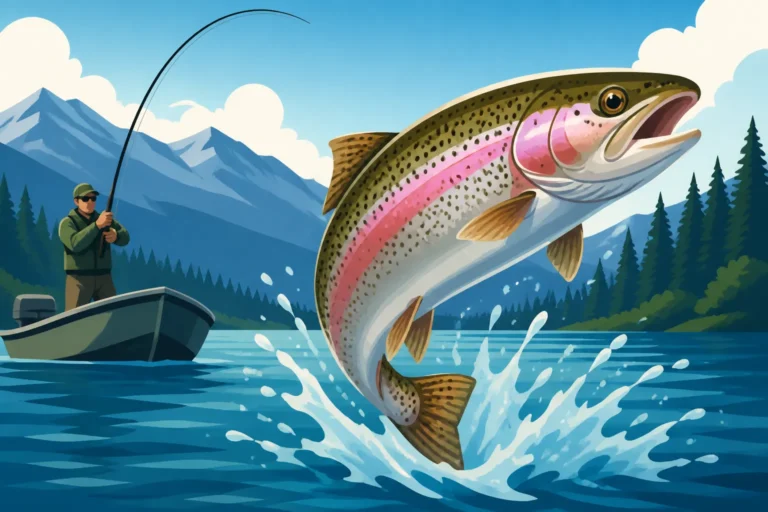
Rainbow trout are a staple in Anderson Ranch, consistently stocked by Idaho Fish and Game to provide excellent angling opportunities. These lively fish are often found throughout the reservoir, but certain areas tend to concentrate them. The upper end of the reservoir, closer to the South Fork Boise River inlet, often holds good numbers of trout, especially in spring and fall when they move into shallower water to feed. The main channel and areas around structure like submerged humps, points, and rock walls are also prime locations.
For rainbow trout, a variety of techniques can be effective. Trolling with small spoons like a "Krocodile" or "Dick Nite" in silver or brass, or using wedding rings tipped with a piece of worm, can be very productive. Many anglers will troll at depths between 10-30 feet, adjusting based on where they see baitfish or fish activity on their sonar. Bank anglers can have success with powerbait, worms, or marshmallows fished off the bottom near drop-offs. Fly fishermen can also find opportunities, especially in the calmer coves and along the river inlet, using patterns like woolly buggers, prince nymphs, or various dry flies during hatches. Early mornings and late evenings are generally the most productive times for trout, particularly during warmer months.
Kokanee Salmon Strategies
Kokanee salmon are another major draw at Anderson Ranch, offering a unique and exciting fishery. These landlocked sockeye salmon are known for their schooling behavior and their delicious pink meat. They primarily feed on zooplankton, which means they often suspend in the water column and require specific trolling techniques. Kokanee populations can fluctuate year to year, but when they're present in good numbers, the action can be phenomenal.
To catch kokanee, trolling is almost always the preferred method. Anglers typically use downriggers to get their lures to the correct depth, which can range from 20 to 80 feet, depending on the season and time of day. Small dodgers or flashers, followed by tiny Kokanee Bugs, hoochies, or small spoons in bright colors like pink, orange, or chartreuse, are incredibly effective. Tipping your lure with a kernel of Shoepeg corn soaked in a kokanee attractant is a tried-and-true trick that significantly increases strikes. A slow trolling speed, usually between 1.0 and 1.5 mph, is key. Keep an eye on your fish finder to locate schools of kokanee and adjust your depth accordingly. Popular spots for kokanee include the deeper, open water sections of the main reservoir, often around the dam or in the wider basins.
Smallmouth Bass and Perch Tactics
Beyond the cold-water species, Anderson Ranch Reservoir also offers excellent warm-water fishing, particularly for smallmouth bass and yellow perch. Smallmouth bass provide a thrilling fight on light tackle and are an increasingly popular target. They prefer rocky structure, submerged timber, and points, especially where there's a good current or drop-off.
For smallmouth, targeting rocky shorelines, rip-rap along the dam, and any visible structure is a good bet. Casting crankbaits, spinnerbaits, tube jigs, or soft plastics rigged "Wacky style" or on a shaky head can be very effective. Topwater lures can also produce explosive strikes during low-light conditions in summer. Smallmouth are most active when water temperatures are warmer, typically from late spring through early fall. Yellow perch, on the other hand, are often found in large schools and are a fantastic target for anglers of all ages, providing consistent action and excellent table fare. They prefer areas with submerged vegetation, moderate depths, and soft bottoms. Jigging with small spoons, soft plastics, or even a simple worm under a bobber can lead to a quick limit of these tasty panfish. Look for perch in coves and bays with some weed growth or submerged brush. They tend to hold deeper in the summer and shallower in the spring and fall.
Best Seasons and Fishing Techniques
Understanding the seasonal patterns and adapting your techniques accordingly is crucial for consistent success at Anderson Ranch Reservoir. The reservoir transforms throughout the year, offering unique opportunities as water temperatures and fish behaviors shift.
Spring and Fall Fishing Opportunities
Spring at Anderson Ranch, typically from April to early June, is a vibrant time for fishing. As the ice melts and snowpack begins to feed the reservoir, water levels rise, and fish become increasingly active. This is often an excellent time for rainbow trout, as they move into shallower areas to feed on newly available insects and baitfish. Trolling near the surface or casting from shore with lures and bait can be very productive. Kokanee also become more accessible in the spring, often found in the upper 20-40 feet of the water column. Smallmouth bass begin to wake up from their winter slumber, moving towards rocky spawning grounds.
Fall, from September through November, is arguably one of the most beautiful and productive times to fish the reservoir. The summer crowds thin out, the leaves turn, and the fish go on a feeding frenzy in preparation for winter. Trout fishing remains strong, especially with cooler surface temperatures encouraging them to feed aggressively. Kokanee, as they approach their spawning cycle, often turn a brilliant red and can be found in shallower water, particularly near the river inlets. While they become less desirable for eating at this stage, they offer a unique angling experience. Smallmouth bass also exhibit aggressive feeding behavior in the fall, making them eager to strike a variety of lures. The challenge in fall can be the dropping water levels due to irrigation drawdowns, which might require navigating changing boat ramp conditions.
Summer Patterns and Challenges
Summer fishing at Anderson Ranch, from June through August, can be fantastic, but it often requires a shift in strategy due to warmer water temperatures and increased recreational boat traffic. With the heat, many fish, especially trout and kokanee, will retreat to deeper, cooler waters. This means anglers targeting these species will need to employ downriggers or leaded lines to present their offerings at depths of 40-100 feet or more. Early mornings and late evenings often provide the best bite for all species, as the sun is less intense and boat traffic is minimal.
Smallmouth bass, however, thrive in the summer heat. They’ll be active along rocky points, submerged humps, and any structure that offers ambush points for baitfish. Topwater fishing can be exhilarating during low-light hours. Perch fishing also picks up significantly in summer, with large schools often found in bays and coves with some weed growth. The main challenge during peak summer can be the sheer number of boaters, especially on weekends, which can make trolling difficult and create choppy water conditions. Focusing on weekdays or very early mornings can mitigate this.
Ice Fishing Opportunities
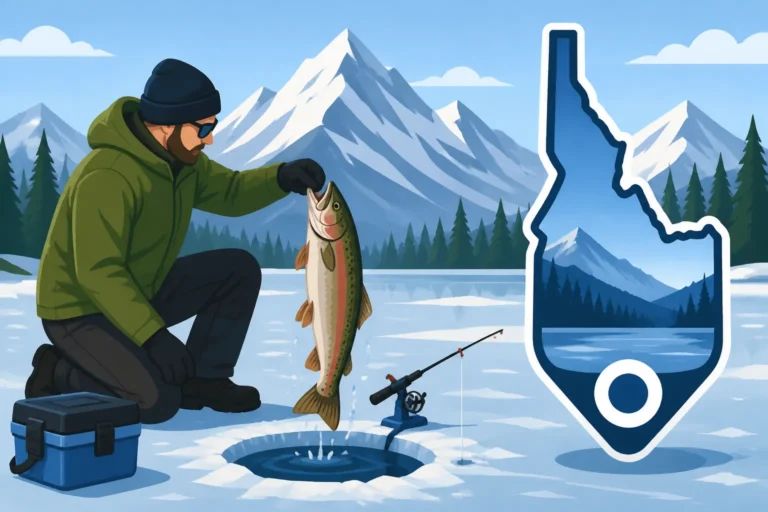
For the truly dedicated angler, Anderson Ranch Reservoir offers excellent ice fishing opportunities once it freezes over, typically from December through March. This cold-weather pursuit allows access to areas unreachable by boat during other seasons and can provide some incredible catches. Safety is paramount when ice fishing; always check ice thickness and conditions before venturing out.
Common targets through the ice include rainbow trout, kokanee, and yellow perch. For trout and kokanee, jigging with small spoons, Kastmasters, or specialized kokanee jigs tipped with corn or a small piece of worm can be effective. Often, fish will suspend at various depths, so using a flasher or fish finder is highly recommended to locate schools and determine their feeding depth. Perch, being a schooling fish, can offer fast action once you find them. Small jigs tipped with mealworms, wax worms, or a small piece of bait fished near the bottom are usually irresistible. Look for areas with a consistent depth, structure, or submerged vegetation. The Pine Recreation Site or areas further up the reservoir are popular ice fishing access points.
Access Points and Amenities
Navigating a large body of water like Anderson Ranch Reservoir requires knowing where to launch your boat, find a good spot to fish from shore, or even set up camp for an extended trip. Fortunately, the reservoir offers several well-maintained access points and facilities that cater to various angler needs.
Boat Launch Facilities
Anderson Ranch Reservoir provides several public boat launch facilities, making it easy for boaters to get on the water. The primary and most developed access point is the Pine Recreation Site, located on the reservoir's western side near the town of Pine. This site typically features paved ramps, ample parking, and often amenities like restrooms. It's generally well-suited for larger boats and is a popular starting point for those heading out for kokanee or trolling the main body of the reservoir.
Another key access point is Fall Creek Recreation Site, located on the eastern side of the reservoir, further north. This site also offers boat ramps and parking, providing access to different sections of the reservoir, often favored by those targeting the upper reaches or seeking out smallmouth bass along the rocky shores. It's important to note that due to the reservoir's significant water level fluctuations, especially during irrigation season, not all ramps may be usable year-round. Always check current conditions with the Idaho Department of Fish and Game or the Bureau of Reclamation before you head out, or consult local bait shops for the most up-to-date information on ramp accessibility. Some smaller, unimproved launches might also exist, but these are often only suitable for smaller craft like kayaks, canoes, or drift boats during high water.
Shore Fishing and Camping Options
For those without a boat, or who simply prefer the tranquility of bank fishing, Anderson Ranch Reservoir still offers plenty of opportunities. The Pine Recreation Site area, with its developed shoreline, provides good access for shore anglers. You can cast from various points, trying your luck for trout, or even perch and bass in shallower coves. Further along the reservoir's perimeter, numerous pull-offs and undeveloped areas along the forest service roads allow for shore fishing, though access might require a short hike down to the water's edge.
Camping is a popular activity around Anderson Ranch, allowing anglers to stay close to the action. Several developed campgrounds are managed by the U.S. Forest Service. The Pine Recreation Site includes camping facilities, offering a convenient option right next to boat launches and shore fishing spots. The Fall Creek Recreation Site also has campgrounds available. For a more rustic experience, numerous dispersed camping opportunities exist throughout the Boise National Forest surrounding the reservoir. Just remember to practice Leave No Trace principles, check for fire restrictions, and pack out everything you pack in. These camping options make it easy to turn a single fishing trip into a multi-day outdoor adventure.
Nearby Amenities and Services
While Anderson Ranch Reservoir offers a feeling of remoteness, there are essential amenities nearby to support your fishing trip. The small communities of Pine and Featherville, situated close to the reservoir, provide basic services. You'll typically find gas stations, a general store for groceries and essentials, and sometimes a local diner or lodge for a hot meal. These towns are also excellent places to get local fishing reports and pick up any last-minute tackle or bait.
For more extensive supplies or tackle, the larger town of Mountain Home is about an hour's drive away. Here, you'll find larger grocery stores, sporting goods retailers like Cabela's or Sportsman's Warehouse, and a wider range of lodging options if camping isn't your preference. It's always a good idea to stock up on all your fishing gear, food, and drinks before heading to the reservoir, as options immediately surrounding Anderson Ranch are limited. Many anglers find it helpful to consult online resources or local forums for up-to-date information on what's biting, current regulations, and any temporary closures or restrictions.
Navigating Regulations and Safety
Before you even think about wetting a line at Anderson Ranch Reservoir, understanding the current fishing regulations and prioritizing safety is non-negotiable. Idaho's fishing rules are designed to protect fish populations and ensure a sustainable fishery for everyone, and they can sometimes be quite specific to certain waters. Overlooking these details can lead to fines or, worse, harm to the ecosystem.
Understanding Idaho Fishing Regulations Explained
The Idaho Department of Fish and Game (IDFG) sets the rules for all fishing in the state, including Anderson Ranch. It's imperative that every angler, resident or non-resident, possesses a valid Idaho Fishing License Guide before fishing. For those planning to fish for extended periods, an Idaho Resident Annual Fishing License or Idaho Nonresident Annual Fishing License is often the most economical choice. However, if you're just visiting for a day, you might consider an Idaho One-Day Fishing License.
Beyond the general license, you must consult the current Idaho Fishing Seasons and Limits booklet, often called the "proclamation," which is updated annually. This document outlines specific regulations for individual waters, including bag limits, size restrictions, and tackle requirements for species like trout, kokanee, and bass in Anderson Ranch. For example, there might be specific Idaho Trout Limits by Water or Idaho Kokanee Bag Limits that differ from statewide general rules. Always double-check these details, as rules can change from year to year. Familiarizing yourself with the Idaho Fishing Regulations Explained beforehand will save you a lot of headaches on the water.
Essential Safety Precautions
Fishing on a large mountain reservoir like Anderson Ranch comes with inherent risks, and being prepared can make all the difference. Weather conditions in the mountains can change rapidly, with calm mornings giving way to strong winds and even thunderstorms in the afternoon. Always check the forecast before heading out and be prepared to get off the water if conditions deteriorate. Life jackets are not just a recommendation but a legal requirement for certain ages and should be worn by everyone on a boat, especially children.
Boat safety is paramount. Ensure your boat is in good working order, with all necessary safety equipment onboard (flares, horn, first-aid kit, anchor). Knowing how to operate your boat safely, maintaining a safe speed, and being aware of other boaters are crucial. When fishing from shore or exploring undeveloped areas, be mindful of wildlife; you're in bear country, so take appropriate precautions. Tell someone your float plan, where you're going, and when you expect to return. Finally, especially during winter ice fishing, never go alone and always confirm ice thickness before venturing out. There are also specific rules about Idaho Fishing Rules for Kids and Families that parents should review to ensure a safe and legal outing for everyone.
Tips for a Successful Anderson Ranch Trip
Beyond knowing the fish and the regulations, a truly successful fishing trip to Anderson Ranch Reservoir often hinges on a few extra insights and preparations. From understanding the nuances of the water to having the right gear, these tips can elevate your experience from good to unforgettable.
Reading Water and Weather Patterns
Anderson Ranch Reservoir is a dynamic environment, and the best anglers are those who can read the water and adapt to changing weather. Water clarity, temperature, and current all play significant roles in fish behavior. After heavy rains or spring runoff, the water might be murky, pushing fish to different areas or requiring different lure colors and presentations. A clear, calm day might mean fish are spookier and require longer casts or lighter lines. Pay attention to surface activity – jumping fish, baitfish schools, or feeding birds can all indicate where the action is.
Mountain weather is notoriously fickle. A sunny morning can quickly turn into a windy, stormy afternoon. Strong winds can create choppy conditions, making boat control difficult and affecting casting accuracy. Conversely, a gentle breeze can create a 'chop' on the water that makes fish feel safer and more willing to bite. Always keep an eye on the sky and have appropriate rain gear or layers handy. Monitoring a reliable weather app before and during your trip is a wise practice. Understanding these subtleties, such as How Weather Fronts Affect Idaho Trout Fishing, can dramatically improve your odds.
Recommended Gear and Tackle
Having the right gear makes a huge difference, whether you're chasing kokanee in the deep or smallmouth along the rocks. For kokanee and trolling for trout, a medium-light action rod with a sensitive tip is ideal, paired with a line counter reel spooled with 10-15 lb braided line and a fluorocarbon leader. Downriggers are almost essential for consistent kokanee success. For casting to trout or smallmouth, a medium-light to medium action spinning rod with 6-10 lb fluorocarbon or monofilament line is versatile. Don't forget a variety of Best Bait and Lures for Idaho Fishing, including small spoons, crankbaits, jigs, and soft plastics.
For shore anglers, a longer spinning rod (7-9 feet) will help with casting distance. Always pack a net, pliers, and a tackle box stocked with extra hooks, weights, and leaders. Sunscreen, sunglasses, a wide-brimmed hat, and plenty of water are non-negotiable. If you're planning a multi-day trip, consider a portable cooler to keep your catch fresh. And for those cold-weather adventures, layering is key to staying warm, as is having proper ice fishing gear like an auger, shelter, and ice cleats.
Hiring a Local Guide for Expertise
Sometimes, the best way to ensure a successful and enjoyable trip, especially if you're new to Anderson Ranch or targeting a specific species, is to enlist the help of a local fishing guide. These professionals spend countless hours on the water and possess an intimate knowledge of the reservoir's intricacies, current fish patterns, and the most effective techniques. They can save you valuable time, teach you new skills, and significantly increase your chances of catching fish.
A guide can provide specialized equipment, offer invaluable insights on Idaho Fishing Techniques Guide, and take you directly to the hot spots you might otherwise miss. They often keep up-to-date on minute changes in regulations or local conditions that aren't widely publicized. If you're looking for a guide, check out platforms like FishingBooker, where you can find experienced local guides operating on Anderson Ranch Reservoir, read reviews, and book trips. FishingBooker makes it easy to compare options and find the perfect match for your angling goals. Whether you want to learn How to Fish for Kokanee in Idaho or target trophy trout, a guide can make all the difference. Remember to inquire about Idaho Fishing Guide Cost Guide and what's included in their services. Many guides also offer tips on how to properly handle and release fish, ensuring the health of the fishery.
Conclusion: Your Anderson Ranch Adventure Awaits
Anderson Ranch Reservoir truly is a jewel in Idaho's fishing crown, offering a rich diversity of species and breathtaking scenery. With its abundant trout, feisty kokanee, aggressive smallmouth bass, and plentiful perch, there's always something to target. From the spring thaw to the winter ice, each season presents its own unique opportunities, provided you adapt your approach and respect the rhythm of the reservoir.
By understanding the seasonal patterns, employing the right techniques and gear, and staying informed about regulations and safety, you're well on your way to a memorable outing. Whether you prefer trolling the open waters, casting from shore, or drilling holes through the ice, Anderson Ranch offers a rewarding experience for every angler. Don't hesitate to leverage resources like FishingBooker to connect with local experts who can unlock the reservoir's secrets. So pack your rods, check your tackle, and get ready to create some incredible fishing memories in the heart of Idaho.
Disclaimer
Fishing conditions, regulations, and access can change rapidly. Always consult the latest Idaho Department of Fish and Game regulations and local advisories before planning your trip to Anderson Ranch Reservoir. Safety should be your top priority on the water.