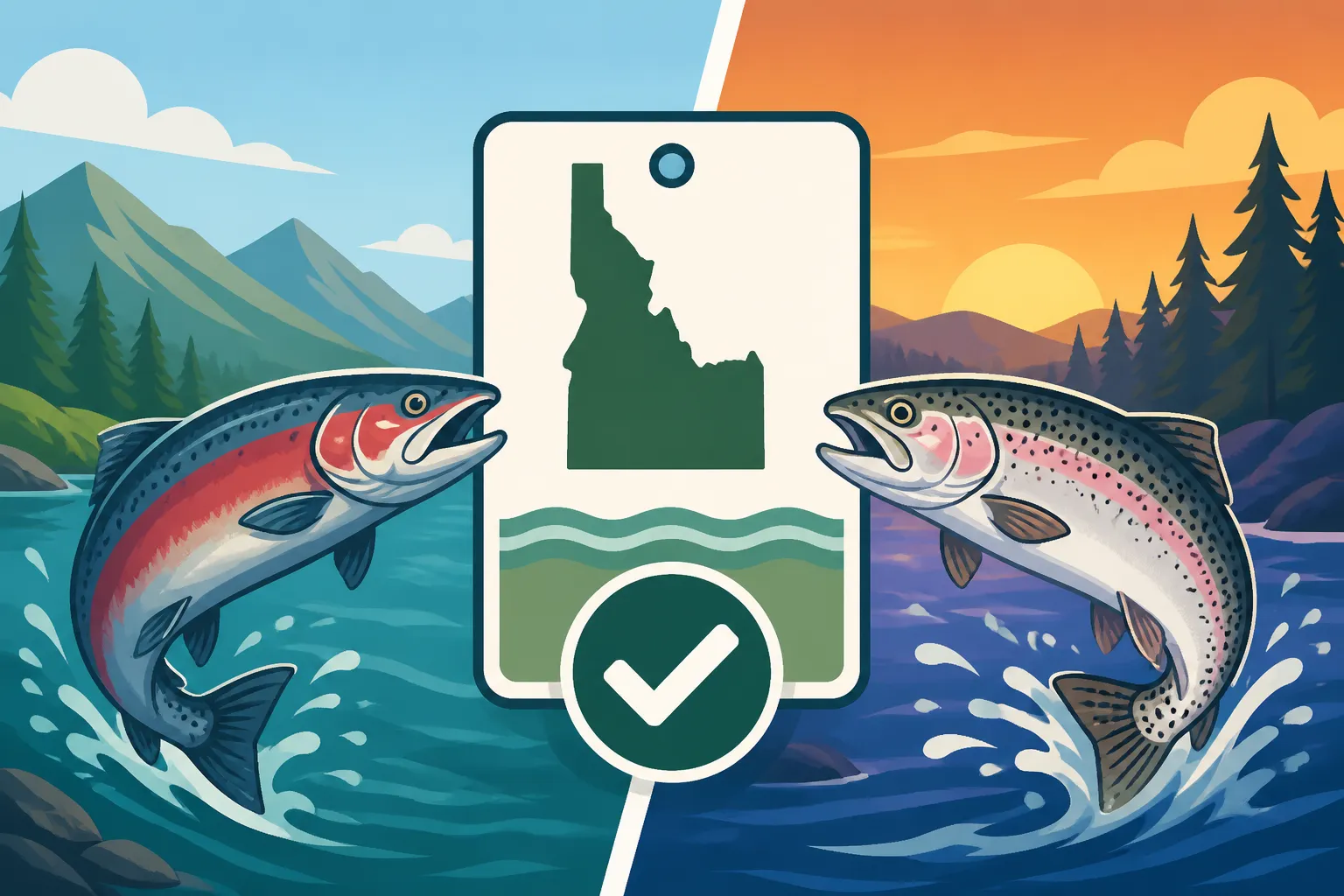
Can One Permit Cover Both Salmon and Steelhead in Idaho?
It's a common, and frankly, completely understandable, point of confusion for so many anglers eyeing Idaho's incredible rivers: do I need two separate permits to chase both those powerful steelhead and the elusive Chinook salmon? You're not alone in wondering if one special stamp covers both of these iconic anadromous fish. This guide is here to untangle those specific permit requirements, explaining exactly what you need to legally pursue both salmon and steelhead across the Gem State.
Understanding Idaho's Unique Anadromous Fish Permits
Idaho is a special place for anglers, offering opportunities to target species that undertake incredible journeys from the ocean back to their natal streams. But with great fishing comes specific regulations designed to protect these precious resources. When it comes to salmon and steelhead, the permit structure can seem a little intricate at first glance, but there’s a very good reason behind it.
Why Separate Permits Exist
The primary reason for separate permits for salmon and steelhead in Idaho boils down to two main factors: distinct biological needs and complex management strategies. While both are salmonids that migrate from the Pacific Ocean, they are different species with unique life cycles, run timing, and population dynamics. Steelhead, which are ocean-going rainbow trout, often return to spawn multiple times, whereas Chinook salmon are semelparous, meaning they spawn once and then die. This fundamental difference means they require tailored management approaches to ensure sustainable populations for future generations.
The Idaho Department of Fish and Game (IDFG) invests significant resources into monitoring, habitat restoration, hatchery programs, and regulating harvest for each species independently. These efforts, supported by the revenue from permit sales, are critical for maintaining healthy runs, especially considering challenges like dam passage and habitat degradation. If you're passionate about fishing for these incredible creatures, understanding that your permit fees directly contribute to their survival makes the system a little easier to appreciate. It's not just about a piece of paper; it's about contributing to a legacy of conservation.
The Specific Permits You'll Need
Let's cut right to it: yes, you will need separate permits if you intend to fish for both Chinook salmon and steelhead in Idaho. These are specialized endorsements that you purchase in addition to your base Idaho fishing license. Think of your fishing license as your entry ticket to fish in Idaho generally, and these permits as specific passes for certain "special attraction" fisheries.
First, you'll need a valid Idaho Fishing License Guide. This is non-negotiable for almost all anglers over the age of 14, whether you're a resident or a nonresident. Once you have that, you then look at the additional endorsements. For steelhead, you’ll need an Idaho Steelhead Permit. This permit allows you to legally target and harvest steelhead during their open seasons. Then, for Chinook salmon, you'll need an Idaho Chinook Salmon Season Permit. This separate permit is required for any angler, regardless of age, who wishes to fish for Chinook salmon. It’s important to understand that these permits are issued seasonally and might have specific validation periods. Always check the current year’s regulations, which are usually outlined in the official IDFG brochure or on their website.
Navigating the Regulations for Salmon and Steelhead Fishing
Understanding that you need separate permits is just the first step. The real trick is knowing when and where those permits apply, and how to stay on the right side of the Idaho fishing rules. Idaho's anadromous fisheries are incredibly dynamic, with regulations changing not just by the season, but sometimes by the week or even by river section, all based on fish returns and conservation needs.
When and Where These Permits Apply
The Idaho Salmon and Steelhead Permit Explained outlines that these permits are specific to the waters where these anadromous fish are found. Generally, you're looking at the Clearwater River, the Salmon River, and parts of the Snake River and their tributaries, particularly in the central and northern parts of the state. These are the main migration corridors and spawning grounds for both steelhead and Chinook.
However, it's crucial to understand that the seasons for each species are distinct. Steelhead often have a fall and spring run, while Chinook salmon typically have a summer run, though specific timing can vary. For example, you might be fishing the lower Clearwater River in the fall with your steelhead permit, but then need your Chinook salmon permit if you decide to target summer Chinook on the Salmon River several months later. Furthermore, specific river sections can have unique rules, including catch-and-release-only sections, bait restrictions, or even closures. This is why always having the most current Idaho Fishing Regulation Brochure and Proclamation on hand (or a digital copy on your phone) is not just a good idea, it's absolutely essential. Ignorance of the rules, as they say, is no excuse, and wardens take these regulations very seriously for the health of the fishery.
The Cost Implications of Multiple Permits
Layering multiple permits on top of your base fishing license certainly adds to the overall cost of an Idaho fishing adventure. For residents, the annual fishing license is a modest investment, and then you add the individual salmon and steelhead permits. For nonresidents, the costs naturally go up, reflecting the out-of-state angler's contribution to Idaho's fish and wildlife management.
Let's consider an example: an Idaho resident planning to fish for both steelhead and Chinook salmon in a given year would first purchase their Idaho Resident Annual Fishing License. Then, if they plan to hit the fall steelhead run, they'd buy the Idaho Steelhead Permit. If they later decide to pursue summer Chinook, they'd need to purchase the Idaho Chinook Salmon Season Permit. Each of these is a separate fee. The same applies to a nonresident, who would first secure their Idaho Nonresident Annual Fishing License before adding the species-specific permits. While the costs might seem to add up, remember that these fees are directly channeled back into supporting the very fisheries you're enjoying. Without these funds, the conservation and management efforts wouldn't be possible, and the opportunities to catch these magnificent fish might diminish.
Here's a simplified look at the permit structure and general costs for 2024 (always verify current prices on the IDFG website, as they can change):
| Permit Type | Resident (Annual) | Nonresident (Annual) | What it Covers |
|---|---|---|---|
| Idaho Fishing License | ~$30.50 | ~$105.00 | General fishing for most species in Idaho waters. |
| Idaho Steelhead Permit | ~$15.50 | ~$31.00 | Allows targeting and keeping steelhead (if allowed). |
| Idaho Chinook Salmon Permit | ~$15.50 | ~$31.00 | Allows targeting and keeping Chinook salmon (if allowed). |
| Access/Depredation Fee | ~$5.00 | ~$10.00 | Required if you purchase a license/permit for certain species (e.g., salmon/steelhead). |
Note: These prices are estimates for annual permits and do not include agent fees. Daily or short-term licenses for nonresidents might have different permit add-on structures.
As you can see, for a dedicated angler wanting to chase both species, the combined cost, while not exorbitant, is definitely a factor in planning your budget.
Practical Advice for Anglers Targeting Both Species
Fishing in Idaho is an experience, and preparing for it properly, especially when targeting prized species like salmon and steelhead, can make all the difference. Beyond simply having the right permits, there are strategic ways to approach your trip to ensure you're compliant and maximizing your chances of success.
Planning Your Trip to Optimize Permits
Since you now know that you need separate permits for salmon and steelhead, thoughtful trip planning becomes even more important. You might choose to specialize, focusing entirely on a How to Fish for Steelhead in Idaho trip in the spring, or dedicating a different part of the year to chasing Chinook salmon. If you're a multi-species angler, consider the peak seasons for each. For instance, the prime When Idaho Steelhead Season Starts Each Year might be in the fall or spring on rivers like the Clearwater, while the Idaho Chinook Salmon Season Length Compared to Steelhead Season is typically centered around summer.
For serious anglers or those planning a longer stay, consolidating your trips can make the most sense. If you're coming from out of state, purchasing an annual nonresident fishing license and both species permits might be more economical than multiple short-term licenses and permits if you plan on visiting Idaho more than once a year. When you're packing your gear, having a dedicated fishing vest with plenty of pockets helps keep your license, permits, and a copy of the regulations organized and easily accessible. Many anglers find durable, waterproof cases on sites like Amazon helpful for protecting their crucial documents from the elements.
Common Mistakes and How to Avoid Them
It’s easy to make a mistake when regulations are as detailed as they are for Idaho's anadromous fish. One of the most common, and unfortunately, most costly errors is simply fishing without the correct permit. Imagine landing a beautiful steelhead only to realize your permit expired or you never bought one for that species – it could lead to significant fines and forfeiture of your catch. Always double-check your permits before you even leave home.
Another frequent pitfall is confusing the two species, especially if you're relatively new to salmonid identification. While adult Chinook are typically larger and have a different mouth structure compared to steelhead, in certain stages or in unfamiliar waters, identification can be tricky. Knowing How to Tell a Hatchery Steelhead from a Wild One in Idaho is also critical, as wild steelhead must be released unharmed. If you're ever in doubt about the species or whether you're allowed to keep it, err on the side of caution. Release the fish gently, or consult your regulation brochure immediately. You can find detailed guides on fish identification online or in fishing books available on Amazon, which can be invaluable resources.
Finally, relying on outdated information is a recipe for disaster. Idaho's fish and game regulations are not static. They can change due to fish returns, environmental conditions, or management decisions. Always consult the official Idaho Fish and Game website or pick up a printed copy of the current regulations at a local sporting goods store or IDFG office. A quick check of the daily Idaho Catch Limits and Bag Limits Explained and specific rules for your chosen water body can prevent a costly misunderstanding.
The Future of Salmon and Steelhead Management in Idaho
The intricate permit system and constantly updated regulations might feel like a lot to keep track of, but they are all part of a larger, critical effort to sustain these incredible fisheries. The long-term health of Idaho's salmon and steelhead populations depends on every angler's understanding and compliance.
Conservation Efforts and Their Impact on Permits
The funds generated from the sale of Idaho Steelhead Bag Limits and Chinook salmon permits directly support vital conservation work. This includes ongoing scientific research to better understand fish populations, habitat restoration projects that improve spawning and rearing grounds, and hatchery operations that supplement wild runs, particularly for steelhead. These efforts are often focused on overcoming significant challenges, such as ensuring safe passage for migrating fish past hydroelectric dams on the Snake and Columbia Rivers, and protecting water quality in their freshwater habitats.
When you purchase a permit, you're not just buying the right to fish; you're actively participating in the future of these species. Each permit contributes to programs designed to mitigate the impact of human activity and natural changes, striving to ensure that future generations of anglers can also experience the thrill of hooking an Idaho steelhead or Chinook. This collective responsibility is what keeps these iconic fish swimming in Idaho's rivers.
Potential Changes and Staying Informed
Given the dynamic nature of anadromous fish populations and the environments they inhabit, it’s a near certainty that Idaho's fishing regulations for salmon and steelhead will continue to evolve. Factors like ocean conditions, snowpack levels, river temperatures, and annual fish returns all play a role in determining season lengths, bag limits, and specific area closures. It's not uncommon for emergency closures or openings to be announced mid-season if fish numbers are significantly different than projected.
To avoid any unwelcome surprises, active engagement with the Idaho Department of Fish and Game is paramount. Their website is a comprehensive resource, often updated with the latest news, season projections, and regulation changes. Subscribing to their email newsletters or following their social media channels can provide real-time updates directly to you. Local tackle shops and guides are also fantastic sources of current information, often having their ears to the ground regarding the most recent changes and fishing conditions. Always do your due diligence before heading out; a few minutes of checking the latest rules can save you a lot of grief and ensure a more enjoyable, ethical fishing experience.
Disclaimer
Please note that fishing regulations, including permit requirements, seasons, and bag limits, can change frequently. This guide is intended for informational purposes only and should not be considered a substitute for the official Idaho Department of Fish and Game regulations. Always consult the most current Idaho fishing regulations brochure and the IDFG website before engaging in any fishing activities.