Do You Need a Separate Permit to Fish for Chinook Salmon in Idaho?
It can be incredibly confusing trying to figure out all the permits and licenses needed for fishing in Idaho. You've got your general fishing license, sure, but then there's talk of special permits for certain fish, leaving many anglers scratching their heads, especially when it comes to coveted species like Chinook salmon. This guide is here to untangle that confusion, walking you through exactly when and why you need a separate permit to chase after those impressive Idaho Chinook salmon, and how to make sure you're always fishing legally.
Understanding Idaho's Fishing Permit System
Before we dive specifically into Chinook salmon, it’s helpful to understand the overall structure of Idaho's fishing regulations. It’s not just about buying one piece of paper and being done with it; Idaho's system is designed to manage diverse fisheries, from resident trout in mountain lakes to migratory salmon and steelhead returning from the ocean. This layered approach ensures sustainable populations and provides opportunities for anglers targeting specific, often sensitive, species.
The General Fishing License: Your Baseline Requirement
Think of your general Idaho fishing license as your entry ticket to the vast majority of Idaho's waters. Whether you're casting for trout in a high mountain lake, targeting bass in a reservoir, or pulling perch through the ice, this license is your foundational requirement. It covers a huge range of species and locations, and it's essential for virtually every angler aged 14 and older. You can learn all about it in our comprehensive Idaho Fishing License Guide. This initial license fee helps fund conservation efforts, habitat restoration, and the Idaho Department of Fish and Game's operational costs. Without it, you can't really begin to fish legally in Idaho, regardless of what species you're pursuing.
However, a general license doesn't give you carte blanche for every single fish species out there, especially those with complex life cycles or those facing specific conservation challenges. This is where special permits come into play, adding another layer of management to ensure that certain fisheries remain healthy and productive for generations to come. Many people find it easiest to buy their licenses and permits online through the Idaho Department of Fish and Game website, or at authorized vendors like many sporting goods stores, much like you might grab some last-minute gear from a major online retailer like Amazon.
Why Special Permits Exist for Anadromous Fish
Special permits, like the one for Chinook salmon, are primarily a tool for managing anadromous fish – those species that hatch in freshwater, migrate to the ocean to grow, and then return to freshwater to spawn. In Idaho, the most prominent anadromous species are Chinook salmon and steelhead. These fish undertake incredible journeys, facing numerous challenges from dams to fluctuating ocean conditions, making their populations particularly vulnerable and requiring careful monitoring.
The separate permit serves several critical functions. Firstly, it allows the Idaho Department of Fish and Game to gather specific data on harvest rates for these particular species. By requiring a permit and an associated catch record card, they can track how many fish are being caught, from which rivers, and during what seasons. This data is invaluable for setting future bag limits, adjusting season dates, and implementing other management strategies. Secondly, the additional revenue generated from these permits is often earmarked specifically for programs directly benefiting these anadromous fisheries, such as hatchery operations, habitat improvement projects, and scientific research. Without these targeted permits, managing these unique and vital fisheries would be significantly more challenging.
The Idaho Chinook Salmon Permit: What You Need to Know
Alright, let's get down to brass tacks about the Chinook salmon permit. Yes, if you plan on targeting and retaining Chinook salmon in Idaho, you absolutely need a separate permit in addition to your valid general fishing license. This isn't just a suggestion; it's a legal requirement designed to protect and manage these incredible fish.
When and Where the Chinook Permit Applies
The Idaho Chinook Salmon Permit is specifically required for fishing for spring and summer Chinook salmon in designated rivers where a season is open. It’s not a year-round, statewide permit for all salmon species or all waters. Idaho's Chinook salmon fisheries are highly regulated and often limited to specific river systems and timeframes, typically the Clearwater River, Snake River, and portions of the Salmon River. The season length and specific rules can vary drastically year to year and river to river, depending on fish returns and conservation goals.
For example, a strong return might lead to a longer season or higher bag limits in one section of the Clearwater River, while a weaker return could mean a very short, restrictive, or even closed season on another river. It's paramount to check the most current Idaho Fishing Regulation Brochure and Proclamation issued by the Idaho Department of Fish and Game before you head out. These brochures provide detailed, up-to-the-minute information on open waters, season dates, and any specific gear restrictions. The Chinook permit is all about managing these very specific, highly anticipated runs, ensuring that enough fish make it to their spawning grounds.
How the Permit Differs from a Steelhead Permit
While both Chinook salmon and steelhead are anadromous fish requiring separate permits, it's crucial to understand that the Idaho Chinook Salmon Season Permit is distinct from the Idaho Salmon and Steelhead Permit. Even if you've purchased a steelhead permit, you will still need a separate Chinook permit if you intend to fish for Chinook salmon when a season is open. These are two different stamps, serving two different management objectives, though they both fall under the umbrella of managing migratory fish.
The Steelhead Permit typically covers both A-run and B-run steelhead seasons, which often span much longer periods through the fall, winter, and spring. The Chinook permit, conversely, is for the shorter, more intense spring and summer Chinook runs. The cost for each permit is also different. For instance, you might have already paid for your annual steelhead permit for the year, but if a Chinook season opens, you'll need to go back and purchase the specific Chinook permit. It’s an extra step, yes, but it ensures that the funds and data collected are directly tied to the management of each specific species. You can find detailed cost information in our Idaho Salmon and Steelhead Permit Cost guide.
Catch Record Cards and Reporting Requirements
Attached to your Chinook salmon permit, or issued alongside it, will be a Idaho Catch Record Card Requirements. This isn't just a souvenir; it's a vital component of Idaho's fisheries management strategy. The card requires you to immediately record every Chinook salmon you catch, whether you keep it or release it. You'll note the date, location (often a specific river section), and whether it was a harvested or released fish.
Why is this so important? Because these cards provide real-time data on fishing pressure and harvest success. This information directly informs the Idaho Department of Fish and Game's decisions regarding season extensions, closures, or modifications. For example, if anglers are reaching harvest limits faster than anticipated, a season might be shortened to ensure sufficient escapement for spawning. At the end of the season, or if you stop fishing for Chinook, you are legally required to return your catch record card to the Idaho Department of Fish and Game, even if you didn't catch any fish. Failing to return your card, or inaccurately filling it out, can result in fines and impact future fishing opportunities, so treat it with the seriousness it deserves.
Navigating the Purchase Process and Staying Compliant
So, you're ready to hit the water for Chinook. Now that you know you need that permit, how do you get it, and what else should you consider to make sure your trip is seamless and legal? It’s not just about the permit itself, but also understanding the broader regulatory landscape.
Where to Acquire Your Chinook Salmon Permit
Obtaining your Chinook salmon permit is thankfully a straightforward process, just like acquiring your general fishing license. The easiest and most convenient method for most people is to purchase it online through the Idaho Department of Fish and Game's licensing system. Their website is user-friendly and allows you to print your permit immediately, which is super handy if you decide to go fishing last minute. You can learn more about how to do this in our How to Buy an Idaho Fishing License Online guide.
Alternatively, you can purchase the permit in person at any authorized Idaho Department of Fish and Game license vendor. These include many sporting goods stores, convenience stores, and tackle shops located throughout the state. Places like Cabela's, Sportsman's Warehouse, or even smaller local shops often act as vendors. Buying in person can be a great way to also get local fishing reports and advice from folks who are on the water regularly. Just make sure you bring your current Idaho fishing license number or ID with you. Always ensure you have both your general fishing license and your Chinook salmon permit physically with you while fishing, or easily accessible on an approved digital format.
Essential Gear and Regulatory Considerations
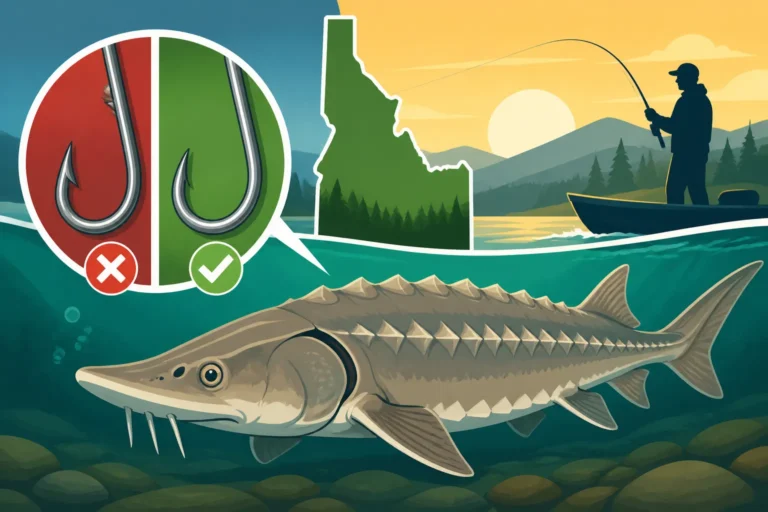
Beyond just the permit, fishing for Chinook salmon in Idaho often involves specific gear and adherence to strict regulatory nuances. For instance, depending on the river and specific regulations, there might be requirements for barbless hooks. This is often the case in sensitive fisheries or for catch-and-release portions of a season, designed to minimize harm to fish. You can often find a good selection of specialized hooks on sites like Amazon, ensuring you're compliant before you even hit the river.
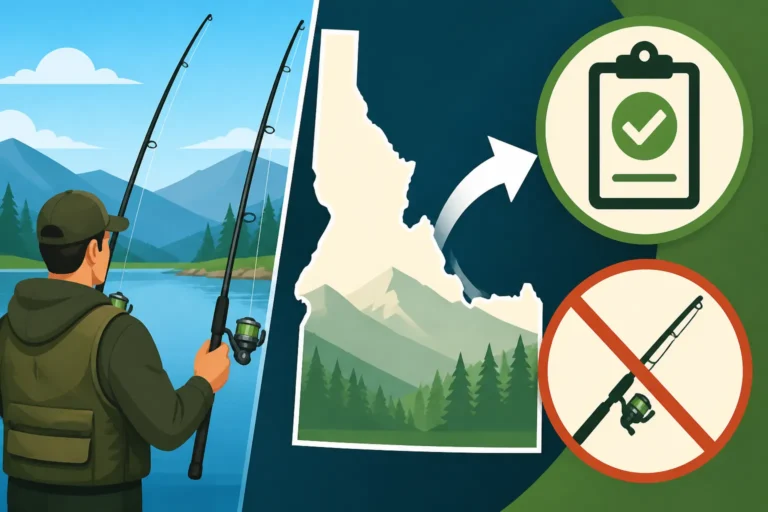
Also, be mindful of gear restrictions that might dictate the type of bait or lures you can use, or even the number of rods allowed. For example, some sections of rivers might be fly-fishing only, or prohibit the use of live bait. Always refer to the current Idaho Fishing Regulations Explained before your trip. These detailed rules are in place to manage fishing pressure and protect fish populations. Ignoring these specific regulations, even if you have your permit, can still lead to fines or citations. A little bit of homework before you go can save you a lot of hassle and ensure a more enjoyable, stress-free fishing experience.
Beyond the Permit: Understanding Chinook Seasons and Limits
Having your permit in hand is just the first step. To be a successful and responsible Chinook angler, you need a deep understanding of the dynamic seasons and strict catch limits that govern these fisheries. This isn't like fishing for common panfish; Chinook salmon management is complex and ever-changing.
Seasonal Variations and River-Specific Rules
Chinook salmon seasons in Idaho are notoriously dynamic and can change frequently, sometimes even mid-season. They are primarily driven by fish returns to specific river systems and are carefully managed to ensure sufficient numbers of fish reach spawning grounds. These seasons are typically short, intense, and often occur in late spring and summer. For example, the season on the Lower Clearwater River might open earlier and close sooner than a season further up the Salmon River. These variations are due to run timing, river conditions, and specific management objectives for each area.
It's absolutely critical to consult the most recent Idaho Fish and Game regulations for the specific river or river section you plan to fish. You'll find detailed information on Idaho Fishing Season Dates and Limits for all species. A season might be open on the mainstem Snake River but closed on its tributaries, or vice-versa. Sometimes, fishing for Chinook might only be allowed from specific hours of the day, or on certain days of the week. These are not arbitrary rules; they are scientifically determined to protect fish populations and ensure the long-term viability of the fishery. Relying on outdated information or word-of-mouth can easily lead to violations.
Daily and Season Limits for Chinook Salmon
Once you're on the water with your permit and the season is open, you must strictly adhere to the Idaho Catch Limits and Bag Limits Explained. For Chinook salmon, these limits are typically very conservative. You might find a daily bag limit of one or two hatchery Chinook, with a total season limit that's also quite low. The distinction between hatchery and wild Chinook is often crucial; wild Chinook are almost always catch-and-release only, identifiable by an intact adipose fin. Hatchery fish will have their adipose fin clipped. You can find more information about How to Tell a Hatchery Steelhead from a Wild One in Idaho – the principle is similar for Chinook.
The season limit is cumulative across all open waters. This means that if the season limit is four Chinook salmon, once you've kept four fish from any combination of rivers throughout the season, you are done fishing for Chinook for that year, even if other rivers remain open. It’s vital to mark your catch record card immediately upon retaining a fish to avoid accidentally exceeding your limit. Over-harvesting, even by one fish, can result in significant fines and penalties, and more importantly, it directly harms the fragile Chinook population. Understanding and respecting these limits is fundamental to ethical angling and conservation in Idaho.
Disclaimer
Please remember that fishing regulations, season dates, and permit requirements are subject to change at any time. While this guide provides comprehensive information, it is not a substitute for the official Idaho Department of Fish and Game regulations. Always consult the current Idaho Fishing Regulation Brochure and Proclamation before heading out to fish.