What a Typical Day Looks Like on a Guided Salmon River Float
Thinking about a guided float trip on Idaho's legendary Salmon River often sparks images of epic fish battles and stunning scenery, but the practicalities of what a day actually looks like can feel a bit mysterious. You might wonder when you'll meet your guide, what kind of fishing you'll do, or even what to bring. This comprehensive guide will pull back the curtain on a typical day on a guided Salmon River float, helping you prepare for an unforgettable adventure on one of Idaho's most iconic waterways.
The Dawn of Adventure: Meeting Your Guide and Gearing Up
The magic of a Salmon River float trip often begins before the sun fully clears the mountain peaks. It’s a bit like a covert operation, but with more coffee and excitement. Your guide is typically up well before you, making sure the drift boat or raft is ready, the gear is meticulously organized, and the coffee is brewing.
Pre-Trip Preparations and First Contact
Before you even meet, the foundation for a successful day is laid. You'll likely have confirmed details with your guide a day or two prior, covering things like meeting time, location, and any specific gear requests or dietary needs. Most Salmon River float trips start early, often with a rendezvous point in a nearby town like Riggins or Salmon, or directly at a designated boat launch. Expect to meet your guide around 6:00 AM or 7:00 AM, depending on the season and the specific stretch of river you'll be fishing. This early start capitalizes on the often-cooler morning temperatures and the fish's active feeding periods.
When you first meet, your guide will usually have their vehicle or a designated shuttle vehicle already packed with the boat and all necessary equipment. It’s more than just a quick handshake; it’s your chance to ask any last-minute questions, get a feel for the day's plan, and for the guide to gauge your experience level and expectations. They might talk about the water conditions, recent catch reports, or what species they anticipate targeting. Don't be shy about sharing your preferences – whether you're hoping for a trophy fish, looking to learn new techniques, or simply want a relaxing day on the water. Many anglers find their guides through platforms like FishingBooker, where they can read reviews and get a sense of the guide's style before even meeting them.
Getting Kitted Out: Gear and Safety Briefing
Once introductions are done, it's time to get ready for the river. Most reputable Salmon River guides provide the majority of the fishing gear you'll need, including rods, reels, terminal tackle, and bait or lures. This is a huge benefit, as specialized gear for species like steelhead or Chinook salmon can be expensive and cumbersome to travel with. However, you'll still be responsible for personal items like your Idaho Fishing License Guide (which is non-negotiable), appropriate layered clothing, sunscreen, sunglasses, a hat, and any personal medications. Waterproof bags are often provided by the guide for your valuables.
Before stepping into the boat, your guide will conduct a thorough safety briefing. This isn't just a formality; it's crucial for your well-being on the river. They'll cover topics such as:
- P.F.D. (Personal Flotation Device) Use: How to properly wear and adjust your life vest. Even if you're a strong swimmer, PFDs are mandatory or highly recommended, especially in sections of the Salmon River known for its lively rapids.
- Boat Etiquette: Where to sit, how to move around safely, and what to do if the boat encounters rough water. Remember, these are working boats, and stability is key.
- Casting Space: How to maintain awareness of other anglers in the boat when casting, to avoid hooks in unintended places.
- Emergency Procedures: What to do in the unlikely event of a capsize or other emergency. This might sound intimidating, but a good guide ensures you're prepared without being overly alarmed.
This is also an opportune time for the guide to explain how the day will flow, what types of fishing methods you'll be using, and how they handle things like catch-and-release versus keeping fish, in accordance with Idaho Catch Limits and Bag Limits Explained. For example, if you're targeting steelhead, they'll likely explain the rules around identifying hatchery vs. wild fish, as wild steelhead are almost always catch-and-release only.
On the Water: Floating, Fishing, and Experiencing the Salmon River
With the preparations complete, the moment you've been waiting for arrives: launching the boat onto the legendary Salmon River. This isn't just about getting from point A to point B; it's about immersing yourself in one of Idaho's most spectacular natural environments.
The Journey Downstream: Floating and Scenic Views
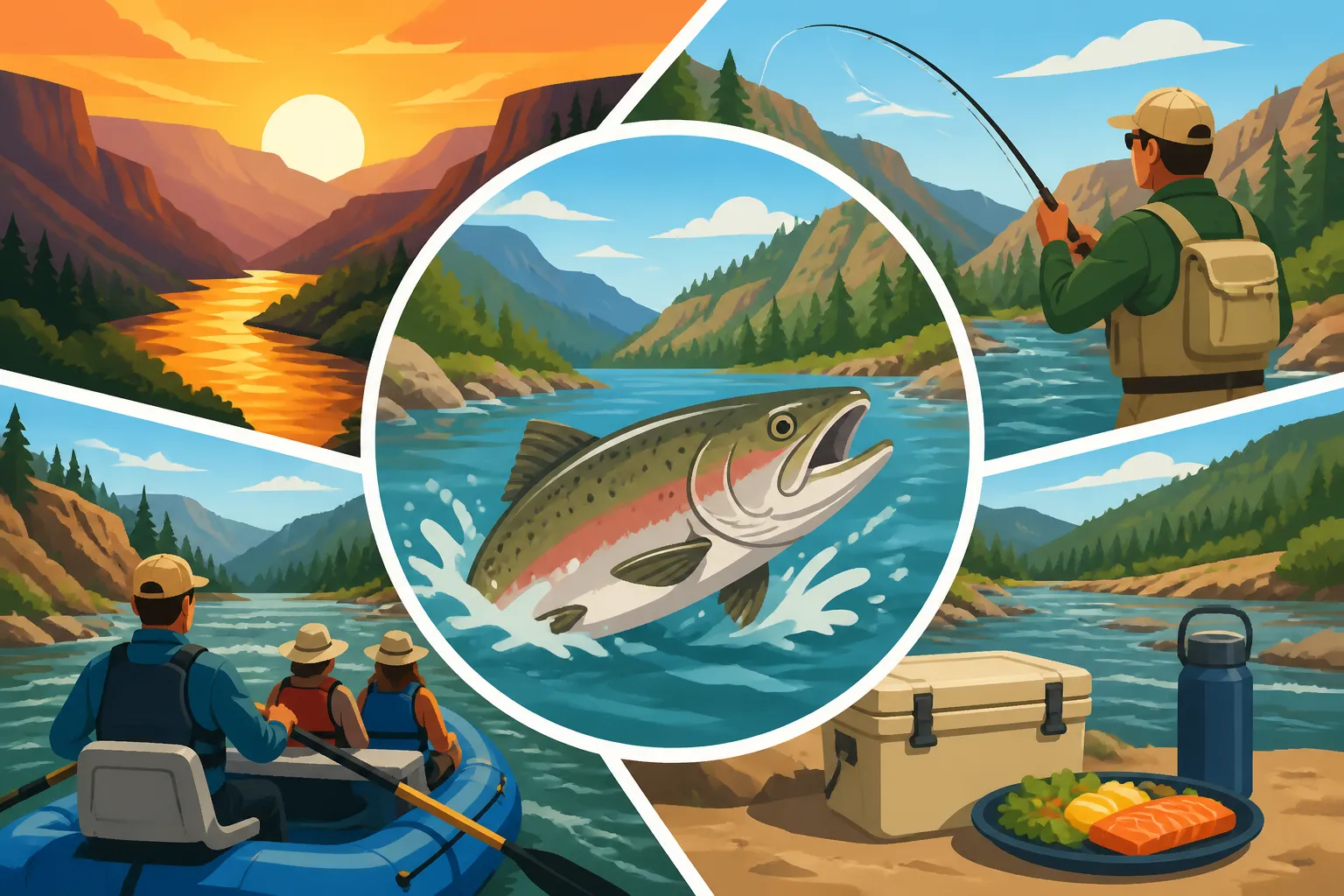
As your guide expertly maneuvers the drift boat or raft into the current, you'll immediately feel the rhythm of the river. The Salmon River, often called "The River of No Return," lives up to its name with its untamed beauty and powerful flow. While the primary goal is often fishing, the float itself is an incredible experience. You'll glide past towering canyon walls, dense conifer forests, and pristine gravel bars. The sounds of the river, the calls of osprey and eagles overhead, and the occasional glimpse of deer, elk, or even a bear on the banks create an unforgettable wilderness soundtrack.
Your guide won't just be rowing; they'll be your naturalist for the day, pointing out landmarks, sharing local history, and identifying wildlife. This quiet time on the water is perfect for soaking it all in, chatting with your companions, and perhaps snapping some incredible photos. The pace of the float varies – some sections are faster, requiring more active rowing from the guide, while others might be slower, allowing for longer drifts through prime fishing holes. Every bend in the river brings a new vista, a new current, and a new opportunity for adventure. It's often during these quieter stretches that you truly appreciate the scale and wildness of Idaho.
Angling Action: Techniques and Target Species
Now for the main event: the fishing! On the Salmon River, the target species often dictate the season and the techniques. You could be chasing hard-fighting steelhead, powerful Chinook salmon, or native cutthroat trout. Fishing the Salmon River for Steelhead and Chinook is a popular draw, and your guide is an expert at putting you in the best position for success.
A typical day will involve a variety of techniques, often adapted by your guide based on the water conditions and fish activity:
- Drift Fishing: This is a hallmark technique for steelhead and salmon. Your guide will position the boat to allow your bait (roe, worms, or soft plastics) or lure (jigs, small plugs) to drift naturally with the current, mimicking free-floating food. You'll learn to "read the water" – identifying seams, riffles, and pools where fish are likely holding.
- Casting Lures/Plugs: In certain stretches, casting spinners, spoons, or diving plugs from the boat can be highly effective, especially for aggressive salmon or larger trout. Your guide will teach you the proper casting techniques and retrieval methods.
- Bobber Dogging: A specific steelhead technique where a weighted offering (like a jig or bait) is suspended under a large bobber and allowed to "dog" the bottom as the boat drifts. This method is incredibly effective for covering water and detecting subtle bites.
- Fly Fishing: While some Salmon River float trips focus on gear fishing, many guides also specialize in fly fishing, particularly for trout or during specific steelhead runs. You might be casting large streamers, nymphs, or even dry flies depending on the conditions and target species. How to Fish for Steelhead in Idaho often involves a blend of these methods.
Your guide will provide constant instruction and feedback, helping you refine your cast, detect subtle bites, and properly set the hook. They'll also handle the net work, ensure safe fish handling, and provide insights into fish behavior. It's a hands-on learning experience where even seasoned anglers can pick up new tricks.
Mid-Day Recharge: Riverside Lunch and Breaks
Fishing can be exhilarating, but it's also active, and you'll work up an appetite. Around midday, your guide will typically pull the boat over to a scenic gravel bar or sandy beach for a well-deserved lunch break. This isn't just a quick bite; it's often a highlight of the trip. Most guides come prepared with a delicious and substantial lunch, usually including sandwiches, wraps, salads, fresh fruit, chips, and plenty of cold drinks. Think of it as a wilderness picnic with a million-dollar view.
This break offers a chance to stretch your legs, share stories from the morning's fishing, and simply relax by the river. It's also a great opportunity to connect more deeply with your guide, asking questions about their experiences, the river, or Idaho in general. Some guides even bring along a portable grill to cook up fresh burgers or hot dogs, adding another layer to the experience.
After lunch, there might be a short period of relaxation before heading back onto the water. This break helps to re-energize everyone for the afternoon's fishing efforts.
The Afternoon Push and Homeward Bound
As the sun begins its descent, casting longer shadows across the canyon, the afternoon on a guided Salmon River float trip often brings renewed energy and a strategic shift in fishing.
Continued Fishing and Changing Tactics
The afternoon session builds on the morning's efforts, often with a slight change in pace or technique. Fish behavior can shift with the changing light and temperature, and a skilled guide will adapt accordingly. You might revisit productive spots from the morning, or explore entirely new sections of the river. If the bite was slow on one presentation, your guide might switch to a different lure, bait, or fly pattern. They might suggest a different drift technique or focus on a particular type of water structure, like deeper pools or faster riffles, that becomes more productive as the day progresses.
For instance, if you were nymphing for trout in the morning, the guide might suggest trying streamers in deeper pockets as trout become more aggressive later in the day. If steelhead were shy of a drifted bait, perhaps back-trolling plugs or using a different color jig will entice a bite. This adaptability is one of the key advantages of a guided trip – you benefit from your guide's years of experience and intimate knowledge of the river.
The afternoon can be a prime time for landing larger fish, as many species feed actively before evening. The excitement remains high, and the anticipation of that next strike keeps everyone engaged. This part of the day is often characterized by a strong push to maximize fishing opportunities before reaching the take-out.
The Take-Out and Farewell
As the planned duration of your trip draws to a close, your guide will begin to navigate towards the designated take-out point. This is usually a well-maintained public boat ramp or access point, often miles downstream from where you started. The take-out process is as efficient as the launch: boats are carefully pulled from the water, gear is packed away, and any fish you're keeping are prepared for transport.
This is a time for reflection on the day's adventures. You'll likely be sharing stories of the fish caught (and lost!), the breathtaking scenery, and the camaraderie of the river. Before you part ways, your guide will typically take care of cleaning any fish you're bringing home, often filleting them and packaging them in bags for you. They'll also provide instructions on where to dispose of any waste and ensure you have all your personal belongings.
A crucial part of ending any guided trip is expressing your appreciation. Idaho Fishing Guide Tipping and Etiquette is an important consideration. While not mandatory, tipping your guide is customary and a direct way to acknowledge their hard work, expertise, and dedication to ensuring you had a great experience. A typical gratuity is based on the quality of service and your overall satisfaction. Before you head home, you might chat about future trips or recommend them to friends. Many guides book repeat clients year after year, testament to the relationships they build on the water.
Making the Most of Your Guided Salmon River Float Trip
A guided trip on the Salmon River is an investment in an experience, not just a day of fishing. To truly maximize the value and enjoyment of your adventure, there are a few things to keep in mind.
Communication is Key
From the moment you begin looking into booking your trip, whether through a service like FishingBooker or directly with an outfitter, clear communication is paramount. Don't hesitate to articulate your goals and expectations for the day. Are you a beginner hoping to learn the basics? An experienced angler looking for a trophy? Do you have any physical limitations? The more your guide knows about you and your party, the better they can tailor the trip to your preferences.
During the day, continue that open dialogue. If you're cold, hot, hungry, or need a break, speak up! Guides are there to ensure your comfort and enjoyment. If you're struggling with a particular casting technique, ask for more instruction. If you're curious about the local wildlife or history, encourage your guide to share their knowledge. This isn't just about catching fish; it's about building a connection with the river and with the person leading your adventure. Good communication ensures everyone is on the same page and helps avoid any misunderstandings, leading to a smoother and more enjoyable outing.
Embracing the Experience
While catching fish is often a primary motivation, a guided Salmon River float trip offers so much more. It's an opportunity to disconnect from the hustle of daily life and reconnect with nature. The Salmon River is a wild and powerful place, and simply being on its waters, surrounded by its rugged beauty, is a profound experience in itself.
Embrace the quiet moments between bites, marvel at the geological formations, and watch for the incredible array of wildlife. Sometimes the fishing can be challenging, but even on slower days, the scenery, the stories, and the camaraderie with your guide and fellow anglers make it worthwhile. Think of it as an immersive outdoor education, a scenic tour, and a fishing expedition all rolled into one. Come prepared to learn, to relax, and to be amazed by one of Idaho's most treasured natural wonders. You might just find yourself planning your next Idaho Fishing Trip Around the Season before you even leave the river!
Typical Salmon River Float Trip Timeline
To give you a clearer picture, here's a rough breakdown of what your day might look like. Keep in mind that times are approximate and can vary based on the guide, the river section, the season, and fish activity.
| Time Slot | Activity | Details |
|---|---|---|
| 6:00 – 7:00 AM | Meet & Greet / Setup | Meet guide at designated spot (e.g., local coffee shop, boat launch). Finalize paperwork, safety briefing, load personal gear, discuss day's plan. |
| 7:00 – 7:30 AM | Launch Boat / Begin Float | Launch drift boat/raft. First few minutes are usually spent getting oriented, brief instruction on casting/technique as you begin to drift. |
| 7:30 AM – 12:00 PM | Morning Fishing Session | Active fishing, drifting through various holes, runs, and riffles. Guide provides instruction, reads water, and adjusts tactics based on conditions. Breaks for bathroom as needed. |
| 12:00 – 1:00 PM | Riverside Lunch Break | Pull over to a scenic beach or gravel bar. Enjoy a hearty packed lunch, cold drinks, and a chance to stretch legs and relax. |
| 1:00 – 4:30 PM | Afternoon Fishing Session | Resume fishing downstream. Guide may switch tactics, target different water, or focus on specific species if desired. Continued coaching and fish handling. |
| 4:30 – 5:00 PM | Prepare for Take-Out / Final Stretch | Final fishing in the last productive spots. Gear begins to be stowed. Guide navigates towards the take-out point, often reminiscing about the day's highlights. |
| 5:00 – 5:30 PM | Take-Out / Gear Unload | Arrive at the designated take-out ramp. Boat is pulled from the water, gear is unloaded and organized. Fish cleaning is often done at this time. |
| 5:30 – 6:00 PM | Farewell / Departure | Final thank yous, discussions about the day, settlement of any remaining logistics (like payment or tips), and departure from the river. |
This schedule provides a full day of adventure, balancing active fishing with moments of relaxation and appreciation for Idaho's incredible wilderness. A guided Salmon River float trip is truly one of the best ways to experience Idaho fishing.
Disclaimer
This article is for general informational purposes only and does not constitute professional advice. Laws, prices and regulations vary by location and change over time. Consult a qualified professional for guidance on your specific situation.