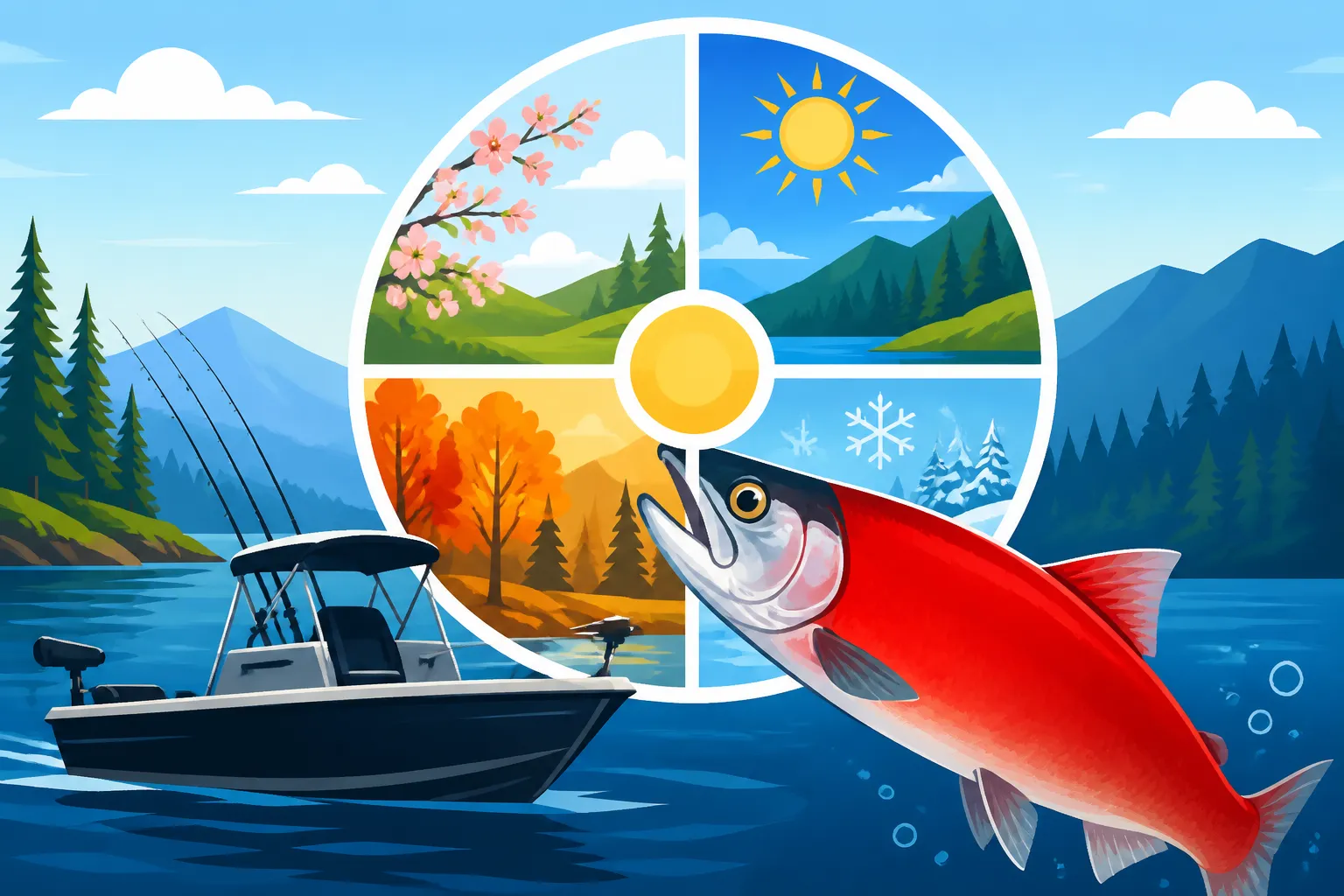
Best Time of Year to Book a Kokanee Charter on Lake Coeur d’Alene
There's nothing quite like the sparkle of Lake Coeur d'Alene on a crisp morning, rod in hand, hoping for that tell-tale tug of a feisty Kokanee salmon. But if you've ever tried to plan a fishing trip, you know the struggle is real: when is the absolute best time to book a charter to maximize your chances of success? It's a question many anglers ponder, wanting to hit that sweet spot when the fish are biting, the weather's agreeable, and the guides aren't completely booked solid. This guide will walk you through the nuances of the Kokanee season on Lake Coeur d'Alene, helping you pinpoint the ideal time to secure your charter and make those fishing dreams a reality.
Understanding the Kokanee Season on Lake Coeur d'Alene
Kokanee are a unique and beloved fish species in Idaho, often called "landlocked Sockeye salmon." They thrive in deep, cold lakes like Coeur d'Alene, but their behavior changes significantly throughout the year, which directly impacts when and how you can catch them. Knowing their patterns is the first step to timing your charter perfectly.
The Lifecycle and Habits of Lake Coeur d'Alene Kokanee
Kokanee in Lake Coeur d'Alene follow a fairly predictable annual cycle, heavily influenced by their natural instincts for feeding and spawning. For most of the year, these silver-sided beauties are primarily pelagic, meaning they roam the open water column, feeding on zooplankton. They are constantly on the move, chasing their food source, which can be found at different depths depending on light, water temperature, and plankton availability.
As the lake warms up in spring and summer, the Kokanee tend to follow the cooler water and their food deeper. In fall, as the water cools, they may disperse a bit more before eventually congregating near tributary mouths and spawning grounds. This pre-spawn period is when they become incredibly aggressive, though their meat quality might start to decline as they put all their energy into reproduction. Understanding this natural rhythm is crucial because a good charter captain will know exactly where to find them based on these seasonal shifts.
Impact of Water Temperature and Depth on Kokanee Activity
Water temperature is perhaps the single most important factor dictating where Kokanee will be found and how actively they feed. These cold-water fish prefer specific temperature ranges, usually in the mid-50s Fahrenheit.
- Spring (Ice-Out to Early June): As the ice comes off and the surface water begins to warm, Kokanee might still be relatively deep but will gradually start to move up in the water column as zooplankton blooms occur closer to the surface. They're hungry after winter and often found in the upper 20-40 feet. This can be a fantastic time for a charter because the fish are actively feeding and not yet pressured by heavy boat traffic.
- Summer (June to August): This is when Lake Coeur d'Alene stratifies, meaning it develops distinct layers of different temperatures. The warmer surface water pushes Kokanee into the cooler, deeper thermocline layer. During peak summer, you'll often find them anywhere from 40 to 100 feet deep, sometimes even deeper. Charters during this time rely heavily on downriggers and specialized trolling techniques to reach these depths. While the fish are consistently present, they might be a bit more scattered.
- Fall (September to October): As surface temperatures cool, the lake begins to "turn over," and the thermocline breaks down. Kokanee, especially the mature ones, start their migration toward spawning areas in anticipation of their lifecycle's end. This is a thrilling time for anglers as these fish become very active and aggressive, often hitting lures hard. However, catch and release rules or specific limits may apply to spawning fish, and their flesh quality can diminish. You can learn more about Idaho Kokanee Bag Limits in the regulations.
Prime Time for Booking: The Peak Windows
While you can technically fish for Kokanee throughout their active season, some periods stand out as truly exceptional for charter success. These are the windows when the fish are most cooperative, and the overall experience is typically fantastic.
Late Spring to Early Summer: The Action Heats Up
For many experienced Lake Coeur d'Alene Kokanee anglers and charter captains, the period from late May through June is often considered prime time. Why? A few key reasons:
First, the water temperatures are ideal. The lake has warmed enough to kickstart the plankton bloom, but it's not so warm that the Kokanee are pushed to extreme depths. They're often found in the 20-50 foot range, making them easier to target with a variety of trolling methods. They are typically feeding voraciously after the colder months, making them more aggressive hitters.
Second, the weather is usually fantastic. You get those glorious sunny Idaho days without the scorching heat of mid-summer, making for a much more comfortable day on the water. The lake is also less crowded than it will be later in the summer, offering a more serene fishing experience. Charters during this window can capitalize on the fish's active feeding, often resulting in good numbers of quality fish. It's truly a sweet spot for both angler comfort and fish activity. For detailed techniques, check out our Idaho Trolling Techniques Guide.
Mid-Summer: Consistent Action with Deeper Trolling
If your schedule doesn't allow for a late spring trip, don't despair! July and August on Lake Coeur d'Alene offer very consistent Kokanee fishing, though it comes with a different set of challenges and techniques. As mentioned, the fish will be deeper, often requiring downriggers and specific deep-water trolling setups. This is where a knowledgeable charter captain truly shines. They have the right equipment and experience to dial in the exact depth and speed needed to reach these deeper schools.
While the fishing might require a bit more precision, the advantage of mid-summer is the sheer consistency. Once a school is located, the bite can be steady. You'll likely be enjoying beautiful, warm weather, which is perfect for a day out on the lake, perhaps even combining your fishing trip with some swimming or sightseeing. Just be prepared for more boat traffic, as many recreational users flock to Lake Coeur d'Alene during these months. Looking to book? Websites like FishingBooker can show you available charters during these busy times.
Early Fall: Pre-Spawn Aggression and Color Changes
The window from late August through September offers another exciting, albeit different, Kokanee charter experience. This is when the Kokanee start to "turn" – meaning they begin to develop their spawning colors (often a brilliant red) and become incredibly aggressive as they prepare for their final lifecycle stage.
During this time, Kokanee are driven by instinct and can hit lures with a ferocity unlike any other time of year. While the fish might not be as prime for eating as in late spring, the sheer thrill of the fight can be unforgettable. Charters often target them near river mouths or areas where they'll eventually spawn. It's a visually stunning time on the lake, with the changing leaves adding to the beauty of the North Idaho landscape. However, be mindful of specific regulations concerning spawning fish. Also, keep in mind that as fall progresses, the number of charter operations might begin to wind down.
Factors Influencing Your Booking Decision Beyond Peak Season
While knowing the "best" time is important, real-world factors often dictate when you can actually go. Considering these other elements can help you plan a successful and enjoyable trip, even if you can't hit the absolute peak.
Avoiding the Crowds and Finding Availability
Lake Coeur d'Alene is a popular destination, and its peak fishing times often coincide with peak tourist season. If you're looking for a quieter experience or finding an open spot with a top-rated guide, considering the "shoulder seasons" can be a smart move.
- Early Spring (April – Mid-May): As soon as the ice is completely gone and access is good, Kokanee can be active. The weather might be cooler, and you might encounter some spring showers, but you'll have much less competition on the water and better availability for guides. The fish are often still in shallower areas too, making them accessible.
- Weekdays vs. Weekends: This might seem obvious, but booking your charter on a weekday, even during peak season, can significantly increase your chances of securing your preferred guide and enjoying a less crowded lake. Weekends are always in high demand, particularly in July and August.
Booking well in advance, regardless of the season, is always recommended. Popular captains get booked up quickly. Websites like FishingBooker are a great resource for seeing real-time availability and comparing different charter options long before your desired dates.
Weather Considerations and Flexibility
Idaho weather, especially in the northern panhandle, can be wonderfully unpredictable. While summer generally brings stable, sunny conditions, spring and fall can see rapid changes.
- Spring: You could have glorious sunshine one day and a chilly, windy rainstorm the next. Being flexible with your dates or having a backup plan can be helpful. A good charter captain will always prioritize safety and will communicate any weather-related postponements.
- Summer: Mostly sunny, but afternoon thunderstorms can pop up, especially in July. These are usually short-lived but can bring strong winds and chop to the lake. Your captain will monitor the forecast closely.
- Fall: Generally pleasant, but expect cooler mornings and evenings, and the chance of windier conditions as winter approaches. Dressing in layers is always a good idea.
When you book, especially if you're traveling a long distance, it's wise to discuss the charter's weather policy. Many guides are happy to reschedule if conditions are genuinely unsafe or unpleasant, but understanding their terms beforehand avoids any surprises. Check out our Idaho Fishing Season Calendar for a general idea of weather patterns throughout the year.
Booking Logistics: Why Early is Often Best
Simply put, the best Kokanee charter captains on Lake Coeur d'Alene are in high demand. They have a reputation for putting clients on fish, and their calendars fill up quickly.
- Popularity: Guides with years of experience and a strong track record of success will typically have bookings stretching months, sometimes even a year, in advance, especially for prime weekend slots or specific dates like Idaho Free Fishing Day. If you have a specific date or a particular guide in mind, you need to be proactive.
- Limited Availability: There are only so many qualified guides and boats, and they can only be in one place at a time. Waiting until the last minute drastically limits your options.
- Planning Time: Booking early gives you ample time to plan the rest of your trip, secure accommodations, and get excited! It also allows you to communicate with your guide about your expectations and any special requests.
Think about it: if you want to fish during that late May to June sweet spot, you should ideally be looking to book your charter in the winter months (December-February) of the preceding year. For mid-summer, booking by early spring (March-April) is usually a safe bet. Using platforms like FishingBooker can make the process much smoother, allowing you to compare guides, read reviews, and book directly, often with deposit options.
What to Expect from a Kokanee Charter in Different Seasons
Understanding the variations in a guided trip depending on the season can help set realistic expectations and ensure you arrive prepared. A good charter isn't just about catching fish; it's about the entire experience.
Gear and Techniques by Season
The beauty of a guided charter is that the captain provides all the specialized gear, but it's fascinating to know how they adapt their approach throughout the year.
- Spring: Charters might use lighter trolling gear, often with dodgers or flashers paired with small hoochies, wedding rings, or small spoons. Since the fish are shallower, downriggers might still be used, but sometimes simple planer boards or leaded lines can get the job done. Speed is often a crucial factor, typically slower.
- Summer: This is prime downrigger season. Captains will use their electronics (like detailed fish finders, as discussed in How to Find Kokanee on a Fish Finder) to pinpoint the thermocline and the precise depth of Kokanee schools. Longer leaders, smaller presentations, and specific scents often come into play to entice the deeper, sometimes more lethargic fish. Trolling speeds might increase slightly.
- Fall: As Kokanee turn aggressive, charters might still use downriggers but could also experiment with leaded lines or simply longer flat lines if the fish are higher in the water column and aggressively chasing. Lures with more flash and vibration can be effective, and sometimes a slightly faster troll is warranted to trigger those aggressive bites. The focus shifts slightly from subtle presentations to provoking a reaction strike.
Expected Catch Rates and Sizes
It’s important to manage expectations, as fishing is, well, fishing! However, a charter significantly increases your odds compared to going out on your own.
- Spring: You can expect good numbers of Kokanee, often with a mix of sizes. The fish tend to be in excellent condition, firm-fleshed, and vibrant. Limits are often achievable on a good day.
- Summer: Consistent action is the hallmark of summer Kokanee fishing. While you might not always hit those "double-digit" days as frequently as spring, the bite can be steady. The fish are still in good shape for eating, though they might be slightly more dispersed, requiring more precise trolling.
- Fall: This can be a "feast or famine" situation. When you find a school of pre-spawn Kokanee, the action can be furious, with multiple hookups. However, the fish themselves will be showing their spawning colors, and their flesh quality will have deteriorated significantly. Most anglers choose to catch and release these fish, though legal limits for harvest may still apply depending on the specific regulations. This is less about harvesting table fare and more about the excitement of the fight. If you’re looking to fill your cooler, plan your trip for late spring or early summer. You can find more specific details on general rules in our Idaho Fishing Regulations Explained article.
Making the Most of Your Lake Coeur d'Alene Experience
No matter when you book your Lake Coeur d'Alene Kokanee charter, there are always ways to enhance your trip:
- Communicate with your guide: Before your trip, chat with your captain. Let them know your experience level, what you hope to achieve (e.g., catching a limit for dinner, learning new techniques, just enjoying the scenery). This helps them tailor the day to you. Websites like FishingBooker often facilitate direct communication with guides before booking.
- Dress in layers: Even on a hot summer day, mornings on the lake can be chilly. Layers allow you to adjust to changing temperatures.
- Bring essentials: Don't forget sunscreen, a hat, sunglasses, plenty of water, and snacks. If you get seasick, take preventative measures.
- Enjoy the scenery: Lake Coeur d'Alene is absolutely stunning. Take time to appreciate the majestic views of the surrounding mountains and forests.
- Be patient and open to learning: Fishing sometimes requires patience. Listen to your guide, ask questions, and be open to trying new techniques. Even if the fish aren't biting aggressively, a good guide will teach you a lot about the lake and its ecosystem.
- Tip your guide: Fishing guides work incredibly hard to provide a great experience. A customary tip, typically 15-20% of the charter cost, is a wonderful way to show your appreciation for their expertise and effort.
By considering these factors and booking strategically, you're not just booking a fishing trip; you're setting yourself up for an incredible Idaho adventure on one of its most beautiful lakes.
| Season | Recommended Booking Window | Kokanee Activity | Typical Depth Range (Approx.) | Advantages for Anglers | Considerations |
|---|---|---|---|---|---|
| Early Spring | Feb-March for April-May | Post-winter feeding, moving up | 20-50 feet | Less crowded, aggressive fish, good eating quality | Unpredictable weather, can be chilly |
| Late Spring | Dec-Feb for Late May-June | Peak feeding, active and abundant | 20-50 feet | Best combination of weather, fish activity, and quality | High demand for guides, book far in advance |
| Mid-Summer | March-April for July-Aug | Consistent but deeper, following thermocline | 40-100+ feet | Stable weather, reliable fishing if targeting depth | More boat traffic, requires specialized gear/expertise |
| Early Fall | May-June for Late Aug-Sep | Pre-spawn aggression, very active | Variable, often shallower near spawning areas | Exciting fight, aggressive strikes, beautiful scenery | Fish quality diminishes, watch for specific regulations |
Disclaimer
This article is for general informational purposes only and does not constitute professional advice. Laws, prices and regulations vary by location and change over time. Consult a qualified professional for guidance on your specific situation.