What Happens If Weather Cancels a Guided Idaho Trip
You've planned out your dream Idaho fishing adventure, maybe even booked a fantastic guide to take you onto the legendary Clearwater for steelhead or a high mountain lake for cutthroat. The anticipation builds for weeks, then days, until suddenly, the forecast takes a turn for the worse. Rain, wind, snow, or even extreme heat can quickly throw a wrench into those carefully laid plans. It's a truly deflating feeling to have a long-awaited trip potentially derailed by Mother Nature, leaving you wondering: what exactly happens if the weather cancels your guided Idaho fishing trip? This comprehensive guide is here to walk you through the realities, policies, and proactive steps you can take to navigate such a situation, ensuring you're prepared for the unpredictable beauty of Idaho's outdoors.
The Unpredictable Nature of Idaho Weather and Its Impact on Guided Trips
Idaho is a state of incredible natural beauty, but it's also a state known for its dramatic and often unpredictable weather. From the panhandle to the high desert, conditions can change on a dime, making a planned day on the water either an angler's paradise or a dangerous undertaking. Understanding why weather impacts your trip and how guides make tough decisions is the first step in managing expectations.
When is Weather a Real Concern for Fishing?
It's easy to think a little rain never hurt anyone, but when it comes to guided fishing trips, "bad weather" encompasses a lot more than just a drizzle. High winds, for instance, can turn a calm lake like Priest Lake into a hazardous expanse of whitecaps, making boat navigation unsafe and casting nearly impossible. On rivers like the Snake, heavy rain or rapid snowmelt can cause "blown out" conditions, where the water becomes high, muddy, and fast, making it both unfishable and dangerous due to debris or strong currents. Imagine planning a serene fly fishing day on Henry's Fork only for a sudden hailstorm to roll in, making the water's surface boil and sending everyone scrambling for shelter.
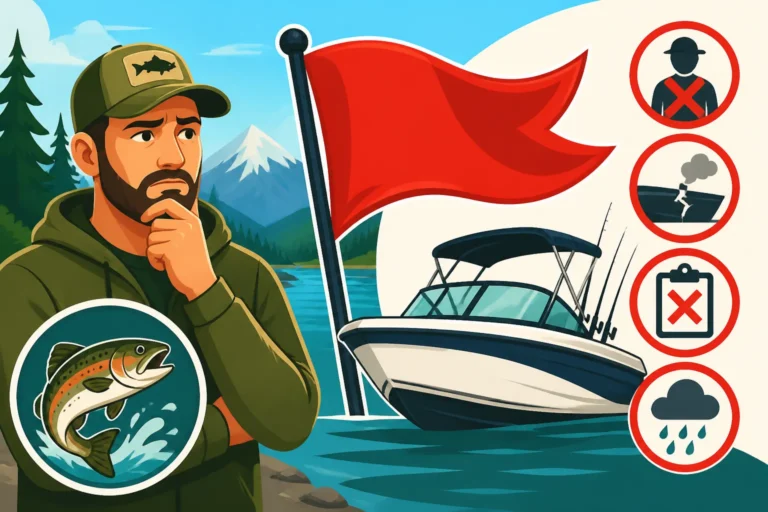
Lightning is another obvious, non-negotiable safety concern, especially on open water or in exposed mountain environments. Even extreme temperatures, whether sweltering summer heat or bitter winter cold, can pose risks of heatstroke or hypothermia for clients and guides alike. When conditions are truly adverse, it's not just about comfort; it's about genuine safety. Professional guides prioritize the well-being of their clients above all else, which often means making the difficult decision to cancel or postpone a trip. They know their local waters intimately and understand the nuances of how different weather patterns affect both fish behavior and human safety.
How Guides Make the "Cancel or Go" Decision
You might wonder how a guide decides whether the weather is truly bad enough to cancel. It's certainly not an arbitrary choice, as a canceled trip means lost income and disappointed clients for them too. Instead, it's a carefully considered decision based on years of experience, current meteorological forecasts, and real-time observation of local conditions. Guides are constantly monitoring radar, wind reports, and stream gauges, especially when a storm is brewing. They have a deep understanding of how specific stretches of river or particular lakes respond to different weather events.
For example, a guide specializing in Idaho Steelhead Fishing Guide trips on the Clearwater River might know that a certain amount of rainfall upstream will inevitably lead to rising, muddy water downstream within a specific timeframe, making fishing unproductive and potentially dangerous. On the other hand, a guide on Lake Coeur d'Alene might be looking closely at wind advisories, knowing that winds over a certain speed make trolling for kokanee or Chinook unsafe for smaller boats. Sometimes, the call is made a day or two in advance if a severe storm is clearly on its way. Other times, it might come down to a decision made that very morning as conditions unfold. Ultimately, when a guide makes the call to cancel, it's almost always rooted in a professional assessment of safety and the realistic chances of a quality, enjoyable fishing experience. Their decision, while frustrating at the moment, is usually for the best.
Navigating Idaho Fishing Guide Cancellation Policies
Once the weather forces a cancellation, your next question will undoubtedly be about what happens with your payment and the trip itself. This is where understanding your guide's cancellation policy becomes absolutely critical. These policies can vary significantly, so knowing what to expect before you even book is paramount.
Common Policy Structures for Weather-Related Cancellations
When a guide cancels a trip due to unsafe weather, the most common outcome is rescheduling. Most guides prefer to get you out on the water eventually, and it's often the easiest solution for both parties. They'll typically work with you to find a new date that fits your schedule and theirs, sometimes offering a full season to rebook. This is particularly true for popular destinations like Idaho Salmon River Fishing Charters, where guides have a full calendar but want to ensure their clients get their experience.
If rescheduling isn't possible for you, perhaps due to travel plans or limited availability, many guides will offer a full or partial refund. Some might keep a small deposit to cover administrative costs or initial planning, while others will issue a complete reimbursement. Another common option is a credit that can be applied to a future trip, often with a specified expiration date. This keeps your money with the guide but allows you flexibility. It's important to note that many guide services include a clause stating that the guide's discretion is final in weather-related cancellations, and their decision dictates the available options. This is largely for safety and operational reasons, as they are the experts on the ground.
To give you a clearer picture, here's a general idea of how different weather scenarios might influence a guide's decision and your options:
| Weather Condition | Guide's Likelihood of Cancelling | Typical Angler Outcome |
|---|---|---|
| Light Rain/Snow (Safe) | Low | Trip proceeds as planned (dress appropriately) |
| Heavy Sustained Rain/Snow | Moderate to High | Reschedule or credit, sometimes partial refund |
| High Winds (5-15 mph) | Low to Moderate (depends on water) | Trip proceeds, maybe limited to sheltered areas |
| High Winds (15+ mph) | High (especially on lakes/large rivers) | Reschedule, full refund or credit |
| Lightning/Severe Thunderstorms | Very High | Reschedule, full refund or credit |
| Extreme Cold/Heat | Moderate (depends on duration/severity) | Reschedule, full refund or credit, or adjust timing |
| River Blown Out (High, Muddy) | Very High | Reschedule, full refund or credit (for river trips) |
Platforms like FishingBooker, which many Idaho guides utilize, often have standardized sections where guides clearly outline their cancellation policies. This can make it easier for you to review and compare before making a booking, as the terms are presented in a consistent format.
The Importance of Understanding Your Agreement
This can't be stressed enough: always, always review the guide's cancellation policy before you pay your deposit or confirm your booking. It should be readily available on their website, in their booking confirmation, or provided directly when you inquire about a trip. Don't be shy about asking specific questions, especially concerning weather. What exactly do they consider "unfishable" weather? Is there a minimum wind speed, a certain water level, or a specific temperature that triggers a cancellation? Clarifying these details upfront can prevent misunderstandings and disappointment later.
Also, be aware of the difference between a guide-initiated cancellation and a client-initiated cancellation. If you decide the weather looks too iffy, but the guide believes conditions are safe and fishable, canceling on your end will likely fall under their standard client cancellation policy, which might mean forfeiting your deposit or incurring a fee. This is why clear communication with your guide is so crucial. A conversation about their assessment of the conditions versus your comfort level can often lead to a better outcome than simply canceling unilaterally. When you're spending your hard-earned money and valuable vacation time on a guided trip, understanding all the parameters, including the Idaho Fishing Guide Cancellation Policies, is just as important as knowing what fish you're targeting.
What to Do When Your Guided Idaho Trip Gets Weathered Out
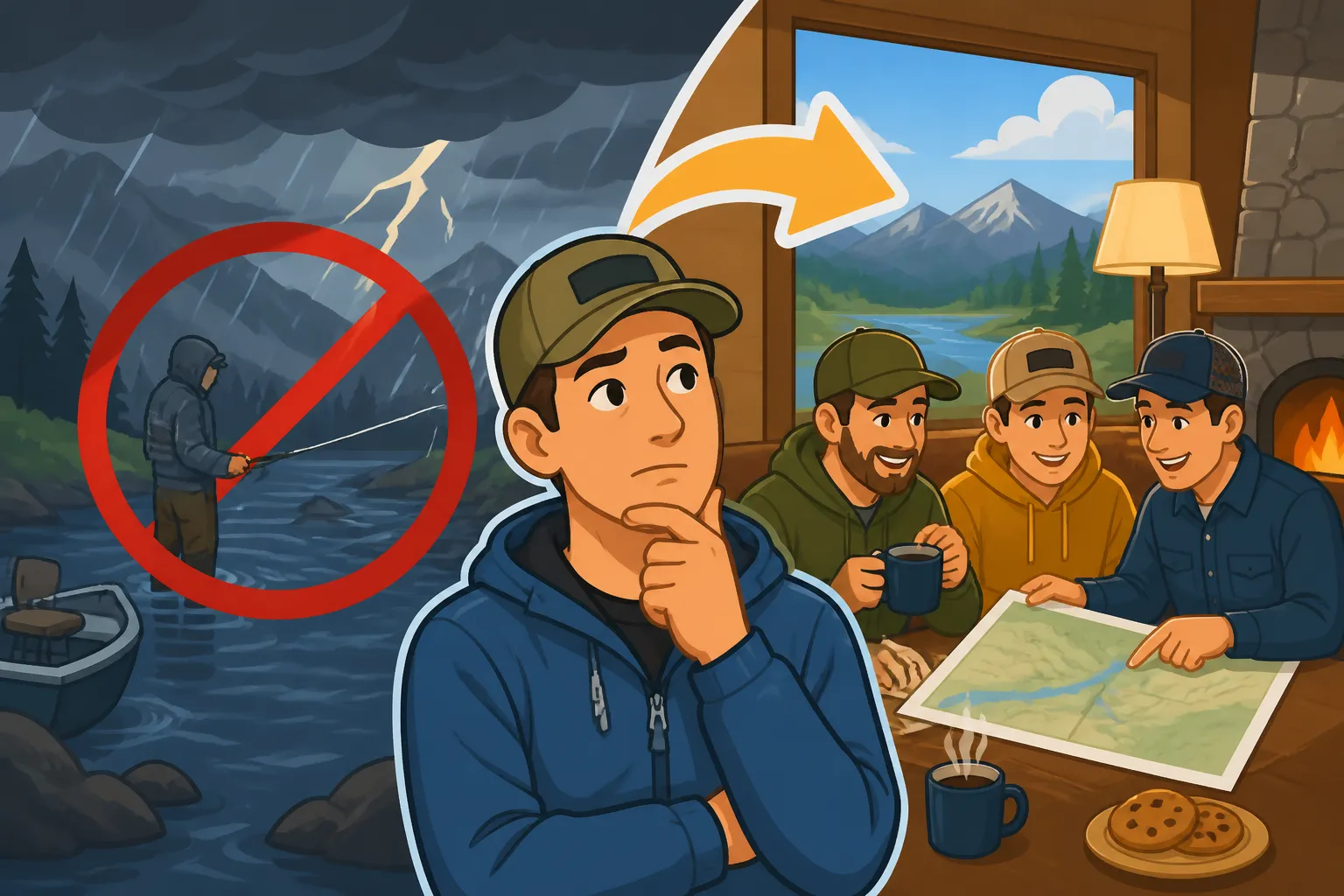
So, the unfortunate news has arrived: your guide has called off the trip due to weather. It’s natural to feel a pang of disappointment, but don’t let it sour your entire outlook. There are clear steps you can take to manage the situation effectively and minimize any further frustration.
Communicating with Your Guide and Understanding Your Options
The first and most important step is to maintain open and calm communication with your guide. Remember, they’re just as disappointed as you are, if not more so, because a canceled trip impacts their livelihood. Express your understanding of the situation and then politely discuss your options based on their policy. As we covered, rescheduling is often the guide's preferred solution, so come prepared with any potential alternative dates you might have. Being flexible can make this process much smoother. Perhaps you can shift your How to Fish for Steelhead in Idaho trip from Thursday to Saturday, or maybe even to a different week entirely.
If rescheduling isn't an option due to your travel plans or a tight schedule, inquire about a refund or credit. Make sure you understand any timelines for refunds to be processed or for credits to be used. It's always a good idea to get any agreements about new dates, refunds, or credits confirmed in writing, whether through email or a text message. This creates a clear record for both parties and avoids any future misunderstandings. Don't forget, when you initially booked, you should have followed advice similar to our Questions to Ask Before Booking a Fishing Guide article, which would have prepared you for this discussion.
Planning for the Unexpected: Travel and Accommodation
A canceled fishing trip isn't just about the time on the water; it can have ripple effects on your entire travel itinerary. If you’re traveling from out of state, say, flying into Idaho for a bucket-list Idaho Chinook Salmon Fishing Guide experience, a weather cancellation can impact flights, hotels, and rental cars. This is where planning for the unexpected truly pays off.
Consider purchasing travel insurance, especially for more expensive trips or if you’re traveling a significant distance. Many policies offer coverage for trip cancellations due to unforeseen events like severe weather, which could help reimburse non-refundable expenses like airfare or hotel bookings. Always review the specific terms of your policy to understand what’s covered. Additionally, when booking accommodations, look for hotels or rentals that offer flexible cancellation policies. While these might sometimes be slightly more expensive, the peace of mind they provide in an unpredictable situation like a weather-canceled fishing trip is invaluable.
If you’re local to Idaho and your trip gets canceled, perhaps you can pivot to another activity or explore different fishing opportunities in sheltered areas, assuming conditions aren't statewide. If your Best Fishing Spots Near Boise trip gets rained out on one river, maybe there’s a small pond or a more sheltered section of another waterway that's still viable. For those visiting from afar, however, it’s a bigger logistical puzzle. Having a backup plan or flexibility in your schedule can turn a potential disaster into a minor setback, or at least help salvage other parts of your vacation.
Minimizing Weather-Related Disappointment on Future Trips
While you can't control the weather, you can take steps to mitigate the chances of a weather-related cancellation spoiling your entire trip, or at least soften the blow if it does happen. A little foresight and preparation can go a long way in ensuring your Idaho fishing adventures are as smooth as possible.
Researching Seasonal Weather Patterns
One of the most effective ways to avoid weather-related issues is to do your homework on Idaho's diverse seasonal weather patterns. Idaho is a large state with varied climates, and what's "good" fishing weather in one region might be terrible in another. For example, spring in the central mountains often brings significant snowmelt and subsequent "runoff," which can make many rivers unfishable due to high, muddy water. This period can last weeks, completely changing the landscape for fishing Idaho Trout Season Opening Weekend. Conversely, late summer can bring hot, dry conditions and the risk of wildfires, which can create smoky skies and sometimes close access to certain areas.
If you're planning a trip for When Idaho's Steelhead Season Starts Each Year, you need to be prepared for cold temperatures, potential snow, and icy conditions, which can also lead to cancellations if roads become impassable or river access is too dangerous. Understanding the Idaho Fishing Season Calendar for your target species and location will help you choose the "best" and "riskiest" times to book. While prime fishing seasons are popular for a reason, they aren't immune to weather events. Checking historical weather data for your specific dates and location can provide valuable insight, though, of course, past weather is never a guarantee of future conditions. For a comprehensive overview, our guide on the Best Time of Year to Fish in Idaho offers excellent insights.
Booking with Flexibility and Preparedness in Mind
When you’re making your booking, especially for a guided trip, build in as much flexibility as your schedule allows. If you have the luxury of having a few backup days around your primary fishing date, it can be a lifesaver for rescheduling. Instead of a hard-and-fast one-day trip, perhaps explore options for a slightly longer trip or at least be open to shifting dates if the guide suggests it due to an incoming storm. Many anglers find that booking multi-day trips offers a natural buffer; if one day is a washout, you might still get solid fishing in on the others.
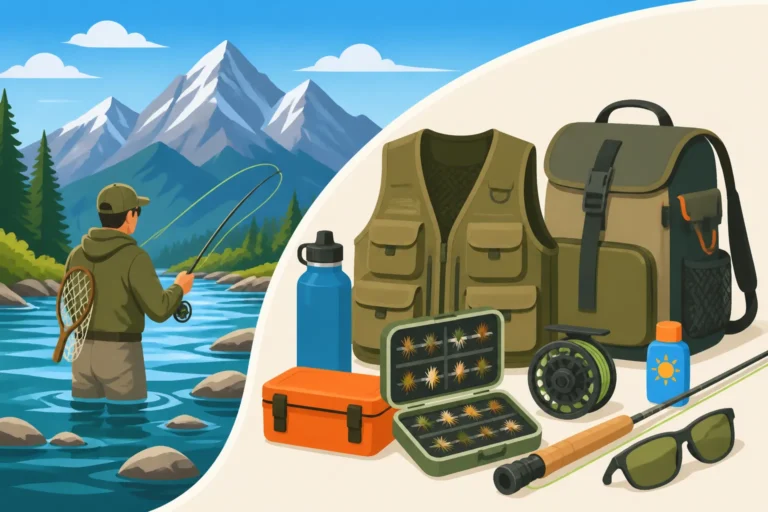
Beyond dates, make sure the "weather clause" in your guide's policy is crystal clear, as mentioned earlier. Don't assume anything. Confirm what triggers a cancellation on their end, and what your options are. Being prepared for all potential weather conditions yourself is also crucial. Even if the trip goes, a sudden squall or unexpected temperature drop can ruin your day if you don't have the right gear. Always pack layers, waterproof outer shells, sturdy footwear, and sun protection, regardless of the forecast. A good guide will also advise you on what to bring, but taking personal responsibility for your comfort and safety adds another layer of preparedness.
Using reputable booking platforms or guide services can also add a layer of security. For instance, if you're exploring options via FishingBooker, the platform typically ensures that guide cancellation policies are clearly stated upfront, making it easier for you to compare and understand what you're agreeing to. They also provide a channel for customer support should any issues or disputes arise regarding a cancellation, though the guide's explicit policy will always be the primary reference. Ultimately, while Idaho's weather will always have the final say, being informed, flexible, and well-prepared gives you the best chance of still enjoying your angling adventure, even if it means rescheduling for another day. And remember, even if your trip is shortened by weather, showing appreciation for your guide's efforts, perhaps with a small gesture, is always a good practice, as discussed in Idaho Fishing Guide Tipping and Etiquette.
Disclaimer
This article is for general informational purposes only and does not constitute professional advice. Laws, prices and regulations vary by location and change over time. Consult a qualified professional for guidance on your specific situation.