Best Idaho Lakes for Crappie
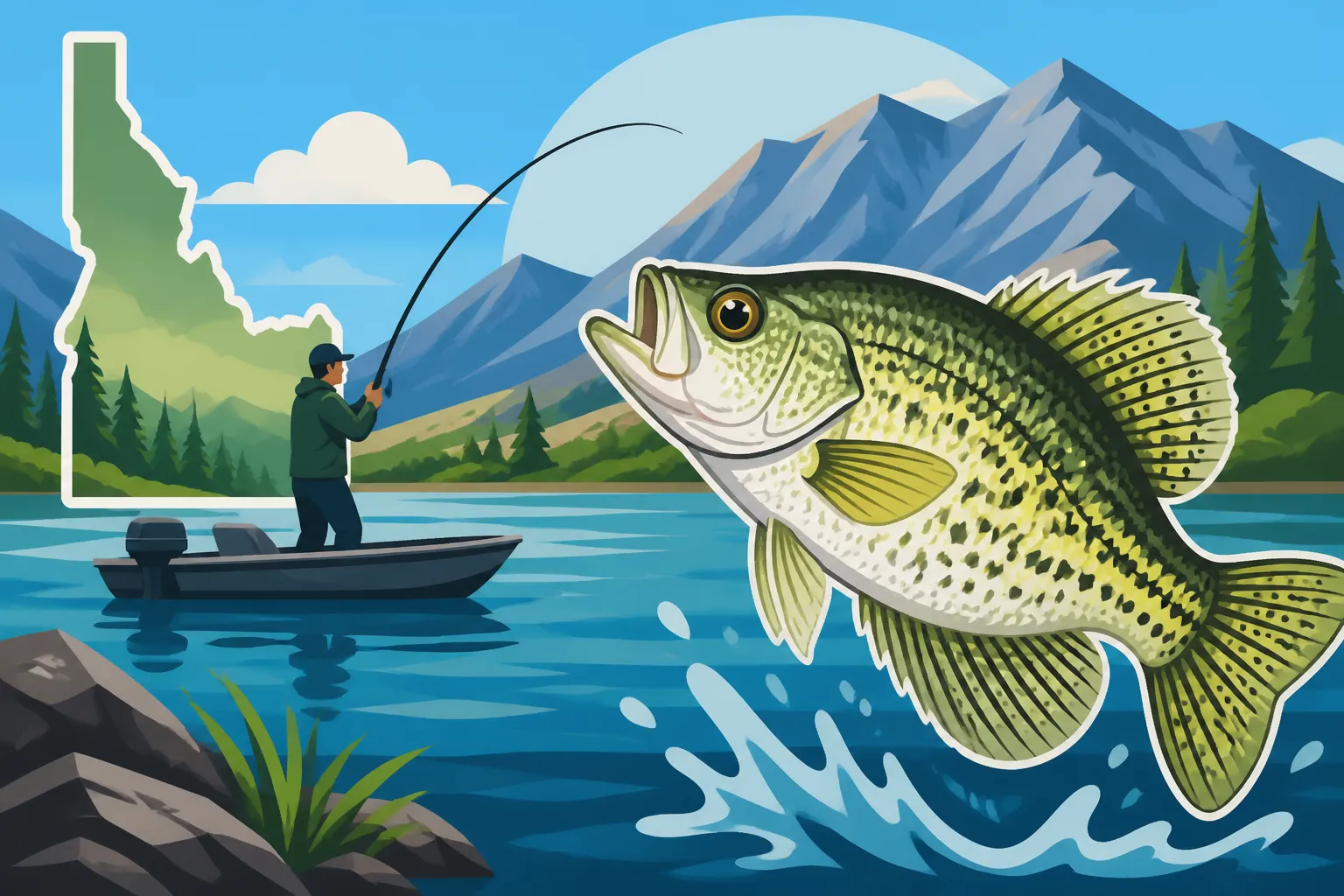
It's frustrating when you're geared up and ready to hit the water, but you're not quite sure where the best crappie fishing is in Idaho. Many anglers wonder which lakes genuinely offer a fantastic crappie experience, complete with good numbers and decent size. This guide is here to cut through the guesswork, pointing you directly to Idaho's prime crappie waters and equipping you with the know-how to make your next trip a success.
Why Crappie Fishing is So Rewarding in Idaho
Crappie fishing isn't just a pastime; it's a cherished tradition for many, and for good reason. These panfish offer a delightful combination of fighting spirit, culinary quality, and accessibility that makes them a favorite among anglers of all stripes. In Idaho, our lakes and reservoirs provide the perfect habitat for crappie to thrive, setting the stage for some truly memorable fishing adventures.
The Thrill of the "Slab"
There's a special kind of excitement that comes with reeling in a chunky crappie, often affectionately called a "slab" by dedicated enthusiasts. While they might not be as acrobatic as a steelhead or as powerful as a sturgeon, a big crappie puts up a surprisingly spirited fight on light tackle. The delicate tug, followed by the steady retrieve, culminates in the satisfying sight of that broad, speckled fish breaking the surface. It’s a thrill that never gets old. Beyond the fight, crappie are renowned for their delicious, flaky white meat, making them a fantastic table fare. A fresh crappie fillet, lightly breaded and fried, is a culinary reward that caps off a perfect day on the water.
Accessibility and Family Fun
One of the greatest appeals of crappie fishing is how incredibly accessible it is. You don't need highly specialized gear or advanced techniques to get started, which makes it an ideal pursuit for beginners and families looking to introduce kids to the joys of angling. Many of Idaho's top crappie lakes offer excellent shore access, boat ramps, and plenty of space for everyone to spread out. Imagine a sunny afternoon with the kids, bobbers dancing on the water, and the occasional shout of excitement as someone lands a fish. Crappie fishing fosters patience, teaches respect for nature, and creates lasting memories. It’s a low-pressure way to enjoy the outdoors and bond with loved ones, proving that sometimes the simplest fishing experiences are the most profound.
Top Idaho Lakes for Crappie Fishing
Idaho is blessed with numerous bodies of water, but some stand out when it comes to consistently producing quality crappie. Whether you're looking for numbers, size, or just a beautiful place to spend the day, these lakes offer some of the best crappie action in the Gem State.
Lake Lowell: A Treasure Near Nampa
Located just outside Nampa in Southwestern Idaho, Lake Lowell is often hailed as a crappie paradise, especially for those living in the Treasure Valley. This relatively shallow reservoir features an abundance of submerged timber, brush piles, and old creek channels – all prime real estate for crappie. The lake warms up nicely in the spring, triggering an excellent crappie spawn that brings fish into more accessible shallow areas. Anglers frequently report catching good numbers of crappie here, with many reaching respectable "slab" sizes.
During the spring, target the protected coves and areas with emergent vegetation. As summer progresses, crappie tend to move to deeper submerged structure, making a fish finder an invaluable tool. Look for schools suspended near old trees or drop-offs. Shore anglers can still find success early and late in the day around accessible points with cover. It's a fantastic spot for a quick evening trip or a full day with the family. You can learn more about finding good spots in our guide, Why Lake Lowell Is an Easy First Trip for Nampa Families.
C.J. Strike Reservoir: Southern Idaho's Crappie Hotspot
C.J. Strike Reservoir, situated at the confluence of the Snake and Bruneau Rivers southeast of Mountain Home, is a sprawling body of water known for its diverse fishery, and crappie are definitely a highlight. This reservoir boasts numerous arms, bays, and varying depths, providing extensive habitat for crappie year-round. Anglers here often find crappie congregating around the reservoir's rocky bluffs, submerged sagebrush, and the abundant standing timber left from when the reservoir was first filled.
The crappie in C.J. Strike are known for both their size and their willingness to bite. Spring and fall are prime seasons, with fish moving between shallow spawning grounds and deeper feeding areas. Many successful anglers use spider rigging techniques, drifting multiple rods with jigs or minnows to cover ground. When searching for crappie around structure, consider picking up a selection of small, brightly colored jigs from Amazon to see what the fish are keying in on that day. Check the current Idaho Catch Limits and Bag Limits Explained before you go to ensure you're fishing within regulations.
Brownlee Reservoir: Big Water, Big Crappie Potential
Straddling the Idaho-Oregon border, Brownlee Reservoir is the largest of the three Hells Canyon Complex reservoirs and a legendary crappie destination. Its vast expanse and varied underwater topography, including deep channels, flats, and extensive submerged brush, make it a superb environment for crappie to grow large. Brownlee is famous for its massive schools of crappie, which can sometimes be so thick they'll black out a fish finder screen.
While the size of Brownlee can be intimidating, it's also its strength. Anglers who learn to navigate its waters and find the honey holes are often rewarded with cooler-filling limits of impressive crappie. Early spring and late fall are particularly productive, as crappie move into shallower coves and feeder creeks to spawn or feed before winter. Trolling small jigs or spinnerbaits is a popular method to locate active schools in the open water, while vertical jigging around submerged cover works wonders once you pinpoint them. Remember, success on Brownlee often means putting in time to explore, but the payoff can be phenomenal.
Cascade Reservoir: A Northern Idaho Contender
Moving north, Cascade Reservoir near the town of Cascade offers excellent crappie fishing in a beautiful mountain setting. While perhaps more widely known for its perch and tiger muskie, Cascade's crappie fishery is robust and often overlooked. The reservoir’s irregular shoreline, numerous bays, and areas of submerged timber create ideal crappie habitat. Like Lake Lowell, it's not uncommon to find crappie suspending in schools around these underwater features.
The crappie in Cascade tend to be of a good average size, providing consistent action. Spring is prime time, with fish congregating in the warmer, shallower bays and around brushy points. Later in the season, during summer, crappie will often move to deeper water, making a boat and electronics beneficial. Even in winter, Cascade offers good ice fishing opportunities for crappie, often found suspended off the bottom near drop-offs. If you're planning an ice fishing trip, be sure to check out our How to Ice Fish Idaho Lakes guide for tips specific to colder waters.
Essential Techniques for Idaho Crappie Success
Catching crappie isn't rocket science, but understanding their habits and employing the right techniques will dramatically increase your success. Crappie are finicky eaters, often preferring a subtle presentation, but once you crack the code, you can have an unforgettable day.
Jigs and Minnows: The Classic Combination
When it comes to crappie, two baits reign supreme: small jigs and live minnows. Many anglers swear by a combination of the two, tipping a jig with a minnow for added scent and appeal.
- Jigs: Crappie jigs typically range from 1/32 oz to 1/8 oz, with colors like chartreuse, white, black, and pink being perennial favorites. The key is to match the hatch or offer something that stands out. Soft plastic bodies, such as small tubes, grubs, or crappie minnows, are usually paired with a lead head. You can fish jigs under a bobber, cast and retrieve them slowly, or vertical jig them directly under the boat. Many anglers have success with a wide array of crappie jigs available for purchase on Amazon. Experiment with retrieve speed and depth until you find what the fish want. Sometimes a steady retrieve works, other times a stop-and-go motion, or even just letting it hang perfectly still, is the trick.
- Minnows: Live minnows are incredibly effective, especially when crappie are less active or water is cold. You can rig them in various ways:
- Under a bobber: This allows the minnow to swim naturally at a set depth. A slip bobber is great for adjusting depth quickly.
- On a small hook (sizes 6-10): Hook the minnow lightly through the lips or dorsal fin.
- Tipped on a jig: As mentioned, this adds a potent combination of flash, vibration, and natural scent that crappie find irresistible. Keep your minnows fresh and lively for the best results.
Locating Crappie: Reading the Water and Electronics
Crappie are masters of cover, often relating to submerged structures that offer both protection and ambush points for their prey. Learning to identify these key areas is crucial.
- Natural Cover: Look for brush piles, fallen trees, standing timber, rock piles, weed lines, and old creek channels. These are natural magnets for crappie. In spring, they'll be shallower, especially in brushy coves for spawning. In summer and winter, they'll retreat to deeper cover.
- Man-Made Structures: Docks, bridge pilings, and dam foundations also provide excellent cover. Crappie will often suspend around these structures, especially in lakes with less natural cover.
- Using Electronics: A good fish finder is your best friend when crappie fishing, particularly in larger reservoirs like C.J. Strike or Brownlee. Look for baitfish schools, as crappie are often nearby. Identify submerged timber, humps, and drop-offs. Crappie schools will often appear as dense clouds or distinct arches suspended above the bottom. Modern side-imaging and down-imaging units can show you brush piles and fish tucked into them with incredible detail. Once you mark a school, deploy your baits directly above or into them.
Seasonal Strategies: Adapting to Crappie Movements
Crappie movements are heavily influenced by water temperature and the time of year. Understanding these seasonal patterns will help you target them effectively.
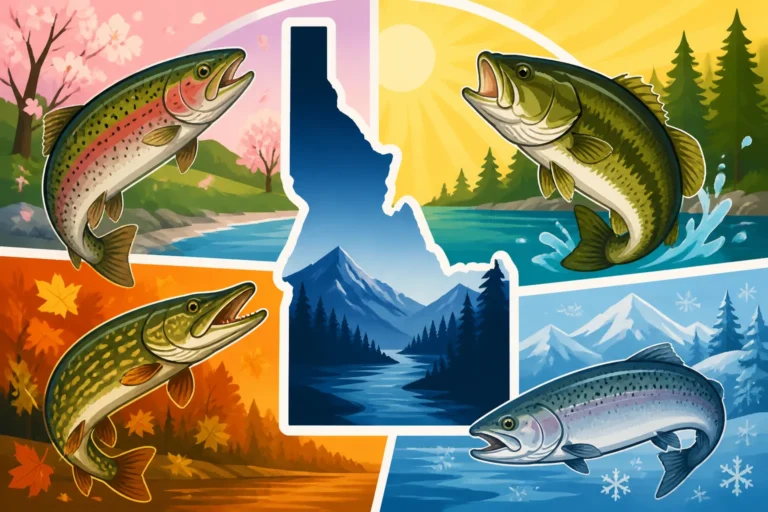
- Spring (Pre-Spawn & Spawn): As water temperatures rise into the 50s Fahrenheit, crappie move into shallow, protected coves, creek arms, and shorelines with brush or reeds to spawn. This is arguably the easiest time to catch them, as they are aggressive and concentrated. Target depths of 3-10 feet. Light jigs, small spinnerbaits, or minnows under a bobber are deadly.
- Summer: Once the spawn is over and water temperatures warm significantly, crappie retreat to deeper, cooler water. They'll relate to submerged timber, humps, rock piles, and deep weed lines, often suspending over open water at specific depths to feed on baitfish. This is when electronics and vertical jigging or trolling become essential. Focus on finding schools in 15-30+ feet of water.
- Fall: As water temperatures begin to cool, crappie become more active and start feeding heavily in preparation for winter. They will often move back to shallower depths during the day, particularly on sunny banks, and then return to deeper cover. This can be a fantastic time for both numbers and larger fish. Look for concentrations around points, channel bends, and submerged structure.
- Winter (Ice Fishing): In frozen Idaho lakes like Cascade, crappie can be found suspended over deep basins or around submerged structure. They tend to be less active, so a subtle presentation with small jigs or minnows is key. Ice fishing for crappie can be incredibly rewarding, offering a unique challenge and the chance to enjoy a peaceful winter landscape. Our guide Idaho Fishing Season Calendar provides a great overview of yearly fishing opportunities.
Gear Up for Crappie: What You'll Need
While you don't need a massive investment to start crappie fishing, having the right tools can make all the difference between a frustrating day and a fantastic one. Think light tackle, specific baits, and a few comfort items.
Rods, Reels, and Line
Crappie fishing calls for sensitive gear to detect those often-subtle bites.
- Rods: An ultralight or light action spinning rod, typically 5 to 7 feet long, is perfect. The sensitive tip will let you feel those delicate crappie nibbles, while the backbone provides enough power to handle a decent "slab." A fast action tip is often preferred for quick hook sets.
- Reels: Pair your rod with a small spinning reel (size 500 to 1000). It should be lightweight and have a smooth drag system. You can find excellent, affordable ultralight rod and reel combos for crappie fishing on Amazon, perfect for getting started without breaking the bank.
- Line: Opt for light line, usually 2 to 6 lb test monofilament or fluorocarbon. Monofilament offers good knot strength and stretch, while fluorocarbon is nearly invisible underwater and has less stretch for increased sensitivity. Some anglers prefer a thin braided line with a fluorocarbon leader for maximum feel, especially in deeper water.
Tackle Box Essentials
Your crappie tackle box should be stocked with a variety of proven baits and terminal tackle.
- Jigs: As discussed, an assortment of 1/32 to 1/8 oz lead head jigs with various soft plastic bodies (tubes, grubs, minnow profiles) in chartreuse, white, black, pink, and natural colors.
- Bobbers: Both fixed and slip bobbers are useful. Slip bobbers are fantastic for quickly adjusting your depth, which is crucial when crappie are suspending.
- Hooks: Small hooks, sizes 6 to 10, for rigging live minnows.
- Split Shot Weights: Small weights to get your bait down to the desired depth.
- Minnow Bucket/Aerator: If you're using live minnows, keeping them lively is paramount. A good minnow bucket with an aerator is essential.
- Pliers/Forceps: For easily removing hooks.
- Stringer or Cooler: To keep your catch fresh.
Beyond the Basics: Electronics and Comfort
For the dedicated crappie angler, a few extra items can elevate the experience.
- Fish Finder: A portable fish finder can be a game-changer, especially on larger, unfamiliar lakes. It helps you quickly identify submerged structure and schools of fish. There are many compact and effective models available on Amazon that can be easily mounted on a small boat or kayak.
- Anchor/Trolling Motor: For boat anglers, an anchor or a small trolling motor helps you stay on schools once you find them. Spot-locking GPS trolling motors are particularly useful for holding position over a brush pile in windy conditions.
- Portable Chair/Bucket Seat: Comfort is key, especially if you're bank fishing for extended periods. A comfortable chair or a bucket with a padded lid can make a long day much more enjoyable.
- Sun Protection: Idaho's sun can be intense, even in spring and fall. Don't forget sunscreen, a wide-brimmed hat, and polarized sunglasses to help spot fish and structure underwater.
Remember, the goal is to be prepared without being overloaded. Start with the basics, and you can always add more specialized gear as you gain experience and discover what works best for you.
Comparing Idaho's Top Crappie Lakes
To help you plan your next crappie adventure, here's a quick comparison of the lakes we've discussed:
| Lake | Location | Primary Access | Best Seasons for Crappie | Typical Crappie Size | Key Features for Crappie |
|---|---|---|---|---|---|
| Lake Lowell | Near Nampa | Boat ramps, shore | Spring, early summer | Good numbers, respectable | Abundant submerged timber, brush |
| C.J. Strike Res. | Near Mountain Home | Multiple boat ramps | Spring, fall, winter | Good numbers, quality slabs | Diverse structure, standing timber |
| Brownlee Reservoir | Idaho/Oregon Border | Numerous boat ramps | Spring, fall | High numbers, potential for big | Vast, deep channels, brush, rock |
| Cascade Reservoir | Near Cascade | Boat ramps, shore, ice | Spring, fall, winter (ice) | Good average size, consistent | Bays, submerged timber, varied depth |
This table should give you a good starting point for deciding which Idaho lake to explore for crappie. Each offers its unique charm and fishing opportunities. You might also find our guide Best Time of Year to Fish in Idaho helpful for planning your trip.
Disclaimer
This article is for general informational purposes only and does not constitute professional advice. Laws, prices and regulations vary by location and change over time. Consult a qualified professional for guidance on your specific situation.