How Big Do Idaho Steelhead Get
One of the most thrilling questions any angler heading to Idaho asks, often with a glint of excitement in their eye, is just how big those legendary steelhead actually get. It's a natural curiosity, born from the stories of tackle-busting fish and the sheer challenge these magnificent creatures present. If you've ever dreamt of battling a true monster from the depths of Idaho's iconic rivers, you're in the right place, because we're diving deep into the realistic expectations and incredible potential of Idaho's steelhead fishery.
Understanding Idaho Steelhead: A Brief Overview
Before we talk about inches and pounds, let's get on the same page about what an Idaho steelhead truly is. These aren't your typical resident rainbow trout; they are anadromous, meaning they're born in freshwater, migrate to the ocean to grow, and then return to their natal rivers to spawn. This epic journey fundamentally shapes their size, strength, and the very allure that draws anglers from all over.
What Exactly is an Idaho Steelhead?
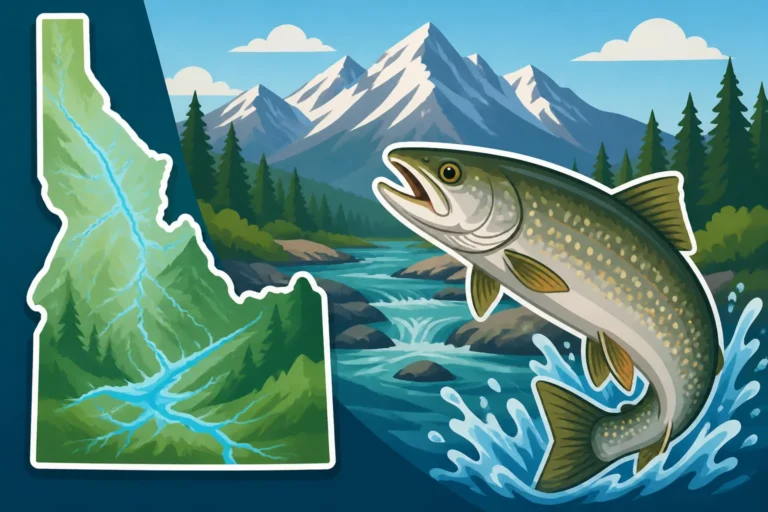
An Idaho steelhead is essentially a rainbow trout ( Oncorhynchus mykiss) that has decided to live a life of adventure. Instead of staying put in a river or lake, these fish make an incredible downstream migration to the Pacific Ocean, often traveling hundreds of miles to reach saltwater. Out in the vastness of the ocean, they find abundant food sources, allowing them to grow much larger and develop significantly more muscle and fighting power than their freshwater-bound relatives. It's this ocean phase that truly transforms them into the powerful, chrome-bright fish we know as steelhead.
When they mature, driven by an instinctual urge to reproduce, they begin their arduous journey back upstream, often swimming against strong currents, overcoming natural barriers, and navigating extensive river systems like the Snake River and its tributaries. This upstream migration is what anglers target, as the fish are returning to the very spawning grounds where they began their lives. Understanding this life cycle is key to appreciating their incredible size and resilience. You can learn more about their unique biology in our Idaho Steelhead Identification Guide.
The Journey: Why Their Size Varies
The size of an Idaho steelhead is a direct reflection of its life journey, and this journey is fraught with variables. Think about it: a fish born in the headwaters of the Salmon River, for example, might travel well over 900 miles to the Pacific Ocean and then back again. The sheer distance alone is a test of endurance. Along this epic migratory route, they face predators, changing river conditions, and metabolic demands that influence how much energy they have to put into growth versus survival.
Once in the ocean, the conditions they encounter are paramount. A year with rich ocean forage – abundant krill, small baitfish, and other food sources – means steelhead can pack on weight rapidly. Conversely, lean ocean years or unfavorable ocean temperatures can result in smaller fish returning to the rivers. Furthermore, the number of years a steelhead spends in the ocean (typically one to three years) also directly correlates with its size. A fish that spends three winters in the ocean will almost always be larger than one that only spends one, assuming all other factors are equal. This complex interplay of genetics, environment, and sheer grit defines the size potential of every steelhead.
The Numbers Game: Average and Trophy Sizes
So, you're standing on the bank of the Clearwater River, rod in hand, wondering what kind of fish you might actually encounter. Let's break down the realistic expectations when it comes to the size of Idaho steelhead. While everyone dreams of a true hog, it's good to know what the typical catch looks like.
Typical Sizes Anglers Encounter
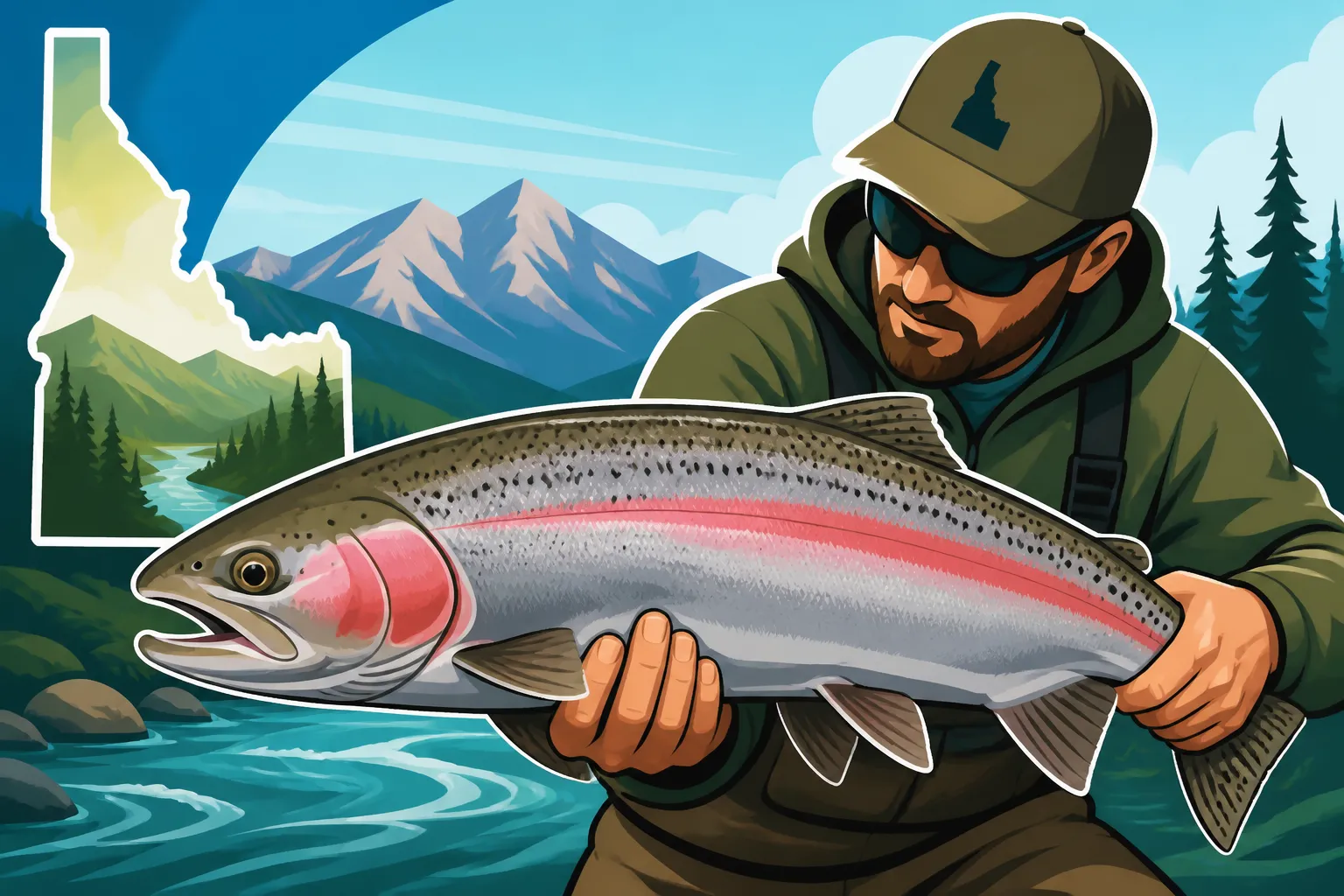
For the average angler targeting steelhead in Idaho, you're most likely to encounter fish in the 24 to 30-inch range, weighing anywhere from 6 to 12 pounds. These are strong, vibrant fish that provide an excellent fight, and they make up the bulk of the catch across Idaho's renowned steelhead rivers like the Salmon, Snake, and Clearwater. These "average" fish are still incredibly impressive; remember, they've just completed an epic journey from the ocean!
It's important to remember that these are general averages. Some runs might have a higher proportion of smaller, "half-pounder" steelhead that have only spent a single summer in the ocean, especially earlier in the season. These smaller fish are still great fun on lighter tackle and often provide an indication of a healthy upcoming run. On the other hand, a good feeding year in the ocean can push those averages upwards. When you're considering a trip, checking recent fishing reports can give you a more accurate picture of what's currently being caught.
The Quest for a Trophy: What's Considered Big?
Ah, the "trophy" steelhead. This is where the legends are made and the stories are told. In Idaho, a true trophy steelhead typically starts around the 32 to 34-inch mark and can easily tip the scales at 15 pounds or more. When you start getting into the upper 30s in length, perhaps 36 or even 38 inches, you're talking about a fish that might push 20 pounds or beyond. These are exceptionally large, powerful fish that represent years of successful ocean growth and a testament to their incredible endurance.
Landing one of these giants is often a once-in-a-lifetime experience for many anglers. They are incredibly strong, making long, blistering runs and using the river's current to their advantage. Hooking into a steelhead of this caliber requires not only skill but also a bit of luck and the right gear. Many anglers will spend years, even decades, pursuing such a fish. If you're serious about targeting these larger specimens, you'll want to review resources like our How to Fish for Steelhead in Idaho guide and consider a heavier rod setup, which we'll discuss later.
Record-Breaking Steelhead in Idaho
Idaho has a rich history of producing truly massive steelhead, fish that enter the record books and solidify the state's reputation as a world-class steelhead destination. While specific sizes can fluctuate, Idaho's state record steelhead has consistently been a monumental fish, often pushing well over the 30-pound mark. These are fish that have spent multiple years in the ocean, growing to gargantuan proportions, and then successfully navigating their incredible migration.
It's not just about the absolute heaviest fish. Many anglers also cherish the longest fish they've ever caught, recognizing that length often correlates with age and strength. While the state record for steelhead is a truly impressive achievement, what really captures the imagination are the stories of those individual anglers who have battled and landed fish approaching those legendary dimensions. These record-class fish are rare, but the fact that they exist in Idaho's waters keeps the dream alive for every angler casting a line. The possibility of hooking into such a leviathan is a huge part of the allure of Idaho steelhead fishing.
Here's a quick comparison of what anglers typically see versus the true giants:
| Category | Length (Approximate) | Weight (Approximate) | Notes |
|---|---|---|---|
| "Half-Pounder" | 16-22 inches | 2-5 pounds | Often 1-ocean year fish, common early in runs. |
| Typical Angler Catch | 24-30 inches | 6-12 pounds | Most commonly encountered size, strong fighters. |
| Trophy Steelhead | 32-38+ inches | 15-20+ pounds | Highly sought-after, represents multiple ocean years. |
| State Record | 40+ inches | 30+ pounds | Extremely rare, usually 3+ ocean years, legendary status. |
Factors Influencing Steelhead Size in Idaho
The journey a steelhead undertakes is a grueling one, and many elements conspire to dictate just how big an individual fish will ultimately become. It's a complex equation involving genetics, environment, and sheer luck. Understanding these factors can give you a deeper appreciation for every fish you encounter.
Genetics and Stocking Practices
Believe it or not, the genetics of a steelhead run play a significant role in its growth potential. Some strains of steelhead are naturally predisposed to grow larger or spend more time in the ocean, leading to bigger fish. This is particularly relevant in Idaho, where both wild and hatchery steelhead runs coexist. Hatchery programs, while crucial for maintaining fish populations and angling opportunities, often select for traits that ensure survival and return rates, which might not always prioritize maximum size. However, dedicated programs strive to mimic natural conditions and use strong genetic stock.
Wild steelhead, on the other hand, are products of natural selection, with only the fittest, and often the largest, successfully spawning and passing on their genes. When you're fishing, knowing whether you're targeting hatchery or wild steelhead (often distinguished by a clipped adipose fin, as explained in Hatchery vs Wild Steelhead in Idaho) can sometimes give you a clue about potential size, though large fish exist in both populations. For example, some hatchery programs are designed to produce robust, larger fish to enhance the fishery, while others might focus on sheer numbers.
Ocean Conditions and Forage
This is arguably the single most critical factor influencing steelhead growth. The Pacific Ocean is where steelhead do the vast majority of their growing. A banner year for ocean forage – think abundant schools of herring, anchovies, and krill – means steelhead have a banquet to feast upon. With ample food, they can pack on pounds quickly, converting that energy into muscle and size. Conversely, years with poor ocean conditions, such as warm water anomalies or a scarcity of food, can result in steelhead returning to rivers smaller than average.
El Niño and La Niña cycles, for instance, can significantly impact ocean temperatures and currents, which in turn affects the availability of food sources for these anadromous fish. A steelhead that spends two or three years in a nutrient-rich ocean environment will almost certainly be heavier and longer than a fish of the same age that endured lean years at sea. This oceanic variable is entirely out of our control as anglers, but it's a fascinating aspect of their biology that directly dictates what we might see returning to Idaho's rivers.
River Systems and Migration Distance
Idaho's steelhead traverse some of the longest freshwater migration routes in North America. Whether they're heading up the Salmon River, the Snake River, or the Clearwater River, their journey inland is arduous. The farther a fish has to travel upstream, the more energy it expends, and consequently, the more condition it might lose along the way. While they generally don't feed actively once they enter freshwater, they do rely on fat reserves built up in the ocean.
Fish that return to rivers closer to the ocean, or those with less strenuous upstream travel, might arrive in better overall condition and appear larger. However, the largest fish often undertake these epic journeys precisely because they have the physical prowess to do so. River conditions, such as water temperature, flow rates, and the presence of obstacles (like dams or rapids), also play a role. A prolonged low-water period or unusually warm river temperatures can add stress to the migration, potentially affecting the fish's overall health and size upon arrival. The Idaho Fishing Regulations Explained can give you insights into specific river rules that protect these migrating fish.
Age and Spawning Cycles
Like all fish, steelhead grow throughout their lives. The longer a steelhead stays in the ocean, the larger it will typically become. Most Idaho steelhead spend between one and three years in the saltwater before returning to spawn. A "one-ocean" fish is usually smaller, while a "two-ocean" or "three-ocean" fish will be significantly larger and more powerful. It's also possible for steelhead to be "repeat spawners," meaning they successfully spawn, return to the ocean for another year of feeding, and then migrate back upriver a second time. These incredible fish are often among the largest and most coveted catches, having proven their resilience multiple times.
However, the act of spawning itself takes an enormous toll on a steelhead. After they've successfully reproduced, their bodies are often depleted, and they lose a considerable amount of weight. While some repeat spawners do survive to return again, they might not regain their peak pre-spawning weight. Anglers primarily target steelhead before they spawn, when they are at their prime in terms of size and fighting strength, fresh from the ocean and full of energy for their reproductive mission.
Gear and Tactics for Targeting Larger Steelhead
So, you're dreaming of that behemoth steelhead, the one that makes your reel scream. While luck plays a role, having the right gear and understanding effective tactics significantly increases your chances of connecting with a bigger fish. You wouldn't bring a butter knife to a sword fight, and the same goes for tackling large steelhead.
Rods, Reels, and Line for Bigger Fish
When targeting larger Idaho steelhead, you need gear that can withstand serious punishment. These fish are incredibly strong, making blistering runs and using the current to their advantage. For rods, many anglers opt for a medium-heavy to heavy power rod, typically 9 to 11 feet in length, especially if you're drift fishing or using float and jig setups. Longer rods provide better line control, easier mending, and more leverage when fighting a strong fish. For spey or switch rods, which are popular for two-handed casting, lengths can range from 11 to 14 feet.
Reel choice is equally important. You'll want a high-quality spinning reel or baitcasting reel with a smooth, reliable drag system and good line capacity. Nothing is worse than hooking a monster and having your drag seize up or run out of line. Brands like Shimano and Daiwa offer excellent options, which you can often find readily available through online retailers like Amazon. For fly fishing, a large arbor reel with a strong drag is essential, allowing for quick line retrieval and minimizing line memory. Load your reel with a strong main line, often 15-20 lb monofilament or braided line, with a fluorocarbon leader in the 10-15 lb range, depending on water clarity and conditions. Consider our Best Rod Setup for Idaho Steelhead Fishing for more in-depth advice.
Lures and Baits Favored by Big Steelhead
While steelhead generally don't actively feed once they enter freshwater, they are highly aggressive and will strike out of instinct, territoriality, or curiosity. Larger steelhead are no exception and will often attack larger presentations. Plugs and wobblers are perennial favorites, as their aggressive action can trigger powerful strikes. Choose plugs in vibrant colors like "fire tiger," "hot pink," or "chartreuse," especially in off-color water. Sizes can range from 3 to 5 inches.
Drift fishing with bait or artificial eggs is another highly effective method. Cured roe, shrimp, or even artificial baits like Berkley PowerBait eggs can be incredibly productive. When targeting bigger fish, consider a slightly larger bait presentation. Jigs tipped with scent or a small piece of bait can also entice strikes, especially when fished under a float. For fly anglers, large, weighted intruders, leeches, or heavily dressed Spey flies can provoke aggressive takes from larger fish. Don't be afraid to experiment with brighter, more contrasting colors, which can often grab the attention of a trophy steelhead. Many anglers stock up on their favorite lures and baits from retailers, and even Amazon offers a wide selection for convenience.
Key Locations for Larger Catches
While big steelhead can theoretically be found in any of Idaho's steelhead-bearing waters, certain rivers and river sections have a reputation for producing larger-than-average fish. The Clearwater River, particularly its lower and middle sections, is legendary for its substantial B-run steelhead. These fish are often some of the largest in the state, and anglers flock to the Clearwater during peak seasons. The Clearwater River Steelhead Guides are experts at finding these fish.
The Salmon River also produces impressive steelhead, especially in its lower and middle stretches. While the Salmon might have more A-run (typically smaller) steelhead, it certainly holds its share of B-run giants. Other productive areas include sections of the Snake River, particularly below the major dams, which can be staging areas for fish moving into tributaries. Success in these prime locations often comes down to timing and understanding the specific stretches of water that bigger fish prefer – often deeper runs, large pools, or areas with significant structure where they can hold and conserve energy. Scouting reports and local knowledge are invaluable resources.
Conclusion
The pursuit of Idaho steelhead, particularly the quest for a truly large one, is an addiction for many anglers—and for good reason. These incredible fish, with their arduous journeys from the Pacific and their explosive power, represent one of the most exciting challenges in freshwater fishing. While the average Idaho steelhead is a respectable 6-12 pounds and 24-30 inches, the dream of hooking into a trophy of 15-20+ pounds, or even a record-breaker pushing well over 30 pounds, is what keeps us coming back.
Their size is a testament to the health of our oceans, the resilience of their genetics, and the incredible river systems of Idaho. Armed with the right knowledge about their biology, the factors influencing their growth, and the gear to match their might, you're well-equipped to increase your chances of connecting with one of these magnificent creatures. So grab your gear, prepare for battle, and get ready to experience the thrill of Idaho steelhead fishing.
Disclaimer
This article is for general informational purposes only and does not constitute professional advice. Laws, prices and regulations vary by location and change over time. Consult a qualified professional for guidance on your specific situation.