How to Identify a Wild Steelhead
One of the most crucial skills an angler can develop when fishing for steelhead in Idaho is the ability to accurately distinguish between a wild fish and a hatchery-raised one. This isn't just about curiosity; it's a fundamental part of responsible angling and compliance with Idaho's fishing regulations, which often dictate strict catch-and-release rules for wild steelhead. This guide will walk you through the key indicators, helping you confidently identify that magnificent fish at the end of your line.
Understanding Idaho Steelhead: A Quick Overview
Before we dive into the nitty-gritty of identification, let's take a moment to appreciate what makes Idaho steelhead so special and why their status matters so much. They're not just any rainbow trout; they're a symbol of Idaho's wild rivers and resilient ecosystems.
What Exactly is an Idaho Steelhead?
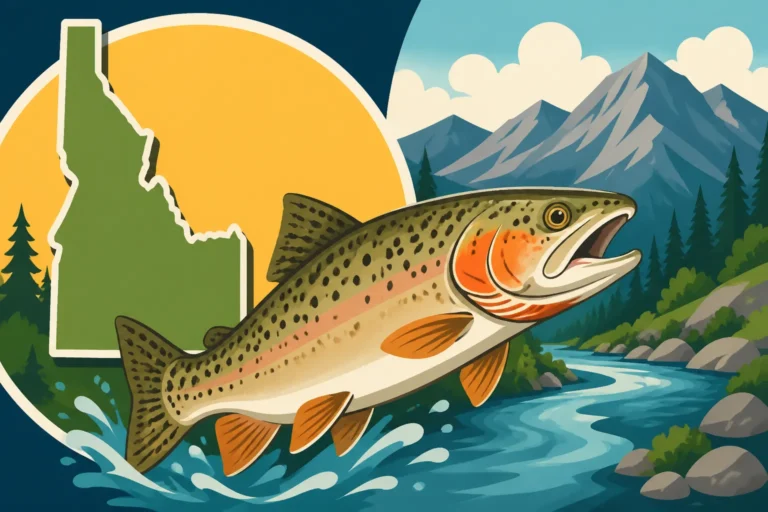
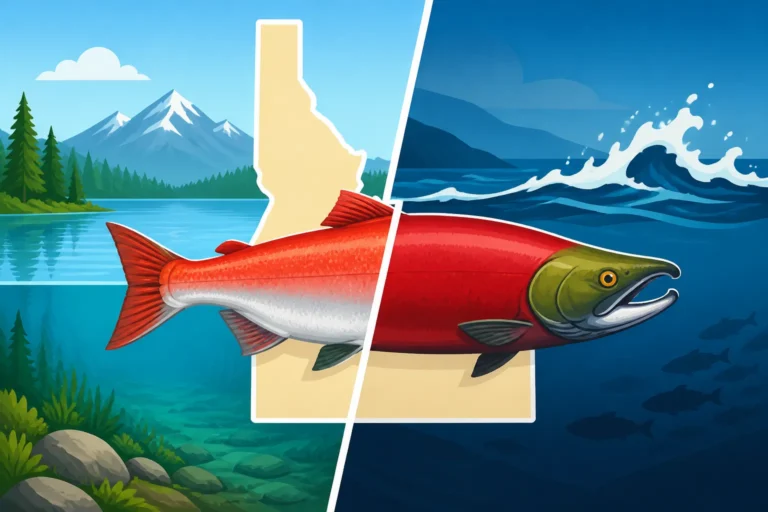
A steelhead is essentially a rainbow trout (Oncorhynchus mykiss) that exhibits an anadromous life cycle. What does that mean in plain English? It means these incredible fish hatch in freshwater rivers, migrate downstream to the ocean to mature and grow large, and then make an arduous journey back upriver to their natal streams to spawn. Imagine swimming hundreds, sometimes thousands, of miles against powerful currents, leaping over obstacles, just to return home. It's an epic tale of survival and instinct. In Idaho, our steelhead traverse the Columbia River system, including major tributaries like the Snake, Clearwater, and Salmon rivers, to reach their spawning grounds. They are truly ocean-going trout, and their return is a highly anticipated event for anglers throughout the state.
This incredible migration makes them a unique and highly prized sportfish. The sheer power and fight of a fresh steelhead are legendary among anglers. However, their anadromous lifestyle also makes them vulnerable to various environmental pressures, which is why proper management and conservation efforts are so critical. Understanding their journey helps us appreciate why distinguishing between wild and hatchery fish is so important.
The Importance of Identification for Conservation
Idaho's fishing regulations are meticulously designed to protect wild fish populations while allowing for sustainable harvest of hatchery-supplemented stocks. Wild steelhead populations face numerous challenges, from habitat degradation to passage issues on their migratory routes. To ensure these populations thrive for future generations, strict conservation measures are in place. This often means that while anglers might be allowed to keep a certain number of hatchery steelhead, all wild steelhead must be immediately released unharmed. Failing to properly identify and release a wild fish can result in significant fines and penalties, and more importantly, it can negatively impact the recovery of these precious native stocks.
Think of it this way: every time you successfully identify and release a wild steelhead, you're directly contributing to the future health of that population. It's not just about following rules; it's about being a steward of our natural resources. A misidentification, even an accidental one, can have consequences for the individual fish and the broader ecosystem. This responsibility falls squarely on the angler, making precise identification a vital skill. You can learn more about Why Wild Steelhead Must Be Released in Idaho to understand the full conservation picture.
The Key Visual Identifier: The Adipose Fin
When it comes to telling wild from hatchery steelhead, there's one primary, unmistakable clue that overshadows all others. This is the first thing every angler in Idaho should look for.
What is the Adipose Fin and Why is it Important?
The adipose fin is a small, fleshy, rayless fin located on the back of the fish, between the dorsal fin and the tail (caudal fin). It's a bit like a tiny extra flap of skin that doesn't seem to have much purpose, and indeed, its exact function in fish isn't fully understood, though some theories suggest it plays a role in stability or sensory perception. What is certain is its critical role for anglers identifying steelhead in Idaho.
For decades, Idaho hatcheries have been marking hatchery-reared steelhead by clipping this adipose fin. This process occurs when the fish are very young, typically before they are released into the rivers. The absence of this fin serves as a universal, undeniable sign that the fish was produced in a hatchery. It's a simple, effective, and humane way to differentiate between the two types of fish, allowing anglers and wildlife managers to manage populations with precision. This clip is a permanent mark, designed to last the fish's entire life.
How to Spot a Clipped Adipose Fin
When you land a steelhead, the very first place your eyes should go is that area between the dorsal fin and the tail. A hatchery steelhead will have a clean, unmistakable absence of the adipose fin. It looks like it was cut off with a pair of scissors – because, well, it was. There will be no stub, no rough edge, just smooth skin where the fin should be. This clean cut is the hallmark of a hatchery fish.
A wild steelhead, on the other hand, will have its adipose fin fully intact. It might be small, sometimes even slightly ragged from natural wear and tear or minor injuries, but it will be present. The key is to look for that defined, albeit small, fleshy fin. Don't confuse a naturally damaged adipose fin (which might be bent or torn) with a clipped one. A clipped fin leaves no doubt; it's simply not there. If you're unsure, feel for a smooth, flat area versus a definite fin structure. When you learn What a Clipped Adipose Fin Means on a Steelhead, you'll understand why this one detail is so important for Idaho anglers.
Beyond the Adipose Fin: Other Clues for Identification
While the adipose fin is the primary indicator, sometimes a fish might have a naturally damaged fin that looks suspicious, or you might just want to confirm your identification. There are other, more subtle characteristics that can help reinforce whether you have a wild or hatchery steelhead on your line.
Body Shape and Fin Condition
Wild steelhead, particularly those that have completed a long ocean migration, often exhibit a more streamlined, powerful body shape. They tend to be sleeker, with a torpedo-like form that speaks to their rigorous journey and natural selection in wild environments. Their fins, including the dorsal, pectoral, pelvic, and caudal fins, are typically in pristine condition – sharp, undamaged, and well-formed. They are not exposed to the crowded conditions of a hatchery, which can sometimes lead to fin erosion or damage from rubbing against concrete or other fish. You might notice a wild fish's fins look perfectly proportioned and intact, without any nicks, frayed edges, or rounded tips that are sometimes common on hatchery fish.
Hatchery fish, on the other hand, can sometimes show slight variations. While modern hatchery practices aim for healthier fish, some individuals might display subtly blunter snouts, slightly thicker bodies, or, most noticeably, some degree of fin erosion or fraying on their other fins (not just the adipose). This is due to the artificial environment of raceways where many fish are reared together. These differences are often very subtle and shouldn't be relied upon as the sole identification method, but they can definitely be supporting evidence once you've checked the adipose fin.
Coloration and Markings
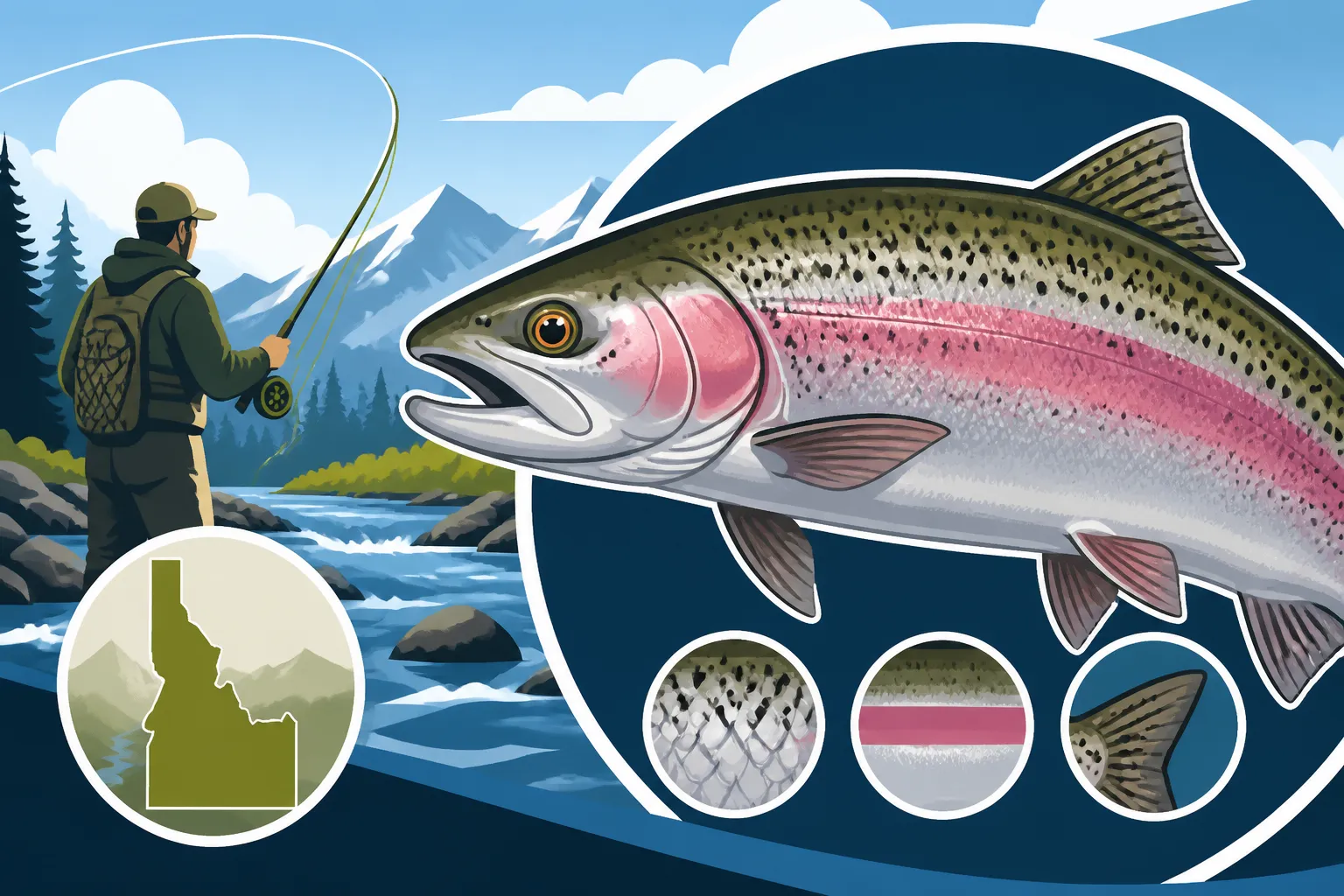
Another subtle difference can be found in the coloration and markings. Wild steelhead, having spent their lives entirely in natural environments and migrating vast distances, often display more vibrant and natural color patterns. Their iridescent silver sheen can be more pronounced, and their spotting might be more distinct and evenly distributed. The famous "rainbow" stripe along their lateral line can also be particularly vivid, especially as they get closer to spawning. These colors are a testament to their diet and environment in the ocean and rivers.
Hatchery steelhead, while still beautiful, sometimes have a slightly duller or more uniform coloration. Their spots might appear less defined, or their overall silver sheen might not be quite as brilliant as their wild counterparts. However, this is one of the most variable indicators, as a fish's color can change dramatically depending on its time in freshwater, diet, and even stress levels. So, while it can be a helpful supporting clue, never use coloration as the definitive identifier. It's truly a secondary observation to the adipose fin check.
Head Shape and Snout
While less definitive, some experienced anglers can discern subtle differences in head shape and snout length. Wild steelhead often have a more refined, pointed head and snout, indicative of their natural feeding and swimming behaviors in the wild. Their jaws might appear leaner and more angular.
Hatchery fish, again, due to their controlled environment and sometimes different genetic strains used for stocking, might occasionally have a slightly blunter or more rounded snout. This isn't a hard and fast rule, and it takes a very keen eye and a lot of experience to reliably use this as an indicator. Still, when combined with other observations, it can add to the overall picture. These subtle differences contribute to the overall impression, but remember, the adipose fin is your undeniable proof. For more context on the species, you might find Idaho Steelhead Identification Guide helpful.
Practical Tips for Anglers on the Water
Successfully identifying a wild steelhead requires careful observation and a commitment to responsible angling practices. Here are some actionable tips to ensure you make the right call every time you land one of these magnificent fish.
Carrying a Reference Guide
Even the most seasoned anglers can benefit from having a quick reference. Consider carrying a small, waterproof field guide or a laminated card that clearly illustrates the difference between a clipped and an intact adipose fin. Many anglers keep a digital version on their phone (just be mindful of wet hands!). You can often find such guides from Idaho Fish and Game, or you might find general fish identification guides on Amazon that include details on salmonids. Having a visual aid handy, especially when you're caught up in the excitement of a fresh catch, can be invaluable for confirming your identification. This is particularly useful for those moments when you're simply not sure and need a quick refresher.
Taking Your Time with the Catch
The moment you land a steelhead, the adrenaline can be pumping, but it's critical to take a deep breath and slow down. Minimize the time the fish is out of the water. Handle the fish gently with wet hands or a wet net. Before you even think about putting it on a stringer or in a cooler, carefully examine the adipose fin area. Don't rush this process. Support the fish horizontally, look for the fin, and if it's intact, prepare for a gentle release. Keep your camera ready, but prioritize the fish's health over the perfect photo. Taking a few extra seconds to ensure a correct identification and a proper release vastly improves the fish's chances of survival. Knowing Idaho Catch-and-Release Sturgeon Rules can also give you some good general principles for safe fish handling applicable to steelhead.
When in Doubt, Release
This is perhaps the most important rule of all when it comes to identifying wild steelhead: if you are ever in doubt, release the fish. It's always better to err on the side of caution. The consequences of accidentally keeping a wild steelhead are severe for both you and the fish, whereas releasing a hatchery steelhead by mistake has no negative impact on the fishery. This "when in doubt, let it out" philosophy is a cornerstone of ethical angling, especially in fisheries with sensitive wild populations. Many anglers adopt a catch-and-release mindset for all steelhead, regardless of whether they are wild or hatchery, to ensure they are always on the right side of the regulations and to contribute to conservation efforts. Always double-check the current Idaho Fishing Regulations Explained for the specific waterbody you are fishing, as rules can vary.
Here's a quick comparison table to help summarize the key differences:
| Feature | Wild Steelhead | Hatchery Steelhead |
|---|---|---|
| Adipose Fin | Present and intact, though may show minor natural wear | Absent due to clean clipping |
| Body Shape | Often more streamlined, athletic, natural form | Can sometimes be slightly thicker, less refined |
| Fin Condition | Fins typically perfect, sharp, and undamaged | Other fins (not adipose) may show some erosion or fraying |
| Coloration | Usually more vibrant, natural, distinct spots | Can sometimes be duller or more uniform, spots less defined |
| Head/Snout | Often more pointed or refined | Can sometimes be slightly blunter or more rounded |
Remember, while this guide gives you the tools, the best way to become proficient at identification is through experience on the water. Get out there, practice safe handling, and contribute to the conservation of Idaho's incredible steelhead fishery. Always refer to the official Idaho Fishing Regulation Brochure and Proclamation for the most up-to-date rules specific to your fishing location. If you are targeting these amazing fish, consider reading up on Idaho Steelhead Fishing Guide or specific river rules like Idaho Fishing Rules for the Clearwater River Explained or Idaho Fishing Rules for the Salmon River Explained. You'll also need to be aware of Idaho Catch Record Card Requirements for any steelhead you retain. And if you're gearing up, you can find a lot of essential items, like waterproof rule books or specialized fishing tools, on Amazon.
Disclaimer
This article is for general informational purposes only and does not constitute professional advice. Laws, prices and regulations vary by location and change over time. Consult a qualified professional for guidance on your specific situation.