Idaho Sockeye Salmon and the Redfish Lake Run
Oh, Idaho sockeye salmon. Just hearing those words conjures up images of an incredible, almost unbelievable journey. Many folks, especially those new to the Gem State or even long-time residents who haven't spent much time in the Sawtooths, might not realize we have Pacific salmon making an epic freshwater migration all the way to our high mountain lakes. It’s a story of resilience, struggle, and ongoing conservation, and it's easy to feel a pang of worry for these determined fish. This guide will take you deep into the world of Idaho's sockeye, focusing on their legendary pilgrimage to Redfish Lake, the hurdles they face, and why their survival matters so much to our state.
The Astounding Odyssey of Idaho's Sockeye Salmon
Imagine swimming thousands of miles, battling currents, evading predators, and leaping over obstacles, all driven by an instinct to return to the exact spot you were born to spawn and complete your life cycle. That's the reality for Idaho's sockeye salmon. Their journey is one of the most arduous migrations in the animal kingdom, a true testament to the power of nature, and often, a heartbreaking race against incredible odds.
A Marathon Migration from the Pacific
Idaho sockeye salmon are an anadromous species, meaning they hatch in freshwater, migrate to the ocean to grow, and then return to freshwater to spawn. For our sockeye, that journey begins (and ends) in the pristine, cold waters of Redfish Lake, nestled high in Idaho's Sawtooth Mountains. From there, they travel downstream, through the Salmon River, into the mighty Snake River, and then the even larger Columbia River, eventually reaching the vast expanse of the Pacific Ocean. They spend several years maturing in the ocean, feeding and growing, before turning around and making the exact same journey in reverse.
Think about that for a moment. They navigate roughly 900 miles of river, swimming against powerful currents, and ascending thousands of feet in elevation, all to reach their natal lake. It’s not just a physical challenge; it's a metabolic marvel. They stop feeding once they enter freshwater and rely entirely on stored energy to complete their migration and spawning. Many don't make it, but those that do embody a spirit of perseverance that's truly awe-inspiring.
Why Redfish Lake Calls Them Home
So, why Redfish Lake? This particular high mountain lake in the Sawtooth National Recreation Area isn't just a picturesque destination for hikers and campers; it's a biological hotspot for sockeye. Redfish Lake and its tributaries offer the specific cold, clean, oxygenated water and gravel beds that sockeye salmon need to successfully spawn. Historically, it was one of the most productive sockeye habitats in the entire Columbia River Basin.
The lake's unique characteristics, combined with its long-standing connection to these fish, make it an irreplaceable part of their life cycle. It's truly incredible that these ocean-going fish can thrive in an environment so far removed from the sea. The cold temperatures and relative isolation have contributed to a unique genetic strain of sockeye, making their preservation even more vital. Visitors to the area often feel a profound connection to this ancient migration. If you're planning a trip, be sure to check out Fishing Redfish Lake in the Sawtooths for general angling info, though remember sockeye are not typically a target species.
The "Redfish" Legacy: Sockeye's Historic Presence
The very name "Redfish Lake" is a direct homage to the sockeye salmon. Before extensive damming and other human impacts, the lake would turn crimson in the late summer and early fall with thousands upon thousands of spawning sockeye, their bodies transforming into a brilliant ruby red as they prepared to reproduce. This vibrant spectacle was a crucial food source for indigenous peoples for millennia and a clear indicator of a healthy ecosystem.
While the runs today are a fraction of their historical numbers, the memory of those crimson waves lives on in the lake's name and in the dedicated efforts to bring them back. Understanding Why Redfish Lake Is Named for Sockeye Salmon really puts into perspective the significance of this place to the species. It’s a powerful reminder of what once was and what conservationists are tirelessly working to restore.
The Perilous Gauntlet: Challenges to Sockeye Survival
The journey itself is tough enough, but imagine facing a series of man-made and natural obstacles that have pushed a species to the brink. Idaho's sockeye salmon are listed under the Endangered Species Act, a stark reminder of the immense pressures they face. Their fight for survival is a complex web of environmental challenges, infrastructure hurdles, and biological threats that require constant attention and intervention.
Navigating a Dammed River System
Perhaps the single greatest challenge for Idaho sockeye is the series of hydroelectric dams on the Columbia and Snake Rivers. These massive structures, while vital for power generation and irrigation, present formidable barriers to migrating salmon. Fish ladders and other passage systems have been implemented, but they are far from perfect. Young smolts heading downstream can be caught in turbines or delayed in slack water reservoirs, becoming easy prey for predators.
The journey upstream is equally daunting. Each dam represents a physical and energetic hurdle. The reservoirs behind these dams also slow down the river's flow, raising water temperatures to dangerous levels, especially during summer months. Sockeye, being a cold-water species, are highly sensitive to these temperature increases. A delay of even a few days can be fatal if the water is too warm, exhausting their already limited energy reserves.
Environmental Stresses and Habitat Degradation
Beyond the dams, sockeye face a range of environmental stresses. Changes in ocean conditions, influenced by broader climate patterns, can impact their food supply and survival rates at sea. Closer to home, habitat degradation in spawning and rearing areas, though less pronounced in the protected Sawtooths, can still pose issues. Runoff from agricultural areas or development, even miles away from the lake, can subtly alter water quality.
Climate change, with its associated warmer temperatures and altered precipitation patterns, is a significant long-term threat. Reduced snowpack in the mountains can mean lower river flows and warmer water temperatures in the critical migration corridors and even in Redfish Lake itself. These cumulative environmental shifts create a precarious situation for a species already struggling for every advantage.
Predation and Disease: Natural and Introduced Threats
Predation is a natural part of the salmon's life cycle, from birds and larger fish in freshwater to seals and whales in the ocean. However, the altered river environment due to dams has concentrated predators in certain areas, making it easier for them to target migrating salmon and smolts. For example, some non-native fish species thrive in the reservoir environments created by dams and prey heavily on young salmon.
Disease can also be a significant factor, particularly when fish are stressed from their long migration or warm water. Fish crowded in certain areas or weakened by environmental conditions are more susceptible to pathogens. The interplay of these natural and introduced threats adds another layer of complexity to the sockeye's already difficult journey. This is why strict adherence to regulations like Idaho Fishing Regulations Explained and Idaho Catch Limits and Bag Limits Explained is so crucial to protect vulnerable species and their habitats.
Sustaining the Spark: Hatchery Programs and Conservation Efforts
Given the monumental challenges, it's clear that human intervention is absolutely essential for the survival of Idaho's sockeye salmon. For decades, dedicated scientists, state and federal agencies, and passionate conservation groups have been working tirelessly to keep the species from disappearing entirely. These efforts are multifaceted, combining scientific research with on-the-ground management.
The Critical Role of Hatcheries in Recovery
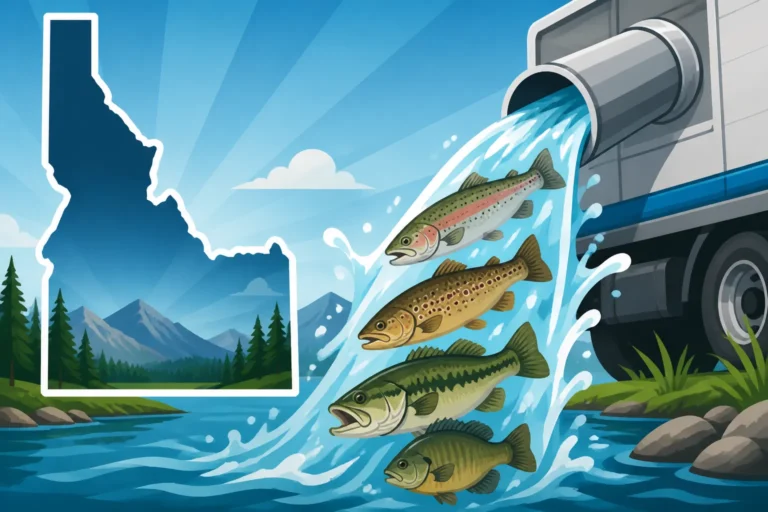
Hatchery programs are a cornerstone of sockeye recovery in Idaho. Without them, it's highly likely the species would have already vanished from our state. Fish and Game biologists collect sockeye from the wild run (when there are any) or from returning hatchery-reared fish. These fish are then spawned in a controlled hatchery environment, protecting their eggs and young from the myriad dangers of the wild. The offspring are reared to a specific size, then released into Redfish Lake or transported directly to the Columbia River system, giving them a much higher chance of survival than if they were left to fend for themselves from egg stage.
These hatcheries act as a genetic ark, preserving the unique Idaho sockeye strain. They ensure that even in years with critically low wild returns, there are still fish available to continue the lineage. It’s a painstaking process, requiring immense dedication and a deep understanding of salmon biology, but it’s a non-negotiable part of the current recovery strategy. If you're curious about how this compares to other species, you might find Idaho Chinook Salmon Fishing Guide or Idaho Kokanee Fishing Guide interesting, as they also involve complex management.
Supplementation and Genetic Preservation
The goal of these hatchery programs isn't just to keep fish alive; it's to supplement the wild population and, ultimately, to re-establish self-sustaining runs. This means carefully managing the genetic diversity of the hatchery stock to ensure they remain as genetically similar to wild fish as possible. Scientists work hard to minimize the impacts of domestication, so when hatchery-reared fish do return to spawn naturally, they contribute effectively to the wild gene pool.
This effort includes genetic analysis, careful breeding protocols, and even "captive broodstock" programs where a portion of the sockeye population is maintained in hatcheries for their entire life cycle, ensuring a continuous supply of genetically diverse offspring for release. It's a long-term commitment, often spanning generations of fish and scientists, all aimed at restoring a vibrant future for the sockeye.
Collaborative Efforts for a Brighter Future
The fight for Idaho sockeye isn't fought by one agency alone. It's a massive collaborative undertaking involving the Idaho Department of Fish and Game, the National Oceanic and Atmospheric Administration (NOAA) Fisheries, tribal nations, universities, and numerous non-profit conservation groups. Each plays a vital role, from scientific research and monitoring to advocacy for dam management changes and habitat restoration.
This collaboration extends to legislative efforts to secure funding, research into fish passage improvements, and public education campaigns. It’s a powerful example of what can be achieved when diverse groups come together for a common environmental cause. Every individual who learns about the sockeye, supports conservation, or simply respects the regulations plays a part in this collective effort.
Witnessing the Miracle: Experiencing the Redfish Lake Run
For many, the first time they truly grasp the majesty and struggle of the Idaho sockeye is by witnessing their return to Redfish Lake. It's an experience that can evoke both wonder and a touch of melancholy, seeing these magnificent fish complete their incredible journey against such odds. While the runs vary from year to year, the opportunity to see these living legends is a powerful one.
When and Where to See the Sockeye
The best time to witness the Idaho sockeye salmon return to Redfish Lake is typically in late July, August, and early September. This is when the mature sockeye, having navigated the long and dangerous river systems, finally arrive at the lake. Their numbers can fluctuate dramatically, from just a handful in some challenging years to hundreds, or even a few thousand, in better ones.
The primary viewing area is often near the Redfish Lake Creek spawning channel and the sockeye trapping facility at the lake's inlet. Here, you can sometimes observe biologists at work, counting fish, and gathering individuals for the hatchery program. The observation points are usually well-marked, and information is often provided by the Forest Service or Fish and Game staff. For those keen to know more about the annual spectacle, checking What Idaho's Sockeye Salmon Run Looks Like at Redfish Lake closer to the season will give you up-to-date information.
Respecting the Fish and Their Environment
When visiting Redfish Lake during the sockeye run, respectful observation is paramount. Remember that these fish are at the culmination of their life's purpose; they are stressed, vulnerable, and preparing to spawn. Giving them space is crucial.
- Keep your distance: Do not approach or harass the fish.
- No fishing for sockeye: Sockeye salmon are an endangered species, and it is illegal to target or possess them. This is a critical regulation, and anyone caught doing so faces severe penalties. If you accidentally hook one while fishing for other species, release it immediately and unharmed. Always consult Idaho Fishing License Guide and Idaho Fishing Season Dates and Limits for legal fishing activities.
- Stay on designated paths: Protect their spawning grounds and the delicate riparian habitat by remaining on established trails and viewing areas.
- Pack out what you pack in: Keep the area pristine for both the fish and other visitors.
- Leave pets at home or on a leash: Even well-behaved dogs can disturb wildlife.
By following these simple guidelines, you ensure that you are part of the solution, not adding to the challenges these fish face.
Beyond the Sockeye: Exploring Redfish Lake
While the sockeye are a star attraction, Redfish Lake and the surrounding Sawtooth Mountains offer a wealth of other recreational opportunities. It’s a destination for hiking, camping, boating, and fishing for other species.
The lake itself holds good populations of rainbow trout, Dolly Varden (a protected char, often mistaken for brook trout), and kokanee salmon – the landlocked cousins of sockeye. There are numerous trails for all skill levels, offering breathtaking views of the rugged Sawtooths. You can rent kayaks or paddleboards, take a scenic boat tour, or simply relax on the sandy beaches. The Redfish Lake Lodge offers lodging, dining, and other amenities. Before heading out, make sure you have the right gear. A pair of good binoculars from Amazon can enhance your wildlife viewing experience, and a sturdy daypack, also easily found on Amazon, will carry your essentials for exploring the trails.
Sockeye vs. The Look-Alikes: Identifying Idaho's Red Jewel
It's easy to get confused when you're looking at different salmonid species, especially when some of them share similar characteristics or colorations during certain times of the year. However, understanding the distinctions between sockeye and other fish, particularly their close relatives like kokanee, is really important, especially from a conservation standpoint. You want to make sure you're respecting the rules and appreciating the unique qualities of each.
The Common Confusion with Kokanee
One of the most frequent confusions is between sockeye salmon and kokanee salmon. This isn't surprising, as kokanee are actually landlocked sockeye! They are the same species, Oncorhynchus nerka, but kokanee spend their entire lives in freshwater, never migrating to the ocean. Because of this shared ancestry, they can look remarkably similar, especially when they begin their spawning process and turn that iconic reddish color.
Here's the key difference: size. Ocean-run sockeye salmon that return to Redfish Lake are generally much larger than kokanee, often weighing several pounds and measuring over 20 inches. Kokanee, having spent their lives in lakes, are typically much smaller, usually under 15 inches. Their coloration during spawning is also incredibly intense, a deep crimson for sockeye. Understanding the Difference Between Kokanee and Sockeye Salmon is crucial for both identification and appreciating their distinct life histories.
Here's a quick comparison:
| Feature | Idaho Sockeye Salmon | Idaho Kokanee Salmon |
|---|---|---|
| Life Cycle | Anadromous (ocean-run, return to freshwater to spawn) | Landlocked (entire life in freshwater lakes) |
| Size (Adult) | Typically 18-28+ inches, several pounds | Typically 8-15 inches, less than a pound |
| Spawning Color | Intense, deep crimson body with green head | Bright red-orange body with green/brown head |
| Conservation | Endangered, strictly protected (no harvest) | Managed fishery (harvest often allowed with license) |
| Habitat | Redfish Lake (spawning), Pacific Ocean (rearing) | Various Idaho lakes (e.g., Lake Coeur d'Alene, Payette Lake) |
Distinguishing from Chinook and Other Salmonids
While sockeye and kokanee share a direct lineage, telling sockeye apart from other salmon species like Chinook (also known as King salmon) is also important. Chinook salmon are the largest of the Pacific salmon, and they also make incredible migrations to Idaho rivers, particularly the Salmon River and Clearwater River. They can overlap in some areas during their upstream migration.
The main differentiators are size, mouth structure, and coloration. Chinook salmon are much larger, with adults often exceeding 20 pounds. Their mouths are typically darker, and they have spots on both their upper and lower tail lobes, which sockeye lack. Sockeye, when fresh from the ocean, are bright silver with few spots. As they near spawning, their distinctive red body and green head are unmistakable. When you're out fishing, identifying the species correctly, especially if it's a Idaho Chinook Salmon Fishing Guide trip, helps ensure you adhere to regulations.
Other trout species found in Idaho, like rainbow trout or cutthroat trout, typically have different body shapes, fin structures, and spotting patterns. Sockeye have a more streamlined, torpedo-like body, and their scales are smaller. Their bright spawning colors are unique among the Idaho salmonids. You can learn more about the broader fish populations in the state through the Idaho Fish Species Guide.
Unique Spawning Colors and Characteristics
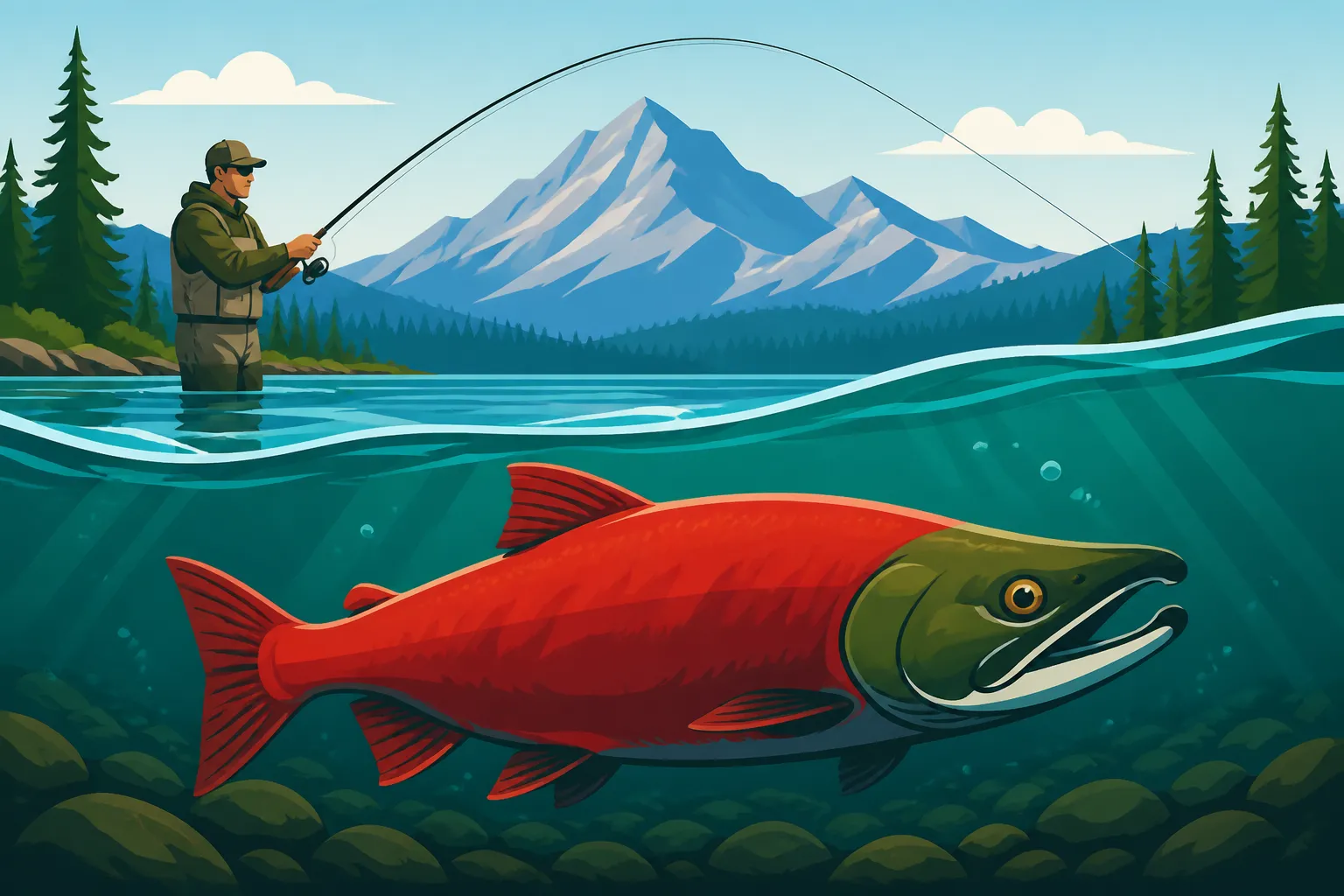
The most iconic characteristic of Idaho sockeye salmon, especially during their return to Redfish Lake, is their astounding transformation in color. As they complete their migration and prepare to spawn, their bodies turn a brilliant, iridescent red, and their heads become a vibrant olive green. This dramatic change is triggered by hormones and serves to attract mates.
Their jaws also become elongated and hooked (a kype in males), and their bodies deepen, especially through the shoulders. This deep red hue is why they were originally called "redfish" by early settlers. This transformation is a clear signal of the end of their life cycle, as they will spawn and then die, their decaying bodies providing nutrients back to the very stream that gave them life, sustaining the next generation. It's a poignant and beautiful natural spectacle, a true symbol of nature's relentless cycle.
Planning Your Visit to Redfish Lake and the Surrounding Area
Redfish Lake is a truly special place, offering not just the chance to witness the amazing sockeye run but also a stunning backdrop for all sorts of outdoor adventures. If you're planning a trip to this iconic destination, a little preparation can go a long way in making your experience memorable and respectful of the environment.
Best Time to Witness the Run
As mentioned earlier, the prime window for potentially seeing Idaho sockeye salmon at Redfish Lake is generally from late July through early September. However, "best" can be subjective and vary annually based on river conditions, water temperatures, and the size of the returning run.
To maximize your chances:
- Check current reports: Before you go, consult the Idaho Department of Fish and Game's website or visitor centers in the area for the most up-to-date information on sockeye returns. They often provide weekly counts during the peak season.
- Weekdays might be quieter: Redfish Lake is a popular destination. If you prefer fewer crowds, consider visiting on a weekday rather than a weekend, especially in August.
- Morning and evening light: For photography and general observation, early mornings or late afternoons often provide the best light and can be less crowded.
Remember, seeing sockeye isn't guaranteed every year, but the beauty of Redfish Lake and the Sawtooths makes any trip worthwhile, even if the fish are elusive.
Nearby Fishing and Recreation Opportunities
Beyond the sockeye observation, the Redfish Lake area is a hub for recreation. You can spend days exploring and still not see it all.
- Other fishing: While sockeye are off-limits, you can still enjoy fishing for other species in Redfish Lake and nearby waters. The lake itself hosts rainbow trout and kokanee salmon. Check the local regulations carefully for specific limits and rules on different species. Many anglers head to the Salmon River itself for different opportunities, but always review the Idaho Fishing Regulations Explained for species-specific rules. If you're into fly fishing, the nearby streams can offer some incredible experiences.
- Hiking and backpacking: The Sawtooth Wilderness offers hundreds of miles of trails, from easy lakeside strolls to challenging climbs into high-alpine basins. Popular options include the trail to Alpine Lake or those leading deeper into the Sawtooths for multi-day backpacking trips.
- Boating and water sports: Rent a kayak, canoe, or paddleboard to explore the lake's shores. Motorboat rentals are also available, allowing you to venture further out.
- Camping and lodging: There are several campgrounds around Redfish Lake, though they fill up quickly, especially during peak season. Reservations are highly recommended. The historic Redfish Lake Lodge offers a more comfortable stay with dining options and various activities.
This entire region is a testament to Idaho's wild beauty, so take the time to soak it all in.
Essential Gear for Observation and Exploration
Being prepared for your Redfish Lake visit will enhance your experience. Here's a checklist of essentials:
- Comfortable footwear: Whether you're walking around the lake or hitting the trails, good shoes are a must.
- Layers of clothing: Mountain weather can change quickly. Be prepared for cool mornings, warm afternoons, and potential evening chills. A rain jacket from Amazon is always a good idea.
- Sun protection: Hat, sunglasses, and sunscreen are crucial at higher elevations.
- Water bottle: Stay hydrated, especially if you're hiking. Many reusable bottles are available on Amazon.
- Binoculars: Essential for spotting sockeye at a respectful distance or for wildlife viewing. You can find some excellent options for birdwatching or general wildlife observation on Amazon.
- Camera: To capture the breathtaking scenery and, hopefully, some glimpses of the sockeye.
- Snacks: Especially if you plan on extended exploration.
- Bug spray: Mosquitoes can be prevalent, especially in the evenings near the water.
- Fishing license (if fishing): Make sure you have the proper Idaho Fishing License Guide for any fishing you plan to do, even for catch and release.
Packing smart ensures you can fully immerse yourself in the natural wonders of the Sawtooths and appreciate the incredible journey of the Idaho sockeye salmon.
Disclaimer
This article is for general informational purposes only and does not constitute professional advice. Laws, prices and regulations vary by location and change over time. Consult a qualified professional for guidance on your specific situation.