Idaho’s State Fish Explained
It's easy to get lost in the sheer variety of incredible fish species swimming in Idaho's waters. With so many trout, salmon, bass, and unique creatures like sturgeon, it can be tough to pinpoint just one as truly emblematic of the Gem State. But there is indeed one fish that holds a special place in the hearts of Idahoans and represents the wild, pristine beauty of our rivers and lakes. This guide will take a deep dive into Idaho's official state fish, exploring its characteristics, the reasons behind its designation, and how you can experience the magic of catching one yourself.
The Legacy of Idaho's State Fish: The Cutthroat Trout
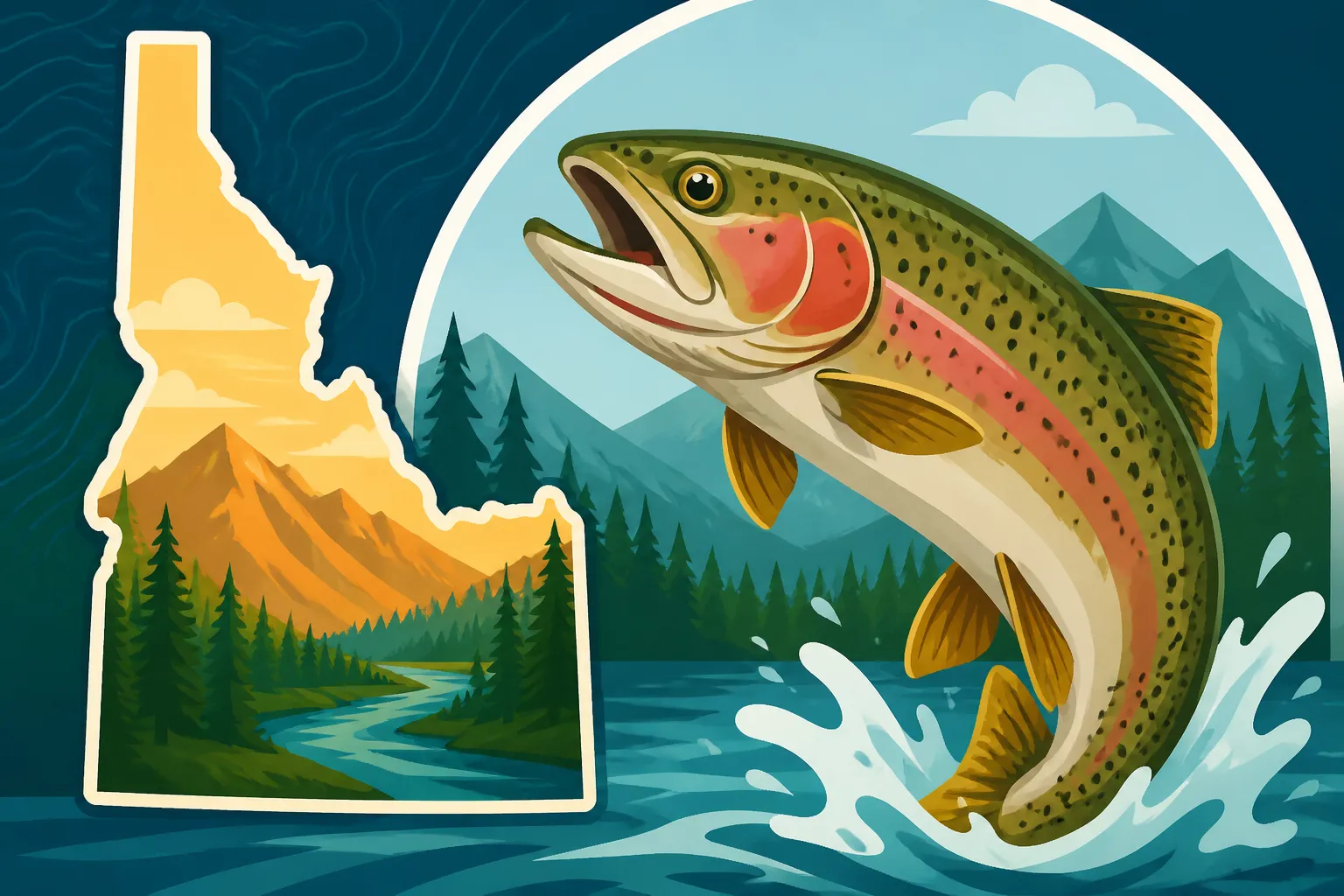
When you think of Idaho, images of towering mountains, crystal-clear rivers, and vast wilderness often come to mind. It's only fitting that our state fish embodies these same qualities – wild, beautiful, and inextricably linked to our natural environment. For many anglers, the cutthroat trout isn't just a fish; it's a symbol of what makes Idaho so special.
A Symbol of Wild Idaho
The cutthroat trout, specifically the Westslope and Yellowstone subspecies which are native to our waters, was officially designated as Idaho's state fish in 1990. This wasn't a decision made lightly, but rather a recognition of a species that has thrived here for millennia, adapting to the diverse aquatic environments from the high mountain lakes to the robust river systems. Unlike many other species that have been introduced or stocked, the cutthroat trout truly belongs to Idaho, weaving itself into the very fabric of our natural heritage. Its resilience in challenging conditions and its vibrant beauty reflect the rugged spirit of the state itself, making it a proud emblem for all Idahoans. You can learn more about different fish species in Idaho in our comprehensive Idaho Fish Species Guide.
The "Cutthroat" Name Explained
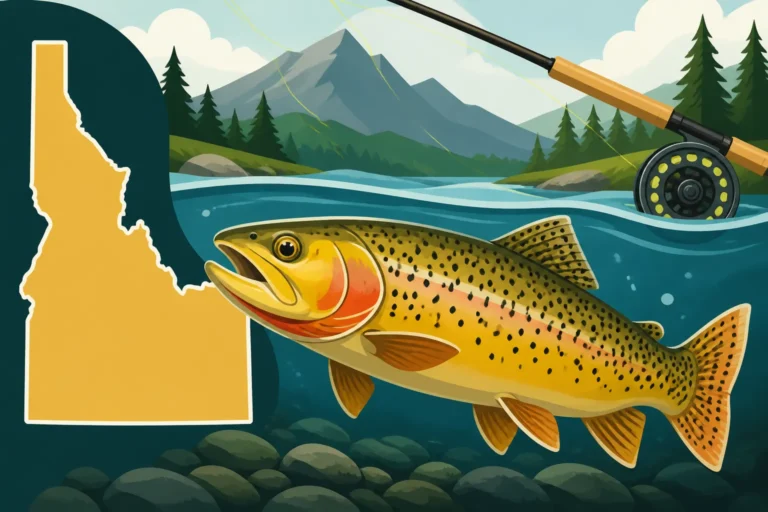
The distinctive name of the cutthroat trout comes from a very specific and easily identifiable feature: the vivid red, orange, or crimson slashes found on the underside of its lower jaw. These "cutthroat" marks are present on nearly all subspecies, though their intensity can vary depending on the specific strain, diet, and even the water quality of its habitat. It's these bright, blood-like markings that immediately set them apart from other trout species like rainbows or brown trout, creating an instant identifier for anglers and naturalists alike. It’s a striking visual that, once seen, isn't easily forgotten and makes a cutthroat catch truly memorable.
Dive Deep into the Species: Identifying Idaho's Cutthroat Trout
Understanding the specific traits of the cutthroat trout helps us appreciate its unique place in Idaho's ecosystem. While all cutthroats share that characteristic jaw marking, there are subtle differences, especially between the two primary native subspecies found here. Knowing these distinctions can make your fishing experience even more rewarding.
Distinctive Features and Appearance
Beyond the tell-tale crimson slash, cutthroat trout have several other defining characteristics that distinguish them. Their body coloration can range from olive-green to silvery-bronze, often adorned with black spots that are typically concentrated towards the tail, though they can extend forward along the sides. These spots are usually larger and more irregularly shaped than those found on rainbow trout. Cutthroats also tend to have a more elongated body shape compared to some other trout. Their mouth often extends back to, or slightly beyond, the rear edge of the eye, a feature that also helps in identification. The size they reach varies significantly depending on the water body and food availability, but many can grow to impressive lengths, offering a thrilling fight for anglers. When you're out on the water, having a good field guide or even a waterproof identification chart from Amazon can be a huge help in distinguishing your catch.
Subspecies Spotlight: Westslope vs. Yellowstone Cutthroat
Idaho is home to two primary native subspecies of cutthroat trout, each with its own distinct range and subtle characteristics:
- Westslope Cutthroat Trout: These are often found in the northern and central parts of Idaho, west of the Continental Divide. They typically have a more olive-green body coloration, with smaller, more scattered spots that are concentrated towards the tail. Their "cutthroat" marks can sometimes be a lighter orange or yellow hue. Westslopes are known for preferring colder, clearer streams and rivers, often in mountainous terrain. They are incredibly resilient and a true indicator of pristine aquatic environments. You can often find them in tributaries of the Salmon River or Clearwater River.
- Yellowstone Cutthroat Trout: As their name suggests, these cutthroats are native to the Yellowstone River drainage, which extends into southeastern Idaho. They tend to have a more brassy or golden-yellow coloration, with larger, more numerous spots that are often distributed more evenly across their body. Their "cutthroat" marks are typically a vibrant red. Yellowstone cutthroats are more tolerant of warmer, murkier water than their Westslope cousins and are often found in larger rivers and lakes like the South Fork of the Snake River. Understanding the nuances of these different subspecies helps explain why Idaho Cutthroat Trout Fishing Guide is such a valuable resource.
It's crucial for anglers to be able to tell these subspecies apart, not just for bragging rights, but because regulations can sometimes differ slightly based on the subspecies and specific water body. Their subtle differences in appearance and preferred habitat are fascinating to observe in the wild, showcasing the incredible biodiversity within the cutthroat trout family right here in Idaho.
Habitat and Preferred Environments
Cutthroat trout are true inhabitants of wild, pristine Idaho. You'll generally find them in cold, clear, well-oxygenated waters, often at higher elevations. They thrive in freestone rivers, mountain streams, and alpine lakes that boast gravel or rocky bottoms and plenty of natural cover like undercut banks, submerged logs, and overhanging vegetation. These features provide vital refuge from predators and strong currents, and also serve as prime ambush points for insects, their primary food source. The sheer diversity of Idaho's landscapes means that cutthroat trout can be found in a surprisingly wide array of waters, from small, brush-lined creeks you can jump across to large, famous rivers that draw anglers from around the world. Their presence is a good indicator of a healthy, robust aquatic ecosystem, as they are sensitive to pollution and habitat degradation. This means when you're fishing for cutthroat, you're usually in some of the most beautiful and untouched parts of the state.
Why the Cutthroat? The Significance of Idaho's State Fish
The choice of the cutthroat trout as Idaho's state fish wasn't merely about picking a pretty fish. It was a deeply considered decision that speaks to the ecological health, native heritage, and cultural value that this remarkable species represents for the Gem State. It's a testament to the importance of preserving our natural resources.
Ecological Importance and Native Status
The cutthroat trout plays a critical role in Idaho's aquatic ecosystems, primarily as a native species that has evolved alongside countless other plants and animals in our waters. As an indicator species, a healthy population of cutthroat trout signals a healthy environment; conversely, declining numbers can alert biologists to potential problems with water quality, habitat degradation, or invasive species. They are a crucial part of the food web, both as predators of insects and smaller fish, and as prey for larger fish, birds, and mammals. Their native status means they are perfectly adapted to Idaho's unique environmental conditions and have coexisted with other native species for centuries, contributing to the overall biodiversity and stability of our aquatic environments. Understanding their intricate role helps us appreciate why conservation efforts are so vital, as detailed in our guide to Westslope Cutthroat Trout in Idaho and Yellowstone Cutthroat Trout in Idaho.
Conservation Status and Efforts
Despite their native resilience, cutthroat trout populations, particularly the Westslope and Yellowstone subspecies, have faced significant challenges over the years. Habitat loss due to development, logging, and agricultural practices, along with the introduction of non-native species like rainbow trout (which can hybridize with cutthroats, diluting their genetic purity), have all taken a toll. This is why extensive conservation efforts are ongoing across the state. The Idaho Department of Fish and Game, alongside numerous conservation groups, works tirelessly to protect and restore cutthroat habitats, manage populations through careful fishing regulations, and control invasive species. Programs often involve restoring stream banks, improving water quality, and sometimes even relocating pure-strain cutthroat into historical habitats. These efforts are not just about protecting a single species, but about preserving the health of entire river systems for future generations. For more information on why specific fish species are protected, you might find Are Idaho's Bull Trout Protected in Idaho? an interesting read.
Historical and Cultural Connections
Long before Idaho was a state, Native American tribes revered the cutthroat trout as a vital food source and an integral part of their spiritual and cultural practices. Early European explorers and settlers also relied on these abundant fish for sustenance during their arduous journeys and while establishing communities. The image of the cutthroat trout has been etched into the state's identity, symbolizing the wildness and abundance that once defined the American West. Today, it continues to inspire anglers, artists, and conservationists, fostering a deep connection to Idaho's natural landscapes. Many a story has been told around campfires about chasing these beautiful fish in remote mountain streams, passing down a legacy of outdoor adventure and appreciation for the wild. This rich history and enduring cultural significance make the cutthroat trout a truly deserving state symbol. Even browsing vintage fishing books on Amazon will show you how deeply ingrained trout fishing, and particularly cutthroat, is in the culture of the Rocky Mountain West.
Angling for Idaho's Icon: Fishing for Cutthroat Trout
If you're an angler in Idaho, catching a cutthroat trout is often high on the bucket list. They offer a fantastic challenge and the reward of holding a truly beautiful, wild fish that represents the very soul of the state. Knowing where to go and how to approach them can make all the difference.
Best Techniques and Tackle
Catching cutthroat trout often involves embracing lighter tackle and more subtle approaches, especially in their natural stream habitats. For fly anglers, standard 3- to 5-weight rods are ideal, paired with floating lines. Cutthroats are often opportunistic feeders, so attractor patterns like Elk Hair Caddis, Royal Wulff, or various dry-dropper setups work well, especially during insect hatches. Nymphing with patterns like Prince Nymphs, Hare's Ear, or pheasant tails can be incredibly effective when fish are feeding sub-surface. For spin anglers, ultralight spinning gear with 2-4 pound test line is perfect. Small spinners (like Panther Martins or Mepps), tiny spoons, or micro-jigs tipped with a small piece of worm or powerbait are often irresistible. Always remember that cutthroat can be a bit skittish, so a stealthy approach and accurate casts are key. Keep your shadows off the water and move slowly, observing before you cast. If you're looking for guidance on specific flies, you might want to read our article on Best Flies for Cutthroat Trout.
Prime Waters for Cutthroat Fishing
Idaho is blessed with countless waters where cutthroat trout thrive. Some of the most renowned locations include the St. Joe River in the Panhandle, famous for its strong population of Westslope cutthroat in a stunning forest setting. The South Fork of the Snake River, particularly its upper stretches, is legendary for Yellowstone cutthroat, offering incredible dry fly fishing opportunities. High mountain lakes throughout the Sawtooths, Frank Church-River of No Return Wilderness, and other ranges are also phenomenal, often holding hungry cutthroat that haven't seen many flies or lures. Even smaller, unnamed creeks and tributaries can hold abundant populations if you're willing to hike and explore. It’s always a good idea to consult local fishing reports or stop by a fly shop to get the most up-to-date information on conditions and prime locations. Resources like Fishing the St. Joe River for Cutthroat Trout and Fishing the South Fork of the Snake River can provide excellent starting points for your adventure. Remember, sometimes the best cutthroat fishing is found in waters that require a bit of effort to reach, rewarding those willing to earn their catch.
Understanding Regulations and Responsible Angling
Fishing for Idaho's state fish comes with a responsibility to protect it for future generations. Regulations for cutthroat trout can vary significantly depending on the specific water body and subspecies, so always consult the most current Idaho fishing regulations brochure before you head out. These regulations might include specific bag limits, size restrictions, or even tackle restrictions (e.g., fly fishing only, single barbless hooks). Many areas operate under catch-and-release rules, especially for native populations, to help ensure their survival. Practicing proper catch-and-release techniques is vital: minimize handling, keep the fish in the water as much as possible, and use barbless hooks to reduce harm. Understanding how to identify a Westslope Cutthroat Trout in Idaho versus a Yellowstone Cutthroat Trout in Idaho is especially important, as rules can sometimes differ between the two. Being a responsible angler not only helps conserve this iconic species but also contributes to the overall health of Idaho's incredible aquatic environments. Always verify you have the correct Idaho Fishing License Guide before you cast a line.
| Cutthroat Subspecies | Primary Range in Idaho | Appearance Notes | Typical Habitat | Conservation Status |
|---|---|---|---|---|
| Westslope Cutthroat | North and Central Idaho (west of Continental Divide) | Olive-green, small spots mostly on tail, lighter jaw slashes | Cold, clear mountain streams & rivers | Native, focus on habitat protection |
| Yellowstone Cutthroat | Southeast Idaho (Yellowstone River drainage) | Brassy/golden-yellow, larger spots across body, vibrant red jaw slashes | Larger rivers, some lakes, more tolerant of warmer water | Native, focus on genetic purity & habitat |
Disclaimer
This article is for general informational purposes only and does not constitute professional advice. Laws, prices and regulations vary by location and change over time. Consult a qualified professional for guidance on your specific situation.