Best Lures for River Smallmouth Bass
Trying to coax a feisty smallmouth bass out of Idaho's powerful rivers can feel like a puzzle sometimes, especially when you're staring at a tackle box full of options and wondering what they'll actually strike. Those bronze bombers are notorious for their aggressive strikes and acrobatic fights, but getting them to commit often comes down to presenting the right lure in the right way. This guide is all about cutting through the guesswork, diving deep into the lures that consistently deliver results for river smallmouth bass, and sharing the secrets to fishing them effectively in Idaho's diverse waterways.
Why River Smallmouth Bass are a Different Beast
If you've ever fished for largemouth bass in a calm lake, you know that river smallmouth bass are a whole different ballgame. They're built for current, structure-oriented, and often react to presentations much more aggressively. Understanding this fundamental difference is crucial before you even start thinking about what lure to tie on.
Understanding Their Habitat and Behavior
River smallmouth bass, often referred to as "bronzebacks," thrive in moving water. Unlike their largemouth cousins who prefer weedy, still-water environments, smallmouth are perfectly adapted to the currents, rocky bottoms, and varied structures of rivers like the Snake River or parts of the Clearwater. They'll hug current breaks, hide behind boulders, lurk in eddies, and patrol gravel bars, always looking for an ambush point to snatch unsuspecting baitfish or crayfish. Their strong, muscular bodies are designed to fight the current, making them incredibly powerful and fun to catch. They're also highly opportunistic feeders, which means they're constantly on the lookout for a meal. This behavior directly influences the types of lures that work best – you need something that mimics their natural forage and can be presented effectively in current.
You'll often find them congregating around specific types of structure. Think about submerged logs, rock piles, ledges, undercut banks, and bridge pilings. These spots offer them protection from the current, a place to hide from predators, and prime ambush points. When you're on the water, whether it's the Boise River or the Snake, scanning for these features is your first step. Understanding where they hold is paramount to presenting your lure in their strike zone.
The Challenge of Current and Structure
Fishing for smallmouth in rivers presents unique challenges compared to lake fishing. The relentless current can make lure presentation tricky, often sweeping lighter baits away from the target zone too quickly. You need lures that can either cut through the current effectively or be retrieved in a way that exploits it. Heavy jigs, crankbaits with strong diving lips, and spinnerbaits designed for faster retrieves often shine in these conditions.
Beyond the current, the abundance of structure—rocks, logs, swift eddies—means your lure is constantly at risk of getting snagged. This is where lure choice and retrieval technique become critical. Using weedless setups, stout line, and understanding how to "feel" the bottom without getting hung up are skills you'll quickly develop. Imagine you're fishing a stretch of the Snake River known for its fantastic smallmouth bass. You're trying to work a jig along a rocky drop-off, but the current keeps pushing your line, making it hard to feel those subtle bites. This is a common frustration, and it's why having the right lure, and knowing how to adjust, makes all the difference. Sometimes, a heavier jig head or a different angle of approach is all it takes to keep your lure in the strike zone and reduce snags. For more insights on how these fish behave, check out our guide on Idaho Smallmouth Bass Fishing.
Top Lures That Consistently Catch River Smallmouth
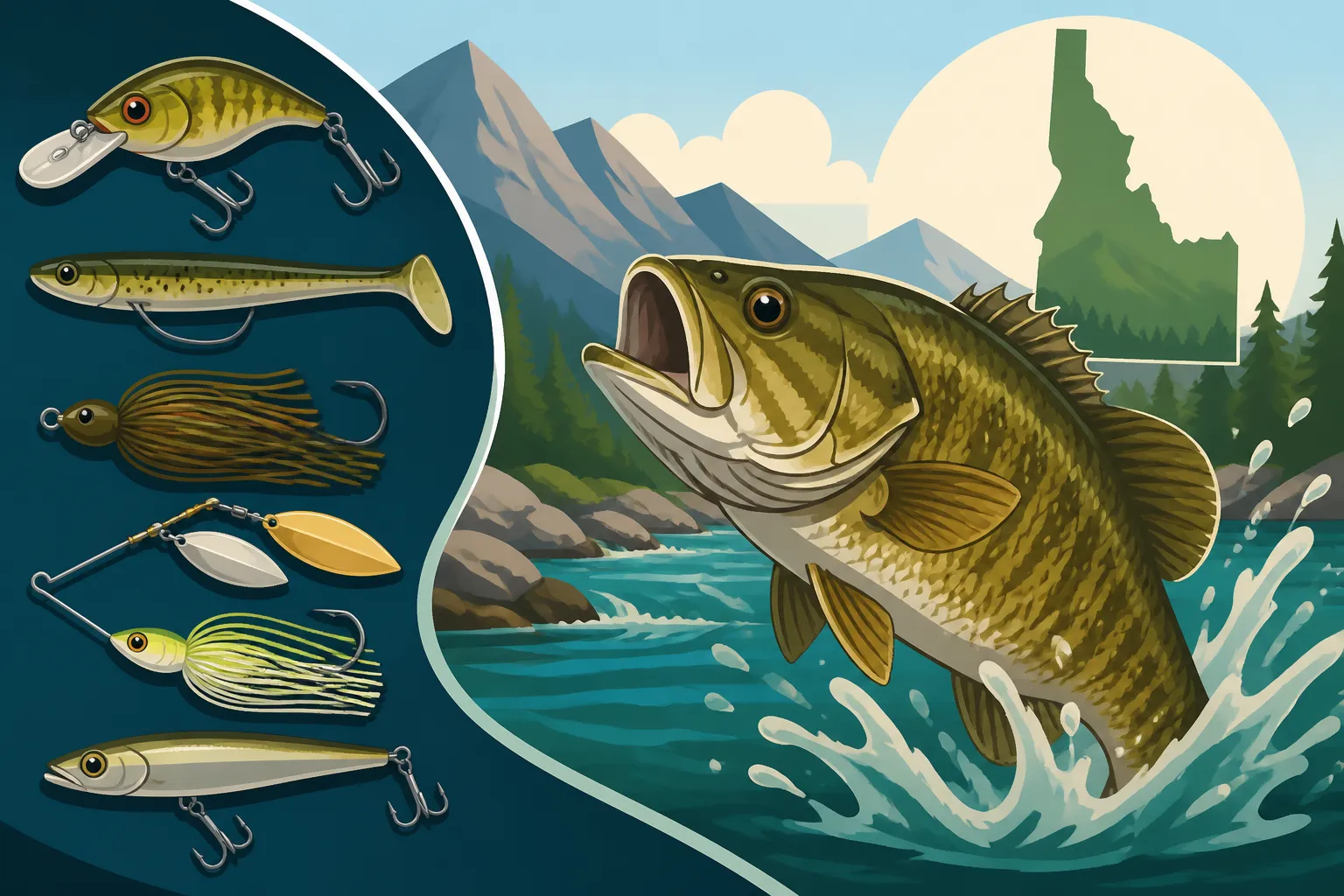
When it comes to river smallmouth, there's no single magic bullet, but a handful of lure categories consistently outperform the rest. These aren't just random suggestions; they're proven producers that mimic their natural food sources and can handle the rigors of river fishing.
Soft Plastics: Versatility is Key
Soft plastics are arguably the most versatile and effective lures for river smallmouth. Their realistic texture, subtle action, and ability to be rigged in countless ways make them irresistible.
Grubs, Tubes, and Senkos
- Grubs: Single-tail or double-tail grubs, especially in sizes from 2 to 4 inches, are absolute staples. Rigged on a jig head (1/8 oz to 1/4 oz is common, but you might go heavier in strong current), they imitate baitfish or crayfish with a tantalizing tail wiggle. Colors like green pumpkin, watermelon, and various shades of brown or black work wonders, especially when trying to mimic crayfish. You can cast them upstream and let them tumble naturally with the current, or retrieve them with a slow, steady hop along the bottom. For example, a 3-inch grub on a 1/4 oz jig head bounced along the bottom of a swift section of the Snake River can be deadly, often triggering reaction strikes from smallmouth hiding behind rocks.
- Tubes: Tubes are another smallmouth powerhouse. Their hollow body and tentacled skirt create a lifelike imitation of a crayfish scurrying along the bottom. You can rig them with an internal tube jig head for a more weedless presentation, or an external jig head for a quicker fall. Drifting and hopping tubes through current breaks and over rocky structure is incredibly effective. Imagine a tube jig slowly tumbling into an eddy on the Clearwater River; it looks exactly like a crayfish dislodged from the rocks, an easy meal for a hungry smallmouth. Popular tube colors include greens, browns, and natural crayfish patterns.
- Senkos (or stick baits): While often associated with largemouth, smaller (3-4 inch) Senko-style baits can be incredibly effective for river smallmouth, particularly when wacky-rigged or Texas-rigged in calmer eddies or slower stretches. Their subtle, wiggling fall is hard for any bass to resist. They're not ideal for heavy current but shine in those deeper, slower pools or around submerged timber where smallmouth might be less aggressive. You can find a huge variety of these soft plastics on platforms like Amazon, making it easy to experiment with different brands and colors.
Hard Baits: Cranking and Jerking Success
When smallmouth are actively feeding or you need to cover water quickly, hard baits become your best friend. Their diving actions, vibration, and flash can trigger aggressive strikes.
Crankbaits and Jerkbaits
- Crankbaits: Medium-diving crankbaits (those that run 5-10 feet deep) are fantastic for bouncing off rocks and deflecting off structure, often triggering a reactionary strike. Look for models with a tight wobble in baitfish patterns (shad, minnow) or crayfish colors. The key here is to make contact with the bottom or structure. A square bill crankbait, for instance, is designed to deflect off cover without getting hung up. Try running a Rapala DT Series crankbait along a submerged ledge on the Snake River and feel the powerful thump when a smallmouth hammers it. The vibration and sudden change in direction can be irresistible.
- Jerkbaits: Long, slender jerkbaits are exceptional for imitating injured baitfish. Suspending jerkbaits are particularly effective in colder water or when fish are lethargic, as they allow you to pause the lure right in their face. A "twitch, twitch, pause" retrieve is standard, and the pause often gets the strike. These work great in clear water and around deeper submerged structure. Imagine suspending a Megabass Vision 110 over a rocky point in a clear Idaho river; that tantalizing pause can be all it takes for a smallmouth to commit. For specific tips on how to use these effectively, our Idaho Fishing Techniques Guide offers a great foundation.
Topwater Lures
- Poppers and Walking Baits: Few things are as exciting as a smallmouth exploding on a topwater lure. Poppers, with their cupped faces, create a "pop" and splash that mimics a struggling baitfish, while "walking the dog" baits (like a Heddon Super Spook Jr.) create a side-to-side glide. These are best used in low light conditions (early morning, late evening) or on overcast days in calmer water, such as a large eddy or a slower pool. Cast them near current breaks, fallen trees, or shaded banks. The sight of a smallmouth launching itself out of the water to attack your lure is an unforgettable experience and a huge adrenaline rush.
Spinnerbaits and Buzzbaits: Flash and Vibration
Sometimes, you need to create a commotion to get a smallmouth's attention, and that's where spinnerbaits and buzzbaits excel.
Spinnerbaits and Buzzbaits
- Spinnerbaits: These lures are incredibly effective for covering water and fishing through heavy cover like submerged brush or weed lines (if present). The flash of the blades and the vibration they produce are powerful attractants. Tandem Colorado/Willow blade combinations are popular, offering both flash and thump. Sizes from 1/4 oz to 1/2 oz are good starting points. Colors vary, but white, chartreuse, and perch patterns are often reliable. Cast a Strike King spinnerbait across current and retrieve it steadily, letting the blades do their work. The smallmouth will feel the vibration long before they see it, giving them time to ambush.
- Buzzbaits: For aggressive topwater action, nothing beats a buzzbait. The sputtering noise and surface disturbance mimic a frantic creature trying to escape. Like other topwater lures, they're best in low light. The key is to retrieve them fast enough to keep them on the surface, making as much noise as possible. They can be particularly effective in shallower riffles or around submerged timber where fish are actively feeding. You can find great options for both spinnerbaits and buzzbaits on Amazon, with various blade configurations and skirt colors to match any condition.
Matching Your Lure to Idaho's River Conditions
Idaho's rivers are dynamic, constantly changing with runoff, weather, and seasonal shifts. The "best" lure isn't static; it adapts to the conditions you face on any given day.
High Water and Murky Conditions
When Idaho's rivers are swollen and muddy from spring runoff or heavy rains, smallmouth bass often hug the banks or move into calmer backwater eddies to escape the strong current and find clearer water. In these conditions, visibility is low, so fish rely more on vibration and scent.
- Vibrating Lures: Think about lures that create a lot of thump and displacement. Spinnerbaits with large Colorado blades, bladed jigs (ChatterBaits), and lipless crankbaits can be highly effective. The strong vibrations help fish locate the lure in the murky water. Bright colors like chartreuse, white, or fire tiger can also stand out better.
- Scented Soft Plastics: Tubes and grubs, especially those infused with strong scents, become even more critical. Rigged on heavier jig heads to maintain bottom contact in stronger currents, they can be slowly dragged or hopped through ambush points. Consider adding a dab of "smelly jelly" or other bass attractants to your soft plastics to give fish an extra reason to strike. When the South Fork of the Snake River is running high and stained, for example, a stout spinnerbait or a heavy-scented tube jig fished close to submerged cover can often outproduce anything else.
Low Water and Clear Conditions
Conversely, when rivers are low and clear, smallmouth bass tend to be warier and more visible. This means you need more subtle presentations and natural-looking lures.
- Natural Colors and Finesse: In clear water, smallmouth have excellent vision. Opt for natural baitfish patterns in your crankbaits and jerkbaits, and realistic crayfish or drab minnow colors for your soft plastics. Finesse techniques, like drop-shotting smaller worms or tubes, can be incredibly effective when fish are pressured or lethargic.
- Stealthy Presentations: Light lines (6-8 lb fluorocarbon is ideal for its low visibility), longer casts, and quiet approaches become paramount. Jerkbaits that suspend and can be worked with long pauses shine here, as do small grubs and creature baits on light jig heads. Imagine fishing a glassy section of the Salmon River where the water is crystal clear; a natural-colored jerkbait twitched subtly, or a small grub fished on light line, will draw strikes where a brightly colored, noisy lure would only spook fish. For deeper dives into fishing strategies across seasons, you might find our guides on Spring Fishing in Idaho or Summer Fishing in Idaho quite useful.
Seasonal Considerations for Lure Choice
Smallmouth bass behavior, and thus lure preference, changes significantly with the seasons.
- Spring (Pre-spawn): As water temperatures rise into the 50s, smallmouth become active and hungry, moving into shallower areas to feed heavily before spawning. This is prime time for lipless crankbaits, spinnerbaits, and jerkbaits to cover water and locate aggressive fish. Larger profile lures can also trigger big bites as they feed up.
- Summer (Post-spawn/Mid-summer): After spawning, smallmouth may disperse but quickly regroup in deeper, cooler sections with current and structure. Tubes, jigs, and small crankbaits that can be worked along ledges and drop-offs are excellent. Early morning and late evening topwater action can also be phenomenal.
- Fall (Pre-winter): As water temperatures drop, smallmouth begin to feed aggressively again, packing on weight for winter. They'll often feed on larger baitfish. Crankbaits, larger jerkbaits, and even swimbaits can be highly effective. They'll be found in deeper holes and current breaks, so vertical presentations with jigs and blades can also work well.
- Winter (Cold Water): In the coldest months, smallmouth activity slows down significantly. They move to deep, slow-moving pools or wintering holes. Finesse techniques are key: small jigs, tubes, and suspending jerkbaits fished very slowly and deliberately. Bites will be subtle, so sensitive equipment is a must. Knowing when to target specific species is key, and our guide on Best Time of Year to Fish in Idaho can offer a broader view.
| Lure Type | Best Conditions | Retrieval Style (River Specific) | Notes |
|---|---|---|---|
| Soft Plastics | Clear/Murky, Current/Slack | Hop, Drag, Drift (with jig head) | Mimics crayfish, baitfish; highly versatile |
| Tubes | Rocky bottoms, current breaks | Hop, Drag, Dead-drift | Excellent crayfish imitation |
| Grubs | All-around, imitating baitfish | Steady retrieve, hop, reel-pause | Good for covering water quickly |
| Senkos (Small) | Slack water, eddies, deep pools | Wacky-rigged fall, slow Texas-rig drag | Subtle, natural fall; less current-friendly |
| Hard Baits | Varying, active fish | ||
| Crankbaits | Rocky bottoms, current breaks | Steady retrieve, deflect off structure | Triggers reaction strikes, covers water |
| Jerkbaits | Clear water, cooler temps | Twitch, Twitch, Pause | Mimics injured baitfish, suspending |
| Topwater (Popper/Walker) | Low light, calm water, eddies | Pop/Walk, Pause | Exciting surface strikes |
| Flash/Vibration | Murky water, covering water | ||
| Spinnerbaits | Murky/Clear, heavy cover | Steady retrieve, stop-and-go | High vibration, flash, weedless |
| Buzzbaits | Low light, shallow, aggressive fish | Fast, steady surface retrieve | Creates commotion, topwater action |
Essential Tips for Maximizing Your Lure's Effectiveness
It’s not just about what lure you use, but how you use it. Even the best lure will fail if not presented correctly. Mastering presentation means understanding the water and adjusting your technique.
Reading the Water and Targeting Structure
River smallmouth bass are experts at using the current and available structure to their advantage. They conserve energy by holding in current breaks—areas where the main flow is disrupted, creating a calmer zone. This could be behind a large boulder, in the slack water of an eddy, or along an undercut bank. Your job is to identify these spots and present your lure directly into them.
- Current Seams: Look for where fast water meets slow water. Smallmouth will often sit right on the seam, darting into the current to grab food and then retreating to the calmer water. Casting your lure upstream of the seam and letting it drift naturally into the strike zone can be incredibly effective.
- Rock Piles and Boulders: These are classic smallmouth havens. They provide ambush points and protection. Cast past the structure and work your lure, whether it's a jig or a crankbait, right along the face of it, bumping off the rocks if possible. This deflection often triggers an instinctive strike.
- Undercut Banks and Fallen Trees: These offer shade, cover, and a break from the current. Pitching a soft plastic or skipping a jig into these tight spots can yield big fish that are less pressured. Remember, smallmouth love vertical cover as much as horizontal. Our guide on Reading Water on Idaho's Rivers goes into much more detail on how to spot these prime locations.
Retrieval Techniques that Trigger Bites
The way you retrieve your lure is just as important as the lure itself. Different lures require different actions to maximize their effectiveness.
- Bottom Bouncing/Dragging: For jigs and tubes, this is a go-to technique. Cast upstream or quartering upstream, let your lure sink to the bottom, and then slowly hop or drag it with your rod tip. The goal is to imitate a crayfish or baitfish foraging along the bottom, occasionally dislodged by the current. Feel for the subtle "tick" of a bite, which can be hard to detect in current.
- Stop-and-Go/Erratic Retrieve: For crankbaits and jerkbaits, an erratic retrieve often works best. Instead of a steady crank, vary your speed, throw in some pauses, and occasionally rip the lure to imitate a struggling or fleeing baitfish. The sudden change in action can often provoke a strike from a hesitant smallmouth. With a jerkbait, it's all about that "twitch, twitch, pause" rhythm, letting the lure suspend tantalizingly.
- Steady Retrieve with Interruptions: Spinnerbaits and buzzbaits usually require a steady retrieve to keep the blades spinning or the prop churning. However, don't be afraid to throw in slight pauses, twitches, or changes in retrieve speed. Sometimes, that slight interruption is all it takes to make a following fish commit. Think of it as triggering a reaction—the bass sees the lure, follows it, and then when it hesitates or changes direction, it strikes. These retrieval techniques, coupled with knowledge of How to Fish for Smallmouth Bass on the Snake River, will significantly increase your success.
Ultimately, the best lures for river smallmouth bass in Idaho are those you have confidence in and know how to present effectively. Experiment, pay attention to what the fish are telling you, and don't be afraid to switch things up until you find what works on any given day.
Disclaimer
The information provided in this guide is for general informational purposes only and does not constitute professional advice. Fishing regulations and conditions in Idaho can change frequently. Always consult the latest Idaho Department of Fish and Game regulations and local advisories before heading out on the water. Stay safe and respect the environment.