How to Fish Henry’s Fork During a Hatch
Few things are as exhilarating and, let's be honest, sometimes as humbling, as being on Idaho's legendary Henry's Fork during a prolific insect hatch. You see the surface dimpling, the trout rising, and your heart pounds with anticipation. But then reality sets in: getting those famously selective fish to actually eat your fly is an entirely different story. It’s a challenge that can leave even seasoned anglers scratching their heads. This guide is here to unravel the mysteries of fishing Henry's Fork during a hatch, giving you the insights and tactics to turn those tantalizing rises into memorable catches.
The Unique Challenge of Henry's Fork Hatches
Henry's Fork isn't just another river; it's a cathedral of fly fishing, renowned for its glassy smooth currents, gin-clear water, and incredibly smart trout. These factors combine to create a fishing experience unlike almost anywhere else, especially during a hatch.
Why Henry's Fork Trout are So Selective
The trout in Henry's Fork, particularly the large wild rainbow trout, are legendary for their choosiness. This isn't just angler folklore; there are concrete reasons for it. First, the river's spring-fed nature provides a remarkably consistent water temperature and an incredibly rich ecosystem, leading to abundant and predictable insect hatches. When trout have an endless buffet of natural insects drifting by, they don't need to be opportunistic; they can afford to be incredibly selective, keying in on specific sizes, colors, and even stages of the insect's life cycle.
Imagine standing at a five-star buffet with a hundred identical plates of your favorite food. You wouldn't pick the one that looks slightly off, would you? Henry's Fork trout operate on a similar principle. They see hundreds, sometimes thousands, of natural insects every day. If your artificial fly has even the slightest drag, the wrong profile, or isn't the exact shade of olive, they'll simply ignore it. This heightened selectivity is often compounded by heavy fishing pressure, especially in popular sections like the Harriman State Park, making these fish exceptionally wary and educated. It’s a frustrating reality many anglers face, but understanding why they’re so picky is the first step to figuring them out.
The Critical Importance of Matching the Hatch
On many rivers, a general attractor pattern or a well-drifted nymph might fool a few fish throughout the day. On Henry's Fork during a hatch, this approach will almost certainly lead to a very long, fishless outing. Here, matching the hatch isn't just a suggestion; it's practically a commandment. This means more than just having a fly that's roughly the same size as the natural insects.
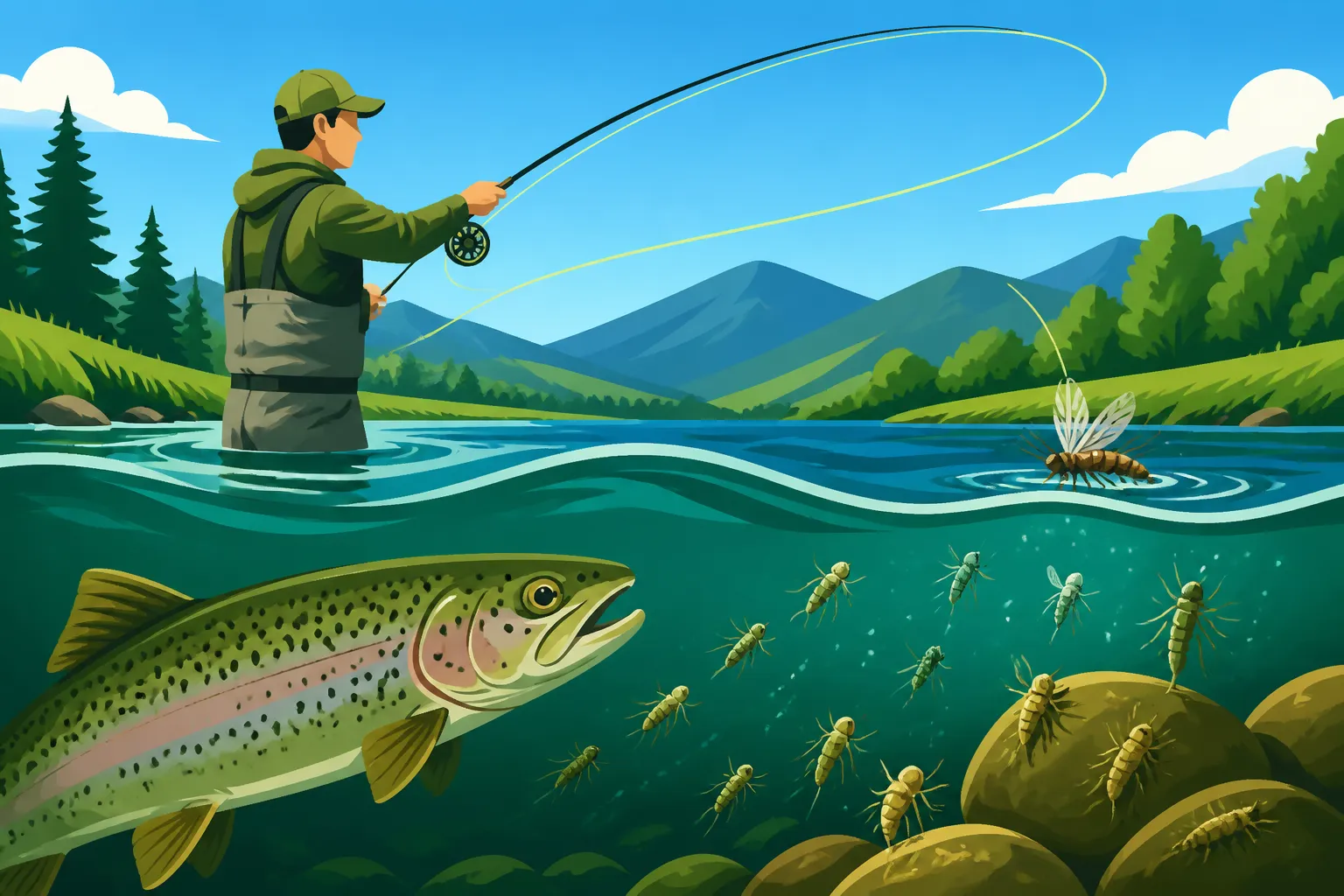
You need to consider the insect's specific life stage (nymph, emerger, dun, spinner), its exact size (often down to a single hook size difference, like a #18 vs. a #20), its precise color, and its overall profile on the water. For example, if trout are feeding on emerging Pale Morning Duns (PMDs), they're likely not looking for a fully-hatched dun, nor will they touch a nymph that's drifting too deep. They are specifically targeting those insects struggling to break through the surface film. Your fly, therefore, needs to imitate that specific vulnerable stage perfectly, not just in appearance but in how it floats or drifts. This level of detail can feel daunting, but it's what separates a productive day on the Fork from a frustrating one. The reward for this meticulousness is often a large, healthy Henry's Fork rainbow rising confidently to your carefully presented fly. For more detailed insights into this world-famous fishery, you might want to read about How to Fly Fish Henry's Fork.
Decoding Henry's Fork's Prime Hatches
Henry's Fork sees a parade of insect hatches throughout the year, each bringing its own set of challenges and opportunities. Knowing what to expect and when can drastically improve your chances of success.
Early Season Surges Spring
As the Idaho spring breathes life back into the landscape, Henry's Fork awakens with its first significant hatches. These early-season insects often emerge when the weather can still be fickle, sometimes chilly and damp, which can actually work in your favor as the trout become more active under overcast skies.
- Midges (Year-Round, but strong in Spring): Tiny, but mighty. Midges are the bread and butter of Henry's Fork, active almost year-round but especially important in the colder months and early spring. Trout often feed on them subsurface as pupae or just under the film as emergers. During calm mornings, you'll see small dimples as fish sip adults off the surface. You'll need tiny flies, often size #20-#26, and delicate presentations.
- Blue-Winged Olives (BWOs): These small, dark-bodied mayflies (Baetis species) are common when the weather turns cool and cloudy. You'll often see them hatching in good numbers from late morning through the afternoon. Trout tend to key in on their emerger and dun stages. Look for slow, steady rises in the slick, glassy water. Having patterns like Parachute BWO, Sparkle Dun BWO, or a CDC Comparadun BWO in sizes #18-#24 is crucial.
- Caddis (Grannoms and other species): As the water warms slightly in late spring, caddis hatches begin to appear. The Grannom caddis (Brachycentrus occidentalis) can provide some exciting dry fly action, often in late afternoon or evening. These hatches are characterized by skittering adults on the water's surface. Trout rises to caddis are often more aggressive, a splashy take compared to the delicate sip of a mayfly. Standard Elk Hair Caddis or Goddard Caddis in olive or tan, sizes #14-#18, are excellent choices.
Summer Spectacles: June-August
Summer is prime time on Henry's Fork, bringing the most anticipated and often chaotic hatches. This is when anglers flock to experience the legend, and for good reason—the sheer biomass of insects can be astounding.
- Salmonflies (Pteronarcys californica): The king of the hatches, usually peaking in late May to mid-June, depending on water levels and temperatures. This is a bucket-list event for many fly anglers. These enormous stoneflies (up to 2 inches long!) emerge from the banks, and trout gorge themselves, sometimes abandoning their usual selectivity for these protein-rich morsels. The hatch typically starts lower on the river (like near Ashton) and progresses upstream towards Island Park. You'll need large, buoyant dry flies, often sizes #4-#8, like a Henry's Fork Foam Stone or a Chubby Chernobyl. Presentation is still key, often bouncing flies right off the bank where naturals crawl out. After the main hatch, smaller Golden Stones follow, extending the stonefly action.
- Green Drakes (Drunella grandis): Following the stoneflies, usually in late June to early July, Green Drakes emerge. These large, elegant mayflies can bring up some of the biggest trout on the river. They typically hatch in the evenings, but the spinner fall can be incredible at dawn. Look for patterns like a Green Drake Parachute or a Compara-Drake, sizes #10-#14.
- Pale Morning Duns (PMDs): Throughout July and into August, PMD hatches are a daily occurrence, often starting mid-morning. These are smaller than Drakes but still provide fantastic dry fly opportunities. They hatch in huge numbers, and the fish become extremely focused. You'll need a range of patterns, including nymphs (Pheasant Tail, Light Cahill), emergers (Sparkle Dun PMD), duns (Parachute PMD), and spinners (Rusty Spinner) in sizes #14-#20.
- Tricos (Tricorythodes spp.): Late summer and early fall bring the "tiny white-winged curse" or the "little black-bodied angels," depending on your perspective. Tricos are tiny mayflies, often size #20-#26, that hatch in the early morning, usually before 9 AM. The spinner falls, when hundreds of spent adults blanket the water, can trigger frenzied, yet incredibly difficult, rises. Trout will sip continuously in pods, requiring absolute precision and drag-free drifts with patterns like a Trico Spinner.
For a comprehensive view of how these seasons unfold, check out our guide on Best Time of Year to Fish in Idaho.
Here’s a quick overview of some of Henry’s Fork’s most important hatches:
| Hatch Name | Primary Timeframe | Key Life Stages | Typical Fly Sizes | Notes |
|---|---|---|---|---|
| Midges | Year-round, strongest Spring/Fall | Pupae, Emerger, Adult | #20 – #26 | Constant presence, delicate sips, subsurface feeding. |
| Blue-Winged Olives | Spring, Fall | Nymph, Emerger, Dun | #18 – #24 | Cloudy days are best, subtle rises, often in slick water. |
| Grannom Caddis | Late Spring | Larva, Pupa, Adult | #14 – #18 | Skittering adults, splashy takes, strong evening hatch. |
| Salmonflies | Late May – Mid-June | Nymph, Adult | #4 – #8 | Iconic, massive stoneflies, fish feed aggressively near banks. |
| Golden Stones | Mid-June – July | Nymph, Adult | #6 – #12 | Follow Salmonflies, good searching pattern. |
| Green Drakes | Late June – Early July | Nymph, Emerger, Dun, Spinner | #10 – #14 | Large, elegant mayflies, strong evening hatch/morning spinnerfall. |
| Pale Morning Duns | July – August | Nymph, Emerger, Dun, Spinner | #14 – #20 | Daily hatch, highly selective feeding, delicate presentation. |
| Tricos | Late Summer – Fall | Nymph, Spinner | #20 – #26 | Morning spinner falls, pod feeding, incredibly challenging. |
| Mahogany Duns | Fall | Nymph, Emerger, Dun | #14 – #18 | Similar to BWOs but slightly larger, good fall dry fly action. |
Fall and Winter Offerings
While summer gets all the glory, the cooler months on Henry's Fork can offer some incredible, albeit more challenging, fishing. Solitude is a major bonus.
- Mahogany Duns: As summer gives way to autumn, these rust-colored mayflies emerge. Similar in size and behavior to PMDs, they provide excellent dry fly opportunities on crisp fall days. Patterns like a Mahogany Dun Parachute or Comparadun, sizes #14-#18, are effective.
- Blue-Winged Olives (again): Fall sees a resurgence of BWO hatches, often larger than their spring counterparts. Again, cloudy days are your friend. The same patterns and sizes will generally work, but fish might be even pickier due to lower metabolism in cooling water.
- Midges (dominant): As winter sets in, midges become the primary food source. Trout will often pod up in slower, deeper runs, sipping tiny midges or feeding on subsurface pupae. This is highly technical fishing, requiring long leaders, fine tippets, and impeccable drifts with tiny midge patterns. Often, a tiny zebra midge nymph under a small indicator or a midge cluster dry fly can produce.
Equipping Yourself for Hatch Success
Having the right tools is half the battle on Henry's Fork. It’s not about owning the most expensive gear, but about having equipment suited to the river’s unique challenges.
Rods, Reels, and Lines for Delicate Presentations
The name of the game on Henry's Fork is finesse. You're not typically casting huge distances or fighting monstrous fish in raging currents. Instead, you're delivering small flies with utmost delicacy to highly selective trout in clear, often slow-moving water.
- Rods: A good quality, medium-fast action fly rod in a 4-weight or 5-weight is ideal. The softer tip of a medium-action rod helps protect fine tippets and allows for more delicate presentations. Length is also a consideration; a 9-foot or even a 9-foot 6-inch rod can help with line control, mending, and keeping your line off the water for longer, drag-free drifts, especially on wide, calm sections. While you can find great rods from brands like Orvis, Sage, or Winston at specialty shops, many excellent options from brands like Redington are available on Amazon.
- Reels: Your reel for this kind of fishing is essentially a line holder. Any reliable reel with a smooth drag that balances your rod will do the trick. You won't be "reeling" in big fish with a drag-screaming fight often on dries, so focus on weight and balance.
- Lines: A high-quality weight-forward floating line is essential. Look for lines designed for delicate presentations or specific dry fly fishing. These lines often have a longer, finer front taper that helps turn over long leaders and lay flies down softly. Investing in a good line, like those from Scientific Anglers or Rio, can make a huge difference in your casting and presentation.
- Leaders and Tippet: This is where many anglers go wrong. Forget your standard 7.5-foot, 4X leader. On Henry's Fork, you'll want longer leaders, typically 9 to 12 feet, tapered down to a fine tippet. During hatches, 5X, 6X, or even 7X tippet is often necessary. A good quality leader and tippet, like those from Orvis or Rio, easily found on Amazon, are crucial for achieving those delicate, drag-free drifts. Always have a spool of fluorocarbon tippet as well, as its reduced visibility and faster sink rate are excellent for nymphing and emerger patterns.
Essential Fly Patterns and Sizes
Your fly box needs to be well-stocked and organized for Henry's Fork. It's not enough to have "a few" of each pattern; you need a range of sizes and variations to truly match the hatch.
- Dry Flies:
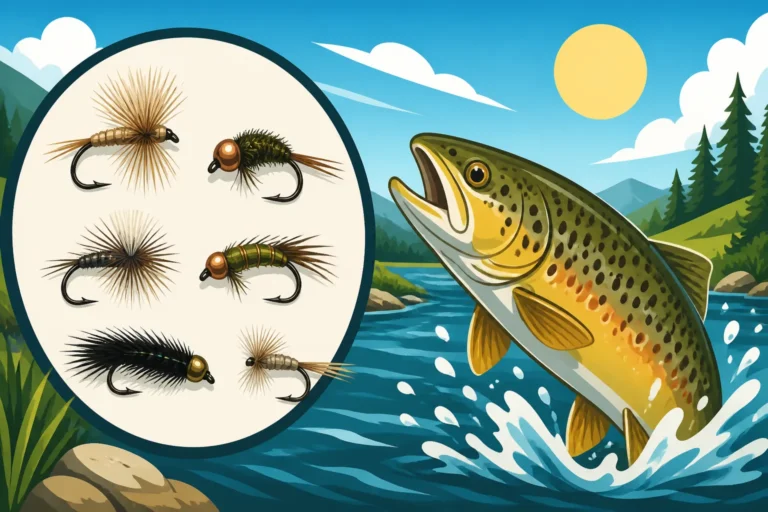
- Mayflies: Parachute Adams (all-purpose, great for BWOs, PMDs, Drakes), Sparkle Duns (excellent emerger imitation for all mayflies), Comparaduns (low-riding, great for educated fish). For specifics, carry Parachute PMDs, BWO Comparaduns, Green Drake Parachutes, and tiny Trico Spinners.
- Caddis: Elk Hair Caddis, Goddard Caddis, X-Caddis. Various colors (tan, olive, grey) and sizes (#14-#20).
- Stoneflies: Chubby Chernobyl, Henry's Fork Foam Stone, Stimulator. Don't be afraid to go big with #4-#10 for Salmonflies and Golden Stones.
- Midges: Griffiths Gnat, Parachute Midge, various midge cluster patterns (#20-#26).
- Emergers: These are often the most productive patterns, as trout frequently feed on insects stuck in the surface film. Klinkhammer Specials, RS2s, and Harrop's CDC Comparaduns in various mayfly and midge colors are indispensable.
- Nymphs: While dry fly fishing is the dream, nymphs are often the reality, especially when fish aren't rising consistently. Pheasant Tail Nymphs, Hare's Ear Nymphs, Zebra Midges, and Copper Johns in appropriate sizes are must-haves. When trout are feeding heavily on emergers just below the surface, even a simple soft hackle pattern can be incredibly effective.
Remember to carry multiples of each, as snags and lost flies are part of the game. For specific advice on what to use when, consider our guide on What Flies to Use on Henry's Fork in Summer.
Presentation is Paramount: The Art of the Drag-Free Drift
Even with the perfect fly, a poor presentation will guarantee refusal on Henry's Fork. The trout here are masters at detecting drag—any unnatural pull or motion on your fly caused by the current acting on your line or leader.
- Drag-Free Drifts: This is the Holy Grail. Your fly must float or drift at the exact same speed as the natural current, mimicking a real insect. This often requires casting upstream and introducing small mends (adjustments of your line on the water) to eliminate drag as your fly floats downstream.
- Casting Accuracy: You need to be able to place your fly precisely where the fish is feeding, often within inches. Practice your casting, focusing on delicate landings and accuracy rather than brute force distance.
- Slack Line Management: Learn to throw "slack" into your cast, creating S-curves in your leader and line that give you more time for a drag-free drift before the current pulls on your line. Reach casts, curve casts, and parachute casts are all valuable techniques. Our article on How to Cast to Selective Trout on a Spring Creek can offer more specialized tips.
- Upstream Approach: Whenever possible, approach rising fish from downstream. This keeps you out of their direct line of sight and minimizes disturbance. Cast upstream and slightly across, allowing your fly to drift naturally back towards the fish.
- Floatant and Desiccants: Keep your dry flies floating high. Products like those from Loon Outdoors or Tiemco Dry Shake, easily purchased on Amazon, are essential. Use a silicone-based floatant for initial treatment and a desiccant (powder or liquid) to dry out waterlogged flies.
Reading the Water and the Trout
The final, and perhaps most challenging, aspect of fishing Henry's Fork during a hatch is learning to interpret the subtle clues the river and its inhabitants provide.
Spotting Feeding Fish and Their Rhythms
Seeing a rise is exciting, but understanding how a fish is rising tells you a lot about what it's eating. This is critical for matching the hatch effectively.
-
Rise Forms:
- The Delicate Sip: A tiny dimple or subtle swirl, often indicating a fish is taking tiny midges or Trico spinners right in the surface film. This requires tiny flies and exquisite presentation.
- The Head-and-Tail Rise: The fish's nose then tail break the surface in a fluid motion, signifying it's taking fully emerged duns. This is your classic dry fly situation.
- The Splashy Rise: A more aggressive, sometimes audible, splash. This often means the fish is chasing or slashing at caddis, stoneflies, or emergers just below the surface. Sometimes, it can also indicate a refusal if the fish splashes at the fly without taking it.
- The Porpoise Rise: The fish rolls just under the surface, showing its back but not breaking the surface with its nose or tail. This usually means it's taking emergers or nymphs just subsurface.
- Tailing Fish: You see a tail break the surface, often in very shallow water. This means the fish is actively feeding on nymphs or other food items on the bottom.
-
Water Types: Henry's Fork offers a variety of water. The glassy, slow runs are classic spring creek environments where trout can be incredibly discerning. Eddies and seams are great places for insects to collect and for trout to lie in wait. Riffles and faster water might hold less selective fish, but still demand precise fly placement. Observe which specific water types are producing rises. Sometimes the biggest fish are tucked away in surprisingly shallow water near the bank, especially during large hatches like the Salmonfly. Understanding these nuances is part of mastering Reading Water on Idaho's Rivers.
-
Fish Behavior: Are fish rising consistently in a small area, indicating a pod? Or are they individual cruisers, moving slowly to pick off scattered insects? A consistent riser in a good feeding lane is a prime target. Sometimes, observing other anglers, if you're not alone, can give you clues about where the fish are holding or what they might be eating, though Henry's Fork trout often ignore what everyone else is doing.
Adjusting Your Strategy on the Fly
Fishing a hatch on Henry's Fork is rarely about finding "the" fly and sticking with it. It's a continuous process of observation, experimentation, and adjustment.
- Observe, Observe, Observe: Before making a cast, spend five to ten minutes (or more!) simply watching the water. What insects do you see? What are the rise forms? Are the fish taking insects off the surface, just under it, or in the subsurface drift? This critical observation period will inform your initial fly choice, leader length, and tippet size.
- Change Flies Systematically: If your initial choice isn't working, don't just randomly swap flies. Think about what the fish might be doing. If they're sipping gently at tiny midges and your size #18 Parachute Adams isn't working, try a smaller midge pattern or an emerger. If they're splashing, perhaps they're hitting emergers, or your dry fly is too small. Don't be afraid to change flies, even if it means re-tying a delicate tippet. On Henry's Fork, a dozen fly changes for one fish is not uncommon.
- Adjust Presentation and Tippet: Sometimes, it's not the fly, but how it's presented. Shorten or lengthen your leader, fine-tune your tippet, adjust your casting angle, or change your mending technique. A slightly longer leader (10-12 feet) or a finer tippet (6X or 7X) can make all the difference for hyper-selective fish.
- Patience and Persistence: These fish are tough. You might make dozens of perfect casts to a single rising fish before it decides to eat. Don't get discouraged. Move on to another fish if one is too frustrating, or simply take a break and re-evaluate. The experience of being on Henry's Fork, surrounded by its natural beauty, is a reward in itself. While you're there, consider also exploring other parts of this incredible region, as you can learn a lot from Fishing Henry's Fork Near Last Chance or Fishing Henry's Fork Near Island Park. Sometimes, finding easier fish can restore confidence before tackling the river's more technical waters.
Remember, fishing Henry's Fork during a hatch is an education every time you go. It will test your skills, challenge your patience, and ultimately make you a better angler. Embrace the learning curve, enjoy the stunning surroundings, and savor every moment on this truly special river.
Disclaimer
Fishing conditions and regulations in Idaho can change frequently. Always consult the latest Idaho Fish and Game regulations and local advisories before heading out on any fishing trip. This guide is for informational purposes only and does not constitute official advice.