How to Fish for Steelhead in the Clearwater River
There are few challenges in Idaho fishing quite like the pursuit of a chrome-bright steelhead on the Clearwater River. It’s a pursuit that often tests your patience, skill, and resolve, but the reward of hooking into one of these incredible anadromous rainbow trout is truly unparalleled. This guide is here to walk you through everything you need to know, from understanding their migration to mastering the techniques that will give you the best shot at success on one of Idaho's most legendary steelhead rivers.
Understanding the Clearwater River Steelhead Run
The Clearwater River is renowned for its incredible steelhead fishery, drawing anglers from all over the world. But to truly understand how to fish for these magnificent creatures, you first need to grasp their journey and habits in this specific watershed. It's not just about showing up with a rod; it's about understanding the intricate dance of nature that brings them here.
The Life Cycle of Clearwater Steelhead
Idaho steelhead are a truly remarkable fish, beginning their lives in the freshwater rivers of the Salmon and Clearwater river systems, then migrating hundreds of miles to the Pacific Ocean, only to return years later to spawn in the same waters where they were born. The Clearwater River sees two main "runs" of steelhead: the A-run and the B-run. The A-run fish typically arrive earlier, often starting in late summer, and tend to be smaller, usually ranging from 4 to 8 pounds. These fish are generally bound for the Salmon and Little Salmon rivers, with many passing through the Clearwater on their journey.
The B-run steelhead are the true giants, often arriving later in the fall and continuing through winter. These fish are destined for the upper Clearwater River and its tributaries, and they are considerably larger, frequently weighing in at 10 to 20 pounds, with some absolute monsters pushing well beyond that. The sheer power and size of these B-run fish are what truly captivate anglers and make the Clearwater a legendary destination. Knowing which run is active can greatly influence your fishing strategy, from gear choices to preferred techniques.
Prime Seasons and Migration Patterns
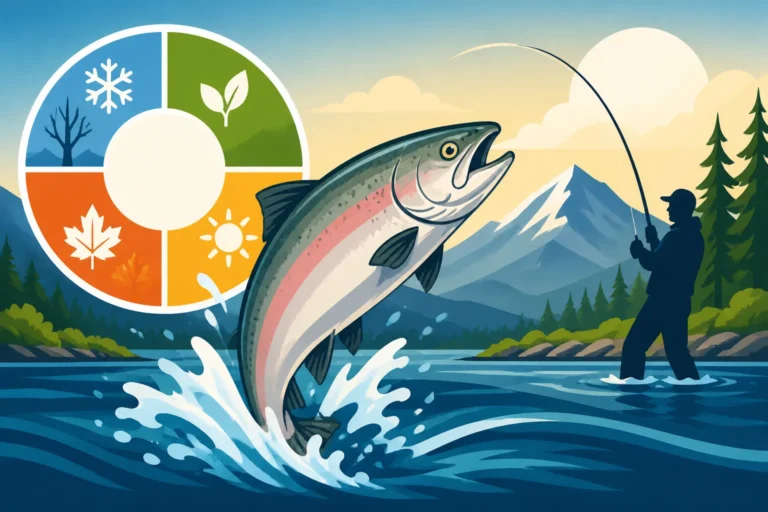
The steelhead season on the Clearwater River can effectively run from late summer all the way through spring, though there are distinct prime windows. Early fall, typically September and October, sees the arrival of the first A-run fish. This is when the water temperatures are still relatively mild, and fish are often more aggressive. As November and December roll around, the larger B-run fish begin to enter the system in force, and this is often considered the peak of the season.
Fishing can remain excellent through January and February, especially if the weather holds and ice doesn't become too problematic. By March and April, the fish are in their spawning phase, and while still present, they can be more challenging to entice. The fish generally move upstream as the season progresses, meaning early season fishing might be concentrated in the lower reaches near Lewiston, while later in the season, you'll find them further upriver towards Orofino and Kooskia. Always keep an eye on water temperatures and flow rates, as these dictate steelhead movement and activity more than almost anything else.
Hatchery vs. Wild Steelhead Identification
Understanding the difference between hatchery and wild steelhead is absolutely critical on the Clearwater River, as it directly impacts what you can and cannot keep. For conservation purposes, wild steelhead are protected and must be released unharmed. Hatchery steelhead, on the other hand, are typically marked by a clipped adipose fin – that small, fleshy fin found on the fish's back between the dorsal and caudal fins. If you catch a steelhead with an intact adipose fin, it's a wild fish, and it needs to go back into the water as quickly and carefully as possible.
The Idaho Department of Fish and Game does an incredible job of stocking hatchery fish to support the fishery, but maintaining healthy wild populations is paramount. Take a moment to inspect every fish you catch. If you’re unsure how to tell a hatchery steelhead from a wild one in Idaho, there are plenty of resources available. Always err on the side of caution: if you can't definitively confirm it's a hatchery fish, release it. This practice ensures that future generations can enjoy the incredible experience of fishing for these magnificent creatures.
Essential Gear for Clearwater Steelhead Success
Tackling the mighty Clearwater River for steelhead requires a specific set of tools. You wouldn't bring a butter knife to a sword fight, and the same goes for fishing gear here. Having the right setup is half the battle, making the difference between merely casting and actually connecting with these powerful fish.
Rod, Reel, and Line Selection
For the Clearwater, most anglers opt for longer, heavier rods that can handle strong currents and powerful fish. A popular choice for drift boat fishing or bank fishing with a bobber and jig is a longer spinning rod, often 9 to 10.5 feet in length, rated for 8-17 or 10-20 pound line. These rods provide the leverage needed to fight big fish and the casting distance to cover productive water. For those who prefer baitcasting setups, a similar length rod with a medium-heavy action is ideal. When you're fishing with heavy current, that extra length helps manage your line and keep your presentation in the strike zone longer.
Matching your reel to your rod is crucial. For spinning setups, a high-quality reel in the 3000 to 5000 size range, known for a smooth drag system, is essential. When a B-run steelhead takes off, a sticky drag will lead to heartbreak. For baitcasting, a reliable reel with a good line capacity and a smooth retrieve will serve you well. For line, many anglers start with 15-20 pound braided mainline, which offers excellent sensitivity and strength. This is typically paired with a fluorocarbon leader of 10-15 pounds, which is nearly invisible in the water and provides a bit of stretch when a fish strikes. You can find a fantastic selection of these specialized rods, reels, and lines on platforms like Amazon, often with reviews that can guide your choice.
Terminal Tackle and Rigging Basics
Your terminal tackle is where the magic happens – it's the part of your setup that interacts directly with the fish. For bobber and jig fishing, you'll need slip floats (often 1/2 to 1 oz), lead or tungsten weights (pencil lead or slinky weights work well for drift fishing), swivels, and of course, jigs. Jigs typically range from 1/8 to 1/2 oz, in various colors like pink, orange, chartreuse, or black. For drift fishing, pencil lead or slinky weights are preferred because they snag less in the rocky river bottom than traditional sinkers.
Hooks are also critical. For jigs, you want sharp, strong hooks. When using bait, octopus hooks in sizes #1 to 1/0 are common, depending on the bait size. Always carry a good selection of these items because losing tackle to snags is a fact of life when fishing the Clearwater. Having extra weights, hooks, and leader material on hand will prevent frustrating delays. Knowing your Idaho fishing regulations explained means understanding that barbless hooks are often required for certain species or in specific waters, so always double-check the current rules.
Waders, Clothing, and Other Must-Haves
Steelhead fishing on the Clearwater often means spending long hours in or near cold water, often during the colder months of the year. Quality waders are non-negotiable. Breathable chest waders are popular, allowing for layering underneath to stay warm. Neoprene waders offer more insulation for truly frigid conditions. Pair them with sturdy wading boots that provide good ankle support and grip on slippery river rocks. Layering is key for clothing: start with moisture-wicking base layers, add insulating mid-layers like fleece, and finish with a waterproof and windproof outer shell. You'll thank yourself when the inevitable rain or snow squall rolls in.
Beyond staying warm and dry, other essentials include a good quality net with a rubberized mesh (better for the fish's slime coat and less prone to snagging hooks), a pair of pliers or forceps for hook removal, and a comfortable fishing vest or pack to keep your tackle organized and accessible. Don't forget polarized sunglasses to cut glare and help spot fish or submerged structure, a hat for sun protection and warmth, and plenty of snacks and water. And, of course, your current Idaho fishing license. Many of these items, from waterproof jackets to durable wading boots, are readily available on Amazon, making it easy to prepare for your trip.
Top Techniques for Clearwater River Steelhead
The Clearwater River is a diverse fishery, and successful steelhead anglers often have a quiver of techniques at their disposal. What works best can change depending on water conditions, fish activity, and even the section of river you're fishing. Mastering a few key methods will significantly increase your chances of connecting with that elusive chrome.
Bobber and Jig Fishing
Bobber and jig fishing, often referred to simply as "float fishing," is arguably one of the most popular and effective techniques for steelhead on the Clearwater. The basic premise is to present a jig (often tipped with bait) suspended beneath a float, allowing it to drift naturally downriver through productive holding water. This method excels in a variety of conditions, particularly when fish are holding in distinct seams, current breaks, or deeper pools. The float provides excellent strike indication – any dip, pause, or sudden movement means it's time to set the hook!
To set up, you'll use a slip float that allows your line to slide through it until it hits a bobber stop, which you can adjust to control your fishing depth. Below the float, you'll typically have one or two small split shot or a pencil lead weight to get your jig down, followed by a swivel, a fluorocarbon leader, and finally, your jig. The key is to match the weight of your jig and any additional split shot to the current, ensuring your float drifts at the same speed as the water, presenting your offering as naturally as possible. Many anglers will tip their jigs with a piece of cured roe, a prawn, or even a small piece of shrimp for added scent and attraction. This technique allows for a gentle, natural presentation that can often entice even the most wary steelhead.
Side-Drifting and Back-Trolling
When fishing from a drift boat or jet boat, side-drifting and back-trolling are incredibly effective strategies for covering water and finding steelhead. Side-drifting involves positioning the boat at an angle to the current, allowing it to drift downstream sideways, covering a wide swath of water as your lines drag along the bottom. Anglers typically use light lead (slinky weights are popular) and a short leader to present bait, often cured roe, prawns, or worms, to steelhead holding near the bottom. The goal is a delicate, controlled bounce of your weight along the riverbed, with your bait trailing just above it. This methodical approach allows you to present your offering to fish that might be hugging the bottom, often in areas with moderate current.
Back-trolling, another highly productive boat technique, involves using the boat's motor to slowly reverse upstream, or hold it stationary against the current, allowing plugs or baits to work their magic. Plugs like the Brad's KillerFish or Kwikfish are popular choices, as their diving and wobbling action can be irresistible to steelhead. These plugs are often "tuned" to run true in the current. By back-trolling, you can hold your offerings in prime holding water for extended periods, working specific seams or ledges where steelhead are known to congregate. Both side-drifting and back-trolling require a good understanding of boat control and river currents, but they are incredibly efficient ways to target steelhead across diverse sections of the Clearwater. For more specific tactics, you might want to look into Fall Steelhead Fishing Techniques on the Clearwater and Salmon Rivers.
Fly Fishing for Steelhead on the Clearwater
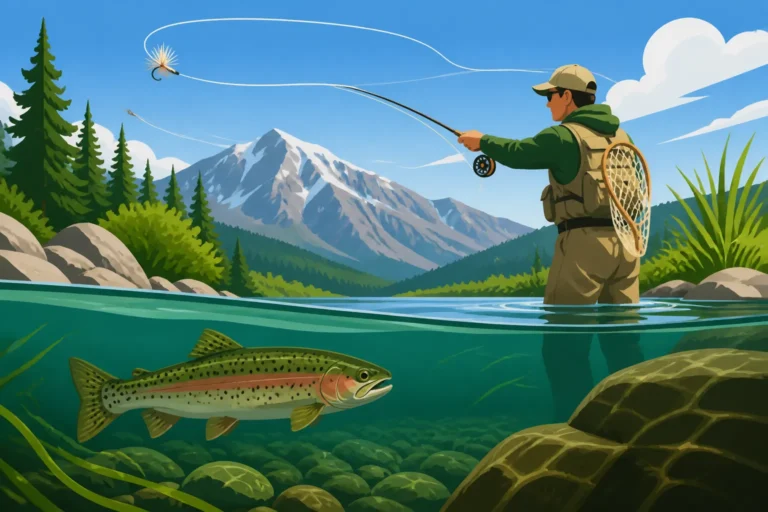
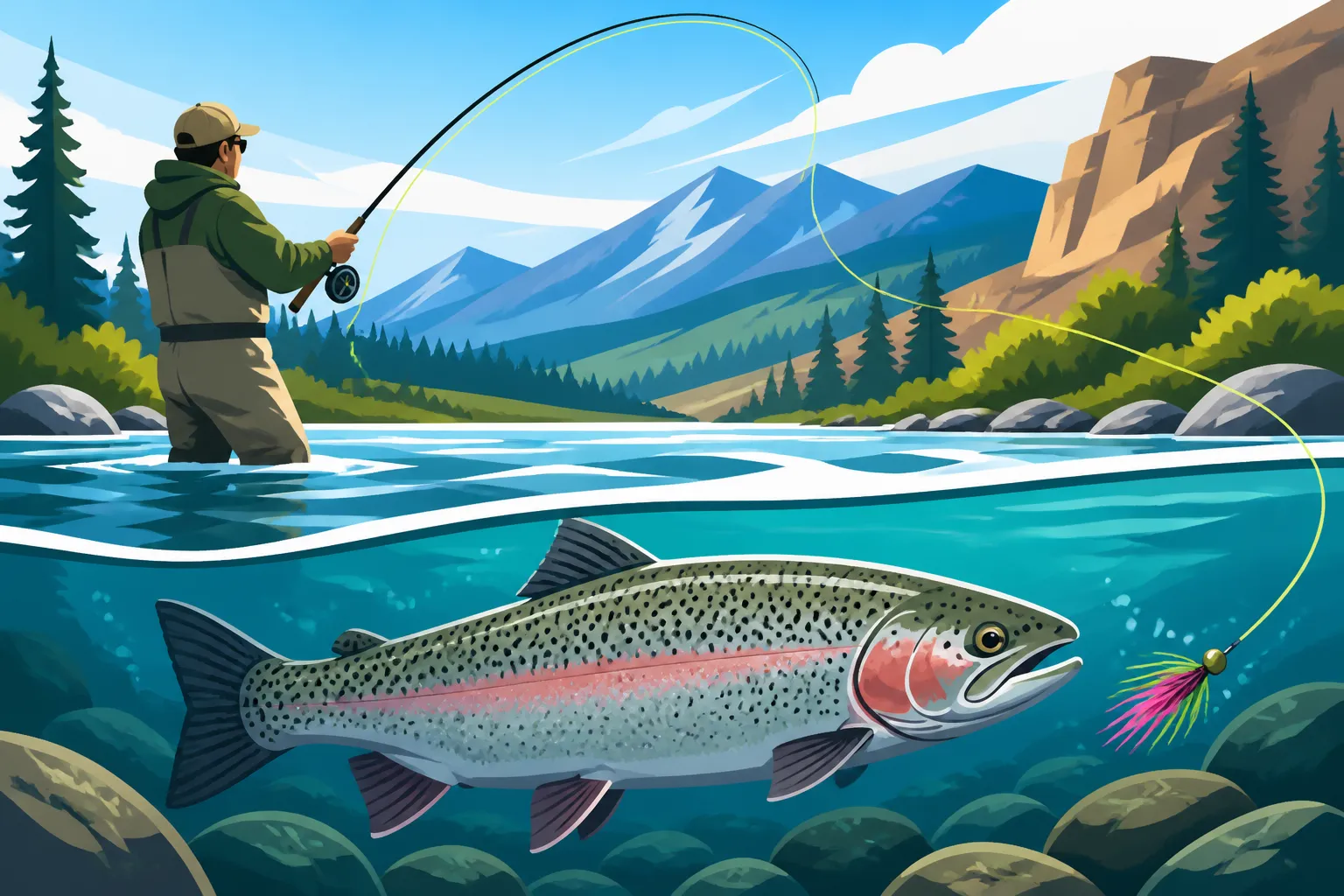
While many anglers on the Clearwater favor conventional gear, fly fishing for steelhead is a deeply rewarding challenge that draws a dedicated following. It's a more nuanced approach, often requiring greater skill and patience, but the fight of a steelhead on a fly rod is something truly special. Spey casting, with its ability to cast long distances with minimal back-cast room, is a popular method for covering large sections of the river, especially from the bank. Anglers typically use two-handed Spey or switch rods (12-14 feet, 7-9 weight) with sinking lines or sink tips to get their flies down to the fish.
The key to successful fly fishing for steelhead is presentation. You want your fly to swing naturally through the suspected holding water, imitating a fleeing baitfish or insect. Popular fly patterns include various intruders, string leeches, Hoh Bo Speys, and general attractor patterns in colors like pink, purple, blue, and black. For those who prefer single-handed rods, nymphing with heavy tungsten nymphs under an indicator can also be very effective, especially in slower, deeper runs. While it might seem daunting, learning to fly fish for steelhead adds an incredible dimension to your angling experience and offers a chance to truly connect with the river. When considering your Best Rod Setup for Idaho Steelhead Fishing, think about if you want to explore the world of fly fishing!
Reading the Water and Finding Steelhead Hotspots
Steelhead aren't just randomly distributed throughout the river; they have specific preferences for where they hold, feed, and rest. Being able to "read the water" – understanding how currents, depth, and structure create prime habitat – is a skill that separates consistently successful anglers from those who merely cast and hope.
Identifying Prime Holding Water
Steelhead, particularly when they're not actively migrating, will seek out areas that offer a combination of cover, current breaks, and easy access to oxygenated water. Look for seams where faster current meets slower water, creating a 'soft' spot where fish can rest without expending too much energy, yet still have access to passing food. The edges of riffles, behind large boulders, or in deeper pools with a current line running through them are classic steelhead lies. Any distinct change in the river bottom or current flow can create a potential holding area.
Another critical area to target is the "tail-out" of a pool, where the deep water begins to shallow out and accelerate into the next riffle. Steelhead often stack up in these areas, especially as they get closer to spawning. Conversely, the "head-out" or entry point of a pool can also be productive, particularly where fresh fish might be resting after battling upstream currents. Don't overlook submerged structure like logs or rock piles; these provide cover and ambush points. Constantly observe the water, looking for subtle changes in current speed, depth, and water color – these are your clues.
Navigating Clearwater River Access Points
The Clearwater River offers a variety of access points, from developed boat launches to more remote bank fishing spots. Near Lewiston, you'll find numerous public boat ramps that provide access to the lower river, which is popular for both boat-based anglers and bank fishermen in certain areas. As you move upstream towards Orofino, places like the Dworshak National Fish Hatchery area provide excellent opportunities, as do numerous pull-offs and designated access sites along Highway 12. Further upstream, towards Kooskia and Kamiah, the river takes on a more intimate character, with access often requiring more local knowledge or the use of private land access with permission.
Many sections of the Clearwater are best fished from a boat, particularly for techniques like side-drifting or back-trolling. Drift boats and jet boats are common sights, allowing anglers to cover miles of water efficiently. However, there are still ample opportunities for wade and bank anglers, especially in areas with slower currents or accessible gravel bars. Always respect private property signs and be mindful of other anglers. Utilizing guides, particularly Clearwater River Steelhead Guides, can also give you a significant advantage in terms of knowing where and how to access the most productive waters, especially if you're new to the area.
Adjusting to Water Conditions and Flows
The Clearwater River is a dynamic system, and water conditions can change rapidly, often impacting steelhead behavior and your fishing strategy. High, muddy water due to heavy rains or snowmelt can push fish to the edges and slow their bite. In these conditions, brighter, larger presentations with added scent might be more effective, and fish often hold closer to the bank to escape the main current. Conversely, low, clear water can make fish skittish, requiring lighter lines, smaller baits, and a more stealthy approach.
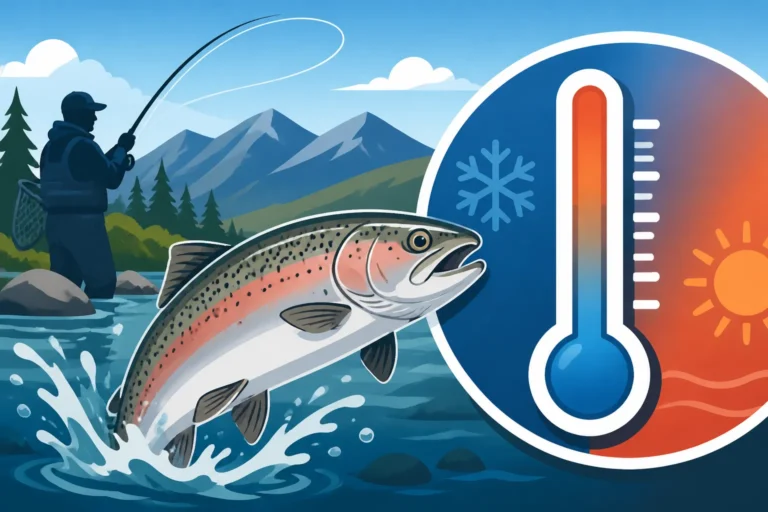
Water temperature is another crucial factor. Steelhead are generally more active and aggressive in water temperatures ranging from the mid-30s to the low 50s Fahrenheit. Very cold water can make them lethargic, while excessively warm water can stress them. Always check the current river flows and water temperatures before heading out. The Idaho Department of Water Resources often provides real-time data, which can be invaluable. Being flexible and willing to adapt your techniques, baits, and even your chosen fishing spot based on these conditions is a hallmark of a truly successful Clearwater steelhead angler.
Strategic Bait and Lure Choices for the Clearwater
Once you've got your gear and you know how to read the water, the next big piece of the puzzle is what to tie on the end of your line. Steelhead can be incredibly finicky, and having a diverse selection of baits and lures, and knowing when to use them, will be your secret weapon on the Clearwater.
Best Baits for Steelhead
When it comes to natural bait, cured roe (fish eggs) reigns supreme for steelhead on the Clearwater. Anglers spend hours perfecting their curing recipes, and for good reason – the scent and natural appearance of roe can be irresistible. You'll often find anglers using small clusters of roe, either in an "egg loop" knot or tied into small mesh bags, presented alone or tipped on a jig. The natural scent trail created by roe is a powerful attractant, especially in off-color water.
Prawns and shrimp are another highly effective bait. Whether whole, pieces, or marinated in scents, prawns offer a unique texture and smell that steelhead often key into. Many anglers purchase raw prawns from local grocery stores or tackle shops and cure them with a special brine to toughen them up and enhance their scent. Worms, particularly nightcrawlers, can also be surprisingly effective, especially in higher or dirtier water. The key with bait is freshness and presentation. Keep your bait cold, use enough to create a good scent trail, but not so much that it looks unnatural or hinders your hook set.
Effective Lures and Plugs
Beyond jigs, there's a whole world of artificial lures that can entice a Clearwater steelhead. Spinners, particularly larger sizes in bright colors like chartreuse, orange, or pink, are excellent for covering water and triggering aggressive strikes. Brands like Blue Fox and Mepps are classics. The flash and vibration of a spinner can be highly effective in both clear and slightly colored water. Cast them across and slightly upstream, letting them swing through holding water while maintaining a controlled retrieve.
Plugs, especially diving and wobbling varieties, are fantastic for boat fishing, particularly back-trolling. The Kwikfish, Wiggle Wart, and Brad's KillerFish are legendary in the steelhead world. These lures come in a dazzling array of colors and patterns, with some featuring scent chambers that can be filled with your favorite attractant. The key is to select a plug that dives to the correct depth for the water you're fishing and has a consistent, enticing action. Many anglers will "tune" their plugs by slightly bending the eyelet to ensure they run perfectly straight in the current. A good tackle box will have a range of plugs in different sizes and colors to match varying conditions, and you can stock up on these versatile lures through retailers like Amazon.
Top Flies for Clearwater Steelhead
For the fly angler, the choice of flies is as much an art as it is a science. While specific patterns can be hot for a given day, having a selection of key styles and colors will keep you prepared. Intruder-style flies, with their large profiles and vibrant colors, are incredibly popular. These flies, often tied on shank hooks with trailer hooks, create a lot of movement in the water and are designed to provoke an aggressive reaction strike from steelhead. Popular color combinations include pink/purple, black/blue, chartreuse, and sometimes even orange or red.
Streamer patterns like Sculpins, Zonkers, or various leech patterns in black, olive, or purple can also be deadly, especially when fished on a sinking line. For nymphing under an indicator, you'll want heavily weighted nymphs that can get down quickly. Stonefly patterns, squirmy wormies, egg patterns, and various caddis or mayfly imitations can all be effective. The key is to match your fly size and weight to the water depth and current speed, ensuring it's presented in the strike zone. Don't be afraid to experiment with color and size – sometimes a subtle change can make all the difference. Check out our guide to the Best Flies for Idaho Steelhead for more specific patterns.
Safety, Regulations, and Conservation on the Clearwater
Fishing the Clearwater River for steelhead is an incredible experience, but it comes with responsibilities. Understanding the rules, prioritizing safety, and practicing good conservation habits ensures that this world-class fishery remains vibrant for generations to come.
Key Idaho Fishing Regulations Explained
The Idaho Department of Fish and Game (IDFG) sets specific regulations for steelhead fishing that can vary by river section and season. It is your responsibility to know these rules before you ever cast a line. These regulations cover everything from daily bag limits (how many fish you can keep) and possession limits (how many fish you can have at home), to gear restrictions (e.g., barbless hooks, specific bait rules) and even specific open and closed seasons for certain stretches of river. For example, Idaho Steelhead Bag Limits are strictly enforced, and it’s important to understand the difference between catch and possession limits.
Always carry a current copy of the Idaho Fishing Seasons and Rules brochure, which is available online through the IDFG website or at most tackle shops and license vendors. Pay close attention to any special regulations for the Clearwater River or its tributaries, as these can differ from statewide general fishing rules. You'll also need a valid Idaho fishing license, and often a steelhead permit or "tag," to legally fish for steelhead. Ignoring these regulations can lead to hefty fines, confiscation of gear, and even loss of fishing privileges. Remember, the rules are in place to protect the resource, so embrace them.
Safe Wading and Boating Practices
The Clearwater River can be a powerful and unforgiving body of water, especially during high flows or cold weather. Safety should always be your number one priority. If you're wading, always test the depth and current with a wading staff before taking a step. The bottom can be slippery, uneven, and the current can be much stronger than it appears. Never wade alone, and always let someone know where you're going and when you expect to return. Wearing a personal flotation device (PFD) is highly recommended, even for experienced waders, especially when you consider How Cold It Gets Fishing Idaho Rivers in Winter.
For boaters, whether in a drift boat or jet boat, strict adherence to boating safety rules is paramount. Always wear your PFD, ensure your boat is properly maintained and equipped with all required safety gear (throw cushion, anchor, spare oar, whistle, fire extinguisher, etc.). Be aware of river hazards like submerged rocks, log jams, and strong rapids. Operating a boat on a dynamic river like the Clearwater requires skill and constant vigilance. If you're new to river boating, consider going with an experienced friend or hiring a licensed guide to learn the ropes.
Catch and Release Best Practices
For every hatchery steelhead you keep, you'll likely encounter several wild steelhead that must be released. Practicing proper catch and release techniques is crucial for the survival of these magnificent fish. The goal is to minimize stress and physical harm to the fish. Here are some key tips:
- Land the fish quickly: Don't play the fish to exhaustion, especially larger ones.
- Keep the fish in the water: Whenever possible, unhook the fish while it's still in the water. This is where a rubberized net comes in handy.
- Wet hands: If you must handle the fish, wet your hands thoroughly first to protect its delicate slime coat.
- Barbless hooks: Use barbless hooks (or pinch down barbs on your hooks) as they make hook removal much easier and less damaging.
- Remove hooks gently: Use pliers or forceps to quickly and gently remove the hook. If the hook is deeply embedded, cut the line as close to the hook as possible rather than tearing at the fish's mouth.
- Revive the fish: Hold the fish gently facing upstream in a mild current, allowing water to flow over its gills until it regains its strength and can swim away on its own. Never throw a fish back; always release it calmly.
Following these practices ensures that wild steelhead have the best chance of surviving to spawn, contributing to the health and longevity of the Clearwater River's incredible fishery. It's similar to how you would How to Release a Sturgeon Safely in Idaho, showing that respect for the fish is a universal angling ethic.
| Technique | Optimal Conditions | Best Gear | Pros | Cons |
|---|---|---|---|---|
| Bobber & Jig | Runs, seams, deeper pools, moderate current, bank access | 9-10.5 ft spinning rod, slip float, jigs, cured roe | Excellent strike detection, natural presentation, versatile | Can be depth-limited, requires active monitoring of the float |
| Side-Drifting | Moderate to slow current, covering wide areas from boat | Drift boat, baitcasting or spinning rod, pencil lead, bait | Covers lots of water, effective for bottom-holding fish, subtle | Requires boat control, prone to snags on uneven bottom |
| Back-Trolling Plugs | Deeper runs, current breaks, from boat | Jet boat, baitcasting rod, diving plugs, scent | Highly effective for aggressive fish, can hold in strike zone | Requires boat motor, less subtle, can spook wary fish in clear water |
| Fly Fishing (Spey) | Wide runs, swinging flies, from bank or wading | 7-9 wt Spey/Switch rod, sinking lines, intruder flies | Highly engaging, covers large water, elegant presentation | Steeper learning curve, physically demanding, less versatile depth |
Disclaimer
The information provided in this guide is for general informational purposes only and is not a substitute for official regulations. Fishing regulations, seasons, and limits for the Clearwater River and other Idaho waters can change frequently. Always consult the latest Idaho Department of Fish and Game (IDFG) regulations and proclamations before planning any fishing trip. Adherence to all local, state, and federal laws is the sole responsibility of the angler.