Idaho’s Best Largemouth Bass Lakes
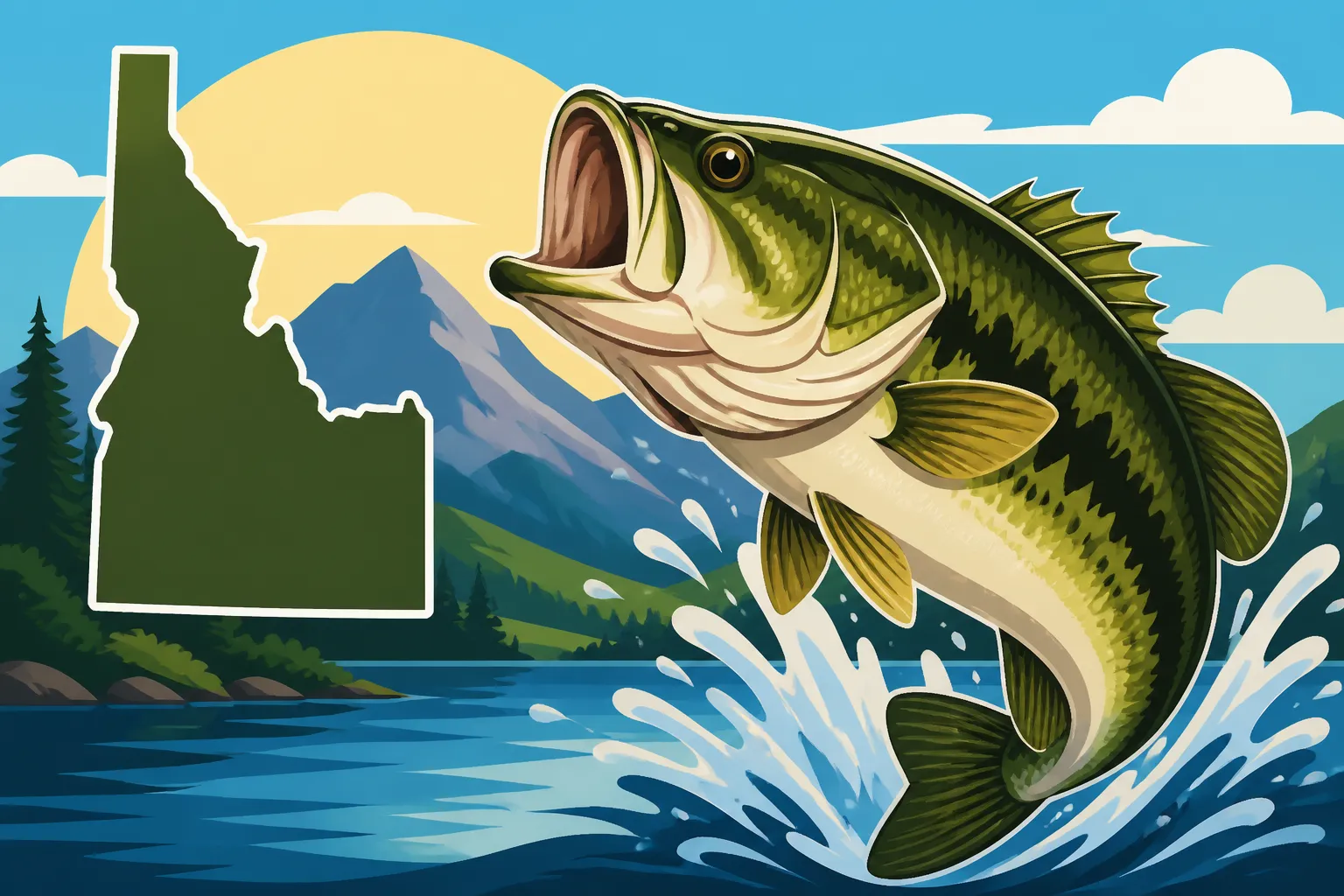
Finding great largemouth bass fishing in Idaho can feel like a bit of a hidden quest for many anglers, especially when the state is often lauded for its world-class trout and steelhead rivers. But don't let the hype for other species fool you; Idaho holds some genuinely fantastic, albeit often overlooked, largemouth bass opportunities. This guide is here to cut through the noise and point you straight to Idaho's best largemouth bass lakes, sharing insights on where these green-backed fighters thrive and how you can hook into them.
Understanding Idaho's Largemouth Bass Habitat
Largemouth bass are not just any fish; they have particular preferences, and understanding these can make all the difference in locating them in Idaho's diverse waters. Unlike their smallmouth cousins who prefer rocky, cooler, and clearer waters, largemouth are creatures of comfort, seeking out warmth and structure.
Where Largemouth Bass Thrive in Idaho
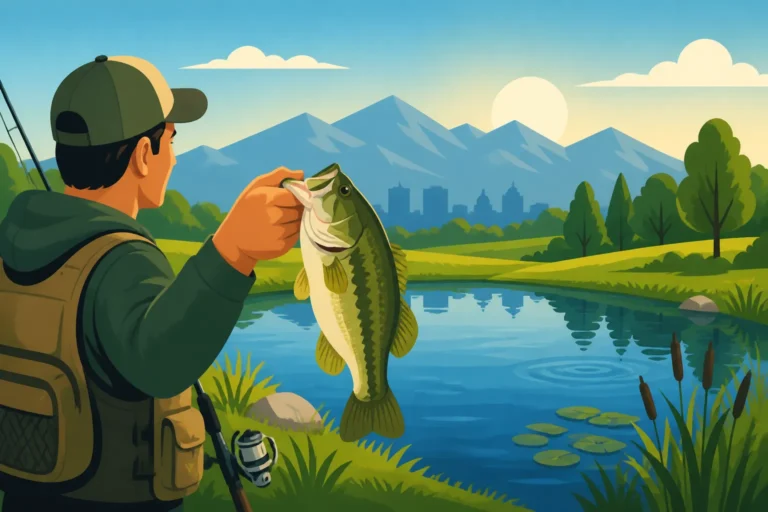
When you're searching for largemouth in Idaho, think warm, think shallow, and think weedy. These fish absolutely love areas with abundant aquatic vegetation, submerged timber, cattails, lily pads, and other forms of cover that offer both ambush points for prey and protection from predators. Reservoirs, slow-moving backwaters, and smaller, shallower lakes with a healthy ecosystem are your best bets. The water temperature is a huge factor; largemouth prefer warmer temperatures, often congregating in bays and coves that heat up quickly in the sun. This often means focusing your efforts on lower elevation waters rather than the cold, high-mountain lakes that are more characteristic of trout country.
These ideal conditions aren't always statewide, but certain regions in Idaho definitely offer them in spades. The southwestern and south-central parts of the state, in particular, tend to have more of the warmer, nutrient-rich impoundments that largemouth bass call home. While northern Idaho has some excellent fishing, many of its deep, clear glacial lakes favor species like lake trout and kokanee, though some shallower bays might hold surprises. Always keep an eye on the specific features of any given body of water – if it looks "bass-y" with lots of cover and warmth, it probably is.
Key Factors for a Healthy Largemouth Fishery
A thriving largemouth bass fishery isn't just about having water; it's about having the right kind of water. Several interconnected factors contribute to a healthy, productive environment where largemouth bass can grow large and abundant. First and foremost is water temperature. Largemouth are most active and feed aggressively in water temperatures ranging from the mid-60s to mid-70s Fahrenheit. This means that prolonged periods of cold water, or extreme heat that forces them deep, can impact their behavior and accessibility.
Secondly, ample forage is absolutely critical. Largemouth bass are opportunistic predators, and their diet can include everything from smaller baitfish like shiners and bluegill to crayfish, frogs, and even ducklings or small rodents that fall into the water. Lakes rich in these prey species will naturally produce larger, healthier bass. Finally, the presence of diverse cover and structure cannot be overstated. This includes weed beds, submerged brush, rocky points, old river channels, docks, and even subtle changes in bottom contour. These features provide essential ambush points for feeding, shelter from harsh sun, and protection from larger predators, allowing juvenile bass to grow and adult bass to thrive. When an angler evaluates a new lake, looking for these specific elements is key to predicting its largemouth potential.
Top Largemouth Bass Lakes in Idaho – The A-List
While Idaho might not have the sheer number of renowned largemouth lakes as some southern states, the ones it does have are often exceptional. These lakes consistently produce quality fish and offer fantastic angling experiences.
Lake Lowell (Deer Flat National Wildlife Refuge)
Nestled near Nampa, Lake Lowell is arguably one of Idaho's most celebrated largemouth bass fisheries, and for good reason. Part of the Deer Flat National Wildlife Refuge, this reservoir is relatively shallow and features extensive weed beds, standing timber, and abundant natural structure that largemouth absolutely adore. Its warmer waters allow for a longer active feeding season for bass, and the rich forage base helps them grow to impressive sizes. It’s not uncommon for anglers to pull out largemouth weighing over five pounds here, making it a true trophy destination.
Fishing Lake Lowell Near Nampa is a different experience depending on the season. In spring, as water temperatures rise, bass move into the shallower, sun-drenched coves to spawn, making them accessible to both boat and shore anglers using spinnerbaits, jigs, and soft plastics. Summer sees them retreat to deeper weed lines or shady cover, requiring precise presentations with topwater frogs or weedless jigs. Fall can be fantastic as bass actively feed to bulk up for winter, often hitting crankbaits and jerkbaits aggressively. Access is generally good, with several boat ramps and designated shore fishing areas. Many anglers, new to the area, might even consult platforms like FishingBooker to find a local guide who can navigate the nuanced waters of Lake Lowell and share real-time tips for success.
C.J. Strike Reservoir
C.J. Strike Reservoir, located southeast of Boise where the Snake and Bruneau Rivers meet, is another premier destination for largemouth bass in Idaho. This vast reservoir boasts over 8,000 acres of fishable water with varied habitats, from deep channels to expansive shallow flats peppered with submerged brush and rocky points. While it's famed for both smallmouth and largemouth bass, the latter truly thrive in its warmer, more protected bays and coves. The sheer size and diversity of C.J. Strike mean that anglers can explore different patterns throughout the season, always finding new water to prospect.
The largemouth in C.J. Strike Reservoir for Bass and Crappie tend to be healthy and aggressive, with fish in the 3-5 pound range being common, and bigger ones always a possibility. Early season, you'll find them cruising shallow flats and spawning beds in the many coves. As summer progresses, they often relate to the abundant brush piles and weed lines in slightly deeper water. Topwater action can be explosive in the mornings and evenings, while flipping jigs or pitching Texas-rigged worms into heavy cover is productive during the day. Given its popularity and diverse fishery, it's not uncommon to see guides listed on FishingBooker who specialize in C.J. Strike, offering expertise in tackling its unique challenges and finding those elusive trophy largemouth. Remember to always consult the Idaho Fishing Regulations Explained before heading out to understand specific rules for this expansive water body.
Brownlee Reservoir
Stretching along the Idaho-Oregon border on the Snake River, Brownlee Reservoir is a powerhouse of a fishery, particularly for largemouth bass. This massive impoundment, one of the largest in Idaho, is characterized by its fluctuating water levels, steep canyon walls, and numerous submerged timber fields – a largemouth paradise. Its warmer water temperatures, especially in the shallower arms and coves, contribute to rapid bass growth and a vigorous population. Brownlee is known for producing some of Idaho's biggest largemouth, often seeing fish pushing or exceeding the 6-pound mark.
Fishing Brownlee Reservoir often involves navigating significant submerged timber, which can be challenging but incredibly rewarding. Flipping and pitching heavy jigs or creature baits into the standing trees and brush is a highly effective technique here. Crankbaits and spinnerbaits can also be deadly when fished along the edges of the timber or over submerged points. Due to its size and sometimes challenging conditions, a guide found through services like FishingBooker might be an invaluable asset for those unfamiliar with the reservoir, helping to locate the best fishing grounds and understand the current patterns. The dynamic nature of Brownlee means that what worked last week might not work today, so adaptability is key.
Other Notable Largemouth Waters
Beyond the big three, Idaho offers several other, often smaller, bodies of water that can provide excellent largemouth bass fishing, especially if you're looking for less crowded options or local gems. Many smaller community ponds throughout the state, particularly those in the Treasure Valley and Magic Valley regions, are regularly stocked and managed by Idaho Fish and Game, providing fantastic opportunities for families and beginners. These smaller ponds often warm up quickly, making them ideal for largemouth to thrive.
The backwaters and oxbow lakes along the lower Owyhee River and certain sections of the Snake River, particularly those with reduced current and ample vegetation, can also hold surprising numbers of healthy largemouth. These areas often require a bit more exploration and may involve bank access or smaller boats like kayaks or float tubes. While these spots might not boast the sheer trophy potential of Lake Lowell or Brownlee, they offer consistent action and a chance to escape the crowds. Always check the Idaho Fishing Season Dates and Limits for specific local regulations as these smaller waters can sometimes have unique rules.
Essential Techniques for Idaho Largemouth Bass
Catching largemouth bass in Idaho, as anywhere, comes down to understanding their behavior and presenting the right offerings at the right time. It's a game of patience, observation, and knowing your tackle.
Lures and Baits That Get Bites
Largemouth bass are not overly picky, but they do have preferences, and certain lures consistently produce in Idaho's waters. Soft plastic baits are arguably the most versatile: Texas-rigged worms, Senkos, creature baits, and swimbaits can be fished in almost any cover and mimic a variety of natural prey. A classic black or green pumpkin colored plastic worm worked slowly through submerged weeds or around timber is often irresistible. Jigs, especially those dressed with a crawfish or creature trailer, are fantastic for flipping and pitching into dense cover, replicating a crawfish or baitfish hiding in the structure.
When bass are active and feeding aggressively, crankbaits, spinnerbaits, and chatterbaits come into their own. Shallow-diving crankbaits are great for covering water in spring and fall, while deeper divers can probe submerged humps and channels in summer. Spinnerbaits, with their flashing blades and vibrating skirts, are excellent for fishing around weed lines and brush, especially in stained water. And for those thrilling surface strikes, topwater lures like poppers, walking baits, and frogs are unbeatable during low-light conditions or over matted vegetation. Having a diverse tackle box that covers these categories will greatly increase your chances of success on Idaho's largemouth lakes.
Seasonal Strategies for Success
The key to consistent largemouth bass fishing throughout the year in Idaho lies in adapting your tactics to the changing seasons and, more importantly, the water temperatures.
Spring: As ice melts and water temperatures climb into the 50s and 60s, largemouth begin to shake off their winter lethargy. This is a prime time as they move to shallow, protected coves and flats to spawn. Look for them around emergent vegetation, submerged brush, and docks. Slow-rolling spinnerbaits, jerkbaits, and weightless wacky-rigged worms are excellent choices. This pre-spawn and spawn period is often when anglers catch some of their biggest fish of the year as bass are focused on feeding and reproduction.
Summer: When water temperatures hit the 70s and beyond, largemouth often seek refuge from the heat and bright sun in deeper water or dense cover. Early mornings and late evenings offer fantastic topwater action over weed beds or around shady shoreline features. During the heat of the day, focus on flipping and pitching jigs or heavy Texas-rigged plastics into thick mats of vegetation, standing timber, or brush piles. Look for points, humps, or old creek channels that offer access to deeper, cooler water. Night fishing can also be incredibly productive in summer.
Fall: As air and water temperatures begin to drop, largemouth enter a feeding frenzy, aggressively bulking up for winter. This can be one of the most exciting times to fish, as bass often school up and actively chase baitfish. Crankbaits, lipless crankbaits, and swimbaits are excellent for covering water and locating these active schools. Focus your efforts on main lake points, channel swings, and the edges of remaining green vegetation. The bass will follow the baitfish as they move shallower and deeper with the temperature fluctuations, so staying versatile with your presentation is crucial.
Winter: While challenging, winter fishing for largemouth is possible, especially in Idaho's lower elevation reservoirs that may not fully freeze over. Bass become lethargic and congregate in deeper, stable water, often around submerged timber, rock piles, or channel edges. Slow presentations with jigs, spoons, or blade baits are your best bet. Think slow, subtle movements, often targeting a suspended fish on your fish finder. Ice fishing for largemouth is also an option on some smaller, frozen ponds, typically using jigging spoons or small ice jigs tipped with live bait.
Shore vs. Boat Fishing
Fishing for largemouth bass in Idaho can be rewarding whether you're casting from the bank or cruising in a boat, but each approach has its nuances.
Shore Fishing: Many of Idaho's top largemouth lakes, especially Lake Lowell and numerous community ponds, offer excellent shore fishing access. Look for areas with public parks, designated fishing piers, or accessible stretches of shoreline that have cover like cattails, lily pads, or submerged logs. The key to successful shore fishing is to focus on areas that naturally attract bass – shady spots, weed beds close to shore, or drop-offs within casting distance. Portable gear like a medium-heavy spinning rod, a small tackle bag with a selection of soft plastics, jigs, and perhaps a spinnerbait or topwater lure, is ideal. Being stealthy, making accurate casts, and exploring different angles can significantly improve your catch rate. For beginners or those just getting into fishing, this is a great way to start, and remember that Idaho Fishing Rules for Kids and Families often highlight easily accessible shore fishing locations.
Boat Fishing: A boat, whether it's a bass boat, jon boat, kayak, or float tube, opens up a world of possibilities for largemouth fishing, allowing you to reach prime habitat that's inaccessible from shore. With a boat, you can target expansive weed flats, deep timber fields, submerged humps, and isolated cover far from the bank. Fish finders become invaluable tools for locating structure and schools of baitfish. When fishing from a boat, you can employ a wider range of techniques, from power fishing with crankbaits and spinnerbaits to precision flipping and pitching into dense cover. Kayak Fishing Techniques for Idaho Lakes are becoming increasingly popular, offering a quiet and stealthy way to navigate shallow, weedy areas where largemouth often hide. Always prioritize safety, wear a life vest, and be aware of weather conditions, especially on larger reservoirs like Brownlee.
Here's a quick comparison of Idaho's top largemouth bass lakes:
| Lake/Reservoir | Location | Primary Habitat | Common Techniques | Average Bass Size | Key Features |
|---|---|---|---|---|---|
| Lake Lowell | Nampa | Shallow, extensive weed beds, standing timber | Soft plastics, jigs, spinnerbaits, topwater | 2-4 lbs (5+ possible) | Deer Flat NWR, great shore access, warmer waters, trophy potential. |
| C.J. Strike Res. | Glenns Ferry | Varied, brush piles, rocky points, deep flats | Jigs, Texas rigs, crankbaits, topwater | 2-4 lbs (5+ possible) | Large, diverse fishery, good for both smallmouth & largemouth. |
| Brownlee Res. | Idaho-Oregon Border | Submerged timber, canyon walls, fluctuating water | Heavy jigs, creature baits, crankbaits | 3-5 lbs (6+ possible) | Known for big bass, challenging timber, popular for tournaments. |
| Community Ponds | Statewide (e.g., Boise) | Shallow, managed, some weeds/structure | Worms, small spinners, panfish lures | 1-3 lbs | Beginner-friendly, easily accessible, often stocked, family-oriented. |
Conservation and Best Practices for Bass Anglers
As passionate anglers, it's our responsibility to ensure the health and longevity of Idaho's incredible fisheries. This means not only adhering to regulations but also embracing ethical practices that protect the resource for future generations.
Catch and Release Importance
For many largemouth bass fisheries in Idaho, especially those producing trophy-sized fish, catch and release is paramount to maintaining a healthy and robust population. Largemouth bass can be slow-growing in cooler climates, and releasing larger breeding stock ensures a strong genetic base and continued excellent fishing. While it's certainly rewarding to keep a few smaller, legal-sized bass for the table, the practice of releasing the biggest fish helps sustain the quality of the fishery.
When practicing catch and release, handle fish with care. Minimize their time out of the water, use wet hands when handling them, and support their body weight horizontally. If a fish is deeply hooked, consider cutting the line as close to the hook as possible rather than trying to forcefully remove it, as this can cause more harm. Education is also key; understanding Idaho Catch Limits and Bag Limits Explained is vital, but so is knowing when to voluntarily release a fish, even if it's legal to keep. These simple acts of responsible angling ensure that places like Lake Lowell and C.J. Strike continue to produce fantastic bass for years to come.
Respecting Regulations and Habitats
Beyond catch and release, being a responsible angler means thoroughly understanding and respecting all local and statewide fishing regulations. Every water body in Idaho can have specific rules regarding size limits, bag limits, gear restrictions, and even seasonal closures. Ignoring these isn't just illegal; it can severely damage delicate ecosystems and specific fish populations. Always carry a current copy of the Idaho fishing regulations brochure, available from the Idaho Department of Fish and Game, or check their website before you head out. This is particularly important for species like Smallmouth Bass, which often share waters with largemouth but may have different specific rules.
Furthermore, respecting the natural habitat extends beyond the fish themselves. This means packing out all your trash, avoiding disturbing wildlife, staying on designated trails or access points, and being mindful of other users of the water. Whether you're fishing from a boat or bank, leaving no trace is the ultimate goal. When you're out on the water, remember that you're a steward of Idaho's natural beauty and its precious fish populations. By following these best practices, we contribute to a sustainable and enjoyable fishing future for everyone. Don't forget, obtaining your Idaho Fishing License Online Purchase is the very first step in being a legal and respectful angler in the Gem State.
Disclaimer
Please be aware that fishing regulations, conditions, and fish populations can change. Always consult the latest Idaho Department of Fish and Game regulations and local advisories before planning your fishing trip to ensure compliance and safety. This guide is for informational purposes only and does not constitute official legal advice or guarantees of fishing success.