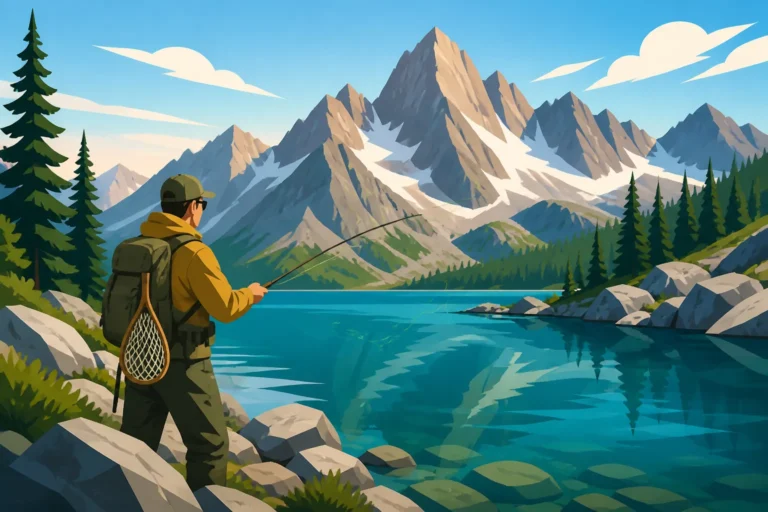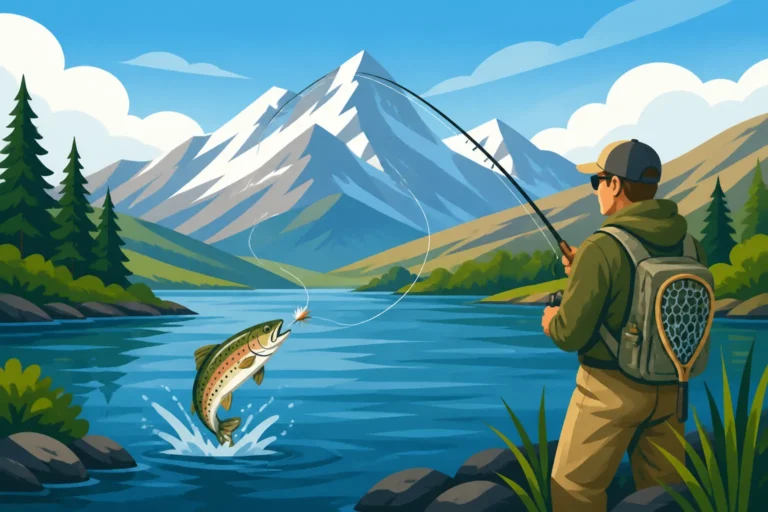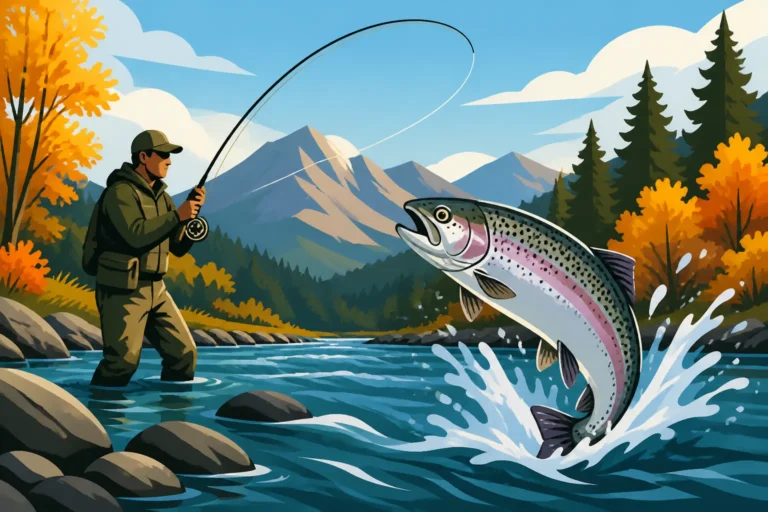
Kootenai River Fishing Near Bonners Ferry
Trying to figure out where to cast your line in a lesser-known but incredibly rich fishery can feel like looking for a needle in a haystack, especially when you’re craving an authentic Idaho experience away from the crowds. The Kootenai River near Bonners Ferry offers some truly spectacular fishing, but without local knowledge, it’s easy to feel lost. This comprehensive guide will deep-dive into everything you need to know to successfully fish this unique North Idaho gem, from what species to target to the best techniques and access points.
The Kootenai River: A North Idaho Gem Near Bonners Ferry
The Kootenai River, particularly the stretch around Bonners Ferry, is a special place in Idaho's vast fishing landscape. It’s not as widely publicized as some of the state's more famous rivers, which often means fewer crowds and a more serene angling experience. For many, this is exactly what they're looking for – a chance to connect with nature and some truly impressive fish without elbowing for space. The river here is heavily influenced by the Libby Dam upstream in Montana, which helps regulate flow and temperature, creating a relatively stable environment for fish year-round. However, this also means understanding those influences is key to successful fishing.
What really sets the Kootenai apart is its unique combination of cold, clear water and diverse habitat, supporting a fascinating array of fish, including some truly monstrous specimens. From the vibrant rainbow trout that dart through riffles to the ancient white sturgeon that lurk in its depths, this river offers something for almost every type of angler. It's a place where patience and a little preparation can yield unforgettable results, making the journey to Bonners Ferry more than worthwhile.
Understanding the River's Unique Character
The Kootenai River, as it flows through the Kootenai Valley near Bonners Ferry, is a testament to natural beauty and a powerful, cold-water fishery. Unlike some freestone rivers that experience dramatic fluctuations from snowmelt, the Libby Dam's presence upstream often provides a more consistent flow, which can be both a blessing and a challenge. This regulated flow impacts water temperatures, clarity, and nutrient delivery, all of which play a crucial role in fish behavior. Anglers need to pay close attention to discharge rates from the dam, as significant changes can alter fish locations and feeding patterns. Low, clear water might call for lighter tackle and stealthier approaches, while higher flows might demand heavier rigs and more aggressive presentations.
The river's substrate is a mix of gravel, cobble, and sandy sections, with numerous deep holes and slower runs that act as prime holding water for larger fish. Its banks are often lined with cottonwoods and brush, offering some natural cover and habitat, but also presenting challenges for shore anglers in certain spots. Understanding these subtleties—the bends, the seams where faster and slower currents meet, the underwater structure—is paramount. Think of it as reading a complex book; each ripple and eddy tells a story about what might be happening beneath the surface. It’s a river that rewards those who take the time to observe and adapt, rather than just blindly casting.
The Influence of Libby Dam and Water Management
The operation of Libby Dam in Montana has a profound and undeniable impact on the Kootenai River's fishery in Idaho. The dam creates a tailwater fishery, meaning the water released from the bottom of the dam is consistently cold, which is excellent for trout and other cold-water species, even during the hottest summer months. However, the timing and volume of these releases are managed for various purposes, including power generation, flood control, and even supporting downstream fish populations. This means water levels can change. A sudden increase in flow can spread fish out, make wading dangerous, and reduce water clarity, while a decrease can concentrate fish and make them more wary.
Before planning your trip, it's always a wise move to check the current and projected river flows. Websites from agencies like the U.S. Army Corps of Engineers or even specific fishing reports often provide this critical information. For example, if you see a significant bump in flow, you might need to adjust your fly patterns to larger, heavier nymphs or streamers to get down to where the fish are holding. Conversely, during stable, lower flows, dry fly opportunities might abound. Being aware of these dam-induced rhythms can dramatically improve your chances of success and ensure you're prepared for the conditions you'll encounter on the river near Bonners Ferry.
Diverse Species and What Makes Them Bite
The Kootenai River is a true biological treasure trove, hosting a variety of fish species that offer thrilling opportunities for anglers. While many rivers specialize in one or two main game fish, the Kootenai near Bonners Ferry provides a dynamic multi-species experience. The presence of these different species means you might need to adjust your tackle and techniques, but that's part of the fun and challenge. It’s not just about what you catch, but how you catch it, and the Kootenai provides ample opportunities to test and hone your skills.
Perhaps the most famous resident is the white sturgeon, an ancient fish that grows to enormous sizes. But don’t overlook the robust populations of rainbow and westslope cutthroat trout, which provide consistent action, especially for those who love fly fishing. And then there are the less celebrated, but equally engaging, mountain whitefish. Each species has its preferred habitat, diet, and seasonal patterns, and understanding these can turn a slow day into a memorable one.
Battling Rainbow and Westslope Cutthroat Trout
For many anglers, the opportunity to target trout is the main draw to the Kootenai River near Bonners Ferry. The river holds healthy populations of both rainbow trout and the native westslope cutthroat trout. These fish thrive in the Kootenai's cold, oxygen-rich waters and can offer fantastic sport on both fly and spin gear. Rainbows in the 14-20 inch range are common, with larger fish certainly possible, especially during optimal feeding periods. The westslope cutthroat, identifiable by the distinctive red or orange slash under their jaw, are a native species and often prefer slightly slower, more protected water, though you'll find them mixed with rainbows throughout the river.
Targeting these trout often involves understanding their feeding habits, which can shift with the seasons and available insect hatches. During spring and fall, nymphing is often very effective, using patterns that imitate stoneflies, caddis larvae, and mayfly nymphs. Think about patterns like Prince Nymphs, Hare's Ears, and small Pheasant Tails. When hatches are strong, particularly in late spring and summer, dry fly fishing can be exceptional, offering the thrilling visual of a trout rising to your imitation. Consider caddis, PMD, and hopper patterns during these times. For spin anglers, small inline spinners like a Panther Martin or a Mepps, or small spoons, can be incredibly productive, especially when cast upstream and retrieved through likely holding lies. Remember to consult the Idaho Catch Limits and Bag Limits Explained for specific regulations on trout in the Kootenai.
The Enigma of the Kootenai River White Sturgeon
The Kootenai River is perhaps most famous for its incredible population of white sturgeon, one of the largest freshwater fish species in North America. These prehistoric giants can live for over 100 years and grow to immense sizes, with individuals exceeding 10 feet in length and hundreds of pounds. The Kootenai's sturgeon population was once endangered due to habitat alteration, but dedicated conservation efforts, including stocking programs and strict fishing regulations, have led to a remarkable recovery. It's a true privilege to target these magnificent fish.
Sturgeon fishing on the Kootenai is strictly catch-and-release, which is a critical point to remember. Anglers often fish for them using heavy tackle, large bait (like cut bait or worms), and robust circle hooks to ensure a proper hookset in their tough mouths while minimizing harm. The key is to anchor in deep holes or slower current seams where sturgeon are known to congregate, drop your bait to the bottom, and wait patiently. Fighting a large Kootenai sturgeon is an experience unlike any other, demanding strength, endurance, and proper technique to bring the fish to hand, snap a quick photo, and release it safely. Be sure to review the Idaho Sturgeon Fishing Rules and understand Idaho Catch-and-Release Sturgeon Rules Explained before you go, as specific guidelines are in place to protect these vulnerable fish, including the requirement for Idaho Barbless Hook Requirements when fishing for sturgeon.
Lesser-Known but Worthwhile: Mountain Whitefish and Bull Trout
Beyond the star attractions, the Kootenai River also offers opportunities for other fascinating species. Mountain whitefish, often overlooked by anglers targeting trout, are abundant and provide excellent sport, especially on light tackle or flies. They are schooling fish that prefer cold, clear water and feed primarily on aquatic insects. If the trout are being finicky, a quick switch to small nymph patterns or even tiny jigs can often entice whitefish, providing consistent action throughout the day. They are also quite palatable if you're looking for something to take home for dinner (check regulations for limits, of course).
Another important, though highly protected, resident is the bull trout. These beautiful char are native to the Kootenai drainage and are a species of special concern. It is imperative that any bull trout caught are immediately and carefully released unharmed. They can be identified by their olive-green to brown bodies with pale yellow or pinkish spots, and the absence of black spots on their dorsal fin. Often found in colder, deeper pools or near tributary mouths, they will aggressively strike streamers and large nymphs. If you plan to fish a guide on the Kootenai, they will certainly educate you on identifying and releasing these sensitive fish.
Essential Techniques and Gear for Kootenai Anglers
Fishing the Kootenai River effectively demands a thoughtful approach to both technique and gear. Given the river's diverse species and varied conditions, a "one-size-fits-all" strategy simply won't cut it. From the delicate presentations required for wary trout to the heavy-duty setups needed for battling giant sturgeon, being properly equipped and skilled in different methods will dramatically increase your success and enjoyment. It’s not just about having the right rod; it's about understanding how to use it in this specific environment.
Many anglers find that hiring a local guide is invaluable for their first few trips to the Kootenai. These experts know the river's secrets, the prime spots, and the ever-changing patterns of the fish. Services found through platforms like FishingBooker often list experienced Kootenai River guides who can provide all the necessary gear and impart years of local wisdom. But whether you go with a guide or venture out on your own, having a foundational understanding of the techniques and gear will serve you well.
Fly Fishing Strategies for Trout and Whitefish
Fly fishing on the Kootenai River near Bonners Ferry can be exceptionally rewarding. For trout and whitefish, success often hinges on matching the hatch or effectively presenting subsurface offerings. A 5- or 6-weight fly rod, typically 9 feet long, is a versatile choice for this river, offering enough backbone for larger trout while still being delicate enough for smaller fish. Floating lines are standard, but a sink-tip line can be very useful for getting streamers or heavy nymphs down into deeper runs.
- Nymphing: This is often the most consistent method for Kootenai trout, especially during cooler months or when fish are holding deep. A common setup involves a strike indicator, split shot (if needed), and two nymph patterns fished in a tandem rig. Focus on seams, current breaks, and the slower water behind structure. Try patterns like rubber-leg stoneflies (Pat's Rubber Legs), Hare's Ear Nymphs, and a variety of caddis or mayfly imitations.
- Dry Fly Fishing: When insects are active on the surface, dry fly fishing is exhilarating. Look for consistent rises and try to identify the size and profile of the natural insects. Good patterns include elk hair caddis, parachute adams, various mayfly dun and spinner patterns, and stimulators. During late summer, terrestrial patterns like hoppers, ants, and beetles can be deadly, especially along grassy banks.
- Streamer Fishing: For targeting larger, more aggressive trout, stripping streamers can be highly effective. Patterns like Woolly Buggers, Sculpzillas, and articulated leeches in olive, black, or natural baitfish colors can provoke powerful strikes. Fish them along cut banks, through deep pools, or swung across current. Learning How to Fly Fish in Idaho generally will give you a great foundation for the Kootenai.
Spin Fishing for Trout, Whitefish, and Sturgeon
Spin fishing is also highly productive on the Kootenai and offers a great entry point for anglers less familiar with fly casting. For trout and whitefish, light to medium-light spinning rods (6-7 feet) paired with reels spooled with 6-10 lb test monofilament or braided line are ideal. A variety of lures can work wonders.
- Inline Spinners and Spoons: Small, flashy inline spinners (e.g., Mepps Aglia, Rooster Tail) and casting spoons (e.g., Kastmaster, Little Cleo) in sizes appropriate for trout (1/8 to 1/4 ounce) are fantastic choices. Vary your retrieve speed and depth until you find what the fish prefer.
- Jigs and Soft Plastics: Small jigs tipped with a grub or a scented soft plastic bait can be very effective, especially when bounced along the bottom in slower runs or jigged near structure.
- Bait Fishing (where permitted): While many prefer artificial lures, bait can be highly effective. Worms, PowerBait, or cured salmon eggs can tempt trout. Always check the Idaho Fishing Regulations Explained for specific bait restrictions on the Kootenai River and its tributaries before using live or organic bait.
For sturgeon, the gear requirements jump significantly. You’ll need a heavy-action rod (often 7-9 feet) designed for catfish or saltwater use, capable of handling large weights and immense fighting power. Pair this with a robust baitcasting or conventional reel spooled with 80-120 lb braided line. This isn't your average trout setup. Circle hooks (8/0 to 12/0) are essential for sturgeon fishing, required by regulation, and dramatically increase the chances of a hookset in the corner of the fish's mouth, making for a safer release. As mentioned earlier, heavy weights are needed to hold bait on the bottom in current. Local guides or services on FishingBooker specializing in sturgeon will have all this specialized gear ready.
Access Points and Best Times to Fish the Kootenai
Knowing how to fish is only half the battle; knowing where and when to fish is equally important, especially on a river like the Kootenai. While some rivers offer miles of easily accessible public land, the Kootenai in Idaho has specific access points that anglers should be aware of. Planning your visit around optimal seasons and understanding local nuances will maximize your chances of success and ensure a smoother trip. The beauty of Bonners Ferry is its relatively remote feel, but that means planning ahead is key.
Remember that Idaho Fishing Season Dates and Limits can vary by species and even specific river sections, so a quick check of the latest regulations from the Idaho Department of Fish and Game is always a smart move before heading out. This prevents any unintended violations and ensures you're fishing legally and responsibly.
Public Access and Boat Launches Near Bonners Ferry
The Kootenai River through the Bonners Ferry area offers several key public access points, though a boat is often the most effective way to cover water and reach prime fishing spots.
- Bonners Ferry City Boat Ramp: Located right in town, this is a convenient access point for launching drift boats, jet boats, or smaller motorboats. From here, you can explore upstream or downstream sections. There’s usually ample parking, and it provides easy access to local amenities.
- Deep Creek Area: Just downstream from Bonners Ferry, the Deep Creek area offers some shore access and a potential launch point for smaller craft, depending on water levels. It’s a good spot to target trout and whitefish.
- Boundary Creek Access: Further downstream towards the Canadian border, Boundary Creek offers another boat launch and some limited shore access. This area can be particularly good for larger trout and is often less crowded than areas closer to Bonners Ferry.
- Misc. Pull-offs: Along US-2 and other local roads, there might be informal pull-offs or access points that provide short walks to the riverbank. These can be hit or miss and often depend on private land boundaries, so always be respectful of private property and look for clear public access signage. Using satellite maps or consulting with a local tackle shop or a FishingBooker guide can help identify these lesser-known spots.
When fishing from shore, always be aware of your surroundings, especially if the current is strong. Wearing wading boots with good grip and a wading belt if you plan to enter the water is highly recommended.
Seasonal Breakdown for Kootenai River Fishing
The Kootenai River offers fishing opportunities throughout the year, but the best times to target specific species will vary.
- Spring (March – May): As water temperatures begin to rise from their winter lows, fish become more active. This can be an excellent time for nymphing for trout and whitefish, as insects start to hatch. Sturgeon can also become more active as they prepare for spawning (which occurs later in spring/early summer), making them more receptive to bait. Be mindful of potential spring runoff, which can temporarily muddy the water.
- Summer (June – August): This is prime time for dry fly fishing for trout, especially on warmer days with good insect activity. Terrestrial patterns become very effective. Sturgeon fishing remains strong throughout the summer. Early mornings and late evenings often provide the best action during the heat of the day. The river's cold, dam-fed water keeps trout happy even when other rivers get too warm.
- Fall (September – November): Many consider fall to be one of the best times to fish the Kootenai. Trout are actively feeding to bulk up for winter, and streamers and larger nymph patterns can be very effective. The changing leaves provide a stunning backdrop, and fishing pressure tends to decrease after summer. This is also a fantastic time for bull trout (catch and release only, of course) as they migrate and become more aggressive.
- Winter (December – February): While challenging due to cold weather, winter can offer unique opportunities, especially for hardy anglers. Nymphing in deep, slow pools can still yield trout and whitefish. The peace and quiet of a winter day on the Kootenai are unparalleled, but proper cold-weather gear is absolutely essential. Ice fishing is generally not feasible on the main river due to current, but some nearby sloughs or lakes might offer opportunities.
Kootenai River Fishing Planner (Near Bonners Ferry)
| Species | Best Season(s) | Preferred Techniques | Typical Gear | Notes |
|---|---|---|---|---|
| Rainbow Trout | Spring, Summer, Fall | Nymphing, Dry Fly, Spin | 5-6 wt Fly Rod, Light Spin Rod, Small Lures | Active throughout the year; larger fish in fall. |
| Westslope Cutthroat | Spring, Summer, Fall | Nymphing, Dry Fly, Streamers | 4-5 wt Fly Rod, Light Spin Rod | Native species; often found in slower runs. |
| White Sturgeon | Spring, Summer, Fall | Bait (bottom fishing) | Heavy Action Rod, Large Baitcasting Reel, 80-120lb braid, Circle Hooks | Strictly catch-and-release; requires specialized heavy gear. |
| Mountain Whitefish | Year-round | Nymphing, Small Jigs | Light Fly Rod, Ultralight Spin Rod | Excellent on light tackle; good action when trout are slow. |
| Bull Trout | Spring, Fall (esp. late) | Streamers, Large Nymphs | 6-7 wt Fly Rod, Medium Spin Rod | Catch-and-release ONLY; identify carefully. Highly protected. |
A final thought for anyone planning a Kootenai River adventure: don't hesitate to reach out to local experts. A quick chat with a knowledgeable guide service listed on FishingBooker or a visit to a local fly shop in Bonners Ferry can provide invaluable, up-to-the-minute information on river conditions, hatches, and where the fish are biting. They can also advise on specific Idaho fishing permits and stamps explained you might need beyond a standard license.
Disclaimer
Please be aware that fishing regulations in Idaho can change frequently. Always consult the latest Idaho Department of Fish and Game fishing regulations proclamation before planning your trip or engaging in any fishing activities. This guide is for informational purposes only and does not supersede official regulations.