Best Season to Fish Payette Lake Near McCall
Figuring out the absolute best time to drop a line in Payette Lake near McCall can feel a bit like trying to read a crystal ball. Every season brings its own unique challenges and incredible rewards, leaving many anglers wondering when they'll have the most success and the most enjoyable experience. This guide is here to unravel the mysteries of Payette Lake's seasonal rhythms, helping you pinpoint exactly when to plan your next fishing adventure for the species you’re after.
Understanding Payette Lake's Unique Fishery
Payette Lake, nestled against the charming town of McCall in the heart of Idaho's west-central mountains, isn't just a pretty face; it's a deep, cold, and incredibly diverse fishery. This massive glacial lake, reaching depths of over 300 feet, offers everything from trophy Lake Trout to feisty Smallmouth Bass, making it a year-round destination for those who know its secrets.
A Glacier-Carved Gem with Diverse Species
The sheer size and depth of Payette Lake mean it supports a wide variety of fish species, each with its own preferred habitat and seasonal patterns. The undisputed king of the deep here is the Mackinaw, or Lake Trout, with some specimens growing to truly impressive sizes. These apex predators thrive in the lake's cold, oxygen-rich waters, lurking in the depths for much of the year. Beyond the Mackinaw, you'll find healthy populations of Rainbow Trout, which are regularly stocked and provide excellent sport, especially in shallower areas.
For those looking for something a bit different, Payette Lake also hosts Kokanee Salmon, a landlocked cousin of the Sockeye, known for their brilliant red flesh and spirited fights. And don't forget the Smallmouth Bass, which have found a comfortable home in the lake's rocky shallows and along its timbered edges, offering warm-water action when other species are harder to reach. Understanding these primary inhabitants is the first step in unlocking Payette Lake's fishing potential, as their behavior dictates when and where you'll find them throughout the year.
Seasonal Changes and Water Temperatures
Like all deep mountain lakes, Payette Lake experiences dramatic seasonal shifts in water temperature and stratification, which profoundly impact fish activity. In summer, the lake stratifies into distinct layers: a warm surface layer (epilimnion), a rapidly cooling middle layer (thermocline), and a cold, deep layer (hypolimnion). Most cold-water species, like Lake Trout and Kokanee, will retreat to the cooler, oxygenated waters below the thermocline, often suspending over deep basins. Conversely, warmer-water species like Smallmouth Bass will be active in the sun-warmed shallows.
As seasons change, these layers break down and reform. Fall turnover sees the surface waters cool and mix with the deeper layers, re-oxygenating the entire water column and allowing fish to roam more freely. Winter brings ice cover, creating a stable, insulated environment beneath the surface. Each of these changes dictates where fish will hold, what they'll eat, and how aggressively they'll bite. Knowing these dynamics is crucial; otherwise, you might spend hours casting where no fish are present, leading to frustration rather than a successful outing. For detailed insights into these patterns across Idaho, our Idaho Fishing Season Calendar provides an excellent overview.
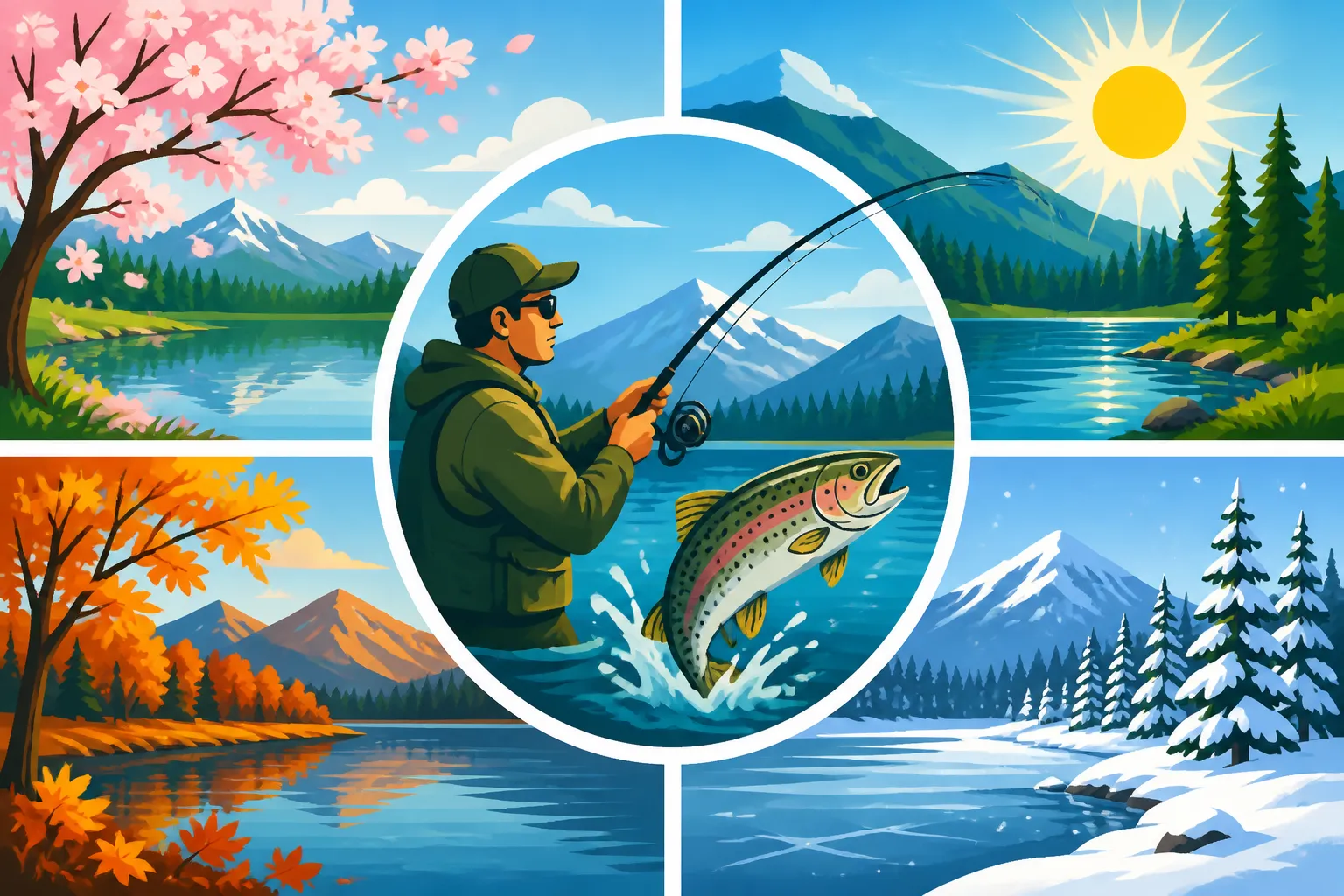
Spring Fishing on Payette Lake: The Thaw and the Awakening
Spring on Payette Lake is a time of transition, a slow awakening after winter's icy embrace. Anglers who brave the often-unpredictable weather can be rewarded with some truly spectacular fishing opportunities, especially right after the ice has melted. It's a period of increasing activity for many species as they shake off winter sluggishness.
Post-Ice Out Opportunities
The moment the ice finally breaks on Payette Lake, usually in late April or early May, signals a prime time for aggressive fishing. Fish that have been confined under the ice for months are often ravenous and more willing to chase down a meal. This "ice-out" period is fantastic for targeting Rainbow Trout and Kokanee Salmon. These fish will often cruise the shallower water columns, gorging themselves before the warmer summer temperatures push them deeper. Trolling small spoons, like a "Wedding Ring" or "Dick Nite" in bright colors, can be incredibly effective near shorelines and over submerged structure.
You might find Rainbows in the top 10-20 feet of water, while Kokanee might be a bit deeper, often relating to current inflows from melting snow. Don't be afraid to experiment with different depths and trolling speeds. The water can be chilly, so dressing in layers is key. If you're looking for guidance on hitting the waters just as the ice clears, check out our insights on Fishing Idaho Right After Ice-Out. It's a short but sweet window of opportunity that seasoned anglers eagerly anticipate.
Early Season Bass Action
As the spring progresses into late May and early June, the shallow coves and rocky points of Payette Lake start to warm up, signaling the arrival of prime Smallmouth Bass action. These tough-fighting fish become incredibly active as they prepare for their spawning rituals. Look for them in water from 5 to 20 feet deep, especially around timber, large rocks, and docks that absorb the sun's warmth. Using small crankbaits, jigs, or soft plastics like tubes and grubs can yield excellent results.
The bass will often be in prespawn mode, meaning they are aggressively feeding to build energy. A slow, methodical retrieve can often entice a strike from a big smallmouth. Areas around the McCall marina or the more protected bays on the lake's western side can be hotspots. Just remember, while the lake itself might still be quite cool, these shallower pockets warm up much faster. For more tips on finding these hard-fighting fish, refer to our Idaho Smallmouth Bass Fishing guide.
Navigating Spring Weather and Runoff
One of the biggest challenges of spring fishing on Payette Lake is the unpredictable weather. You can experience sunshine, rain, and even snow all in the same day. Water levels can also fluctuate due to snowmelt and runoff, which might introduce some turbidity into parts of the lake. While the main body of Payette Lake tends to stay quite clear due to its size, inflows from smaller creeks can bring in muddy water.
Always check the forecast before heading out and prepare for rapidly changing conditions. Layered clothing, waterproof outerwear, and good quality fishing gloves are essential. Additionally, spring can bring brisk winds, making boat control tricky. If you're new to fishing the lake, consider consulting local bait shops or even booking a guide through a service like FishingBooker. They can provide up-to-the-minute reports on conditions and fish behavior, ensuring you're making the most of your time on the water.
Summer Fishing on Payette Lake: Deep Water and High-Country Fun
Summer on Payette Lake transforms it into a vibrant hub of activity. While recreational boating and swimming take center stage for many, serious anglers know that the deep, cool waters still hold incredible fishing opportunities, particularly for those targeting the lake's largest residents.
Targeting Deepwater Mackinaw
When the summer sun beats down and the surface water warms considerably, the majestic Lake Trout (Mackinaw) retreat to the deep, cold sanctuaries of Payette Lake. This means you'll need specialized techniques and gear to reach them. Mackinaw can be found anywhere from 60 to 150 feet deep, sometimes even deeper, often suspending over structure or along the lake's steep drop-offs. The key here is downriggers and heavy trolling gear.
Flashers and dodgers rigged ahead of large spoons or baitfish imitations (like herring or Kokanee plugs) are highly effective. Popular colors tend to be silver, white, or various shades of green and blue to mimic their natural forage. Early mornings and late evenings can be particularly productive as Mackinaw might venture slightly shallower to feed. This style of fishing requires patience and a good understanding of your fishfinder to locate schools of baitfish or the Mackinaw themselves. If you're serious about chasing these giants, our Idaho Lake Trout Fishing Guide offers invaluable strategies.
High-Country Rainbow Trout and Kokanee
While Mackinaw are deep, Rainbow Trout and Kokanee Salmon also adjust their behavior significantly in summer. Rainbows will still be present, but often move to cooler waters, congregating around spring-fed areas, deeper current breaks, or suspended in the thermocline. Trolling small spoons or pop gear with worms at depths between 20-50 feet can be productive. Early morning is still the best bet for shallower Rainbows before the sun gets too high.
Kokanee, on the other hand, become a bit more predictable but still require finesse. They'll typically be found schooling in the cooler water, often at depths between 40-80 feet. Small Kokanee-specific dodgers and wedding rings, tipped with corn or scent, are the go-to setup. Trolling very slowly is crucial for these light-biting fish. Knowing your sonar and precisely controlling your depth with downriggers or leaded line becomes paramount. For a comprehensive look at how to target these delicious salmon, consider our Idaho Kokanee Fishing Guide.
Recreational Boating Considerations
Summer in McCall is peak tourist season, and Payette Lake becomes a bustling playground. This means anglers will be sharing the water with everything from jet skis and wakeboard boats to sailboats and kayaks. The sheer volume of recreational traffic can make fishing challenging, especially during midday. It often means adjusting your schedule to fish during the quieter hours of dawn and dusk.
Consider exploring less accessible coves or focusing on open water trolling far from popular swimming beaches. Respect other water users, and always be aware of your surroundings. If you're planning a trip and want to explore guided options that can navigate these conditions, checking out available charters on FishingBooker might be a wise move, as local guides are adept at finding productive spots even during busy times.
Fall Fishing on Payette Lake: The Prime Season for Big Fish
Many seasoned anglers will tell you that fall is, without a doubt, the prime season for fishing Payette Lake. As the air cools, the leaves turn brilliant shades of gold and crimson, and recreational boat traffic dwindles, the lake undergoes a magical transformation that benefits almost every species.
Aggressive Lake Trout and Spawning Colors
The cooling water temperatures in fall, often starting in September and extending through October, trigger an aggressive feeding frenzy in Lake Trout. This is their pre-spawn period, and they are actively bulking up. The fall "turnover" event, where the water column mixes, disperses oxygen and baitfish throughout the lake, allowing Mackinaw to roam more freely and often shallower than in summer. You might find them in 40-80 feet of water, making them easier to target.
Trolling large spoons, plugs, or even jigging vertically with heavy spoons and soft plastics can be incredibly effective. Pay attention to structure like submerged humps, points, and drop-offs. This is also the time when the largest Lake Trout are often caught, showcasing their impressive size and vibrant spawning colors. For those chasing that trophy Mackinaw, this is your window.
Rejuvenated Kokanee and Rainbows
Fall also breathes new life into the Kokanee and Rainbow Trout fisheries. As the surface waters cool, Kokanee become more accessible. They start to school up and move shallower, sometimes as shallow as 20-30 feet, as they prepare for their spawning run later in the season. Trolling small kokanee gear or even casting spoons from shore or a boat in the evenings can be productive. These fish will often be vibrant and strong, offering exhilarating fights.
Rainbow Trout also become more active and less spooky. They'll readily hit a variety of lures and baits, from spinners and spoons to worms fished under a bobber. Focus on areas where creeks feed into the lake, or along rocky shorelines where baitfish might be congregating. The cooler temperatures mean these fish can be found higher in the water column and closer to shore, making for a more comfortable and visually stunning fishing experience with the backdrop of autumn foliage. If you want to increase your chances, consider what's on offer in our Best Bait and Lures for Idaho Fishing guide.
Peaceful Waters and Stunning Scenery
Beyond the fantastic fishing, fall offers an unparalleled tranquility on Payette Lake. The summer crowds have dissipated, leaving behind a peaceful environment ideal for connecting with nature. The crisp air, the vibrant colors reflecting on the calm water, and the reduced boat traffic create a truly sublime experience. It's a fantastic time for both serious anglers seeking personal bests and those simply looking to enjoy the quiet beauty of the Idaho mountains.
Local outfitters often shift their focus to guided fall trips during this period, knowing it's a prime time for big fish. If you're considering hiring a guide, particularly for specialized Lake Trout techniques, reaching out to services like FishingBooker in early summer to secure a fall booking is a smart move, as prime dates fill up quickly.
Winter Fishing on Payette Lake: Ice Angler's Paradise
When the temperatures plummet and a thick layer of ice covers Payette Lake, a whole new world of fishing opens up. Ice fishing is a beloved winter pastime in McCall, offering a unique opportunity to target species that might be harder to reach during other times of the year, all while enjoying the serene winter landscape. For those dedicated to the hardwater, Payette Lake can be an absolute blast.
Safe Ice and Productive Hardwater
The key to safe and successful ice fishing on Payette Lake, or any frozen water body, is always prioritizing ice safety. Payette Lake typically freezes over reliably by late December or early January, offering several months of solid ice. Always check local ice conditions and reports, and never venture out alone or onto ice that seems questionable. Once safe ice (generally 4 inches for foot travel, more for vehicles) is established, Payette Lake becomes a productive hardwater fishery.
Anglers can target a variety of species, including Rainbow Trout, Kokanee, and Yellow Perch. Rainbows and Perch are often found in shallower areas, especially near the shorelines, weed beds, and points in 10-30 feet of water. Kokanee tend to suspend over deeper basins, often in 40-80 feet. Drill multiple holes and use your fishfinder to locate schools of fish. The stillness under the ice can make fish incredibly sensitive to vibrations, so a quiet approach often pays dividends. If you're new to the world of ice fishing, our How to Ice Fish Idaho Lakes guide is a great place to start.
Specialized Techniques for Ice Fishing
Ice fishing on Payette Lake requires some specialized gear and techniques. For Rainbow Trout and Perch, small jigging spoons, ice jigs tipped with a grub or a piece of nightcrawler, or even a simple bobber setup with bait can be highly effective. For Kokanee, ultralight rods with small, glowing jigs tipped with maggots or corn are popular. A flasher or sonar unit is almost indispensable for locating fish and understanding their depth.
Many anglers use portable ice shelters for comfort and warmth, especially on windy days. Be prepared to move around until you find an active school. The bites can be subtle, so paying close attention to your rod tip or bobber is crucial. Remember to bundle up! Layers are your friend, along with insulated boots and gloves. You’d be surprised how quickly the cold can seep in when you’re stationary on the ice. We specifically address Ice Fishing on Payette Lake to help you get started.
Cold-Weather Comfort and Safety
While immensely rewarding, winter fishing on Payette Lake demands respect for the elements. Temperatures can drop well below freezing, and exposure can quickly become dangerous. Beyond proper clothing, always carry safety gear like ice picks, a rope, and a fully charged phone. Inform someone of your plans and expected return time.
Consider bringing a portable heater for your shelter, a hot beverage in a thermos, and plenty of snacks. The tranquility of ice fishing, with snow-covered mountains reflecting on the ice, is truly a unique experience. If you’re planning a trip and want to maximize comfort and safety while hitting the best spots, consider booking an ice fishing guide. Services available on FishingBooker can connect you with experienced local guides who know the lake's ice conditions and fish patterns, ensuring a safe and productive outing.
Payette Lake Species by Season Overview
To help you quickly visualize the best times to target specific species, here's a handy table:
| Fish Species | Best Season(s) to Target | Key Techniques | Average Depth (approx.) |
|---|---|---|---|
| Lake Trout (Mackinaw) | Fall (Pre-spawn bite), Winter (Ice fishing) | Trolling deep, Jigging large spoons, Downriggers | 40-150 ft (deeper in summer) |
| Rainbow Trout | Spring (Post-ice out), Fall (Cooling waters), Winter (Ice fishing) | Trolling spoons, Spinners, Jigs, Bait | 10-50 ft (shallower in spring/fall) |
| Kokanee Salmon | Spring (Post-ice out), Fall (Pre-spawn), Winter (Ice fishing) | Trolling small dodgers/spoons, Small jigs with bait | 20-80 ft (variable by season) |
| Smallmouth Bass | Late Spring (Prespawn), Summer (Shallow action) | Crankbaits, Jigs, Soft plastics | 5-20 ft (shallower in summer) |
Disclaimer
The information provided in this guide is for general informational purposes only and is subject to change. Always consult the most current Idaho Fish and Game regulations and local conditions before planning any fishing trip. Fishing responsibly and safely is paramount.