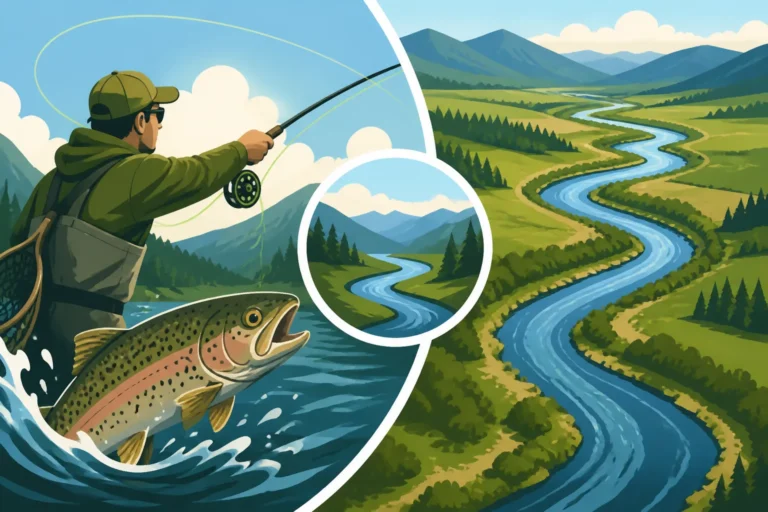
The Easiest Section of Henry’s Fork for Beginners
Stepping onto the famed Henry's Fork can feel a lot like walking into an advanced calculus class when you're still grappling with basic arithmetic. This world-renowned trout stream, with its legendary hatches and notoriously selective fish, often intimidates new anglers or those less experienced in technical fly fishing. But don't let its reputation deter you; this guide is here to unravel the mystery and point you directly to the sections of Henry's Fork that offer a more forgiving, enjoyable experience for beginners, ensuring your first foray onto its hallowed waters is one of excitement, not frustration.
Unveiling the Most Approachable Waters: Henry's Fork for Beginners
While some sections of Henry's Fork are famously challenging, demanding pinpoint casts and exact fly imitations, there are definitely stretches that are more welcoming to those still learning the ropes. The key is knowing where to look and what to expect.
The Box Canyon: A Great Starting Point
For many, the approximately 5-mile stretch of the Henry's Fork known as the Box Canyon, located immediately downstream from the Island Park Dam, represents the most accessible and often the most productive water for beginners. Why? Because the consistent, cold water flows from the bottom of Island Park Reservoir mean stable temperatures and a steady supply of aquatic insects, making the trout here generally less spooky and more willing to bite than their counterparts further downstream in more technical waters. The river here flows faster, with a mix of riffles, runs, and some deeper pools, providing diverse habitat and opportunities for various fishing techniques.
One of the biggest advantages of the Box Canyon for new anglers is the sheer number of trout. This section is known for its healthy population of rainbow and brook trout, many of which are wild and eager. You don't always need an absolutely perfect presentation here; a decent cast with the right offering often gets the job done. The currents also provide a bit of a "cover" for less-than-stellar drifts, making mistakes less punishing. Plus, access is generally good, with several pull-offs and designated access points that allow you to get close to the water without a long hike. It’s a great place to hone your casting, practice wading in moving water, and learn to read the river without the intense pressure of highly selective fish you'd find in, say, the famous Railroad Ranch. If you're looking for an excellent spot to begin your adventure on this iconic river, the Box Canyon is your best bet.
From Island Park to Ashton Reservoir: Varied Opportunities
Beyond the immediate Box Canyon, the river continues to flow downstream towards the Ashton Reservoir, and this broader area also holds significant appeal for beginners. While not as consistently productive as the Box Canyon, this stretch offers more varied access and often fewer crowds, especially during peak season. Here, the river begins to slow down a bit in places, spreading out and presenting different types of water to fish. You'll find more braided sections, slower pools, and some larger bends where fish hold.
This wider section is fantastic for experimenting with different techniques. For those who aren't quite ready for a full fly-fishing immersion, it’s often permissible and productive to use spin gear with lures or bait in certain areas (always check current regulations in the Idaho Fishing Regulation Brochure and Proclamation to be sure!). The fish here might still be wild and strong, but they often respond well to more conventional tactics. The landscape also changes, offering picturesque views and a sense of solitude that can be incredibly rewarding. Access points are scattered along Highway 20 and other county roads, often leading to public lands or designated fishing access sites. It’s a section where you can spend an entire day exploring, moving from one type of water to another, and continually learning about the river's character.
Simple Techniques for Landing Your First Henry's Fork Trout
The reputation of Henry's Fork often conjures images of expert fly anglers delicately presenting tiny dry flies to rising trout. While that's certainly a part of the experience, it's not the only way to fish these waters, especially for beginners in the easier sections.
Beginner-Friendly Fly Fishing Strategies
If fly fishing is your goal, even on the easier sections, starting simple is key. Forget the micro-midge patterns and complex nymph rigs for now. Instead, focus on techniques that are more forgiving and patterns that are generally attractive to a wider range of trout.
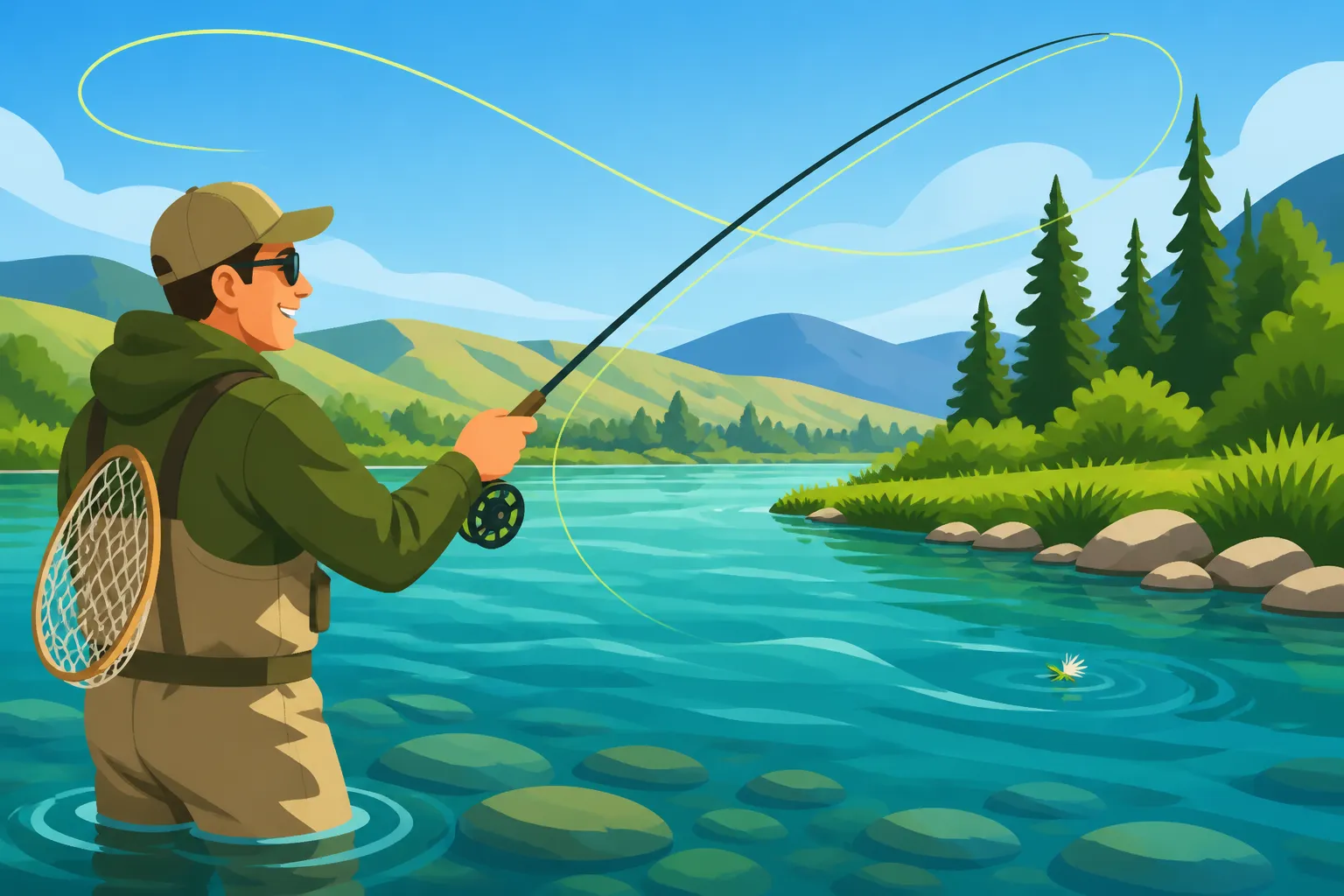
One of the most effective and beginner-friendly fly fishing methods is indicator nymphing. This involves using a strike indicator (a fancy bobber) to suspend one or two weighted nymph patterns beneath the surface. The indicator helps you detect subtle takes and keeps your flies at the correct depth. In the Box Canyon, larger nymphs like Pat's Rubber Legs, Copper Johns, Prince Nymphs, or Hare's Ear Nymphs in sizes 10-16 are often very productive. These flies imitate common aquatic insects and are relatively easy for trout to spot in the faster current. The key is getting a good, natural drift, letting your flies tumble downstream at the same speed as the current. Don't worry about perfect casting; focus on mending your line upstream to avoid drag. You can learn more about this and other foundational skills in our How to Fly Fish in Idaho guide.
Another excellent option, especially during the warmer months when terrestrials are active, is fishing larger dry flies. Think big foam hoppers, ants, or even stimulators. While Henry's Fork trout can be picky, in the Box Canyon or other slightly faster waters, they are often less discerning when a large, meaty meal floats by. These flies are easier to see on the water, making it simpler to track your drift and detect strikes. A less-than-perfect cast might even mimic a struggling grasshopper falling into the water, triggering an opportunistic strike. It's about presentation over perfection when you're starting out.
Effective Spin Fishing and Gear Choices
For those not yet into fly fishing, or who simply prefer spin gear, the Box Canyon and areas downstream toward Ashton Reservoir can be incredibly rewarding. Many sections of the river, especially the faster, more turbulent ones, are perfectly suited for spin fishing, and the trout there are often less wary of conventional tackle.
Small inline spinners, like those from Panther Martin or Mepps, in silver, gold, or brass colors, are classic trout getters. Their flashy blades and vibrations attract fish from a distance, and their weight helps them get down in the current. Small spoons, such as Kastmasters or Little Cleos, are also excellent choices, mimicking baitfish. For bait, if regulations allow (always double-check!), common options like nightcrawlers (worms), salmon eggs, or even PowerBait can be very effective, especially fished on a simple bottom rig or beneath a small float in slower pools.
The beauty of spin fishing in these sections is its simplicity and directness. You can cover more water, and the gear is generally less intimidating for newcomers. A light to medium-light spinning rod (6-7 feet) with a matching reel spooled with 4-6 lb test monofilament or fluorocarbon line is perfect. Just remember to use appropriate tackle for the size of fish you're targeting; Henry's Fork trout can be strong! We cover more general tips on Idaho Fishing Techniques Guide, but for Henry's Fork, a subtle approach, even with spin gear, often yields better results.
Essential Gear, Local Knowledge, and Planning Your Trip
Being prepared is half the battle, especially when venturing onto a river like Henry's Fork. Having the right gear and knowing where to get local advice can make all the difference for a successful and enjoyable first trip.
Key Equipment for Your First Henry's Fork Outing
Even on the "easier" sections, Henry's Fork is still a powerful, cold river. Dressing appropriately and having essential gear isn't just about comfort; it's about safety.
Here’s a quick rundown of what you’ll want to bring:
- Waders and Wading Boots: Neoprene or breathable chest waders are essential for staying dry and warm in the cold water. Studded or felt-soled wading boots provide much-needed traction on slippery river rocks. A wading belt is crucial for safety.
- Layered Clothing: Even in summer, mornings can be chilly, and weather can change rapidly. Layers allow you to adjust to conditions. Think moisture-wicking base layers, fleece or wool mid-layers, and a waterproof/windproof outer shell.
- Fishing Rod and Reel:
- Fly Fishing: A 5 or 6-weight rod (8.5-9.5 feet) with a matching reel and floating line is a versatile choice for Henry's Fork.
- Spin Fishing: A 6-7 foot light to medium-light action rod with a spinning reel spooled with 4-6 lb line.
- Terminal Tackle:
- Fly Fishing: A selection of nymphs (Pat's Rubber Legs, Prince Nymph, Copper John), dry flies (foam hoppers, parachute Adams, Elk Hair Caddis), strike indicators, split shot, and various tippet sizes (3X-5X).
- Spin Fishing: Inline spinners, small spoons, swivels, sinkers, hooks (size 8-12), and bait (if using). Check out our Best Lures for Idaho Trout Fishing for more ideas.
- Polarized Sunglasses: Crucial for spotting fish and reading water, not to mention protecting your eyes.
- Hat: For sun protection and reducing glare.
- Nippers and Hemostats (Forceps): Essential for cutting line and safely removing hooks.
- Landing Net: A rubber-mesh net is best for protecting fish you intend to release.
- Idaho Fishing License: Absolutely mandatory. You can get yours online or at local vendors. Make sure you understand the Idaho Fishing License Guide.
- Water and Snacks: Hydration and fuel are important for a long day on the water.
Tapping into Local Expertise and Resources
Even with the "easiest" sections, local knowledge can exponentially improve your chances. Before you go, or when you arrive, visit a local fly shop in Island Park or Ashton. Places like Henry's Fork Anglers or Trouthunter are invaluable resources. The staff can provide real-time information on conditions, recent hatches, effective flies or lures, and precise access points. They live and breathe the river and are often happy to share tips for beginners. Don't be shy about asking questions; they've heard it all!
Another fantastic option, especially for a truly immersive and educational first experience, is to hire a fishing guide. While it's an investment, a guide can fast-track your learning curve, put you on fish, teach you proper techniques, and help you navigate the river safely. Guides on Henry's Fork are experts at tailoring trips to all skill levels, including absolute beginners. You can find reputable guides through local shops or by using online platforms like FishingBooker, which lists many experienced outfitters in the area. A guided trip, often including all necessary gear and even lunch, is arguably the most efficient way to learn How to Fly Fish Henry's Fork and understand its nuances. You can explore options and book directly through a platform like FishingBooker, ensuring you get a licensed and experienced professional. For more details on finding and booking guides, check out our Idaho Fishing Guides and Charters Directory. Many guides also offer beginner-specific lessons or trips that focus more on instruction and less on simply catching the biggest fish, which can be perfect for easing into this incredible fishery.
| Gear Type | Recommended for Henry's Fork Beginners (Box Canyon/Ashton) | Why It Helps |
|---|---|---|
| Rod (Fly) | 5 or 6-weight, 9-foot | Versatile for various fly sizes and casting scenarios. |
| Rod (Spin) | Light to Medium-Light Action, 6-7 foot | Good for casting lighter lures and handling strong trout. |
| Waders | Breathable Chest Waders | Essential for comfort and warmth in cold river water. |
| Wading Boots | Felt or Rubber with Studs | Provides critical traction on slippery rocks. |
| Flies (Nymphs) | Pat's Rubber Legs, Copper John, Prince Nymph (sz 10-16) | Effective for subsurface feeding trout, easy to rig. |
| Flies (Dries) | Foam Hoppers, Stimulators (sz 8-12) | Easier to see and present, good for opportunistic strikes. |
| Lures (Spin) | Inline Spinners (Mepps, Panther Martin), Small Spoons | Flashy and vibrating, attracts trout in current. |
| Polarized Sunglasses | Any quality brand | Crucial for seeing fish, reading water, and eye protection. |
| Wading Staff | Collapsible | Adds stability and safety when wading in current. |
| Fishing License | Idaho Resident or Nonresident Annual | Legally required for all anglers 14 and older. |
Embracing the Henry's Fork Experience
Even on its easier stretches, the Henry's Fork is a truly special place. It’s not just about catching fish; it’s about experiencing one of America's most iconic trout streams. Remember, fishing is often about patience and perseverance. Don't get discouraged if the fish aren't biting immediately. Take time to enjoy the stunning scenery of eastern Idaho, observe the wildlife, and simply soak in the tranquility of the river.
The Box Canyon and the waters flowing towards Ashton Reservoir offer a fantastic introduction to this fabled river. With a bit of preparation, the right mindset, and perhaps a little help from local experts or a guided trip (which you can easily arrange via services like FishingBooker), your first experience on Henry's Fork can be both educational and incredibly rewarding. Many anglers find their lifelong passion for fly fishing sparked on these very waters, even on their very first cast. So grab your gear, check the regulations, and get ready to create some unforgettable memories on one of Idaho's most magnificent rivers. You can also dive deeper into the general fishing prospects for this area by looking at our Henry's Fork's 70 Miles of Fishable Water Explained article.
Managing Expectations for a Beginner's Day
It’s completely normal for a beginner to feel a mix of excitement and apprehension before fishing a renowned river like Henry's Fork. While the sections mentioned here are more forgiving, they are not a guarantee of instant success. Unlike stocked ponds where fish might be lining up for a meal, Henry's Fork trout, even in the Box Canyon, are wild, clever creatures. Expect to spend time learning, observing, and refining your technique. Your goal for a first trip should be about gaining confidence, understanding river dynamics, and perhaps landing a few fish, rather than aiming for a trophy catch on every cast.
Take a moment to simply watch the river. Observe where the current flows, where the water is deeper, and where insect activity might be present. These observations will greatly inform where you decide to cast your line. Remember that even experienced anglers have slow days on Henry's Fork, a testament to the river's character. The satisfaction often comes from the challenge and the small victories, like a well-executed cast or a subtle take that you managed to detect. This progressive learning experience is a core part of the magic of fishing, and Henry's Fork offers an exceptional classroom.
Disclaimer
Please be aware that fishing regulations in Idaho can change. Always consult the latest Idaho Fish and Game rules and regulations before heading out on the water. This guide provides general information and should not be considered a substitute for official regulations.