The Best Section of the Salmon River for Steelhead
Trying to figure out where to even begin fishing for steelhead on Idaho's massive Salmon River can feel like trying to find a specific silver bullet in hundreds of miles of diverse, dynamic water. It’s a challenge many anglers face when confronted with such a vast and iconic river system. This guide is here to unravel the complexities, helping you pinpoint the most productive sections of the Salmon River for steelhead, whether you’re chasing them in the fall, winter, or spring.
The Epic Journey of Salmon River Steelhead
The Salmon River, often called the "River of No Return," is an astonishing waterway, stretching hundreds of miles from its headwaters near the Sawtooth Mountains to its confluence with the Snake River. This immense scale means that steelhead, an anadromous rainbow trout, undertake an epic migration, traveling thousands of miles from the Pacific Ocean, up the Columbia and Snake Rivers, and finally into the Salmon River system to spawn. Understanding this journey is key to understanding where and when to intercept them.
Steelhead Runs and Their Timing
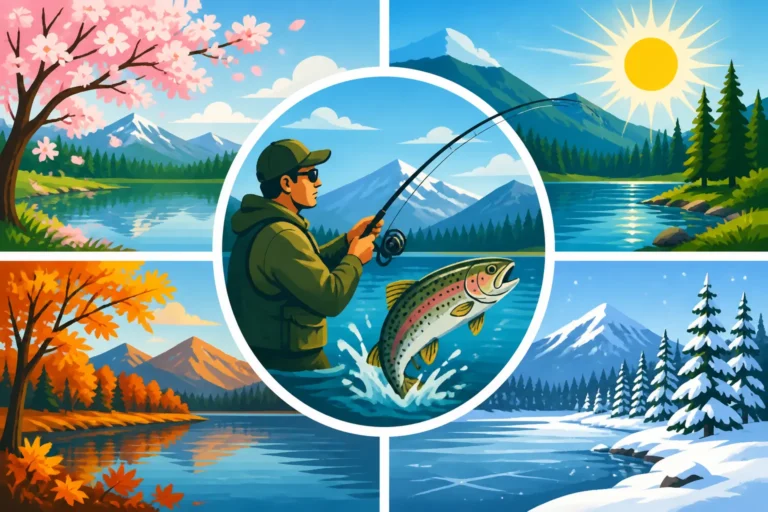
Steelhead in the Salmon River typically arrive in two main waves: fall and spring. Fall steelhead, often referred to as "A-run" or "B-run" depending on their size and origin, begin showing up in the lower reaches of the Salmon River in late summer and early fall, usually September and October. These fish continue to push upstream throughout the fall and into early winter, seeking out holding water.
Spring steelhead, often comprising a mix of overwintering fish and new arrivals, start to become active as water temperatures rise in March and April. They’re generally more aggressive as they prepare for spawning. Knowing these broad timelines is your first step to narrowing down the hundreds of miles of river into manageable sections. However, specific timing can vary year to year based on river flows, water temperatures, and dam passage conditions. For the most up-to-date information, checking the latest Idaho Fishing Season Dates and Limits is always a good idea.
Navigating the River's Vastness
Given its sheer length, the Salmon River presents a unique challenge. Steelhead don't just appear uniformly throughout the river; they stage, hold, and move through specific areas based on water conditions, depth, current, and available cover. What works in one section during fall might be entirely unproductive in another during spring. The river flows through deep canyons, wide valleys, and mountainous terrain, each offering different access points and fishing experiences. Trying to tackle the entire river without a strategy can be overwhelming and often unproductive.
Prime Steelhead Waters: Breaking Down the Salmon River by Section
While steelhead can technically be found throughout much of the Salmon River system, certain sections consistently produce more fish and offer better access or conditions during specific times of the year. Let's delve into these key areas.
The Lower Salmon River: Gateway to the Run
The Lower Salmon River, generally considered the stretch from its mouth up to the Riggins area, is often the first place anglers encounter steelhead. These waters see the earliest arrivals of fall-run fish, typically from September through November.
This section is characterized by its broad flows, numerous riffles, and deeper pools, offering ample holding water for migrating steelhead. Access here is relatively good, with many public launch points for jet boats and drift boats, as well as decent bank fishing opportunities, especially around towns like White Bird. The confluence with the Snake River also acts as a natural funnel, concentrating fish as they begin their journey. Anglers often find success here using aggressive techniques like drift fishing with bait or jigs, as well as back-trolling plugs, trying to intercept fresh, energetic fish.
The Mainstem Salmon River: The Heart of the Action
Moving upstream from Riggins, the mainstem Salmon River takes center stage for much of the fall and winter steelhead season. This extensive stretch, encompassing areas around Riggins, Lucile, and further up towards Grangeville and Cottonwood, is arguably the most famous and heavily fished for steelhead.
The canyon sections here, particularly above Riggins, offer a mix of fast-moving runs, deep holes, and gravel bars that steelhead love to hold in. The river flows through breathtaking scenery, but don't let the views distract you—this is serious steelhead country. This area becomes incredibly popular from October through February, peaking in the late fall. Jet boats are a common sight, navigating the currents to reach prime, less-pressured holes. However, significant stretches are also accessible by drift boat or even by foot for those willing to hike. Many experienced guides operate in this region; for those looking to maximize their chances, platforms like FishingBooker offer a wide selection of local experts who can navigate these challenging waters and put you on fish. They understand the nuances of the river and can guide you on the specific techniques that make a difference.
The Upper Salmon River: Spring Challenges and Rewards
As you venture further upstream past the mainstem, you enter the Upper Salmon River, flowing through more open valleys and higher elevations towards Stanley. This section, particularly from the Middle Fork confluence upstream, becomes most productive in the late winter and spring months, typically March and April.
Here, the steelhead are often holding in preparation for spawning, and they can be found in shallower, less aggressive water than in the lower river. Access becomes more sporadic, with fewer boat launches and more reliance on hiking in or using smaller drift boats. The fishing here can be more technical, favoring fly fishing techniques like nymphing or swinging flies, especially as water temperatures begin to tick up. The scenery is stunning, with the Sawtooth Mountains as a backdrop, making it a truly iconic Idaho fishing experience, even if the fish are harder-won. For specific techniques, our Idaho Steelhead Fishing Guide dives deep into what works best in these varying conditions.
Seasonal Hotspots and Optimal Conditions
Understanding the general sections is one thing, but pinpointing the best specific holes or runs often comes down to timing, water conditions, and recent fish movement. Steelhead are constantly on the move, and what was hot last week might be cold this week.
Fall Steelhead: Aggressive Takes in Warming Waters
In the fall, as steelhead first enter the river, they are often aggressive and willing to chase lures and baits. The Lower Salmon River, especially below Riggins, lights up first. Look for fish in the tails of long pools, behind current breaks, and in seams where faster water meets slower water. As the season progresses and more fish move upstream, the mainstem Salmon River around Riggins and Lucile becomes a magnet for anglers. This is prime time for drift fishing with roe, shrimp, or plastic worms, and also for back-trolling divers and plugs. The weather can still be mild, making for comfortable fishing days.
Winter Steelhead: Deeper and Slower
As winter descends, the river cools, and steelhead typically drop into deeper, slower-moving pools and runs. They conserve energy and become less active. The mainstem Salmon River remains productive, but the approach shifts. Instead of aggressive presentations, anglers often focus on subtle drifts with jigs, beads, or small pieces of bait, meticulously working deep pockets. This is where patience is paramount. Ice can be a factor in some sections, especially in the upper reaches, making safe access a real concern. Knowing how to properly identify a Hatchery vs Wild Steelhead in Idaho is crucial here, as wild fish must be released.
Spring Steelhead: The Spawning Push
Spring brings renewed vigor, as steelhead that have overwintered, along with new arrivals, become more active with rising water temperatures. The Upper Salmon River around Stanley and further downstream towards the Middle Fork confluence becomes a primary focus. Fish will stage in gravelly runs and shallower riffles as they prepare to spawn. Fly anglers often have excellent success during this period, particularly nymphing with egg patterns or stoneflies, or swinging larger wet flies and streamers. These fish can be incredibly strong, offering some of the most memorable fights. Always be mindful of active spawning beds and avoid disturbing them.
| Section of Salmon River | Primary Season | Typical Water Conditions | Common Fishing Techniques | Accessibility | Key Characteristics |
|---|---|---|---|---|---|
| Lower Salmon (to Riggins) | Fall (Sept-Nov) | Faster, wider flows, clearer | Drift fishing, back-trolling, jigging | Good, boat ramps, some bank access | Early arrivals, aggressive fish |
| Mainstem Salmon (Riggins to Middle Fork) | Fall, Winter (Oct-Feb) | Diverse runs, deep pools, canyon sections | Drift fishing, back-trolling, jigging | Good, many jet boat launches, bank access | Iconic steelhead fishery, prime holding water |
| Upper Salmon (Middle Fork upstream) | Late Winter, Spring (Mar-Apr) | Clearer, shallower, more technical | Fly fishing (nymphing, swinging), lighter gear | More remote, less boat access, hike-in | Spawning fish, stunning scenery, technical fishing |
Understanding Local Regulations and Ethical Angling
Before you even think about dropping a line into the Salmon River, you absolutely must familiarize yourself with the current Idaho Fishing Regulations Explained. These regulations are incredibly specific and can change based on the river section, time of year, and even specific fish runs. For instance, catch limits and bag limits can vary dramatically, and there are often special rules for anadromous species like steelhead.
Barbless hooks are usually required for steelhead fishing, and strict catch-and-release rules apply to wild steelhead, which are identified by an intact adipose fin. Keeping a wild steelhead can result in significant penalties. Carrying a current Idaho fishing license, along with the necessary salmon and steelhead permits, is not just a formality; it’s a legal requirement. Ignoring these rules can lead to fines, confiscation of gear, and even loss of fishing privileges. Being a responsible angler means understanding and adhering to these regulations.
Maximizing Your Chances: Gear, Techniques, and Expertise
Successfully targeting steelhead on the Salmon River requires more than just knowing where they might be; it demands the right gear, appropriate techniques, and often, a little local insight.
Essential Gear for Salmon River Steelhead
For the powerful steelhead of the Salmon River, you’ll want sturdy gear. A medium-heavy to heavy action rod, typically 9 to 11 feet long, paired with a reliable spinning or baitcasting reel spooled with 15-20 lb monofilament or braided line is standard. Many anglers prefer braided line for its sensitivity, often using a fluorocarbon leader for stealth. For fly anglers, a 7-8 weight rod is usually the go-to, capable of casting heavy sink-tips or indicator rigs. Waders are almost always a necessity for accessing prime bank-fishing spots or wading in shallower areas. Don't forget a net with a rubber mesh to protect the fish, especially if you plan on releasing them. For specific recommendations, our guide on Best Bait and Lures for Idaho Fishing provides great insights.
Common Techniques That Produce
- Drift Fishing: This is perhaps the most popular method, especially with bait (cured roe, shrimp) or jigs. The idea is to present your offering naturally along the bottom, allowing it to tumble downstream with the current. This is particularly effective in runs and riffles where steelhead often hold.
- Back-Trolling Plugs: From a boat, back-trolling plugs or divers can be incredibly effective, especially in deeper, slower runs. The boat is used to slow the drift, allowing the lure to wobble and dive, enticing a strike. Brands like Brad's Wigglers or Mag Lip plugs are common choices.
- Jig Fishing: Jigs, often tipped with a piece of bait or scent, are excellent for both drift fishing and under a float. Pink, chartreuse, or black jigs are popular colors.
- Fly Fishing: For fly anglers, nymphing with indicator rigs (using stonefly imitations, caddis, or egg patterns) is highly productive, especially in colder water. Swinging streamers or spey flies can also be very effective, especially for more aggressive fish.
The Value of a Guided Trip
For many, particularly those new to the Salmon River or steelhead fishing, booking an Idaho Fishing Guide or charter can be an invaluable investment. These professionals spend countless days on the river, intimately understanding the nuances of water conditions, fish behavior, and productive spots. They have the right boats, tackle, and expertise to put you on fish, teach you the techniques, and ensure you’re adhering to all regulations.
Many excellent guide services operate out of towns like Riggins and White Bird. You can find and book reputable guides through platforms like FishingBooker, which provides access to a network of experienced local outfitters. They can take the guesswork out of navigating the vast river, allowing you to focus on the thrill of the catch. Some guides specialize in specific types of fishing, like fly fishing for Idaho Steelhead, or catering to families, offering different experiences tailored to your preferences.
Conclusion: Finding Your Salmon River Steelhead Nirvana
The Salmon River is a truly special place, offering some of the most exciting steelhead fishing opportunities in the Pacific Northwest. While the river's sheer size can be daunting, understanding its different sections, the seasonal movements of steelhead, and the appropriate techniques will significantly boost your chances of success. Whether you're exploring the lower river's early runs, navigating the famous mainstem, or tackling the upper river's challenging spring waters, each section offers a unique and rewarding experience. Remember, patience, persistence, and a healthy respect for both the fish and the regulations are your most important tools.
Disclaimer
Fishing conditions and regulations in Idaho are subject to change without notice. Always check the latest Idaho Fish and Game regulations and emergency closures before heading out. This guide is for informational purposes only and does not constitute legal advice or a substitute for official regulations.