Fishing Redfish Lake in the Sawtooths
There's nothing quite like the dream of casting a line in a truly pristine mountain lake, but for many, the sheer remoteness and wild nature of places like Redfish Lake in Idaho's Sawtooth Mountains can feel intimidating. From understanding the unique fish populations to knowing what gear truly makes a difference at high altitude, planning a successful trip feels like a monumental task. This guide is here to cut through that complexity, offering practical, empathetic advice so you can experience the magic and the fantastic fishing opportunities that Redfish Lake truly offers.
Redfish Lake: Jewel of the Sawtooths
Redfish Lake isn't just another body of water; it's a breathtaking, glacier-carved gem nestled deep within the Sawtooth National Recreation Area, a place where granite peaks scrape the sky and the water reflects an impossible blue. The journey to get there, and the experience once you arrive, is as much a part of the adventure as the fishing itself. For those who've dreamed of an alpine angling escape, this is it – but you need to know how to approach it.
Location and Accessibility Challenges
Redfish Lake is situated about an hour south of Stanley, Idaho, along Highway 75. While the main Redfish Lake Lodge area is fairly accessible by paved road, don't let that fool you into thinking it's a casual drive-up spot. Stanley itself is a small, high-altitude town, and the roads leading to it can be winding and mountainous, especially if you're coming from the south or west. For many, the drive alone is part of the scenic wonder, a gradual immersion into Idaho's wild heartland.
The primary access point for many anglers is near the historic Redfish Lake Lodge. Here, you'll find a boat ramp, some shore access, and amenities. However, if you're eyeing the more remote sections of the lake or its feeder streams, you'll be quickly introduced to the challenges of true wilderness. Getting to the upper reaches of the lake or hiking into the higher Sawtooth lakes often means leaving the paved road behind entirely. This means navigating gravel, sometimes rough, forest service roads, or embarking on significant hikes into the backcountry. Always check local road conditions, especially during spring and fall, as snow can linger well into June or arrive early in September, cutting off access to higher elevations. This is not a place for low-clearance vehicles on some of the side roads, and cell service is notoriously spotty or non-existent once you leave the main highway. Prepare to be truly off the grid, which, for many, is precisely the appeal.
Unique Ecosystem and Native Species
The waters of Redfish Lake are famously cold and remarkably clear, fed directly by glacial melt and snowpack from the surrounding Sawtooth peaks. This unique environment supports a distinct array of fish species, some of which are found almost nowhere else in such numbers. The lake is perhaps most famous for its namesake: the endangered sockeye salmon. These incredible fish, with their brilliant red spawning colors, make an epic migration from the Pacific Ocean, up the Columbia and Snake Rivers, all the way to their ancestral spawning grounds in the Redfish Lake creek system. While fishing for sockeye is strictly prohibited due to their endangered status, their presence is a powerful reminder of the lake's ecological significance and a breathtaking sight if you're lucky enough to witness their return in late summer.
Beyond the iconic sockeye, anglers can target a healthy population of Kokanee salmon, which are landlocked sockeye. These feisty, silver-sided fish are a blast to catch and excellent table fare. The lake and its many feeder streams also hold native Westslope Cutthroat Trout and, due to historical stocking efforts, a good number of Rainbow Trout. These trout thrive in the cold, oxygen-rich waters and provide fantastic action for both spin and fly anglers. The ecosystem here is delicate, and responsible angling practices are paramount. Always be aware of the specific regulations for Redfish Lake, as they can differ from general statewide rules to protect these special fish populations. Understanding how to tell hatchery steelhead from wild steelhead by sight might not be directly applicable to Redfish Lake's landlocked species, but the principle of identifying and protecting native fish remains crucial.
Prime Fishing Opportunities at Redfish Lake
Redfish Lake offers a variety of fishing experiences, catering to different preferences and skill levels, all set against a stunning backdrop. It's not just about one species; it's about understanding the nuances of each to maximize your success in these pristine waters.
Targeting Kokanee Salmon
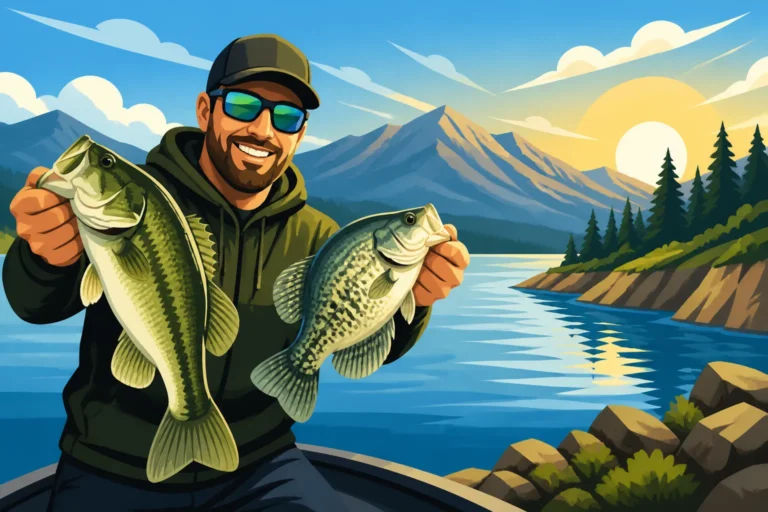
Kokanee salmon are arguably the most popular target species in Redfish Lake, and for good reason. These delicious landlocked sockeye are plentiful, put up a respectable fight, and are often willing to bite. They primarily feed on zooplankton, which means they tend to suspend in the water column and are best targeted with trolling techniques.
Anglers often find success by trolling small dodgers or flashers in front of tiny hootchies, wedding rings, or small spoons. Popular colors include pink, orange, and chartreuse. The key is finding the right depth where the Kokanee are holding, which can vary significantly throughout the day and season. In early morning or late evening, they might be shallower, moving deeper as the sun climbs higher. A good fish finder is invaluable here to locate schools. Your trolling speed should be relatively slow, typically between 1 and 1.5 mph. Many successful Kokanee anglers also tip their lures with a small piece of shoepeg corn, often scented with various flavors like Anise or Krill, to add extra attraction. For a deeper dive into the specifics, check out our Idaho Kokanee Fishing Guide. Remember, Redfish Lake Kokanee have specific bag limits, so always consult the current Idaho Catch Limits and Bag Limits Explained before heading out.
Pursuing Cutthroat and Rainbow Trout
While Kokanee get a lot of attention, Redfish Lake and its surrounding waters are also excellent for trout fishing. The lake holds both native Westslope Cutthroat Trout and Rainbow Trout, offering different challenges and rewards. The Cutthroat, with their distinctive red slash under the jaw, are often found closer to shore, particularly near rocky points, drop-offs, and around the mouths of feeder creeks where they can ambush smaller prey or insects. They tend to be a bit more cautious than rainbows, so a stealthy approach and natural presentations are key.
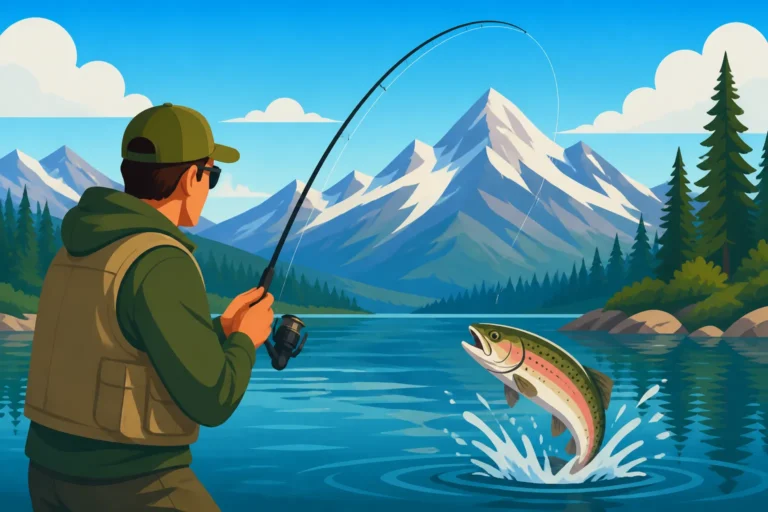
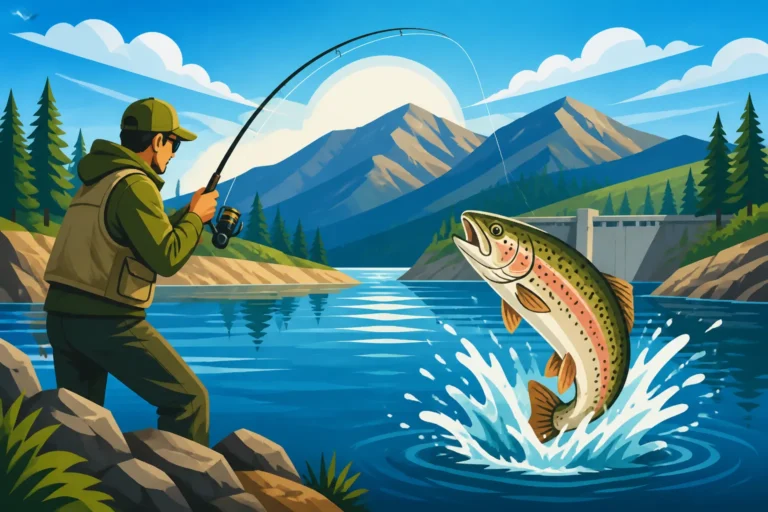
Rainbow Trout, on the other hand, are often more aggressive and can be found throughout the lake, from open water to structure. Both species respond well to a variety of methods. For spin anglers, casting small spinners like Mepps or Panther Martins in silver, gold, or copper, or small spoons like Kastmasters, can be highly effective. Drifting worms or PowerBait under a bobber or off the bottom can also produce results, especially for shore-bound anglers. For fly anglers, the opportunities are fantastic, particularly in the inlets and outlets where trout congregate. During hatches, dry flies mimicking caddis, mayflies, or stoneflies can be deadly. Nymphing or stripping streamers can also be very productive when trout aren't rising. Learning about specific patterns and techniques for different trout species will make your trip more successful, and you can find more detailed information in our Idaho Cutthroat Trout Fishing Guide and Idaho Rainbow Trout Fishing Guide.
Understanding the Sockeye Salmon Return
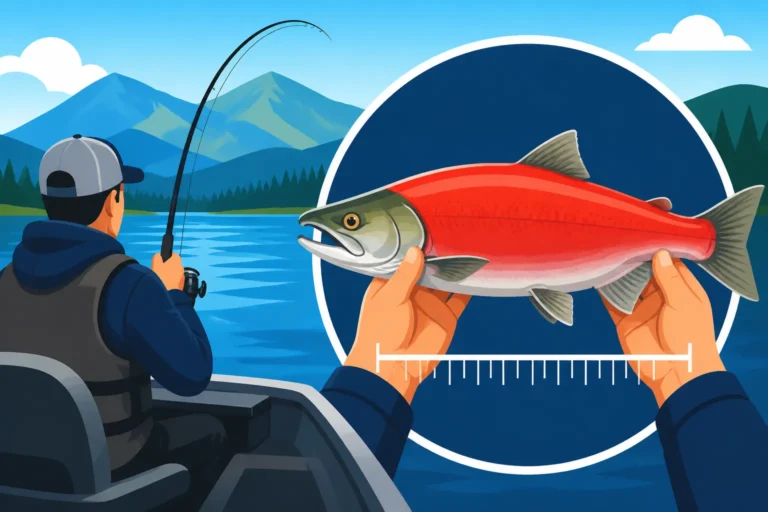
The most iconic fish of Redfish Lake, the sockeye salmon, are also the most protected. Their name, "Redfish," actually comes from the sockeye's vibrant red spawning colors as they return to the lake. The sockeye run in Redfish Lake is one of the most remarkable and challenging conservation stories in the Pacific Northwest. After an epic migration from the ocean, these fish brave hundreds of miles of river and multiple dams to return to their birthplace.
Due to their critically endangered status, fishing for sockeye salmon in Redfish Lake is strictly prohibited. This is an absolute, non-negotiable rule, and any accidental catch must be immediately released unharmed. However, witnessing their return in late July and August can be an unforgettable experience. The Idaho Department of Fish and Game often has interpretive programs and viewing areas near the spawning channels, offering a chance to see these incredible fish up close without disturbing them. It's a powerful reminder of the delicate balance of this ecosystem and the importance of conservation. Respecting this rule is not just about avoiding a hefty fine; it's about being a responsible steward of a truly special natural wonder. You can learn more about this incredible journey in our piece on Idaho Sockeye Salmon and the Redfish Lake Run.
Essential Techniques for Redfish Lake Anglers
Fishing Redfish Lake requires a bit of adaptability, given its diverse waters and the varying habits of its fish species. Whether you're casting from shore or venturing out on the water, having the right techniques in your arsenal will significantly boost your chances of success.
Shore Fishing and Wading Strategies
For many, especially those who prefer to stay on solid ground or enjoy the tranquility of wading, Redfish Lake offers rewarding opportunities. The key to successful shore fishing here is often movement and observation. Don't just pick one spot and stay there all day. Walk the shoreline, observing the water for signs of fish activity like rising trout or schooling baitfish. Look for structure: submerged logs, rocky outcroppings, and points that extend into the lake are all prime spots where fish might hold or ambush prey. The areas around the lodge and public access points can be busy, so exploring a bit further can often yield better results.
When wading, exercise caution. The lake bottom can be rocky and uneven, and the water gets deep quickly in some areas. Good wading boots with felt or rubber soles are a must for traction. Target the shallows early in the morning or late in the evening, when trout and Kokanee may move closer to the banks to feed. Casting small spinners, spoons, or even live bait like worms can be effective. Fly anglers wading into the mouths of creeks, especially in the early and late season, can find excellent action on nymph and streamer patterns. Remember to practice quiet approaches; fish in these clear waters are easily spooked. For broader techniques, consider our bank fishing techniques for Idaho rivers, many of which can be adapted to lake shorelines.
Boat and Kayak Fishing Tactics
Having a boat, kayak, or even a stand-up paddleboard opens up a whole new world of possibilities on Redfish Lake, allowing you to access deeper waters and more remote coves that are inaccessible from shore. For Kokanee, trolling is the name of the game, as discussed earlier. Using downriggers or lead core line is often essential to get your lures down to the depths where Kokanee school, which can sometimes be 30 to 60 feet or even deeper.
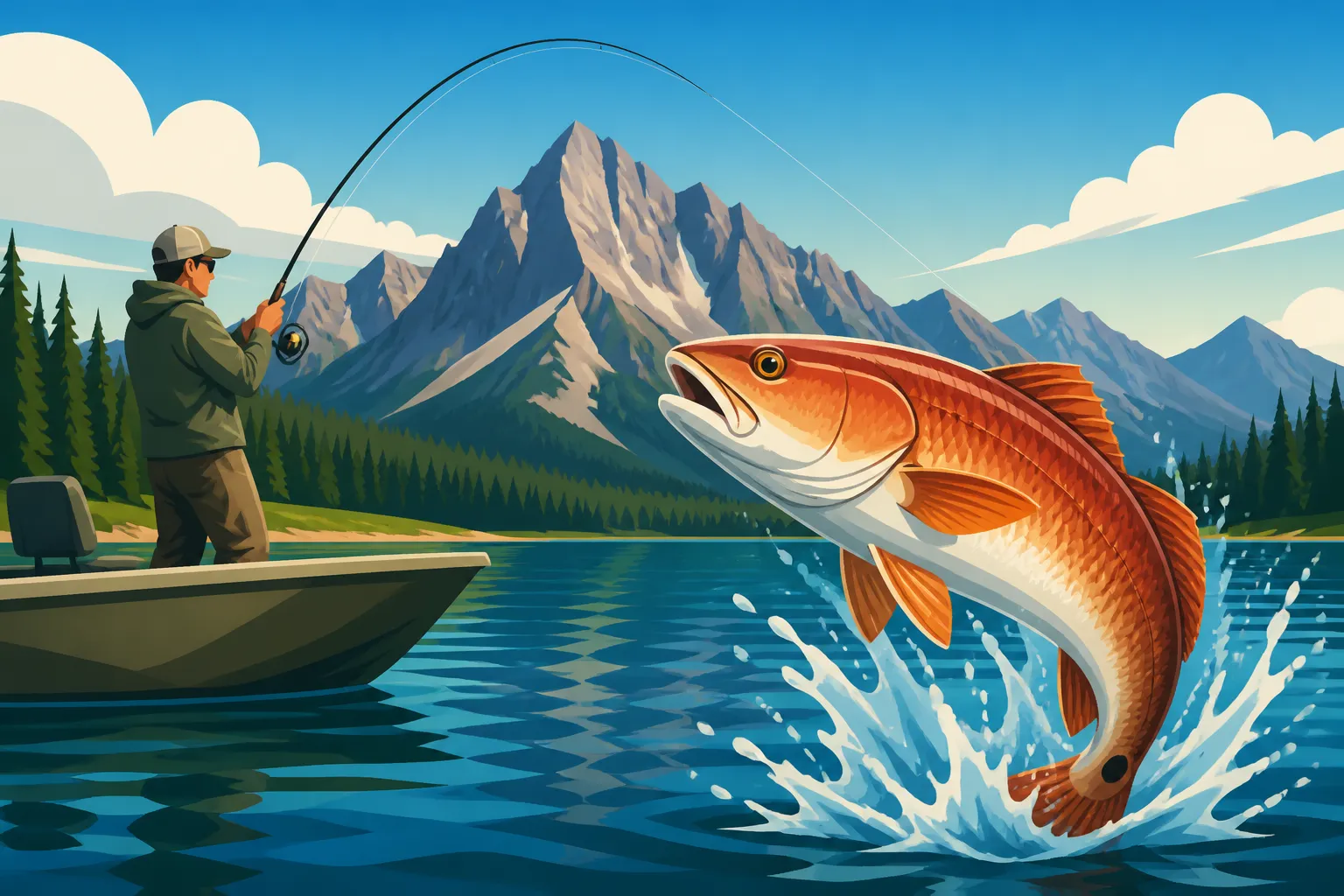
For trout, a boat allows you to systematically cover more water, especially when casting to drop-offs, submerged structures, or cruising the open lake. Anchor near promising areas and cast towards structure with lures or flies. Kayak anglers, in particular, can enjoy a stealthy approach, paddling quietly into secluded bays or along rocky shores, casting small spinners, spoons, or even fly-fishing from the stable platform. Electric trolling motors are a great addition for kayaks or smaller boats, allowing for precise speed control when targeting Kokanee. When operating any watercraft, always be mindful of other users, including swimmers, paddleboarders, and the tour boat that operates on the lake. And absolutely, always wear your life jacket on the water, especially in the cold, deep waters of Redfish Lake. If you're looking for gear, you might find useful information on what gear to pack for a Sawtooth backcountry fishing trip, which highlights the importance of versatile and durable equipment.
Fly Fishing in Redfish Lake's Tributaries
While the lake itself offers some fly fishing, the real magic for many dedicated fly anglers often lies in Redfish Lake's numerous feeder creeks and its outlet, the Salmon River. These waters are often teeming with eager trout, primarily Westslope Cutthroat and Rainbows, that are willing to rise to a well-presented dry fly or aggressively chase a nymph.
The Redfish Lake Creek, Little Redfish Lake Creek, and other smaller streams that flow into the lake can provide exceptional small-stream fly fishing, especially in the spring and fall when hatches are prolific. Expect to use lighter rods (2-5 weight) and focus on delicate presentations. Access to some of these streams might require a bit of a hike, but the solitude and beauty are well worth the effort. Common patterns include Adams, Parachute Adams, Elk Hair Caddis, Royal Wulff for dry flies, and Prince Nymphs, Hare's Ear, and Pheasant Tails for subsurface presentations. Don't overlook stripping small streamers like Woolly Buggers, particularly in deeper pools or at the mouths of the creeks where they enter the lake. Always check the specific regulations for these tributaries, as they might have different rules regarding bait, catch limits, or even special fly-fishing-only sections. A great resource for general fly fishing guidance is our how to fly fish in Idaho article, which can provide foundational knowledge for these waters.
Planning Your Redfish Lake Fishing Adventure
A trip to Redfish Lake isn't something you just spontaneously decide on a Tuesday morning (unless you're a local and very familiar with the area!). It requires careful planning, especially given its high-altitude, wild setting. Thinking through the details beforehand will save you headaches and help you maximize your enjoyment.
Best Seasons and Weather Considerations
Choosing the right time of year is crucial for a Redfish Lake fishing trip. The lake is typically accessible from late May or early June, once the winter snows have melted and the main road is clear.
- Spring (Late May – June): This can be a fantastic time for trout, especially as they become active after ice-out. The feeder creeks will be swollen with snowmelt, but the lake itself will be cold and fish often cruise shallower waters. Be prepared for highly variable weather, including late-season snowstorms, cold rain, and chilly nights. Fishing for Kokanee might be slower until water temperatures warm slightly.
- Summer (July – August): This is peak season for Redfish Lake. The weather is generally warm and sunny, perfect for family trips and enjoying all the lake has to offer. Kokanee fishing really picks up, and trout are active. However, this is also when the lake sees the most visitors, so expect more crowds, especially around the lodge area. The sockeye return usually peaks in August, offering a unique viewing opportunity. Water temperatures will be at their highest, which can push fish deeper during the heat of the day.
- Fall (September – October): Many seasoned anglers consider fall the prime time for Redfish Lake. The crowds thin out, the weather is crisp, and the surrounding mountains explode with autumn colors. Trout fishing can be exceptional as they feed heavily before winter, and Kokanee are often still very active. As winter approaches, the Kokanee will begin their spawning run into the creeks, offering different angling opportunities (if allowed by regulation) before they eventually die. Be prepared for rapidly changing weather, including freezing nights and potentially early snowfalls. Access to higher elevation roads may close.
- Winter (November – April/May): Redfish Lake freezes over in winter, offering Idaho ice fishing spots if you are equipped for the extreme cold and remote conditions. Ice fishing is a challenging but rewarding endeavor for experienced anglers, mainly targeting Kokanee and trout. Access becomes very limited, often requiring snowmobiles or cross-country skis. This is a trip for the truly intrepid, as services are minimal or nonexistent.
No matter the season, pack layers! High mountain weather can change dramatically in an hour, and strong winds can pick up quickly. For a more general overview of angling throughout the state, check out our guide on the best time of year to fish in Idaho.
Required Gear and Tackle
Having the right gear is non-negotiable for a successful and comfortable trip to Redfish Lake. The remote location means you can't just pop to the nearest big box store if you forget something crucial.
- Rods and Reels: For Kokanee, a light to medium-light action trolling rod (7-9 feet) paired with a baitcasting reel spooled with 10-15 lb test monofilament or fluorocarbon is ideal. For trout, a 6-7 foot light to medium-light spinning rod with a matching reel spooled with 4-6 lb test line is versatile for both lures and bait. Fly anglers will want a 4-6 weight rod for the lake and creeks, with floating and sinking lines depending on the technique.
- Lures and Bait: As mentioned, small dodgers, flashers, wedding rings, hootchies, and small spoons are key for Kokanee. Tip them with corn. For trout, a selection of small spinners (Mepps, Panther Martin), spoons (Kastmaster), and soft plastics or jigs can be effective. PowerBait, worms, and salmon eggs are also popular bait choices. Fly anglers should carry a variety of dry flies, nymphs, and streamers appropriate for mountain trout.
- Safety Gear: This is paramount. Always carry a first-aid kit, extra water, snacks, a map, compass or GPS (and know how to use them, as cell service is unreliable), sun protection (sunscreen, hat, sunglasses are vital at high altitude), and rain gear. If you're boating, PFDs (life jackets) are required for everyone onboard. Consider an emergency satellite messenger device if you're venturing far from the main lodge area. Bear spray is also a wise precaution when hiking in the backcountry.
- Comfort Items: Layers of clothing (even in summer!), sturdy hiking or wading boots, insect repellent, and a headlamp are all essentials. Don't forget a cooler for your catch!
It's always a good idea to check local tackle shops in Stanley or McCall on your way in. They'll have the most up-to-date information on what's biting and what specific patterns or lures are working best at that moment.
Permits, Regulations, and Conservation Ethic
Before you even think about casting a line, ensure you have the correct permits and understand the specific regulations for Redfish Lake and the surrounding Sawtooth National Recreation Area. This is not just a suggestion; it's a legal requirement, and conservation is taken very seriously here.
First and foremost, you will need an Idaho Fishing License Guide. Whether you're a resident or non-resident, annual or short-term, make sure your license is valid for the dates you plan to fish. You can often purchase these online before your trip or at authorized vendors like sporting goods stores in towns like Stanley.
Beyond the general license, familiarize yourself with the specific Idaho Fishing Regulations Explained for Redfish Lake and its tributaries. These regulations are published annually by the Idaho Department of Fish and Game and can be found in a physical brochure or online. Pay close attention to:
- Species-specific limits: Bag and possession limits vary for Kokanee, Cutthroat, and Rainbow Trout.
- Tackle restrictions: Some areas or seasons might have fly-fishing-only rules, or restrictions on bait use (e.g., no live bait).
- Sockeye Salmon: Reiterate that fishing for sockeye is strictly prohibited. If you accidentally catch one (which is unlikely but possible), release it immediately and unharmed.
- Catch and Release: Many anglers choose to practice catch and release for trout, especially native cutthroat, to help maintain healthy populations. If you do keep fish, handle them respectfully and dispatch them quickly.
Redfish Lake is part of a delicate wilderness ecosystem. Practice Leave No Trace principles: pack out everything you pack in, dispose of waste properly, respect wildlife, and minimize your impact on the land and water. This includes staying on designated trails, not disturbing spawning areas, and being mindful of campfires. The future of this incredible fishery depends on every angler's commitment to these principles.
| Target Species | Best Time of Year | Primary Method | Recommended Lures/Bait | Notes |
|---|---|---|---|---|
| Kokanee Salmon | July – October | Trolling | Dodgers/Flashers + Hootchies/Wedding Rings (tipped with corn) | Find schools with a fish finder, troll slowly at depth (30-60ft+) |
| Cutthroat Trout | June – October | Casting, Fly | Spinners, Spoons, Nymphs, Dry Flies, Worms | Found near shore, creek mouths; often more selective |
| Rainbow Trout | June – October | Casting, Fly | Spinners, Spoons, PowerBait, Dry Flies, Nymphs | More aggressive, found throughout the lake; good for bank fishing |
| Sockeye Salmon | Late July – August | NO FISHING | N/A | Critically endangered; strictly catch & release (viewing encouraged) |
Navigating Redfish Lake's Unique Challenges
Redfish Lake, while stunning, is not without its specific quirks and challenges. Being prepared for these can make all the difference between a frustrating trip and an unforgettable adventure. It's about adapting to the mountain environment and understanding its demands.
Dealing with High-Altitude Conditions
Many visitors to Redfish Lake might not be accustomed to fishing and recreating at altitudes around 6,500 feet above sea level. This elevation can present several physical challenges that are important to acknowledge and prepare for. The air is thinner, meaning less oxygen, which can lead to shortness of breath, fatigue, and even altitude sickness for some individuals. Symptoms of mild altitude sickness can include headaches, nausea, dizziness, and difficulty sleeping.
To combat this, hydration is absolutely key. Drink plenty of water before and during your trip, even if you don't feel thirsty. Avoid excessive alcohol and caffeine, which can contribute to dehydration. Pace yourself, especially on hikes or during strenuous activities. Don't try to push too hard on your first day. The sun's UV rays are also significantly more intense at higher altitudes, even on cloudy days. Generous application of high-SPF sunscreen, wearing a wide-brimmed hat, and quality polarized sunglasses are non-negotiable to protect your skin and eyes. Lastly, the weather can change rapidly in the mountains. A warm, sunny morning can quickly turn into a cold, windy, or even stormy afternoon. Always pack layers of clothing, including rain gear, even if the forecast looks clear. Thinking about how hot weather changes where Idaho trout hold is a good starting point, but remember that even summer days can have very cold mornings and evenings at this elevation.
Respecting Wilderness and Wildlife
Redfish Lake is a true wilderness area, and coexisting with its wild inhabitants is part of the experience. This means being respectful and understanding the role you play in their habitat. The Sawtooth National Recreation Area is home to a wide array of wildlife, including deer, elk, moose, bears (both black and grizzly in some areas), wolves, and various bird species.
When recreating, keep a respectful distance from all wildlife. Never feed animals, as this can habituate them to humans and lead to dangerous encounters, often resulting in the animal having to be relocated or put down. Properly store all food and scented items, especially if camping or leaving them in your vehicle overnight, to prevent attracting bears and other critters. Bear-resistant containers or hanging food from trees are recommended. Be aware of your surroundings, make noise when hiking to avoid surprising animals, and know how to react in a wildlife encounter (e.g., carrying bear spray and knowing how to use it). For anglers, this also means handling fish gently when practicing catch and release, minimizing their time out of water, and avoiding unnecessary stress. The beauty of Redfish Lake lies in its wildness, and our responsibility is to help keep it that way for future generations. If you’re looking to organize a trip with a professional, services like FishingBooker list various guides who are well-versed in local wildlife etiquette and safety.
Minimizing Impact for Future Generations
The sheer popularity and pristine nature of Redfish Lake make it particularly vulnerable to human impact. As anglers and outdoor enthusiasts, we have a profound responsibility to minimize our footprint and preserve this special place. Practicing "Leave No Trace" principles isn't just a suggestion; it's a moral imperative in areas like the Sawtooths.
This means packing out everything you pack in, including all trash, food scraps, and even fishing line remnants. Monofilament line, in particular, can be devastating to birds and other wildlife. If you bring a pet, keep them on a leash and pack out their waste. When camping, use established campsites, and if you must have a fire, use existing fire rings and ensure your fire is completely out before leaving. When nature calls, move at least 200 feet from water sources, trails, and campsites, and properly bury human waste. For those exploring the backcountry, staying on marked trails prevents erosion and protects fragile vegetation. Avoid disturbing sensitive areas, such as spawning beds in the creeks, particularly during the sockeye run. By being mindful of our actions, we ensure that the breathtaking beauty and incredible fishing opportunities of Redfish Lake remain for our children and grandchildren. For those considering a guided trip, many reputable outfits on FishingBooker emphasize conservation, providing an excellent example of responsible recreation.
Disclaimer
Fishing conditions and regulations in Idaho can change frequently. Always consult the latest Idaho Department of Fish and Game regulations and local advisories before planning your trip. The information provided in this guide is for general informational purposes only and does not constitute official legal advice.