When Idaho Steelhead Season Starts Each Year
One of the biggest headaches for passionate anglers in Idaho is figuring out exactly when the steelhead season really begins. It’s not as simple as flipping a calendar page, and trying to decipher the Idaho Fish and Game regulations can feel like cracking a secret code. This guide is here to untangle that confusion, explaining the nuances of Idaho's steelhead runs and helping you understand when you can expect to hit the water for these incredible fish.
Understanding the Dynamic Start of Idaho's Steelhead Season
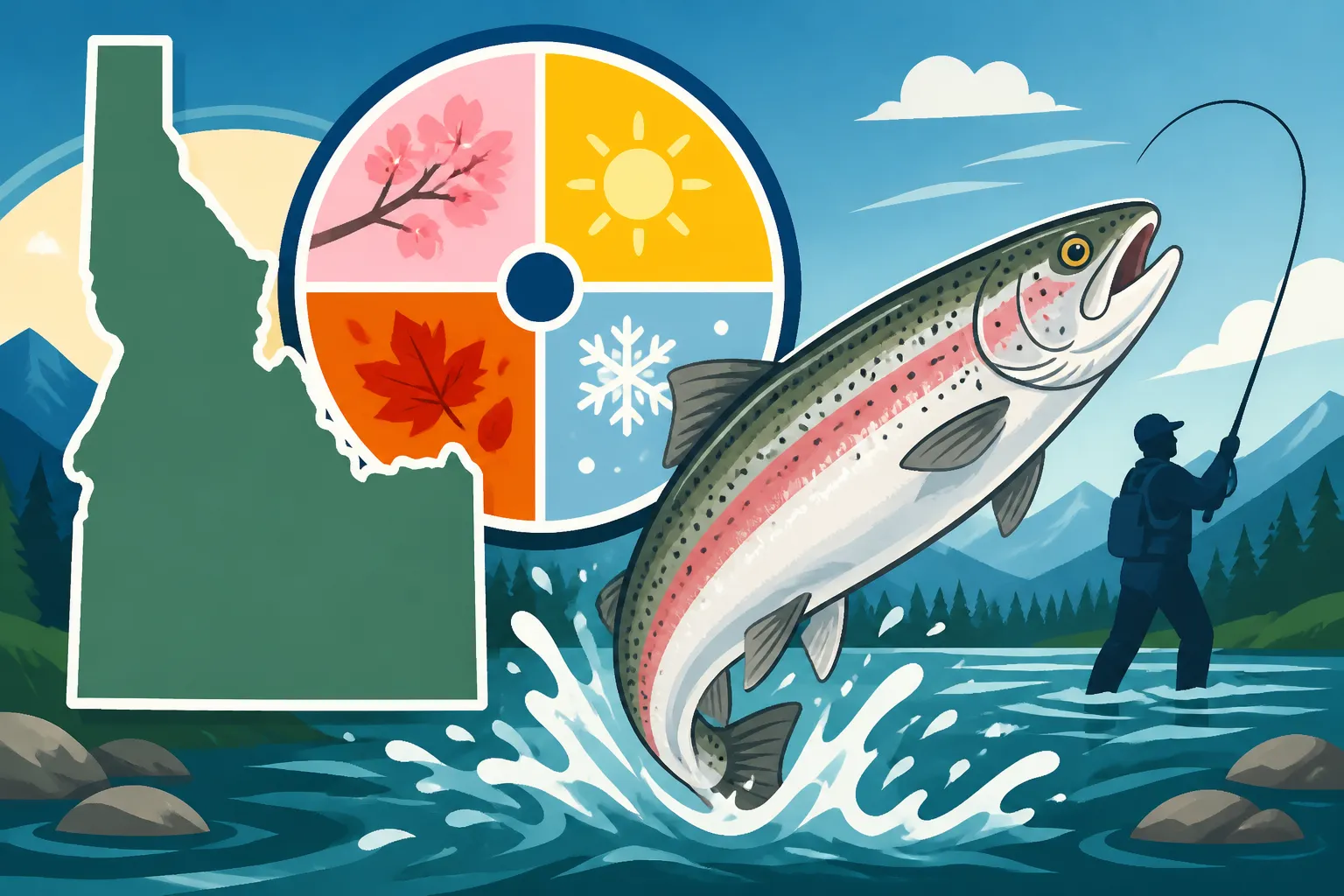
Unlike some other fisheries with strict, singular opening days, the start of Idaho's steelhead season is a rolling affair, deeply intertwined with the life cycle of these magnificent anadromous fish. Steelhead are oceangoing rainbow trout that return to freshwater to spawn, and their journey back upstream dictates when and where they'll be available to anglers. You see, there isn't just one "start date" for steelhead in Idaho; instead, we talk about distinct "runs" of fish, each with its own timing and characteristics.
Fall Steelhead Season Dynamics
The first wave of steelhead, often referred to as "fall steelhead," begins its incredible journey from the Pacific Ocean, crossing the Columbia River system and eventually navigating up the Snake and Clearwater rivers, and then on into the Salmon River and its tributaries. These fish typically start showing up in the lower reaches of Idaho's river systems as early as late August, with the runs gaining significant momentum through September and October. Think of it as the early birds arriving; they've got a long way to go, and they're making their way upstream while water temperatures are still relatively warm.
During the fall, these fish are often aggressive, fresh from the ocean, and ready to bite. Anglers typically target them in the lower Clearwater River near Lewiston, the Snake River, and the lower stretches of the Salmon River. The peak of the fall run usually hits in October and November in these areas, making it a prime time for many eager anglers. However, the exact timing can shift a bit year to year based on factors like water levels, temperature, and how quickly the fish navigate past the dams on the Columbia and Snake rivers. For many, this is the most anticipated time, offering some truly fantastic fishing before the deep cold sets in.
Winter and Spring Steelhead Season Nuances
As the colder weather arrives and river temperatures drop, the fall run of steelhead often slows its progression or holds in deeper pools. However, the season is far from over! Many steelhead continue their migration throughout the winter months, and a new influx of fish, often called "winter steelhead" or "spring steelhead," will enter the Idaho river systems. These fish are usually making their final push towards their spawning grounds.
The winter fishery can be incredibly challenging but equally rewarding. Steelhead are present in many rivers throughout December, January, and February, though fishing techniques adapt to the colder, slower conditions. Then, as late winter transitions into spring—think March and April—we see the true "spring run" emerge. These are often fish that overwintered in the lower river or those that pushed through later in the season. They are actively seeking spawning areas, and as river temperatures begin to rise, they can become quite active again. The upper reaches of the Clearwater, like the North Fork and South Fork, and the mainstem Salmon River become major focal points during this period. It's a fantastic time to be out, but just like in the fall, specific river sections and conditions will dictate exactly when the best fishing occurs.
Deep Dive into Idaho's Steelhead Runs
The idea of a "steelhead season" in Idaho is really a broad umbrella covering several distinct migratory pushes. These incredible fish are strong swimmers, pushing hundreds of miles from the Pacific Ocean, through the Columbia and Snake River systems, and finally into the pristine rivers and streams of Idaho. Understanding these runs is key to timing your fishing trips effectively.
A Tale of Two Rivers: Clearwater and Salmon
When we talk about Idaho steelhead, two rivers dominate the conversation: the Clearwater River and the Salmon River. These are the main arteries for steelhead returning to Idaho.
The Clearwater River, particularly its lower sections and tributaries like the North Fork and South Fork, is legendary for its steelhead fishing. Steelhead typically arrive in the lower Clearwater as early as September. The fall run often provides consistent fishing through November, with many fish holding over winter. The spring run, composed of these overwintering fish and new arrivals, can offer excellent opportunities from February through April. Anglers often flock to popular spots around Orofino and Lenore. The Clearwater is known for producing robust, hard-fighting steelhead, and its broad stretches can accommodate many anglers. If you're planning a trip, consider looking into the specific dynamics of how to fish for steelhead in the Clearwater River, as techniques can vary by section and time of year.
The Salmon River, often called "The River of No Return," is another iconic steelhead destination. Steelhead enter the lower Salmon River in the fall, often a bit later than the Clearwater due to its more easterly location. The main stem of the Salmon sees strong runs through the fall, winter, and spring. Fishing can be excellent from the lower stretches near Riggins all the way up to Stanley, though the timing of peak runs will differ significantly along this vast river. For instance, the Best Time of Year for Salmon River Steelhead might be slightly different from the Clearwater's peak, often extending deeper into the winter and spring in the upper sections. Navigating the Salmon often requires specialized knowledge or a guided trip, as many prime spots are accessed by jet boat or drift boat.
Factors Influencing Steelhead Arrival
While general timelines exist, the precise "start" and peak of the steelhead season can fluctuate quite a bit from year to year. Several environmental factors play a huge role in when these fish arrive and how quickly they move upstream:
- Water Temperature: Steelhead are sensitive to water temperature. Optimal temperatures for migration are typically in the 40s and 50s Fahrenheit. If water temperatures are too warm in the lower rivers, fish may hold in cooler areas downstream or slow their upstream movement. Conversely, extremely cold water can also slow their progress.
- River Flows and Levels: Good water flow is essential for steelhead migration. Higher, stable flows can encourage fish to move quickly upstream, giving them easier passage over rapids and past potential obstacles. Low water conditions, on the other hand, can concentrate fish in certain pools or make them more hesitant to push into shallower sections. Heavy runoff in spring can also make fishing challenging due to high, muddy water.
- Dam Passage: The journey for Idaho steelhead involves navigating several dams on the Columbia and Snake rivers. Fish ladders at these dams allow steelhead to continue their migration, but counting stations track their passage. Biologists closely monitor these counts, which provide a good indication of how many fish are "in the system" and their approximate location. Delays or faster-than-average passage at these dams directly impact when fish arrive in Idaho.
- Ocean Conditions: The health of the steelhead population returning to Idaho is largely determined by conditions in the Pacific Ocean. Abundant food and favorable ocean temperatures lead to healthier, more numerous returns. Poor ocean conditions can result in fewer and smaller fish making the journey. This is a big reason why annual forecasts from Idaho Fish and Game are so crucial; they give anglers an idea of what kind of return to expect.
Navigating Regulations and Proclamations
It's one thing to know when the fish generally arrive, but it's another entirely to know the specific, legally permissible dates and rules for fishing. Idaho's fishing regulations are designed to manage these precious resources, and they change frequently. Ignorance of the rules is never an excuse, and violations can lead to hefty fines and even loss of fishing privileges.
How to Interpret the Idaho Fishing Regulation Brochure and Proclamation
Your absolute best friend for understanding when and where you can fish for steelhead is the current year's Idaho Fishing Regulation Brochure and Proclamation. This document, published annually by the Idaho Department of Fish and Game (IDFG), is the ultimate authority. Don't rely on old brochures or hearsay from a buddy – get the current one every year.
Here's how to tackle it:
- Get the Latest Version: You can pick up a physical copy at any Idaho Fish and Game office, most sporting goods stores, or download the PDF directly from the IDFG website.
- Understand Statewide Rules: Start by reading the general statewide fishing rules, which cover things like legal fishing hours, definitions of bait vs. lures, and general licensing requirements. This is where you’ll learn about your Idaho Fishing License Guide needs and possibly other specific permits like the Idaho Salmon and Steelhead Permit.
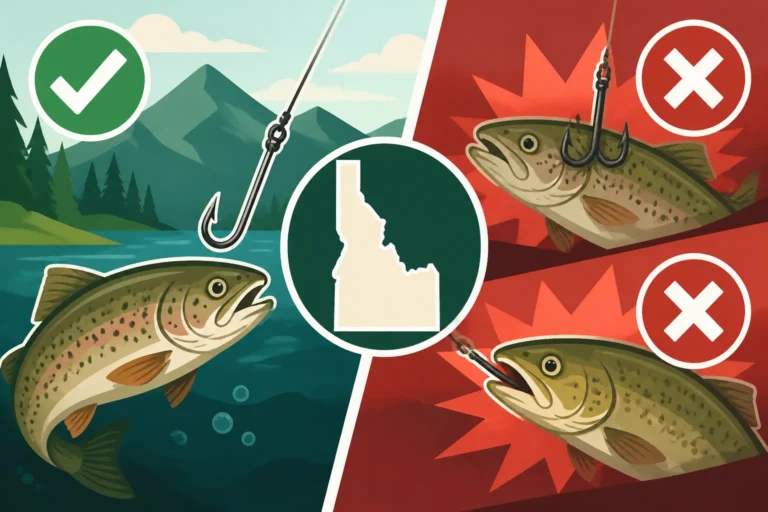
- Locate Your River Section: Regulations are often broken down by specific rivers and even sections within those rivers. For steelhead, pay close attention to the Clearwater, Salmon, and Snake river sections. You'll find details on open seasons (which days of the week, which dates), bag limits (how many fish you can keep), and gear restrictions (e.g., barbless hooks required).
- Identify Species-Specific Rules: There will be a dedicated section for steelhead. This is where you'll find critical information like the Idaho Steelhead Bag Limits, rules for distinguishing between hatchery and wild steelhead (typically based on an adipose fin clip, as explained in How to Tell a Hatchery Steelhead from a Wild One in Idaho), and specific requirements for a Idaho Catch Record Card Requirements. Always remember that wild steelhead are typically catch-and-release only.
- Check for Updates: Even after the annual proclamation is released, regulations can change mid-season due to emergency closures, lower-than-expected fish returns, or other biological necessities. Always check the IDFG website for current news releases or special orders before heading out.
Special Regulations and Emergency Closures
Idaho's rivers are dynamic, and so are the populations of fish within them. Sometimes, despite the best predictions, a run of steelhead might be weaker than expected, or environmental conditions might put undue stress on the fish. In these situations, IDFG has the authority to implement emergency closures or special regulations to protect the fishery.
These changes can happen quickly, sometimes with only a few days' notice. For instance, a particular river section might be closed to steelhead fishing entirely, or the daily bag limit might be reduced. Alternatively, a section might shift from bait allowed to artificial lures only, or barbless hooks could become mandatory where they weren't before. It's truly vital to check the IDFG website, especially the "News Releases" and "Emergency Rules" sections, before every single steelhead trip. A quick check can save you from a citation and, more importantly, help conserve Idaho's amazing steelhead resource for future generations.
Preparing for Steelhead Season
Once you've wrapped your head around the seasonal dynamics and regulatory ins and outs, it's time to get down to the fun part: preparing for your steelhead adventure! Having the right gear and ensuring your paperwork is in order can make all the difference between a frustrating outing and a memorable one.
Essential Gear for Steelhead Anglers
Steelhead fishing isn't just about showing up with a rod; it requires specific tools for specific jobs. These powerful fish demand robust tackle, and river conditions often necessitate specialized clothing and accessories.
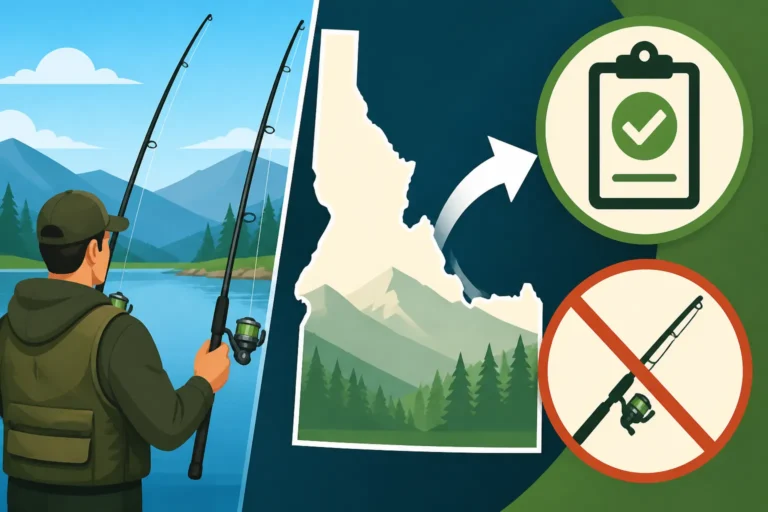
- Rods and Reels: For Idaho steelhead, you'll generally want a medium-heavy spinning or baitcasting rod, typically 8.5 to 10.5 feet long. Longer rods help with line control, casting distance, and fighting strong fish in river currents. Match it with a quality reel spooled with 15-20 lb monofilament or braid, often with a fluorocarbon leader. For fly anglers, a 9-10 weight two-handed (spey or switch) rod is common, allowing for powerful casts and excellent control in big rivers. Check out recommendations for the Best Rod Setup for Idaho Steelhead Fishing to help you choose.
- Line and Leader: Steelhead fishing involves abrasion, so durable line is key. Whether you're drift fishing, bobber dogging, or swinging flies, having fresh, strong line is paramount. Fluorocarbon leaders are popular due to their low visibility and abrasion resistance.
- Terminal Tackle: This includes a variety of weights (pencil lead, slinkies), hooks (often single, barbless hooks are required or highly recommended), swivels, and beads. A good selection of lures such as cured roe, shrimp, soft plastic worms, jigs, spinners (like Blue Fox or Mepps), and plugs (e.g., Kwikfish, Hot Shots) are staples. For fly anglers, a diverse fly box with a variety of patterns, from weighted nymphs and egg patterns to streamers and intruders, is essential. Many anglers find great deals and a wide selection of these items on platforms like Amazon, especially for less specialized components or bulk purchases.
- Waders and Boots: You'll be spending time in and around cold, flowing water. Quality breathable waders and sturdy wading boots with good ankle support and felt or rubber soles (for grip on slippery rocks) are non-negotiable. Don't skimp on these; a leaky wader makes for a miserable day.
- Layered Clothing: Idaho weather can be unpredictable, especially in fall and spring. Dress in layers to adapt to changing temperatures. Think moisture-wicking base layers, insulating mid-layers (fleece or down), and a waterproof, windproof outer shell. Gloves and a warm hat are also critical, even on seemingly mild days. You can find many options for durable and functional outdoor apparel on Amazon, from reputable brands.
- Safety Gear: Always carry a first-aid kit, a knife, and know how to use them. A wading staff can provide crucial stability in swift currents. If you're using a boat, ensure all required safety gear is onboard.
For a more comprehensive rundown of what to bring, consult an Idaho Fishing Gear Guide by Season.
Permits and Licenses You'll Need
Beyond just knowing when to go, you need to ensure you're legally allowed to fish. Getting your paperwork in order before you hit the river is just as important as having the right lure.
- Idaho Fishing License: First and foremost, anyone aged 14 and older needs an Idaho fishing license. There are different options available depending on your residency and how long you plan to fish, such as resident annual, nonresident annual, or various short-term licenses. You can learn all about them in the How to Buy an Idaho Fishing License guide.
- Salmon/Steelhead Permit: This is a separate permit required in addition to your general fishing license if you plan to fish for steelhead or Chinook salmon. It's a crucial purchase that contributes directly to the management and recovery efforts for these species. Without it, you cannot legally retain a steelhead, even if you have a valid fishing license. Make sure you understand the specifics of the Idaho Salmon and Steelhead Permit.
- Catch Record Card: If you're fishing for steelhead, you'll also be issued a catch record card. This card is vital for biologists to monitor fish harvest and track the health of the steelhead runs. You must validate your catch immediately after retaining a steelhead by punching out the month and day. It's also important to return your catch card at the end of the season, even if you didn't catch any fish. Learn how to accurately fill out your card by reading Idaho Catch Record Card Requirements.
The Idaho Department of Fish and Game offers easy ways to purchase your license and permits online, so you can handle it conveniently from home before your trip. This helps you avoid any last-minute stress at a local vendor and ensures you're fully compliant with the rules.
Table: Idaho Steelhead Run Characteristics
To help visualize the distinct phases of Idaho's steelhead season, here's a quick comparison of the fall and spring runs:
| Feature | Fall Steelhead Run | Winter/Spring Steelhead Run |
|---|---|---|
| Typical Arrival | Late August – September (lower rivers) | December – April (continues migrating upstream) |
| Peak Fishing | October – November (lower/middle river sections) | March – April (middle/upper river sections) |
| Water Temperature | Cooling (optimistic for migration) | Cold (slower migration, fish hold in pools) |
| Fish Condition | Fresh, aggressive, often chrome bright from ocean | Can be darker, focused on spawning, still powerful |
| Target Rivers (Early) | Lower Clearwater, Snake, lower Salmon | Mid to Upper Clearwater, Mid to Upper Salmon |
| Common Techniques | Drift fishing, bobber dogging, casting hardware | Drift fishing, bobber & jig, nymphing, swinging flies |
| Challenges | Weather variability, dam passage delays | Cold weather, ice, high spring runoff, finicky fish |
This table provides a general overview, but always remember that local conditions and specific river sections will have their own unique characteristics and best fishing windows.
Disclaimer
The information provided in this guide is for general informational purposes only and is subject to change. Fishing regulations in Idaho are dynamic and can be modified by the Idaho Department of Fish and Game at any time. It is the responsibility of every angler to consult the most current Idaho Fishing Regulations and Proclamation available from the Idaho Department of Fish and Game prior to engaging in any fishing activity. Failure to comply with regulations can result in fines or penalties.