Idaho Catch-and-Release Sturgeon Rules
Idaho's magnificent white sturgeon are truly a bucket-list fish for many anglers, but the sheer size and ancient allure of these giants come with significant responsibility. Many folks arrive in Idaho, dreams of landing a monster sturgeon dancing in their heads, only to feel overwhelmed by the strict catch-and-release regulations designed to protect these vulnerable fish. This guide is here to walk you through every critical rule, best practice, and ethical consideration you need to know to safely and legally target Idaho's incredible sturgeon.
The Majesty of Idaho's White Sturgeon and Their Vulnerability
There's something truly awe-inspiring about coming face-to-face with a creature that has roamed these waters for millions of years. Idaho's white sturgeon are living fossils, capable of growing to immense sizes and living for over a century. However, their incredible resilience is coupled with a profound vulnerability that demands our utmost respect and protection.
Why Sturgeon Are So Special and Protected
Imagine pulling in a fish that's longer than you are tall, thicker than a redwood sapling, and has a prehistoric look with its bony plates and whiskered snout. That's an Idaho white sturgeon for you. These incredible fish can reach lengths exceeding 10 feet and weigh hundreds of pounds, making them one of North America's largest freshwater fish. Their longevity is remarkable, with some individuals estimated to be over 100 years old. This ancient lineage and formidable presence make them a highly sought-after, yet deeply respected, quarry for anglers. Catching one is often considered the pinnacle of freshwater fishing, a true testament to skill and patience.
However, this same majestic nature is precisely why they are so fragile. Sturgeon have a very slow growth rate, mature late in life, and reproduce infrequently. This biological reality makes them highly susceptible to overfishing and habitat degradation. Historically, Idaho's sturgeon populations faced severe declines due to commercial fishing pressure, dam construction, and pollution. Recognizing this dire situation, the Idaho Department of Fish and Game, alongside other conservation bodies, implemented stringent protective measures. The goal shifted from harvesting these giants to ensuring their survival for future generations.
The Legal Framework for Sturgeon in Idaho
The Idaho Fish and Game (IDFG) plays a critical role in managing and recovering sturgeon populations throughout the state. Their efforts are primarily focused on maintaining healthy populations in key river systems, especially the Snake River. The most significant and overarching rule for sturgeon fishing in Idaho is that it is almost entirely catch-and-release only. This isn't just a suggestion; it's a mandatory regulation designed to safeguard these precious fish.
Specifically, on the legendary Snake River, which boasts some of Idaho's most robust sturgeon fisheries, all sturgeon fishing is strictly catch-and-release. This means you can cast your line, battle these magnificent creatures, and enjoy the thrill of the catch, but they must be returned to the water immediately and unharmed. This strict rule applies to every sturgeon you encounter, regardless of size or condition. You'll find similar strict catch-and-release protocols on other waters where sturgeon are present, though the Snake River is undoubtedly the most prominent and popular destination for targeting them. If you're planning a trip to the Snake River, understanding and adhering to these rules is paramount. You might be interested in knowing Why Sturgeon Fishing on the Snake River Is Catch and Release Only for a deeper dive into the specific conservation efforts there.
These regulations are meticulously detailed in the official Idaho Fishing Regulations Explained, which is updated annually. It's crucial for every angler, whether a seasoned veteran or a curious beginner, to consult the current proclamation before heading out. Violations of these rules can result in hefty fines and penalties, reflecting the state's serious commitment to sturgeon conservation.
Understanding Idaho's Core Catch-and-Release Sturgeon Rules
Fishing for sturgeon in Idaho requires more than just a valid Idaho Fishing License Guide and the right gear; it demands a deep understanding and strict adherence to a specific set of catch-and-release rules. These aren't arbitrary guidelines; they are carefully crafted to maximize the survival rate of these ancient fish after they've been caught and released. Getting it right is about respect and conservation.
Mandatory Barbless Hooks
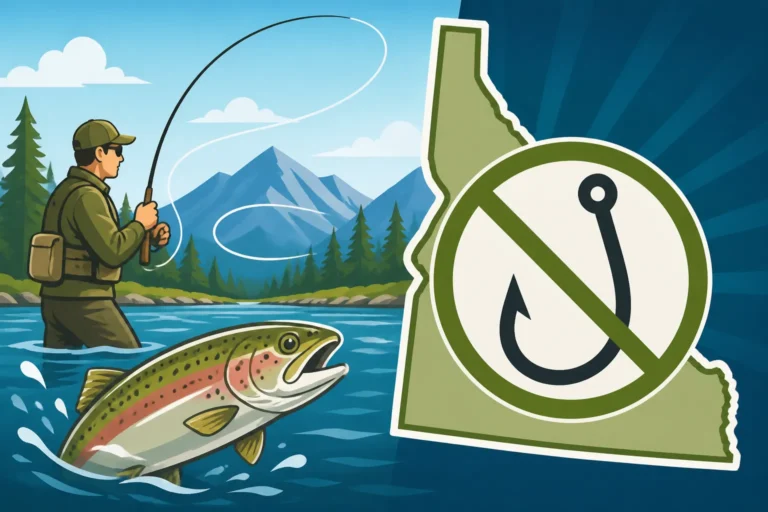
This rule might seem like a small detail, but it's perhaps one of the most critical for sturgeon survival: barbless hooks are mandatory for all sturgeon fishing in Idaho. The reason is simple and incredibly important. Sturgeon have tough, bony mouths, and a barbed hook can become deeply embedded, making removal difficult and causing significant tissue damage. A barbless hook, on the other hand, allows for much easier and quicker removal, minimizing the stress and injury to the fish.
Think about it: when you're dealing with a fish that can be eight feet long and weigh hundreds of pounds, wrestling with a deeply embedded barbed hook in its mouth is a recipe for disaster. It prolongs the fight, increases handling time out of the water (which we'll get to next), and ultimately compromises the fish's chances of survival. By using barbless hooks, anglers can unhook the fish with minimal fuss, often without even needing to bring the fish completely alongside the boat.
If you don't have hooks that are specifically sold as "barbless," don't fret! You can easily convert most barbed hooks into barbless ones by simply crimping down the barb with a pair of pliers. Many experienced sturgeon anglers do this as a matter of routine. Just make sure the barb is completely flattened and won't catch on your skin or clothing. If you're looking to stock up, many online retailers like Amazon offer a wide selection of barbless hooks specifically designed for larger fish, making it convenient to get compliant gear. Remember, this isn't just a recommendation; it's a legal requirement, and conservation officers will check your tackle. You can learn more about Why Barbless Hooks Are Required for Idaho Sturgeon in a dedicated guide.
Keeping Sturgeon in the Water at All Times
This rule often presents the biggest challenge for anglers who are naturally excited to capture a photo with their impressive catch. However, Idaho has a very clear and strict regulation: sturgeon may not be removed from the water. This applies to all sturgeon, regardless of size. While it might be tempting to hoist that monster out for a quick photo op, doing so is illegal and incredibly harmful to the fish.
The biological reasons behind this rule are profound. When a large sturgeon is lifted out of the water, its massive body weight, normally supported by the buoyancy of the water, can cause severe internal damage. Their delicate internal organs can be crushed, their spines can be damaged, and their gills, designed to function underwater, can collapse when exposed to air. Even a few moments out of the water can be detrimental, leading to delayed mortality days or even weeks later. It's a silent killer that we, as responsible anglers, must prevent.
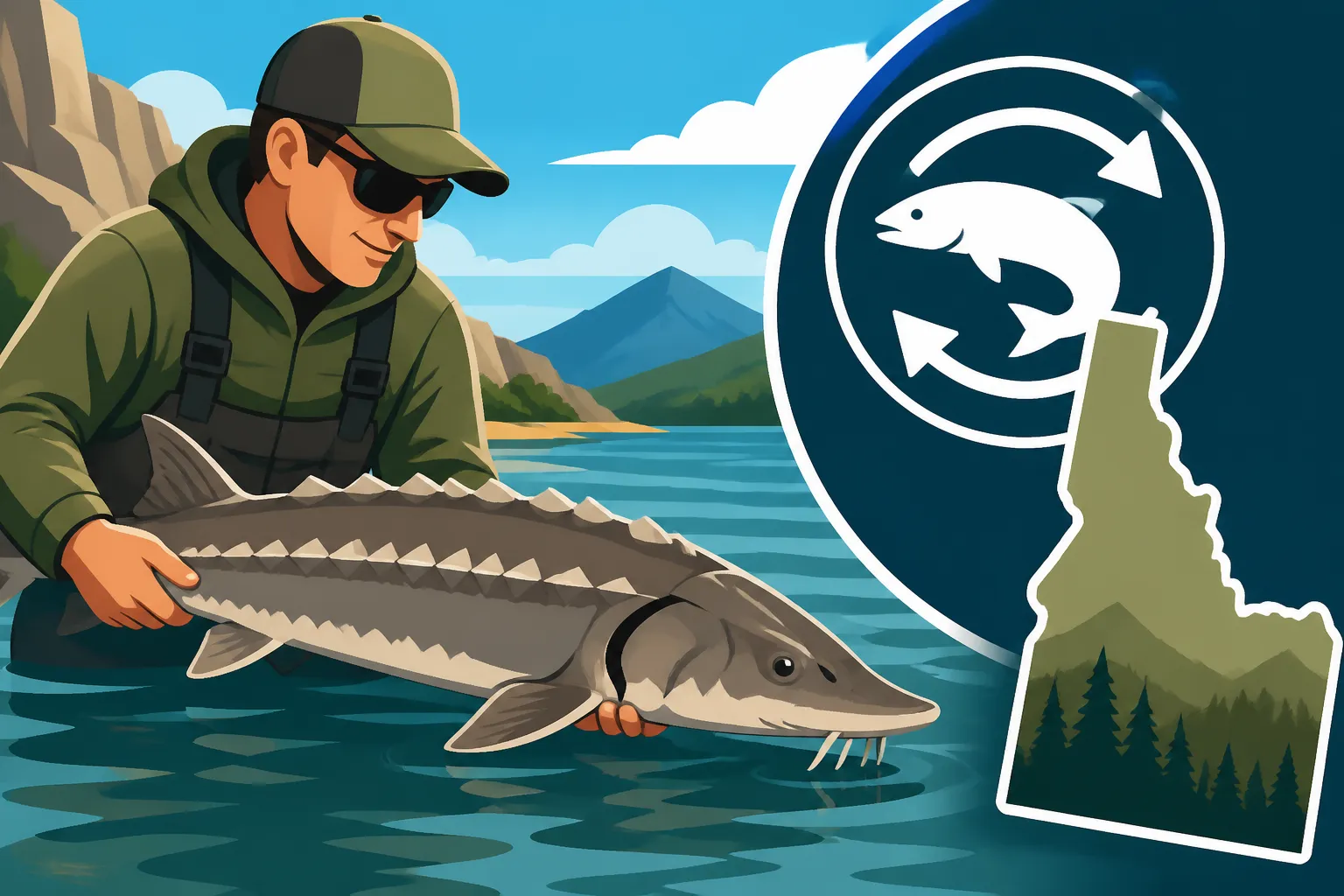
So, how do you get that trophy shot without breaking the rules or harming the fish? Get in the water with the fish! If you're fishing from a boat, gently guide the sturgeon alongside. If you're on shore, try to keep it in the shallows. Once it's calm and you're ready, you can carefully position yourself in the water next to the fish for a quick photo. Always support the fish's belly and keep its head in the water as much as possible. A quick, well-planned photo is fine, but the goal is to minimize its time near or above the surface. Remember, the fish's health is always the priority over a perfect picture. This rule is so crucial that there's even a specific guide detailing the Idaho Rule Against Removing Sturgeon from the Water.
Safe Handling and Release Techniques
Beyond just keeping them in the water, how you handle a sturgeon during the release process is equally vital for its survival. Mishandling a fish, even for a brief moment, can negate all the good intentions of using barbless hooks and keeping it submerged.
First and foremost, minimize the fight time. While it's exhilarating to battle a huge sturgeon, prolonged fights exhaust the fish, building up lactic acid in their muscles and making them more susceptible to stress and mortality. Use appropriate heavy tackle—like a sturdy surf rod and a reel spooled with strong braided line—to bring the fish in relatively quickly but without "horsing" it. Once you've landed the fish, act swiftly and calmly. Have your pliers or de-hooking tool readily accessible. Gently guide the fish alongside your boat or into a shallow, calm area of the river.
When handling the fish, always support its full body weight. Never lift a sturgeon by its head, tail, or gills. If you need to manipulate it for hook removal or a photo, slide your hands under its belly to provide full support. Keep your hands wet to avoid removing the fish's protective slime layer. Once the hook is out, continue to hold the fish gently in the water, facing it into any slight current if possible. This helps oxygenated water flow over its gills, aiding in its recovery. You'll literally feel the fish regain its strength. It will often give a powerful kick when it's ready to swim off. Wait until it clearly indicates it's ready and swims away under its own power. Don't just toss it back; ensure it's revived and capable of surviving. The goal is a healthy, strong swim-off. Understanding How to Fight a Sturgeon on the Snake River effectively can significantly contribute to a healthy release.
Specific Waters and Their Sturgeon Regulations
Idaho is blessed with several incredible river systems, but when it comes to white sturgeon, one river stands head and shoulders above the rest in terms of population and fishing opportunity: the Snake River. While sturgeon might be found in other waters, the regulations often differ or the populations are too sensitive to target.
Snake River Sturgeon Hotspots
The Snake River is undoubtedly the prime destination for anyone looking to tangle with Idaho's white sturgeon. This mighty river carves its way across the state, and specific sections are legendary for their sturgeon populations. Probably the most famous stretch is within Hells Canyon, which forms the border between Idaho and Oregon. This deep, rugged canyon boasts a robust population of sturgeon, including some truly massive individuals. Anglers here often target them from drift boats or jet boats, anchoring in deep holes or along ledges. The remote, wild nature of Hells Canyon adds to the allure, making it a truly immersive experience.
Another highly popular and productive area is below C.J. Strike Reservoir, near Mountain Home. This section of the Snake River is more accessible for many anglers, offering excellent bank access in some spots and boat launches for those wishing to explore by water. The tailwaters below the dam provide a consistent food source, attracting and holding large numbers of sturgeon. You'll also find good sturgeon fishing in stretches of the Snake River around Lewiston, particularly in the lower Clearwater and Snake River confluence area.
Across all these Snake River hotspots, the regulation remains the same: it's strictly catch-and-release for sturgeon. This universal rule ensures that the species can continue to thrive in these iconic waters. While the fishing can be challenging, requiring heavy tackle and a good understanding of sturgeon behavior, the reward of hooking and safely releasing one of these magnificent fish is an unforgettable experience. For more detailed information on specific locations and species, a broader guide like Best Fishing Spots in Idaho can be very helpful.
Other Potential Sturgeon Waters and Their Status
While the Snake River takes center stage for sturgeon fishing, there are other waters in Idaho where sturgeon might occasionally be found or where populations are being monitored. For instance, the Kootenai River in the Idaho Panhandle, particularly near Bonners Ferry, is home to the critically endangered Kootenai River white sturgeon. This distinct population is under intense conservation efforts, and it is illegal to intentionally fish for or retain Kootenai River sturgeon. If you accidentally hook one, you must release it immediately and unharmed. These fish are usually marked with tags, so if you happen to catch one, record the tag number and report it to IDFG.
Other rivers, like sections of the Clearwater River or the Salmon River, might have very sparse or transient sturgeon populations, often from historic introductions or migration. However, these are not typically targeted fisheries, and similar strict catch-and-release rules would apply if an accidental catch occurs. It's imperative that anglers do not specifically target sturgeon in these areas unless explicitly permitted and detailed in the annual regulations.
The most critical takeaway for any angler venturing into less common sturgeon waters is to always consult the latest Idaho Fishing Regulations Explained. Regulations can change, specific sections of rivers might be closed, or different species of sturgeon (like the Kootenai River sturgeon) may have entirely different, more stringent protections. Never assume; always verify. These regulations are designed to protect these ancient fish and ensure that Idaho's unique aquatic heritage continues for generations to come.
Essential Gear for Responsible Sturgeon Fishing
Catching an Idaho white sturgeon is not like catching a trout or a bass. These are powerful, large, and surprisingly delicate fish. To ensure a quick, ethical fight and a healthy release, having the right gear is non-negotiable. Using inadequate tackle not only risks losing the fish but, more importantly, can fatally exhaust it.
Rods, Reels, and Line
When you're targeting a fish that can pull like a freight train, you need gear that's up to the task. Forget your ultralight spinning combos; for sturgeon, we're talking about heavy-duty equipment.
- Rods: Look for heavy to extra-heavy power rods, typically 7 to 9 feet in length, designed for saltwater surf fishing or catfish. These rods have a strong backbone to set the hook firmly into a sturgeon's bony mouth and enough leverage to fight a powerful fish without prolonging the battle unnecessarily. Popular choices often include a sturdy Ugly Stik or similar heavy-duty conventional rod. The quicker you can bring the fish to hand (or to boat-side), the less exhausted it will be, significantly increasing its chances of survival post-release.
- Reels: Matching your heavy rod with a robust conventional reel (baitcaster) is key. These reels offer superior cranking power and drag systems compared to most spinning reels, which are essential for battling a powerful sturgeon. Brands like Penn, Daiwa, or Shimano make excellent conventional reels that can handle the immense strain. Ensure your reel has a smooth, strong drag that won't lock up or stutter during a long run, as erratic drag can snap lines or wear out the fish prematurely.
- Line: Braided line is the overwhelming choice for sturgeon fishing, and for good reason. It has minimal stretch, which allows for better hook sets over long distances and transmits every subtle bite. More importantly, its incredible strength means you can use a thinner diameter line compared to monofilament, reducing water resistance while still providing ample breaking strength. Most anglers opt for braided line in the 80 to 120-pound test range. Attach a strong monofilament or fluorocarbon leader (100-200lb test) to your main braided line using a strong knot like a FG knot or an Albright knot. This leader provides abrasion resistance against the sturgeon's rough skin and mouth. For heavier braided lines and leader materials, Amazon offers a vast selection, often with good value.
Baits and Rigs for Sturgeon
Sturgeon are scavengers and bottom feeders, so your bait and rig need to reflect that. The presentation must be appealing to their keen sense of smell, and the rig must be robust enough to handle the fight while being safe for the fish.
- Baits: The most effective and commonly used baits for white sturgeon in Idaho are cut baits. Fresh sucker meat, pikeminnow, or even pieces of carp are excellent choices. These oily, smelly baits release scent into the water, attracting sturgeon from a distance. Some anglers also use large nightcrawlers (often a cluster of them) or commercially prepared sturgeon baits, which can be found at local tackle shops like Sportsman's Warehouse or occasionally on Amazon. Always check local regulations about bait use, as some waters might have restrictions on live bait or specific baitfish.
- Rigs: A simple but strong bottom rig is standard. You'll need a heavy pyramid or flat sinker (typically 6-16 ounces or more, depending on current) to hold your bait on the bottom. Many anglers use a sliding sinker rig, which allows the line to run freely through the sinker, so the sturgeon doesn't feel resistance when it picks up the bait. This is usually achieved with a fish-finder slide or a large barrel swivel acting as a stopper above your leader. Below the sinker, attach a strong, abrasion-resistant leader (100-200 lb test monofilament or fluorocarbon, 2-4 feet long) to your single, barbless circle hook. Circle hooks are preferred because they are designed to hook fish in the corner of the mouth, making them less likely to be swallowed and easier to remove. Never use treble hooks when targeting sturgeon; they cause too much damage and are explicitly illegal for sturgeon fishing in Idaho.
Crucial Release Tools
Your job isn't done once the fish is alongside the boat or in the shallows. Proper release tools are indispensable for minimizing stress and injury to the sturgeon, ensuring a quick and healthy return to the water.
- Long-Nosed Pliers or Forceps: These are absolutely essential for quickly and safely removing the barbless hook. Since sturgeon have tough mouths, and you're aiming for a quick release, having a sturdy pair of pliers (8-12 inches) with a good grip can make all the difference. Get a pair with a strong, narrow jaw that can reach into the fish's mouth without causing additional damage.
- Large Net or Tail Rope (for in-water use): While you cannot remove the fish from the water, a large, knotless rubberized net can be helpful to momentarily corral a smaller sturgeon in the water to stabilize it for hook removal or a quick photo. For larger sturgeon, a specialized tail rope or "sturgeon cradle" (a large sling) can be used to control the fish in the water while keeping its body fully supported and submerged. These tools are strictly for in-water management and support, not for lifting the fish out. Always ensure any net or sling you use is knotless and made of soft, fish-friendly material to protect the sturgeon's delicate slime coat and fins.
- Gloves: Heavy-duty, non-slip gloves can be useful for gripping the line or handling the fish's rough skin safely while keeping your hands protected. Just make sure they are wet when touching the fish.
- Measuring Tape (optional): If you wish to estimate the size of your catch, a flexible, non-abrasive measuring tape can be carefully placed along the fish while it's in the water, from its snout to the fork of its tail. Remember, speed and minimal contact are key, even for measurements.
Equipping yourself with these tools is part of being a responsible sturgeon angler. You can find many of these items, from specialized pliers to heavy-duty gloves, at local tackle shops or online at retailers like Amazon, ensuring you're prepared for whatever these powerful fish throw your way. Investing in the right gear is an investment in the future of Idaho's amazing sturgeon fishery.
Navigating the Regulations and Best Practices
Fishing in Idaho is generally straightforward, but species like sturgeon, salmon, and steelhead often come with very specific rules. It's not enough to know the general rules; you need to stay on top of the details.
Staying Informed with Idaho Fish and Game
Idaho's fishing regulations, especially for sensitive species or unique fisheries, are not static. They can and do change from year to year, sometimes even mid-season, based on population assessments, environmental conditions, and conservation needs. Relying on outdated information or hearsay is a recipe for a bad day on the water, potentially leading to fines or, worse, harm to a protected species.
The single most important resource for any angler in Idaho is the official Idaho Fishing Regulation Brochure and Proclamation. The Idaho Department of Fish and Game (IDFG) publishes this document annually, usually in December, detailing all the rules for the upcoming year. This comprehensive guide covers everything from licensing requirements, like the Idaho Resident Annual Fishing License or Idaho Nonresident Annual Fishing License, to specific catch limits, bag limits, and gear restrictions for every body of water and species in the state. For sturgeon, this brochure will explicitly outline the catch-and-release rules, any special areas, and any changes from previous seasons. It also contains critical information on topics like Idaho Catch Limits and Bag Limits Explained for other species.
You can usually pick up a physical copy of the proclamation at any IDFG office, most sporting goods stores (like Cabela's or Sportsman's Warehouse), or local tackle shops. Even better, it's always available as a free download on the official IDFG website. Before every fishing trip, especially to a new area or for a specific species like sturgeon, take a few minutes to review the current regulations. It’s better to spend ten minutes reading than to risk a citation or inadvertently harming a protected fish. Don't forget that if you have questions, IDFG staff at local offices are always happy to help clarify any rule.
The Ethos of Responsible Angling
Beyond the letter of the law, fishing for Idaho's white sturgeon embodies a deeper responsibility and ethos. These magnificent fish are a living link to the past, and our actions today directly impact their future. As anglers, we have a unique opportunity to be stewards of this incredible natural resource.
Responsible angling means understanding that the thrill of the catch is only part of the equation. The true satisfaction comes from successfully interacting with a wild creature in its natural habitat and ensuring its well-being. For sturgeon, this means meticulously following all catch-and-release guidelines: using barbless hooks, keeping the fish fully in the water, minimizing fight time, and employing careful handling and revival techniques. It's about putting the fish's health above a personal record or a social media photo. If you see another angler struggling with proper release, or even unknowingly breaking a rule, consider it an opportunity to politely and gently educate them. We're all part of the same community, and sharing knowledge is how we collectively improve.
Being an ambassador for sturgeon conservation also means appreciating the species itself. Learning about their life cycle, their habitat needs, and the challenges they face deepens the experience. It means supporting organizations that work to protect their habitat and ensuring that our fishing practices contribute positively, rather than negatively, to their survival. The privilege of targeting such an ancient and vulnerable species comes with the profound duty to ensure that future generations can also experience the awe and excitement of Idaho sturgeon fishing. It’s a testament to the power of conservation that we still have these giants in our waters, and it’s up to us to keep it that way.
| Rule Category | Specific Rule | Why It's Important | Best Practice |
|---|---|---|---|
| Hook Type | Mandatory Barbless Hooks | Minimizes tissue damage; allows for quick, easy hook removal. | Crimp barbs flat or buy specifically barbless hooks. Use single hooks only. |
| Fish Removal | Sturgeon must remain in the water at all times. | Prevents internal organ damage, spinal injury, and gill collapse from air exposure. | Get in the water for photos; support entire body; keep head submerged. |
| Handling | Gentle, quick handling. | Reduces stress, exhaustion, and harm to the fish's protective slime coat. | Wet hands, support belly, avoid lifting by tail/head. Use long pliers. |
| Fight Duration | Minimize fight time. | Prevents fatal lactic acid buildup and exhaustion. | Use heavy-duty rods, reels, and strong line appropriate for sturgeon. |
| Release | Revive until fish swims off strongly. | Ensures the fish has recovered enough energy to survive. | Hold gently in current (if any), wait for strong kick before releasing. |
| Information Source | Consult current IDFG regulations. | Regulations can change; ensures legal compliance and species protection. | Check IDFG website or brochure annually before fishing for sturgeon. |
Disclaimer
The information provided in this guide is for general informational purposes only and is not a substitute for official Idaho Department of Fish and Game regulations. Always consult the most current Idaho fishing regulations brochure or visit the IDFG website before engaging in any fishing activities, as rules and seasons can change. It is the angler's responsibility to know and follow all applicable laws and regulations.