What Gear a Fishing Guide Usually Provides
It's incredibly frustrating, isn't it, when you're planning an exciting fishing trip with a guide, but you're left wondering what exactly you need to pack? You want to be prepared, but you certainly don't want to overpack or, worse, show up missing something crucial. This guide is here to alleviate that stress by walking you through the typical gear provisions from an Idaho fishing guide, ensuring you know what to expect and what you'll need to bring yourself for a smooth, enjoyable outing.
The Basics: What Every Idaho Fishing Guide Absolutely Should Provide
When you book a guided fishing trip in Idaho, you're paying for expertise, access, and typically, the fundamental tools of the trade. These aren't just conveniences; they're the bedrock of a successful and safe guided experience. A reputable guide understands that your primary concern should be fishing, not worrying about the essentials.
Boats, Motors, and Transportation
First and foremost, your guide will provide the means to get you to and through the fishing grounds. This isn't just about a boat; it's about the right vessel for the specific water you'll be on and the species you're targeting. If you're heading out on a river like the Salmon or Clearwater for steelhead, you'll likely be in a rugged jet boat, designed to navigate shallow rapids and cover significant stretches of water quickly and safely. These boats are powerful and essential for accessing prime fishing holes that are often unreachable by foot or less capable vessels.
For lake fishing, perhaps on Lake Coeur d'Alene for kokanee or Priest Lake for trophy lake trout, you'll probably find yourself on a larger, more stable lake boat, often equipped with downriggers and advanced electronics. These boats are set up for trolling specific depths and offer comfort for a day on open water. If your trip involves wading the famous waters of Henry's Fork or Silver Creek, your guide might still provide transportation to various access points, saving you the hassle of driving and parking, ensuring you hit the best spots efficiently. The type of transportation is always tailored to the fishing experience, and it's something you absolutely do not need to worry about providing yourself.
Rods, Reels, and Terminal Tackle
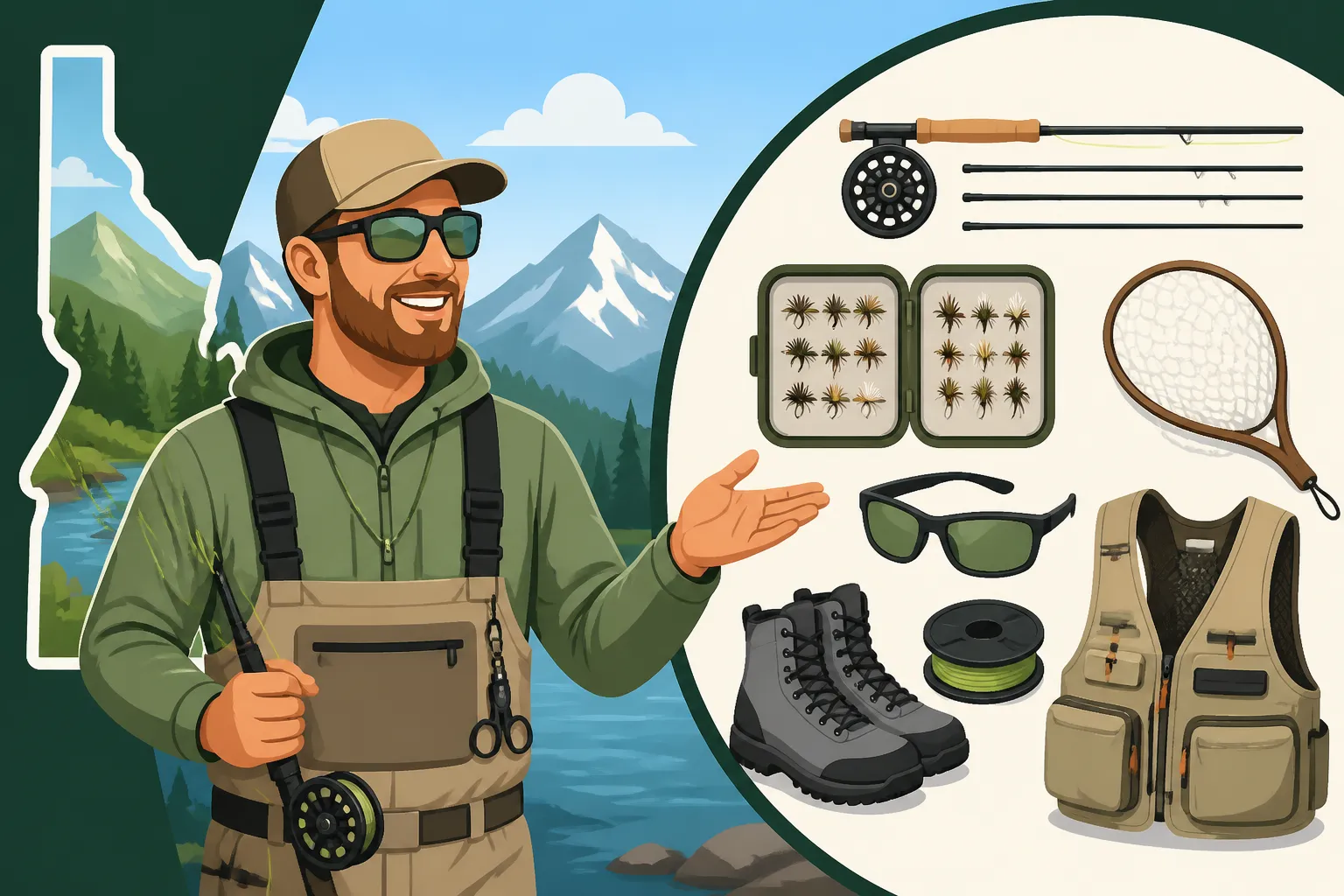
This is often where the biggest questions arise for anglers. Rest assured, your Idaho fishing guide will come equipped with a full arsenal of rods and reels perfectly matched to the target species and fishing techniques for your trip. Heading after hard-fighting steelhead? Expect heavy-duty casting or spinning rods, paired with reels spooled with strong line, ready to handle powerful runs. If you're chasing trout on a fly-fishing excursion, your guide will have a selection of fly rods in various weights, complete with matching reels and lines. They'll choose the setup that's optimal for the conditions and the specific water you're fishing.
Beyond the rod and reel, guides also supply all the necessary terminal tackle. This includes a vast array of lures, flies, weights, bobbers, leaders, and hooks. For example, if you're drift fishing for steelhead, your guide will have an assortment of jigs, bait setups, and beads, knowing exactly which colors and sizes are producing that day. For a sturgeon trip on the Snake River, they’ll have the heavy weights, stout leaders, and specialized hooks required for those prehistoric giants. This is where a guide's local knowledge truly shines; they know what the fish are biting on, and they have the gear to deliver it. You won't need to fret about having the "right" lure or the perfect fly pattern.
Safety Gear and Emergency Preparedness
Safety is non-negotiable, and every professional Idaho fishing guide prioritizes it above all else. They are legally and morally obligated to provide all essential safety gear. This includes Coast Guard-approved personal flotation devices (PFDs) for everyone on board, readily accessible and in good condition. For river trips, guides often carry throw bags, a first aid kit, and emergency communication devices like satellite phones or marine radios, especially if you're venturing into remote areas like the Middle Fork of the Salmon River.
They are also trained in wilderness first aid and have procedures in place for various emergencies, from minor cuts to more serious situations. You should feel completely confident that your guide is prepared for unforeseen circumstances. This also extends to basic comforts that contribute to safety, such as proper anchor systems for boats, spare parts, and tools for minor repairs on the water. Their preparedness means you can focus on the incredible experience of fishing in Idaho's stunning landscapes.
Beyond the Essentials: What Varies by Guide and Trip Type
While some gear is universally provided, other items depend heavily on the specific guide service, the duration of your trip, and the type of fishing experience you've booked. It's always best practice to clarify these details upfront with your guide. Online platforms like FishingBooker often allow you to message guides directly with questions, which is a fantastic way to get these specifics nailed down before your trip.
Specialized Lures, Flies, and Bait
While basic and commonly used terminal tackle is always supplied, some highly specialized or premium lures, flies, or bait might fall into a different category. For instance, if you're a seasoned fly angler heading to Henry's Fork and have a specific, custom-tied pattern you swear by, you might want to bring your own. Some guides might have a limited selection of very high-end or niche flies, and while they’ll likely have something comparable, bringing your absolute favorites ensures you're confident in your presentation. Similarly, if you have a particular brand of scent or unique bait concoction that you prefer for bass fishing, you might consider packing it.
However, for the vast majority of anglers, the guide's provided selection will be more than adequate. They know what works on their waters and keep their tackle boxes stocked with proven fish-catchers. It's rare for an angler to need to bring their own lures or flies, but having a few personal "lucky charms" can add to the fun. Always confirm if there's an extra charge for certain premium or high-loss items if you use them excessively, though this is uncommon with most reputable operations.
Waders, Boots, and Rain Gear
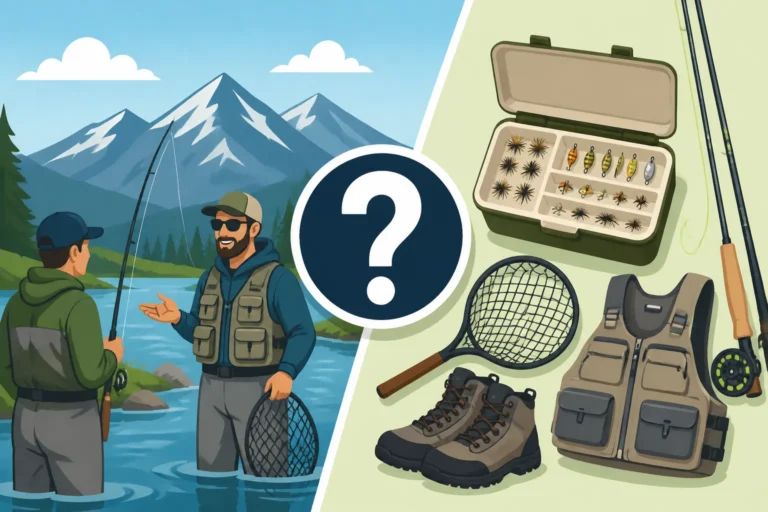
This category is probably the most variable. For wade fishing trips, especially on cold rivers or during cooler seasons, appropriate footwear and waders are absolutely essential. Some guides offer wader and boot rentals as part of their service or for an additional fee. This can be incredibly convenient, especially for out-of-state visitors who don't want to fly with bulky waders. Other guides might expect you to bring your own. If you're doing a boat-based trip, especially a jet boat, waders might not be necessary, but waterproof boots could still be a good idea for getting in and out of the boat at river banks.
Rain gear is another item that often depends on the guide. Some outfitters might provide high-quality rain jackets and pants, particularly for multi-day trips where staying dry is paramount for comfort and safety. Others expect you to bring your own. Given Idaho's unpredictable weather, even on a sunny forecast, a sudden shower can blow through. It’s always prudent to inquire about rain gear provisions and be prepared to bring your own waterproof layers just in case. Knowing this beforehand will help you pack smart and stay comfortable. When you're looking for Idaho Fishing Guides and Charters Directory, pay attention to their "what's included" sections.
Food, Drinks, and Camp Amenities
The provisions for food and drink vary significantly based on the length and type of trip.
- Half-Day Trips: For shorter excursions (typically 4-5 hours), guides usually provide water and possibly a light snack. You'll likely be responsible for bringing any additional beverages or substantial food you might want.
- Full-Day Trips: Most full-day guided trips (8+ hours) will include lunch, snacks, and a variety of non-alcoholic beverages. This often means a hearty shore lunch prepared by the guide, or a packed meal that can be enjoyed on the water.
- Multi-Day Trips or Wilderness Floats: These are comprehensive packages where guides become full-service outfitters. They will provide all meals, often expertly prepared, from breakfast to dinner, along with all necessary camping gear – tents, sleeping pads, cooking equipment, and often even camp chairs. These trips, such as floats down the Middle Fork of the Salmon River, are designed to be all-inclusive wilderness experiences.
It’s crucial to communicate any dietary restrictions or preferences when booking, well in advance, so your guide can accommodate them. Always ask specifically about food and drink provisions to avoid any surprises. You can often find these details outlined on a guide service's website or by asking questions directly when you book, which is easy on platforms that connect you directly to the guide.
What Anglers Are Typically Expected to Bring Themselves
Even with a comprehensive guide service, there are personal items that are always your responsibility. These are things that cater to your individual comfort, safety, and legal compliance. Overlooking these can put a damper on your trip, so pay close attention!
Idaho Fishing License and Permits
This is paramount: you are personally responsible for purchasing and carrying a valid Idaho Fishing License Guide and any necessary permits or stamps for the specific species you're targeting. Guides cannot provide these for you. For example, if you're chasing salmon or steelhead, you'll need the Idaho Salmon and Steelhead Permit in addition to your general fishing license. Failing to have the correct licenses and permits can result in hefty fines and ruin your trip.
It's wise to purchase your license and any required stamps online before your trip or at a local vendor well in advance. Keep a physical copy or a digital copy on your phone readily accessible. Be sure to understand Idaho Fishing License Age Requirements if you're bringing kids along, as rules vary by age. Always check the current Idaho Fishing Regulations Explained for your specific dates and target species.
Personal Clothing and Layering
Idaho weather, especially in the mountains or along its vast river systems, can be incredibly variable, sometimes changing dramatically within a single day. Dressing in layers is the golden rule here. You'll want a base layer (moisture-wicking, not cotton), a mid-layer for insulation (fleece or down), and an outer layer that offers protection from wind and rain. Even on warm days, mornings and evenings can be chilly, and being on the water often feels cooler than on land.
Consider quick-drying materials. Pack a warm hat, gloves, and an extra pair of socks, even in summer, just in case. If you're going on a wade trip and not renting waders, you'll need sturdy wading boots and appropriate quick-dry pants or shorts to wear underneath. Think about what you would wear for a day outdoors in potentially changing conditions, and then add a layer of caution for being near water. Check out our guide on What to Bring on a Guided Idaho Fishing Trip for a more detailed packing list.
Sun Protection and Personal Items
The Idaho sun can be intense, even on cloudy days, and the reflection off the water amplifies its effects. Sun protection is a must. This includes:
- Sunglasses: Polarized sunglasses are highly recommended. Not only do they protect your eyes, but they also cut glare on the water, allowing you to see into the water better and spot fish or structure.
- Hat: A wide-brimmed hat or a baseball cap offers crucial protection for your face and neck.
- Sunscreen: Apply generously and reapply throughout the day, especially on exposed skin.
- Lip Balm with SPF: Protect your lips from sun and windburn.
Beyond sun protection, don't forget any personal medications you might need, a small daypack for your essentials, and any toiletries for multi-day trips. While guides are prepared for emergencies, they aren't pharmacists.
Cameras and Personal Snacks/Drinks
You're going to want to capture those memories, especially that trophy fish! Bring your camera, whether it's your phone or a dedicated waterproof camera. Just ensure it's protected from water and impact. Many guides are happy to take photos for you, often knowing the best angles for a memorable shot.
While full-day trips often include lunch, you might have specific snack preferences or dietary needs not fully covered. Bringing a few extra snacks you enjoy and any special drinks beyond what the guide provides (like a favorite soda or energy drink) is always a good idea. Hydration is key, so if you drink a lot of water, consider bringing a personal water bottle that can be refilled.
Asking the Right Questions Before You Book
To ensure a seamless experience, proactive communication with your guide is paramount. Don't hesitate to ask questions before you finalize your booking. This not only clarifies expectations but also shows your guide you're serious and prepared.
Key Questions to Ask About Gear
Before you commit, take a moment to confirm the specifics. Here’s a checklist of questions to ask your prospective guide about gear:
- "What type of rods and reels do you typically provide, and do you have options for both spin and fly fishing if I have a preference?"
- "Are flies, lures, and bait included in the trip cost, or are there any special items I might need to purchase or bring?"
- "Do you provide waders and wading boots for wade trips, and if so, is there an additional rental fee?"
- "What about rain gear? Should I plan to bring my own waterproof jacket and pants?"
- "What kind of food and beverages are included for a [half-day/full-day/multi-day] trip? Do you accommodate dietary restrictions?"
- "Is there anything else you recommend I bring that isn't typically provided?"
These questions will give you a clear picture of what to expect and help you pack efficiently. Many guides list this information on their websites or booking profiles. If you’re using a platform like FishingBooker to browse Best Fishing Guides in Idaho, you'll often find a Q&A section or the ability to send a direct message to the guide to get these answers quickly. This direct line of communication is invaluable.
Understanding Extra Costs
While most reputable guides are transparent about their pricing, it's wise to understand if there are any potential extra costs related to gear. Sometimes, highly specialized gear for a specific technique, or premium fly patterns for very selective fish, might incur a small additional charge, though this is rare. More commonly, if a guide offers wader rentals, there might be a separate, nominal fee for that service.
Also, be aware of what is not included. Your fishing license and permits are always an angler's responsibility, and usually, gratuities for the guide are not included in the base price (though tipping is highly encouraged for good service). Understanding the full financial picture, beyond just the basic Idaho Fishing Guide Cost Guide, ensures there are no unwelcome surprises on your trip.
Gear Provided by Idaho Fishing Guides
Here's a quick reference table summarizing what you can generally expect from your Idaho fishing guide and what you should plan to bring yourself:
| Category | Typically Provided by Guide | Angler Responsible for Bringing |
|---|---|---|
| Transportation | Boat (drift, jet, lake boat) with motor, transport to spots | Personal vehicle to meeting point (unless specified) |
| Fishing Gear | Rods, reels, line, basic lures/flies, weights, hooks, bait | Personal "lucky" lures/flies (optional), preferred personal rod/reel (optional) |
| Safety | PFDs (life jackets), first aid kit, emergency comms | Personal medications, specific medical devices |
| Food & Drink | Water, some snacks (half-day); Lunch, snacks, drinks (full-day); All meals/camp gear (multi-day) | Personal snacks, specific beverages, alcohol (if permitted and desired) |
| Apparel | (Sometimes) Rain gear, waders/boots (often rental/extra) | Layered clothing, hat, sunglasses, waterproof outerwear (essential) |
| Documents | None | Valid Idaho Fishing License Guide, all necessary permits |
| Personal | None | Sunscreen, lip balm, camera, small backpack, toiletries (multi-day) |
Disclaimer
This article is for general informational purposes only and does not constitute professional advice. Laws, prices and regulations vary by location and change over time. Consult a qualified professional for guidance on your specific situation.