What Gear You Should Bring on a Guided Trip
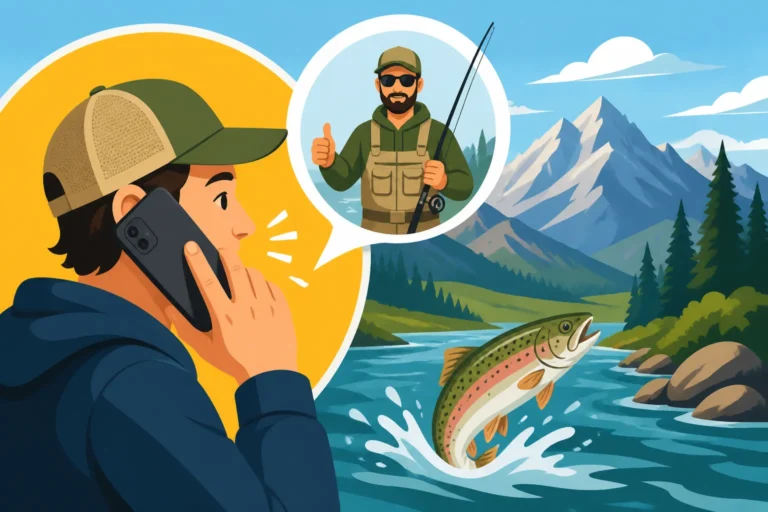
One of the most common questions I hear from folks considering an Idaho fishing trip, especially a guided one, is, "What in the world do I actually need to bring?" It’s a completely valid concern! There’s this idea floating around that if you pay for a guide, you just show up with a smile and maybe a six-pack, and everything else is handled. While guides do provide an incredible amount of gear and expertise, showing up completely empty-handed is a surefire way to be uncomfortable, unprepared, and potentially ruin a fantastic day on the water. This guide is here to cut through the confusion and give you a realistic packing list so you can truly enjoy your Idaho guided fishing adventure.
The Myth of Empty-Handed Angling: What Your Guide Provides (and Doesn't)
Let's clear the air right off the bat about what a fishing guide typically supplies. Many anglers, especially those new to guided trips, envision a completely hands-off experience where all they need to do is show up. And in many ways, that's true for the fishing part! Your guide is there to handle the boat, the rods, the reels, the tackle, and all the logistical headaches of finding fish.
What Your Guide Usually Covers
When you book a trip, whether it's for steelhead on the Clearwater or bass on the Snake, your guide is generally going to bring the heavy lifting of the fishing equipment. This often includes:
- Rods and Reels: They'll have a selection of appropriate rods and reels for the target species and technique. Don't worry about bringing your own unless you have a specific setup you're comfortable with and have cleared it with them beforehand.
- Tackle and Bait: This is a big one. Flies, lures, weights, leaders, hooks, bait – all the bits and bobs that would cost you a small fortune and hours of rigging are provided. They know what's working on that particular day, on that particular water.
- The Boat or Raft: Obviously, they're bringing the vessel! This includes all necessary safety equipment like PFDs (personal flotation devices).
- Basic Safety Gear: Beyond PFDs, they'll usually have a first-aid kit, emergency communication, and other safety essentials.
- Sometimes Lunch/Drinks: Many full-day trips include a packed lunch, snacks, and non-alcoholic beverages. Always confirm this when you book, as it can vary. If you're booking through a platform like FishingBooker, the listing or guide confirmation usually specifies what's included.
What Your Guide Does NOT Cover (and Why It Matters)
This is where the rubber meets the road. While your guide is a pro at fish-finding, they're not your personal outfitter for everything else. Expecting them to have spare rain gear or your specific medication is unrealistic and unfair. These are the items that are deeply personal and crucial for your comfort and safety.
- Personal Clothing: This is perhaps the most overlooked category. Your guide won't have a selection of jackets, pants, or hats in your size. You need to dress for the weather and conditions.
- Rain Gear: A guide might have an emergency poncho, but they won't have a high-quality, breathable, waterproof jacket and pants for every client. This is 100% on you, and it's worth investing in.
- Sun Protection: Sunglasses, sunscreen, lip balm – these are personal hygiene items.
- Personal Medications: Anything you need daily, or for unexpected allergies/reactions, is your responsibility.
- Identification and Fishing License: This is non-negotiable. You must have your own valid Idaho fishing license and any necessary permits (like a Idaho Salmon and Steelhead Permit) before you step foot in the boat or on the riverbank. Your guide cannot legally provide this for you, and fishing without one will lead to a hefty fine and a ruined trip. Check out our guide on How to Buy an Idaho Fishing License for more details.
- Specific Dietary Needs: If you have allergies or strong preferences, you can't rely solely on what the guide provides for lunch/snacks.
Understanding this distinction is key to packing smart and ensuring you have an enjoyable, hassle-free day.
Non-Negotiable Personal Essentials for Any Idaho Guided Trip
Alright, let's get down to brass tacks. These are the items that should be on your packing list no matter where you're fishing in Idaho, what species you're targeting, or what time of year it is. They are crucial for your comfort, safety, and compliance with regulations.
Layers, Layers, Layers: Dressing for Idaho's Volatile Weather
Idaho weather, especially in the mountains or along rivers, can change on a dime. A sunny morning can turn into a chilly, windy afternoon with a sudden shower. The key here is layers.
- Base Layer: Start with something moisture-wicking, like synthetic or merino wool. Avoid cotton next to your skin, as it retains moisture and will make you cold the moment it gets wet.
- Mid-Layer: A fleece jacket or a down vest is perfect for adding warmth. Something easily packable is ideal.
- Outer Layer (Crucial!): This is your main defense against the elements. A good quality waterproof and windproof jacket is non-negotiable. Make sure it's breathable enough that you don't feel like you're in a sauna. Even if the forecast is clear, trust me on this one – Idaho weather loves to surprise you. You might also consider waterproof pants if rain is a strong possibility, or even just for staying dry when kneeling in the boat or on a wet bank.
- Headwear: A brimmed hat for sun protection is a must, even on cloudy days. In cooler weather, a warm beanie or stocking cap will save you from significant heat loss.
- Gloves: Fingerless gloves can be great for sun protection and a bit of warmth in cooler weather, while heavier waterproof gloves are essential for colder conditions.
Footwear: Comfort and Safety First
Your feet are going to be working, whether you're standing in a boat, wading in a river, or walking along a bank. Choosing the right footwear makes a huge difference.
- Comfortable, Closed-Toe Shoes for the Boat: If you're on a drift boat or jet boat, something with good grip, that you don't mind getting wet, and that offers toe protection is ideal. Think water shoes, old sneakers, or even Crocs if you're careful.
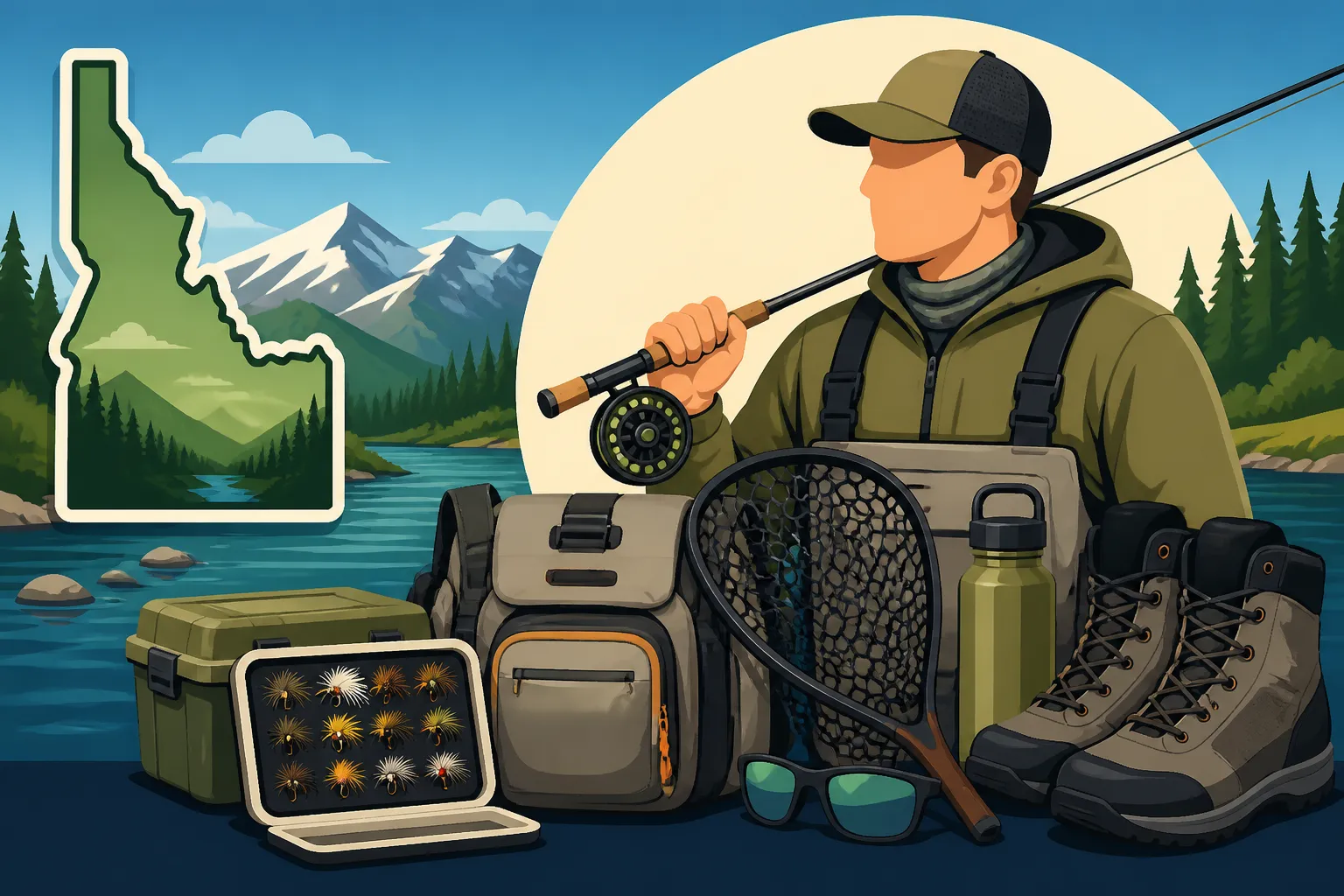
- Wading Boots (if applicable): If your guided trip involves wading (like many fly fishing trips on smaller rivers or spring creeks), your guide will usually specify if you need waders and wading boots. Sometimes they have rentals, but often you're expected to bring your own. Wading boots offer excellent ankle support and traction on slippery riverbeds.
- Warm Socks: Again, no cotton! Wool or synthetic blend socks will keep your feet warmer and manage moisture better.
Sun Protection: Idaho's Sun Can Be Fierce
Even on cooler days, the high-altitude Idaho sun can be incredibly intense, especially when reflected off the water. Protecting your skin and eyes is vital.
- Polarized Sunglasses: This isn't just about looking cool. Polarized lenses cut glare off the water, allowing you to see deeper into the water, spot fish, and protect your eyes from hooks flying through the air. You absolutely need these.
- Sunscreen: High SPF, waterproof sunscreen is a must for any exposed skin. Reapply often!
- Lip Balm with SPF: Don't forget your lips; they're very susceptible to sunburn and windburn.
Hydration and Personal Sustenance
While many guides provide some food and drink, it's always wise to supplement.
- Reusable Water Bottle: Stay hydrated. Even in cooler weather, you'll be exerting yourself.
- Personal Snacks: If you have dietary restrictions, favorite power bars, or just get extra hungry, pack your own snacks. Trail mix, fruit, or jerky are great options.
Essential Personal Items: Don't Leave Home Without Them
These are the items that can really put a damper on your trip if forgotten.
- Idaho Fishing License and Permits: I can't stress this enough. Obtain your Idaho Fishing License Guide before your trip. You can often purchase them online, which is super convenient, or at local vendors. Make sure to have a physical copy or a digital one accessible on your phone, along with any necessary permits like the Idaho Salmon and Steelhead Permit or a Idaho Sturgeon Fishing Rules tag.
- Photo Identification: Just like with your license, have your ID handy.
- Personal Medications: Any prescription medications you need daily, or over-the-counter meds for common ailments (headache, allergies, upset stomach). Keep them in a waterproof bag.
- Small Dry Bag: An invaluable item! Use it for your phone, wallet, keys, and anything else you absolutely cannot get wet. Many guides will have some dry storage, but a personal one is always a good idea.
| Category | Essential (Bring Yourself) | Often Provided by Guide | Highly Recommended Extras |
|---|---|---|---|
| Documentation | Idaho Fishing License & Permits, Photo ID | (Not provided) | (None) |
| Clothing (Layers) | Moisture-Wicking Base Layers | (Not provided) | Extra Socks (wool/synthetic) |
| Mid-Layer (Fleece/Down) | (Not provided) | Warm Beanie/Stocking Cap | |
| Waterproof/Windproof Outer Shell | (Emergency poncho, maybe) | Lightweight Gloves | |
| Brimmed Hat | (Not provided) | ||
| Footwear | Comfortable Boat Shoes (good grip) | (Not provided) | Waders & Wading Boots (if wade trip) |
| Sun Protection | Polarized Sunglasses | (Not provided) | Sunscreen, Lip Balm with SPF |
| Hydration/Food | Reusable Water Bottle | Water/Soda, Lunch (confirm first) | Personal Snacks, Thermos |
| Personal Items | Personal Medications | Basic First Aid | Small Dry Bag for essentials |
| Cash for Gratuity | (Not provided) | Camera (waterproof), Binoculars |
Tailoring Your Pack: Gear for Different Types of Guided Trips
While the essentials remain constant, specific types of guided Idaho fishing trips might call for a few extra considerations in your packing. Knowing your trip's focus will help you fine-tune your gear.
Wade Trips: Getting Your Feet Wet (Literally)
If your guide has planned a wade trip, especially for fly fishing on technical waters like Henry's Fork or Silver Creek, your gear needs will shift slightly.
- Waders and Wading Boots: This is the big one. Most guides expect you to bring your own. Waders keep you dry and warm, while wading boots provide critical traction on slippery riverbeds. If you don't own them, ask your guide if they offer rentals. If you're booking through a service like FishingBooker, you can usually message the guide directly to clarify these details well in advance. Consider a belt for your waders for safety.
- Wading Staff: While not always required, a collapsible wading staff can be a lifesaesaver for stability in strong currents or on uneven ground. Some guides provide these, but having your own lightweight one is never a bad idea.
- Small Day Pack/Sling Pack: For wade trips, you'll want a smaller pack to carry your water, snacks, sunscreen, and maybe a fly box if you have a favorite. Your guide will have the main tackle, but personal organization is key.
Boat and Float Trips: Comfort on the Water
Whether you're in a drift boat, a jet boat, or a fishing raft, comfort and staying dry become paramount.
- Dry Bag (Larger): While a small one for essentials is always good, a slightly larger dry bag for spare layers, a book, or extra snacks can be incredibly useful. Your guide will have dry storage on the boat, but a personal one offers peace of mind.
- Layered Clothing with a Focus on Wind Protection: Being on the water, even on a calm day, can feel much cooler due to wind chill. Ensure your outer layers are truly windproof.
- Boat-Friendly Footwear: As mentioned before, shoes with good grip that you don't mind getting wet are best. No flip-flops! You need secure footing, especially when moving around in a rocking boat or stepping on potentially slick surfaces.
- Seat Cushion (Optional but Recommended): Some boat seats can get hard after a few hours. A small, waterproof cushion can make a world of difference for your backside.
Lake and Reservoir Charters: Battling the Elements
When you're out on larger bodies of water like Lake Coeur d'Alene, Priest Lake, or American Falls Reservoir, conditions can change rapidly and intensely.
- Extra Warm Layers, Even in Summer: Open water means more exposure to wind and potentially colder temperatures, even if it's warm on shore. Always bring an extra fleece or jacket.
- Heavy Rain Gear (if applicable): Lake storms can blow in quickly. Your rain gear needs to be robust.
- Warm Hat and Gloves: For early morning starts or late evening finishes, these are essential on big water.
- Towel: A small towel can be handy for wiping spray off your face, drying hands, or cleaning up a fish.
The "Nice-to-Have" Items That Make a Difference
Beyond the essentials, there are a few items that, while not strictly necessary, can significantly enhance your comfort, enjoyment, and memories of your Idaho guided fishing trip. Think of these as the cherry on top.
Capturing Memories
- Waterproof Camera or Phone with Waterproof Case: You're going to see some incredible scenery and, hopefully, catch some amazing fish. Having a way to capture those moments without fear of water damage is priceless. Just remember to be respectful of your guide's time and focus on the fishing too!
- Portable Charger for Phone/Camera: If you're out all day, especially on a multi-day trip, keeping your devices charged can be a challenge. A small power bank can be a lifesaver.
Comfort and Convenience
- Small Backpack or Day Bag: This is perfect for organizing your personal essentials – water bottle, snacks, sunscreen, camera, extra layer. It keeps everything contained and easily accessible without cluttering the boat or riverbank.
- Binoculars: Idaho is rich with wildlife. Eagles, osprey, deer, elk, and even bears can be spotted along the rivers and lakes. Binoculars can add another dimension to your trip.
- Headlamp/Small Flashlight: For early morning starts, late finishes, or multi-day camping trips, a hands-free light source is incredibly useful.
- Hand Warmers: For chilly mornings or cold-weather trips, a few disposable hand warmers can make a world of difference in keeping your hands functional.
- Book/Entertainment (for downtime): On some trips, there might be periods of slower fishing, or travel time in the boat. A small book or e-reader can be nice to have, but don't get so absorbed you miss the action!
- Reusable Coffee Mug/Thermos: For keeping your morning coffee hot or your water ice cold throughout the day.
Thoughtfulness and Etiquette
- Cash for Gratuity: This is an important one. While not always openly discussed, tipping your guide is customary and highly appreciated if they've provided an excellent experience. We have a whole article on How Much to Tip a Fishing Guide if you want to dive deeper into that topic.
- Small Personal Trash Bag: While your guide will have trash bags, it’s a nice gesture to have a small one for your personal snack wrappers or tissues, just to help keep their boat tidy.
Remember, when in doubt, always err on the side of bringing more layers rather than fewer, and always confirm with your guide if you have specific questions or concerns about what to bring. A good guide, especially one you find on platforms like FishingBooker, will be happy to answer your questions and help you prepare for an unforgettable adventure.
Disclaimer
This article is for general informational purposes only and does not constitute professional advice. Laws, prices and regulations vary by location and change over time. Consult a qualified professional for guidance on your specific situation.