Idaho Kokanee Bag Limits
Navigating the specific rules and regulations around how many of those vibrant, feisty Kokanee salmon you can actually keep can feel like trying to tie a fly knot in the dark, especially when you factor in regional variations. It’s a common frustration, and one that, if misunderstood, can unfortunately lead to unwelcome fines or even the loss of your fishing privileges. This comprehensive guide is here to clear up all the confusion, providing an easy-to-understand breakdown of Idaho's Kokanee bag limits so you can focus on the tug on your line, not the worry in your mind.
Understanding Idaho's Prized Kokanee Salmon
Kokanee salmon are a truly special fish in Idaho, known for their brilliant silver sides that transition to deep crimson during spawning, and their delicious, firm, orange flesh. They're a favorite target for many anglers, but truly understanding the regulations starts with comprehending the fish itself and why its populations are so carefully managed.
The Biology and Life Cycle of Kokanee
Kokanee are essentially landlocked sockeye salmon. This means they complete their entire life cycle in freshwater, never making the epic journey to the ocean like their anadromous relatives. In Idaho, they typically live for three to four years, growing to a catchable size, often between 10 and 16 inches, though some specific waters are known to produce larger specimens. Their diet primarily consists of zooplankton, tiny crustaceans that drift in the water column, which is why you'll often find them schooling in open water, rather than hugging shorelines.
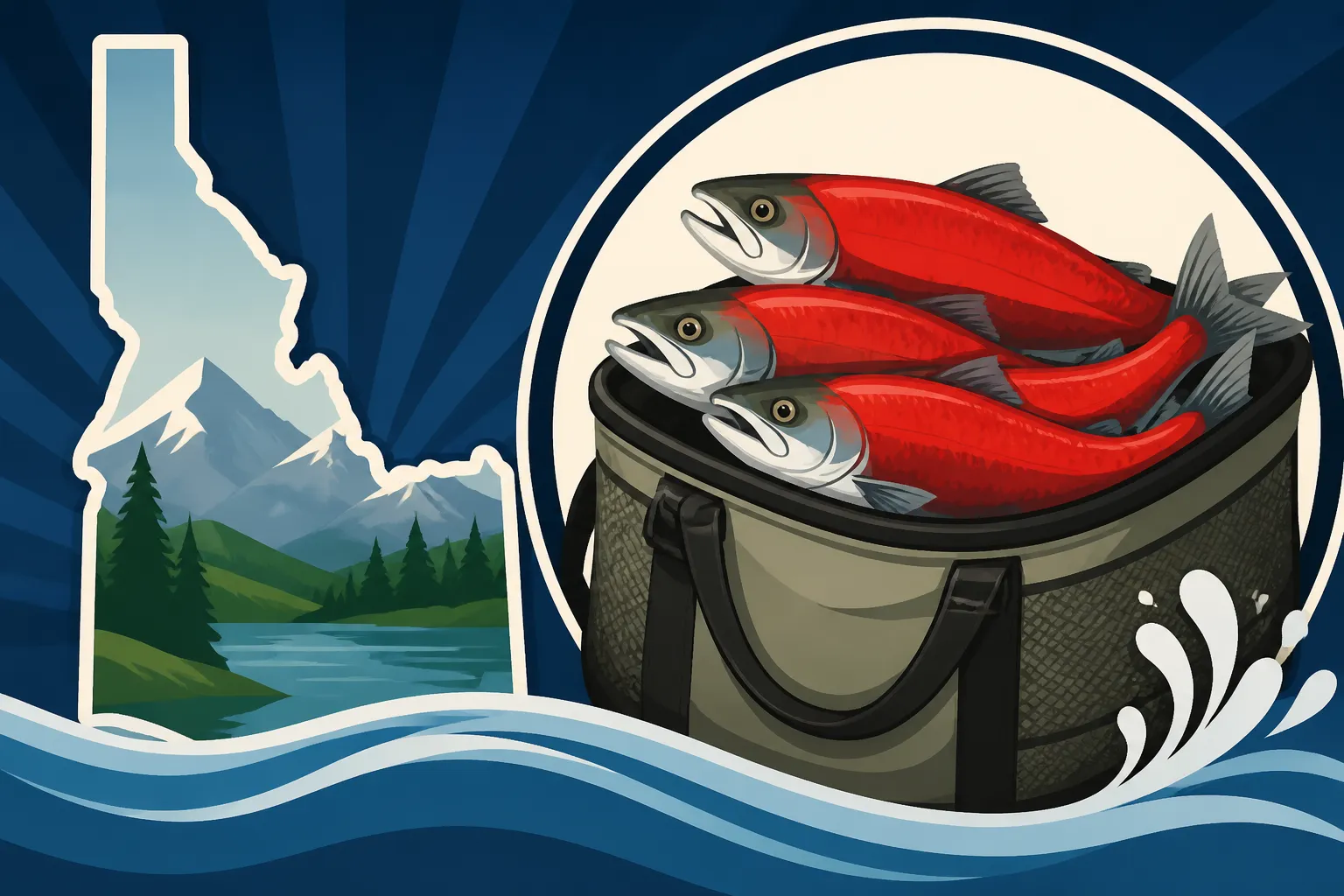
As autumn approaches, Kokanee undergo a dramatic transformation. Males develop a pronounced humped back and a distinct hooked jaw, while both sexes turn that iconic brilliant red, with their heads and tails often becoming a contrasting green. This striking change signals their final, dedicated mission: to spawn. Unlike some fish that can spawn multiple times, Kokanee are semelparous, meaning they spawn once and then die shortly after. This terminal spawn makes careful management of their populations incredibly crucial, as each new generation is entirely dependent on the successful reproduction of the previous one. This natural life cycle heavily influences the bag limits; fishery managers need to ensure enough fish survive to perpetuate the species, delicately balancing angler opportunity with long-term conservation goals.
Why Kokanee Are So Popular in Idaho
There's something undeniably captivating about fishing for Kokanee. Perhaps it's their spirited fight on light tackle, or maybe it's the sheer delight of bringing in a cooler full of bright, tasty fish that are perfect for a family dinner. For many Idaho anglers, Kokanee fishing is more than just a pastime; it's a deeply ingrained tradition, often a cherished family affair. The challenge of finding their schooling depths, the meticulous experimentation with different colored dodgers and hoochies, and the sudden, exhilarating thud of a Kokanee hitting your lure keeps people coming back year after year for more.
Lakes like Lake Coeur d'Alene and Dworshak Reservoir are legendary for their Kokanee fisheries, drawing anglers from across the state and even beyond. The consistent action, the beautiful scenery, and the promise of a fantastic meal make Kokanee a prime target. This widespread popularity, however, comes with a significant responsibility. Because so many people want to catch them, robust regulations are absolutely essential to prevent overfishing and maintain healthy, sustainable populations. The Idaho Department of Fish and Game (IDFG) carefully monitors these populations, utilizing angler harvest data, gillnet surveys, and spawning counts to inform their management decisions and set appropriate bag limits.
Key Differences from Other Salmon and Trout
While Kokanee are indeed a type of salmon, they are quite distinct from other salmon species found in Idaho, particularly Chinook salmon and steelhead. Understanding these key differences, especially when it comes to visual identification, is absolutely critical for adhering to regulations, as limits can vary wildly between species. For instance, while Kokanee are entirely freshwater residents, steelhead are anadromous rainbow trout, meaning they spend a significant portion of their lives in the ocean before returning to freshwater to spawn. Similarly, Chinook salmon, though they might be landlocked in some Idaho reservoirs and share the "salmon" moniker, are a much larger, entirely different species with their own unique characteristics and often, more restrictive harvest rules. You can learn more about these fascinating distinctions in our detailed guide on Idaho Fish Species Guide.
Kokanee typically have slender bodies, very small scales, and a somewhat pointed snout. Their mouths are generally smaller and less formidable than a Chinook's, and they usually lack the distinct spots on their tails that rainbow trout and steelhead often exhibit. When they're not in their spawning phase, they are typically silvery, though they might display a slight bluish-green hue on their backs. The IDFG provides excellent resources, including their indispensable annual fishing regulation brochure, to help anglers confidently identify their catch, which is vital when different species have different rules. If you’re ever unsure about a fish's identity, it’s always better to err on the side of caution and release the fish unharmed, or consult the most current regulations immediately.
General Statewide Kokanee Bag Limits in Idaho
Idaho's fishing regulations are designed to be comprehensive, but they also acknowledge that every single water body is unique. For Kokanee, there are some overarching statewide rules that apply across the board unless a specific water body explicitly states otherwise. Think of these as the default settings that help manage the species broadly throughout the state.
The Statewide Daily Bag Limit for Kokanee
Generally speaking, the statewide daily bag limit for Kokanee in Idaho is 25 fish per angler. This means that in any single 24-hour period, running from midnight to midnight, you can legally harvest and keep no more than 25 Kokanee. This limit applies to most general waters across the state that hold Kokanee, serving as a baseline for sustainable harvest. It's a fairly generous limit, reflecting the robust populations in many of Idaho's numerous reservoirs and lakes, but it still requires anglers to be mindful and responsible with their catch.
Imagine you're out on the boat on a beautiful Idaho lake that falls under general statewide regulations, and the Kokanee are biting ferociously. You and your buddy are having a blast, reeling them in one after another. Both of you need to keep a diligent mental or physical count. Once you've each reached your personal limit of 25 fish, that's it for retaining Kokanee for the day. You are welcome to continue fishing, but any additional Kokanee caught must be immediately released unharmed. This daily limit is critical for distributing the harvest among more anglers and preventing a few individuals from depleting a local stock in a short amount of time. It ensures that the fishing remains good and equitable for everyone, not just those who get out first or fish for extended periods.
Understanding Possession Limits for Kokanee
Beyond the daily limit, Idaho also has what's called a "possession limit." This crucial rule dictates the maximum number of fish you can have in your possession at any given time, regardless of where they are – whether they're in your cooler, stored at your campsite, in your vehicle on the way home, or already processed and in your freezer. For Kokanee, the statewide possession limit is typically twice the daily bag limit, meaning 50 fish.
This particular rule is often a significant point of confusion for anglers, especially those coming from states with different regulatory structures. Here's a common scenario that illustrates the possession limit's importance: you fish on a Saturday, catch your 25 Kokanee daily limit, and take them home to put in your freezer. On Sunday, you decide to go out again and catch another 25 Kokanee. If both catches (50 fish total) are still in your possession – say, in your freezer at home – you would then be over the statewide possession limit of 50. The possession limit is specifically designed to prevent the accumulation of fish over multiple days beyond a reasonable amount for personal consumption. It's not about how many you can catch in a week, but rather how many you can have in your possession at any one moment. If you've got fish from a previous trip, you absolutely need to account for them against your possession limit when heading out again. Always double-check the current Idaho Catch Limits and Bag Limits Explained to ensure you avoid any issues.
Are There Annual Limits for Kokanee?
For most Kokanee fisheries in Idaho, there isn't a specific annual limit imposed. The management strategy primarily relies on the daily and possession limits to effectively control harvest throughout the year. The sheer abundance and relatively short life cycle of Kokanee in many Idaho waters mean that daily and possession limits are generally sufficient to manage the populations effectively without needing an additional annual cap.
However, this doesn't mean you can simply fish every day and keep 25 fish indefinitely without consequence to the fishery. The spirit of these regulations is responsible angling and conservation. While there's no official annual tally for individual anglers, continuous monitoring by the IDFG ensures that if Kokanee populations show signs of stress or decline, regulations can be swiftly adjusted. This might involve reducing daily limits, implementing seasonal closures, or even introducing annual limits for specific, sensitive waters. It's crucial for anglers to remember that regulations are dynamic and can change from year to year, so always consult the most recent Idaho fishing regulation brochure or the IDFG website before you head out. This brochure, which is often available at local sporting goods stores or easily accessible online via the IDFG website, is your absolute best friend for understanding the latest rules and ensuring compliance.
Regional Variations and Special Water Regulations for Kokanee
While the statewide limits provide a general guideline, Idaho is a land of incredibly diverse waters, and many popular Kokanee fisheries have their own unique, localized rules. These special regulations are carefully put in place by the Idaho Department of Fish and Game to manage specific populations more precisely, often due to unique ecological factors, heavy angler pressure, or very specific conservation goals. Ignoring these crucial local variations is a common pitfall that can unfortunately lead to unintended violations and a spoiled fishing trip.
Lake Coeur d'Alene Specifics for Kokanee
Lake Coeur d'Alene, a true gem of North Idaho, is renowned not just for its breathtaking scenic beauty but also for its fantastic Kokanee fishing. However, managing this particular fishery is a delicate balancing act, especially given the presence of predatory Chinook salmon that were intentionally introduced to help control the Kokanee population but also thrive on them. This complex dynamic often results in special, and sometimes significantly lower, Kokanee bag limits compared to the statewide standard.
Historically, Lake Coeur d'Alene has seen fluctuating Kokanee populations, and the IDFG has actively managed the intricate balance between Kokanee, Chinook, and angler harvest. For example, there have been periods where the daily bag limit for Kokanee on Lake Coeur d'Alene was set at 15 fish, which is considerably lower than the statewide 25. This reduction aims to ensure enough Kokanee survive to both support the Chinook population and successfully reproduce themselves. It's a complex ecosystem, and the specific rules in place are a direct reflection of that complexity. Always make it a point to check the specific regulations for Lake Coeur d'Alene for Kokanee and Chinook before dropping a line. These site-specific rules are usually clearly outlined in the annual fishing proclamation, making it absolutely vital to have the most current information at hand.
Dworshak Reservoir Nuances for Kokanee
Dworshak Reservoir, located in the scenic north-central region of Idaho, is another legendary Kokanee destination, often producing exceptionally large Kokanee compared to other waters in the state. This incredible productivity is largely due to the reservoir's deep, cold, and nutrient-rich waters, which provide an ideal habitat for these thriving fish. Because of this unique situation and the reservoir's immense capacity to support a truly abundant Kokanee population, Dworshak sometimes has very generous, or even no, daily bag limits during certain specific periods.
Yes, you read that right – sometimes, on Dworshak Reservoir, the daily limit for Kokanee can be designated as "no limit" or "unlimited." This remarkable situation typically occurs when the IDFG determines that the Kokanee population is incredibly abundant, and increased harvest by anglers is actually beneficial for the overall health of the ecosystem, helping to prevent overpopulation and stunting of fish growth. However, it's crucial to understand that these "no limit" periods are typically seasonal and tightly tied to specific management goals, such as during periods of exceptionally high recruitment or just before a large natural spawning die-off. It's a unique and exceptional scenario that vividly highlights how localized conditions dictate regulations. You absolutely cannot assume an unlimited limit applies year-round or on any other water body in Idaho. Always, always consult the current official IDFG regulations for Dworshak Reservoir, particularly before visiting during peak seasons.
Other Notable Waters with Specific Kokanee Rules
Beyond Lake Coeur d'Alene and Dworshak, several other Idaho waters are well-known for their Kokanee fishing opportunities and may very well have their own specific regulations that differ from the statewide standard. These can include:
- Lake Pend Oreille: While famously known for its trophy rainbow trout, Lake Pend Oreille also holds Kokanee, and its regulations are typically complex, often involving specific gear restrictions or unique catch limits for various species.
- Anderson Ranch Reservoir: Located in picturesque southwestern Idaho, this reservoir offers good Kokanee fishing, and its rules might differ from the statewide standard, often adjusted based on current population assessments and management objectives.
- Payette Lake: A popular recreational and fishing destination near McCall, Payette Lake's Kokanee fishery is enjoyed by many, and like other intensively managed waters, its bag limits can be adjusted periodically based on biological data.
- Lucky Peak Reservoir (conveniently located near Boise) and Magic Reservoir (in south-central Idaho) are also recognized Kokanee producers that anglers should always double-check for any specific or updated rules before planning a trip.
The key takeaway here is that you absolutely cannot rely on a "one size fits all" approach when it comes to Kokanee bag limits in Idaho. Before every single fishing trip to a specific lake or reservoir, make it an unbreakable habit to check the most current Idaho fishing regulation brochure or the IDFG website. These indispensable resources are updated annually, sometimes even with in-season amendments if conditions warrant, and are the definitive, legally binding source for all Idaho fishing rules. Missing a small detail about a specific water body's Kokanee limit could unfortunately turn what should be a fun and relaxing day into a frustrating and potentially costly experience.
Practical Strategies for Adhering to Kokanee Limits
Understanding the rules is one thing; putting them into practice while you're actually out on the water, with the excitement of fishing, is another entirely. When the bite is hot and the adrenaline is pumping, it’s surprisingly easy to lose track. Developing some simple, proactive habits and having the right tools at your disposal can make all the difference in staying compliant with regulations and ensuring a smooth, enjoyable, and worry-free fishing trip.
Counting Your Catch Accurately
One of the simplest yet most often overlooked aspects of adhering to bag limits is simply keeping an accurate, real-time count of your retained fish. It sounds incredibly obvious, but in the heat and excitement of a fast bite, it’s surprisingly easy to miscount, especially if multiple anglers are on board the same boat.
A few practical strategies can help you maintain an accurate count:
- Designated Cooler: Use a separate, smaller cooler or a clearly sectioned off area within your main cooler specifically for the Kokanee you intend to keep. This visual separation helps you keep track and quickly assess your progress toward your limit.
- Clicker Counter: Many seasoned anglers swear by using a small, manual clicker counter, similar to those used for counting reps in exercise or crowd tallies, to keep a running tally. You can find these handy devices easily on Amazon. Every time a legal fish goes into the cooler, make a click. It’s a simple, tactile way to stay on top of your numbers.
- Rubber Bands or Tally Marks: For each angler, a set number of rubber bands (e.g., 25 for a statewide limit) can be placed on a fishing rod or tackle box handle. Move one band to the other side for each fish retained. Alternatively, some folks simply make tally marks on a piece of painter's tape stuck to the inside lid of their cooler.
- Communicate with Your Party: If you're fishing with others, ensure everyone clearly understands the individual limits and collectively agrees on a system to keep track. If one person hits their personal limit, they should immediately transition to strictly catch-and-release fishing for that species. Remember, bag limits are typically per person, not per boat.
Let's say you're on Lake Coeur d'Alene with its potentially lower limit of 15 Kokanee per angler. You and your friend both have clicker counters. As each Kokanee is brought in and deemed a keeper, a click is made. When your counter hits 15, you transition to strictly catch-and-release fishing for Kokanee, even if your friend still has a few fish left on their personal limit. This disciplined approach prevents accidental over-harvest and keeps everyone on the right side of the law.
Best Practices for Releasing Unwanted Fish
Not every fish you catch will be a keeper, whether it’s due to size restrictions (though uncommon for Kokanee), being the wrong species, or having already hit your personal bag limit. Knowing how to properly release fish is just as important as knowing your limits, especially for Kokanee, which can be quite delicate. Minimizing stress and physical injury to released fish significantly increases their survival rate, directly contributing to a healthier and more sustainable fishery for everyone.
Here’s what you can do to practice responsible catch-and-release:
- Minimize Handling: Keep the fish in the water as much as humanly possible. Avoid dragging it onto the boat deck, dry ground, or hot surfaces.
- Wet Hands: If you absolutely must handle the fish, wet your hands thoroughly first. Dry hands can remove the fish's protective slime coat, leaving it vulnerable to infections and disease.
- Gentle Hold: Support the fish horizontally, using both hands if necessary. Avoid squeezing its belly or gill plates, as this can cause internal damage.
- Quick Release: Use de-barbed hooks whenever possible (often required for certain species or waters, like those under Idaho Barbless Hook Requirements), or consider single-point hooks, as these make hook removal much easier and faster. Pliers or a dedicated hook remover tool, like those you can find readily on Amazon, are essential for quick and clean extraction.
- Revival: If a fish appears sluggish or disoriented after being caught, gently hold it in the water, facing it into any current, until it regains its strength and can swim away vigorously on its own power.
For Kokanee, which are known to be particularly sensitive, rapid and gentle release is paramount. If you're using a downrigger setup, reeling in from deep water can sometimes stress them. Make the decision to keep or release quickly once the fish is alongside the boat, and handle it with the utmost care if releasing it back into the water. This commitment to proper catch-and-release is a hallmark of a responsible and ethical angler and directly supports the overall health and vitality of the Kokanee populations.
Equipping Yourself with the Right Tools
Having the proper gear isn’t solely about catching fish more effectively; it’s also about adhering to regulations confidently. While Kokanee generally don’t have minimum size limits like some other species, having tools for quick measurement or identification can be invaluable, especially on days when you might be catching a mixed bag of species.
Consider these essential additions to your fishing kit:
- Measuring Tape or Board: While not strictly for Kokanee size limits, having a reliable measuring device is crucial if you accidentally catch another species, like a trout, which might have specific length restrictions. A flexible, waterproof tape measure or a designated fish ruler is a smart and responsible addition to any tackle box.
- Regulation Brochure: Always have a current copy of the official Idaho fishing regulation brochure, either a physical paper copy or a digital version downloaded on your smartphone. It’s the ultimate, legally binding authority when you have a question about rules while out on the water.
- Fish Identification Guide: For confidently distinguishing Kokanee from other similar-looking species, especially if you’re fishing waters where different salmonids coexist (like immature Chinook or various trout), a portable fish identification guide can prevent the accidental retention of a protected or restricted species. Many of these guides are waterproof and can be conveniently purchased on Amazon.
Being well-prepared and properly equipped allows you to fish confidently and responsibly. It removes the guesswork from tricky situations and helps ensure that your fishing adventure is both highly successful in terms of catch and fully compliant with Idaho’s thoughtful conservation efforts.
Why Adhering to Kokanee Regulations is Crucial
It’s often easy to view fishing regulations as arbitrary rules designed solely to make things more difficult for anglers. But in reality, every single limit, every season closure, and every gear restriction is carefully crafted with the long-term health and sustainability of the fishery in mind. For Kokanee, adherence to these rules is particularly vital for several key ecological and recreational reasons.
Protecting Kokanee Population Health and Ecosystem Balance
Kokanee salmon play an absolutely vital role in the aquatic ecosystems where they reside. They serve as a primary and essential food source for larger predatory fish, including the highly sought-after Lake Trout, the federally protected bull trout, and the introduced Chinook salmon in places like Lake Coeur d'Alene. If Kokanee populations decline significantly due to overharvest, it can have a devastating cascading negative effect throughout the entire food web, ultimately impacting the health, size, and abundance of these other popular game fish.
The IDFG biologists spend countless hours studying Kokanee populations, diligently monitoring their abundance, growth rates, and reproductive success year after year. These data-driven decisions are made to ensure that the daily and possession limits allow enough fish to escape harvest, successfully reproduce, and sustain the crucial prey base for other species. When anglers respect these limits, they're not just passively following rules; they are actively participating in the larger conservation effort that keeps Idaho's fishing diverse, vibrant, and healthy. It's a shared responsibility to maintain that delicate ecological balance, ensuring that the entire aquatic community thrives, not just the specific species we happen to target.
Preventing Overharvest and Sustaining Angler Opportunity
The immense popularity of Kokanee fishing means that without carefully considered and enforced regulations, these populations could be quickly and severely depleted. Imagine a scenario where there were simply no limits on Kokanee. A few highly successful anglers could, in theory, remove an unsustainable number of fish in a very short time, especially during peak seasons when the fish are concentrated. This classic "tragedy of the commons" would inevitably lead to fewer fish for everyone, a noticeable reduction in average fish sizes, and eventually, a collapse of the fishery.
Bag limits therefore act as a crucial and effective tool to fairly distribute the harvest among a wider angling community. By limiting the number of fish each individual can keep, the IDFG ensures that the natural resource is shared more equitably and that enough fish remain in the water to continue the species' natural reproductive cycle. This foresight and proactive management directly translates to sustained angler opportunity year after year. Nobody wants to see their favorite Kokanee spot become a ghost town because of a lack of regulation or widespread non-adherence. These rules are truly about securing fantastic fishing experiences for tomorrow, not just for today. You can gain a deeper understanding of the broader picture of these rules by reading our article on Idaho Fishing Regulations Explained.
Ensuring Future Generations Can Enjoy Idaho Fishing
Perhaps the most powerful and compelling reason to adhere to Kokanee bag limits is the invaluable legacy we leave behind for future generations. The pure thrill of teaching a child to catch their very first Kokanee, or the cherished tradition of a multi-generational family outing to a favorite reservoir, are invaluable experiences we all want to pass down. Unregulated or irresponsible fishing practices directly jeopardize these future opportunities and traditions.
Every Kokanee that is legally and responsibly harvested, and every fish that is carefully released, contributes directly to the overall health and resilience of the fishery. By consistently staying within the legal limits, anglers demonstrate a profound respect for the natural resource and for the countless generations of anglers who will follow in their footsteps. It's a fundamental commitment to conservation, ensuring that Idaho's pristine waters remain teeming with Kokanee for our children and grandchildren to enjoy for years to come. Think of it as a vital investment in the enduring future of Idaho fishing. This long-term perspective is what truly drives the Idaho Department of Fish and Game's careful and dedicated management of these cherished fish.
Common Misconceptions and Frequently Asked Questions
Even with clear and comprehensive regulations, questions often arise, and some common misunderstandings about bag limits persist among anglers. Let's tackle a few of these head-on to further clarify Idaho's Kokanee bag limits and help prevent any confusion.
Distinguishing Daily vs. Possession Limits Clearly
This is probably the most common area of confusion for anglers, and it's absolutely essential to understand the distinction correctly to avoid inadvertent violations.
- Daily Bag Limit: This refers to the maximum number of fish you can legally harvest and keep within a single 24-hour period, which typically runs from midnight to midnight. Once you hit this specific number, you must stop keeping fish of that species for that day. This limit resets at midnight.
- Example: Statewide, you catch 25 Kokanee on Monday. You legally cannot keep any more Kokanee until Tuesday at midnight, even if you continue fishing.
- Possession Limit: This refers to the total number of fish you can have in your physical possession at any given time. This includes all fish that are in your cooler, in your vehicle, in your freezer at home, or even processed fish. This limit does not reset daily.
- Example: You catch 25 Kokanee on Monday and promptly put them in your freezer at home. On Tuesday, you go fishing again. Your possession limit (which is 50 statewide for Kokanee) means you can only catch and keep another 25 Kokanee on Tuesday. Why? Because 25 (from Monday's catch) + 25 (from Tuesday's catch) = 50, which precisely meets your total possession limit. If you keep more than 25 on Tuesday, you would immediately exceed your legal possession limit. To catch more on Wednesday, you would need to consume or otherwise legally dispose of some of the fish from Monday or Tuesday to bring your total possession below 50.
It's the cumulative nature of the possession limit that often trips people up. Always consider what you already have in your possession before you head out for another day of fishing, particularly if you're targeting those higher daily limit species like Kokanee.
The Role of the Idaho Fish and Game Brochure
Many anglers, especially new ones or those visiting from out of state, underestimate the paramount importance of the annual Idaho fishing regulation brochure. It's not just a friendly suggestion; it is, in fact, the law. The IDFG publishes this comprehensive brochure every single year, typically in January, detailing all the current statewide and regional regulations, special rules, and exceptions. It’s also frequently referred to simply as the "proclamation."
- Your Legal Guide: This brochure is the definitive legal document for all fishing regulations in Idaho. Ignorance of the law is not considered a valid excuse for violations.
- Constantly Updated: While statewide rules might be fairly consistent from year to year, specific waters often have annual or even in-season changes based on real-time fisheries management data. The brochure captures all these critical changes. For instance, the exact dates for Idaho Fishing Season Dates and Limits or specific water regulations like those for Idaho Special Regulation Waters will be found within its pages.
- Where to Find It: You can usually pick up a physical copy for free at any local sporting goods store (like those found in bustling Boise or scenic Coeur d'Alene), IDFG offices, or licensed fishing vendors. It's also readily available as a convenient PDF download directly from the official Idaho Fish and Game website. Always download or grab the most current year's version!
Treating the official regulation brochure as your primary and ultimate source of truth is the absolute best defense against accidental violations. Never rely solely on what a friend told you, or what you might have read online last year, as rules do change.
Do Kids Need a Fishing License for Kokanee?
This is a very common and important question, especially for families planning memorable fishing trips in Idaho. In Idaho, there are specific age requirements for fishing licenses, and these requirements apply universally to all fish species, including Kokanee.
- Age 14 and Older: Anyone aged 14 and older needs a valid Idaho fishing license to legally fish in any Idaho waters. This applies equally to both residents and nonresidents.
- Under Age 14: Children under the age of 14 do not need a fishing license to fish in Idaho. This is fantastic news for families, as it significantly encourages young anglers to get out on the water and develop a love for fishing.
However, there’s an important caveat regarding bag limits: even if a child doesn't need a license, they are still fully subject to the same daily and possession bag limits as licensed adult anglers. So, if you're fishing with your 10-year-old on a lake with a 25 Kokanee daily limit, your child can also legally keep 25 Kokanee. This effectively doubles the boat's potential take, which is a great incentive for family fishing, but it also means you need to keep accurate individual counts for each angler, including the kids. You can find more detailed information on Idaho Fishing License Age Requirements and specific answers to Do Kids Need a Fishing License in Idaho? in our other helpful resources.
Staying informed and diligent about these regulations ensures a fun, legal, and sustainable fishing experience for everyone involved.
Table: Comparison of Idaho Kokanee Bag Limits on Popular Waters (Example)
| Water Body | Daily Bag Limit | Possession Limit | Special Notes & Considerations | Last Checked (Example Year) |
|---|---|---|---|---|
| Statewide General Rule | 25 | 50 | Applies unless specified otherwise for a particular water body. | 2024 |
| Lake Coeur d'Alene | 15 | 30 | Often reduced to manage Chinook-Kokanee dynamics. Check current rules. | 2024 |
| Dworshak Reservoir | Varies (often unlimited/no limit seasonally) | Varies (often unlimited/no limit seasonally) | Exceptionally productive; limits change frequently. Always verify current rules. | 2024 |
| Anderson Ranch Reservoir | 25 | 50 | Typically follows statewide limits, but check for local amendments. | 2024 |
| Payette Lake | 25 | 50 | Generally follows statewide limits. | 2024 |
| Lake Pend Oreille | 25 | 50 | Primary focus is trophy Rainbows, but Kokanee are present. | 2024 |
Disclaimer: This table provides a general overview for informational purposes and is based on common regulations. Always consult the current Idaho Fishing Regulation brochure (proclamation) or the Idaho Department of Fish and Game website for the most up-to-date and legally binding rules before fishing. Regulations can change frequently and without prior notification.
Disclaimer
Please remember that fishing regulations are subject to change at any time by the Idaho Department of Fish and Game. While every effort has been made to provide accurate and up-to-date information in this guide, it is ultimately your sole responsibility as an angler to consult the most current official Idaho Fishing Regulation brochure or the IDFG website before engaging in any fishing activity. This guide is for informational purposes only and should not be considered a substitute for the official, legally binding regulations.