How Much to Tip a Fishing Guide
It's an age-old question that many anglers grapple with after a fantastic day out on the water, especially when you're in a place like Idaho, known for its incredible fishing experiences. You’ve had a blast, maybe landed some trophy trout or battled a powerful steelhead, and now it’s time to say goodbye to your guide. The moment comes, and a wave of uncertainty hits: How much should I tip? This guide is here to help you navigate the often-unspoken rules of guide gratuities, ensuring you know how to show appreciation for a job well done without any awkward fumbling.
Understanding Standard Tipping Practices in the Fishing Industry
Let's face it, fishing guides are part of the service industry, and just like your favorite server at a restaurant or your trusted barber, tips are a significant and expected part of their income. It’s not just a nice bonus; it’s a fundamental component of how most guides make their living. Understanding this is the first step to feeling confident about your tip.
Why Tipping Is Customary for Fishing Guides
Think about what goes into a guided fishing trip. It’s not just the hours you spend on the boat or on the riverbank. Your guide has likely been up for hours before you even meet, preparing the boat, checking the gear, packing lunches, and perhaps even scouting prime spots based on recent conditions. They invest a tremendous amount of time, energy, and personal capital into making your day successful and enjoyable. Their boats, vehicles, and specialized tackle are expensive to maintain, repair, and replace. Every piece of equipment, from the rods and reels to the anchors and electronics, represents a significant investment.
Beyond the physical gear, you’re also paying for their invaluable expertise. A good guide has spent years, often decades, honing their craft, learning the subtle nuances of specific waterways, understanding fish behavior, and mastering various techniques. They know Idaho Fishing Regulations Explained backward and forward, ensuring you stay compliant and safe. This depth of knowledge and experience is precisely why you hired them, and it’s what sets a professional guide apart. A tip is a direct way to acknowledge and reward this extensive effort and skill.
The Standard Percentage Guideline
When it comes to the numbers, a common guideline in the fishing guide industry, much like in many other service sectors, is to tip between 15% and 20% of the total trip cost. This range isn't arbitrary; it reflects a fair compensation for the guide's hard work, specialized skills, and dedication to providing a memorable experience. If your trip cost, for example, a few hundred dollars, a 15% tip would be a solid show of appreciation, while a 20% tip would be considered very generous and well-deserved for an exceptional outing.
It's important to remember that this percentage is typically based on the entire cost of the trip, not just a portion of it. If you booked through an outfitter or a platform like FishingBooker, the cost you paid covers the guide's fee, boat expenses, fuel, and other overhead. Your tip is an additional gratuity directly for the guide for their personal service. Always factor this into your budget from the very beginning of planning your Idaho fishing adventure, so it doesn't come as a surprise at the end of a fantastic day.
Factors Influencing Your Tip in Idaho
While the 15-20% rule is a great starting point, the specific amount you choose to tip your Idaho fishing guide should ultimately reflect the quality and nature of your experience. There are several elements that can, and should, sway your decision to tip a little more or to stick to the standard.
The Quality of the Guiding Experience (Beyond Just Catching Fish)
Let's be real: we all want to catch fish. But a truly great guide provides so much more than just a full cooler. The experience itself is paramount, and a guide who excels in these areas deserves a generous tip, regardless of the catch count.
- Effort and Professionalism: Did your guide work hard for you? Were they constantly moving, trying different spots, changing flies or lures, and actively searching for fish? Did they maintain a positive attitude, even if the bite was slow? A professional guide will always put in maximum effort. They'll be punctual, organized, and focused on making your day enjoyable. Their communication should be clear, offering advice, explaining techniques, and sharing insights about the local fishery. Imagine a guide patiently explaining the nuances of fly selection on the Henry's Fork or demonstrating the correct retrieve for smallmouth bass on the Snake River. That kind of dedication speaks volumes.
- Safety and Comfort: This is non-negotiable. A good guide prioritizes your safety above all else, especially when navigating Idaho's powerful rivers or vast lakes. Was the boat well-maintained and clean? Did they provide all necessary safety equipment? Were they mindful of weather conditions and currents? Beyond safety, consider your comfort. Did they ensure you had a comfortable place to sit, protection from the elements, and access to water or snacks? These details, often overlooked, contribute significantly to a pleasant day on the water.
- Instruction and Patience: For many, especially beginners or families, a guided trip is as much about learning as it is about catching. Did your guide offer clear, helpful instruction on casting, rigging, or fighting fish? Were they patient with mistakes, especially with kids or new anglers? A guide who takes the time to teach a child how to mend a line or helps an adult perfect their roll cast on a scenic Idaho stream provides immense value. This educational component, fostering a love for the sport, is incredibly valuable and warrants a thoughtful tip. They might even help you understand Idaho Fishing Rules for Kids and Families, making it a seamless learning experience.
- Bonus Services: Did your guide go the extra mile? Did they provide a delicious shore lunch, offer cold beverages, take photos throughout the day, or expertly clean and package your catch at the end? These little touches elevate an already good trip to an outstanding one and are clear indicators that your guide genuinely cares about your experience.
Trip Duration and Type of Fishing
The length and nature of your fishing trip in Idaho also play a role in how you might approach tipping. Not all guided trips are created equal, and some demand more from the guide than others.
- Half-Day vs. Full-Day Trips: It's quite logical that a full-day trip, which involves more hours of the guide's time, effort, and resources (like fuel and bait), generally warrants a larger tip than a half-day excursion. While the percentage might remain the same, the total dollar amount will naturally be higher. A full-day trip usually includes more ground covered, more techniques tried, and often a lunch break, all adding to the guide's responsibilities.
- Specialized and Intensive Trips: Idaho offers a vast array of fishing experiences, from serene wade trips on spring creeks to exhilarating jet boat runs for steelhead. Certain trips, like multi-day float trips through wilderness areas or highly technical fly-fishing on renowned waters like Silver Creek, require an even higher level of specialized skill, gear, and logistical planning. For instance, a guide leading a Idaho Steelhead Fishing Guide trip on the Clearwater River, navigating challenging waters and targeting elusive anadromous fish, is providing a premium, often physically demanding service. Similarly, a Idaho Sturgeon Fishing Rules trip on the Snake River requires specialized heavy tackle and immense patience. These more intensive, high-value experiences often justify a tip towards the higher end of the standard percentage, or even a little above, as a recognition of the guide's enhanced expertise and effort.
- Multi-Guide or Outfitter Trips: If you're part of a larger group that requires multiple guides or is coordinated through a big outfitter, remember that your tip is for your individual guide(s). Don't assume one lump sum for the head outfitter covers everyone. It's best practice to tip each guide who directly served you based on their performance and the general guidelines. This ensures that the person who spent the day teaching you, rowing the boat, or netting your fish receives direct appreciation.
Practical Tipping Scenarios and Methods
Now that we've covered the "why" and "how much," let's talk about the practicalities of tipping your Idaho fishing guide. It's about being prepared and making the exchange smooth and respectful.
Tipping When Fish Aren't Biting
This is perhaps the most challenging scenario for many anglers. It’s natural to feel less enthusiastic about tipping generously if the fishing was slow and the fish didn’t cooperate. However, it’s crucial to separate the guide's performance and effort from the unpredictable nature of fishing itself. A guide cannot control whether the fish decide to bite, but they can control their attitude, effort, and professionalism.
A truly excellent guide will still work tirelessly, trying different spots, adjusting tactics, and doing everything in their power to get you on fish. They'll remain positive, keep you engaged, and might even use the slower moments to teach you about local ecology or share fascinating stories about the river. If your guide put in maximum effort, was knowledgeable, patient, and made the day enjoyable despite the lack of bites, they still deserve a tip within the standard 15-20% range. Think about the What to Expect on a Guided Idaho Fishing Trip and evaluate if the guide delivered on their end of the bargain, regardless of what the fish did. Conversely, if a guide seemed disengaged, didn't try to adapt, or showed a poor attitude when the fishing was tough, a smaller tip (perhaps closer to 10-15%) might be appropriate, but rarely should you skip tipping entirely unless the service was truly egregious or unsafe.
How to Deliver Your Tip
The method of delivery might seem minor, but it can make a difference for your guide. A little thoughtfulness goes a long way.
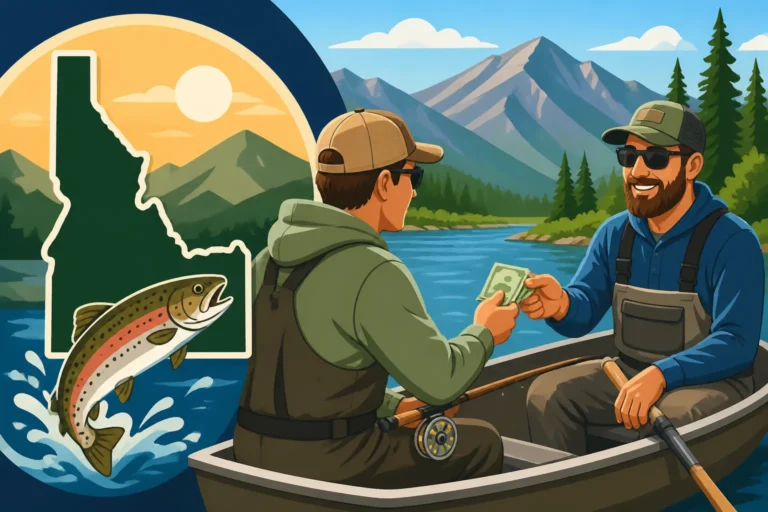
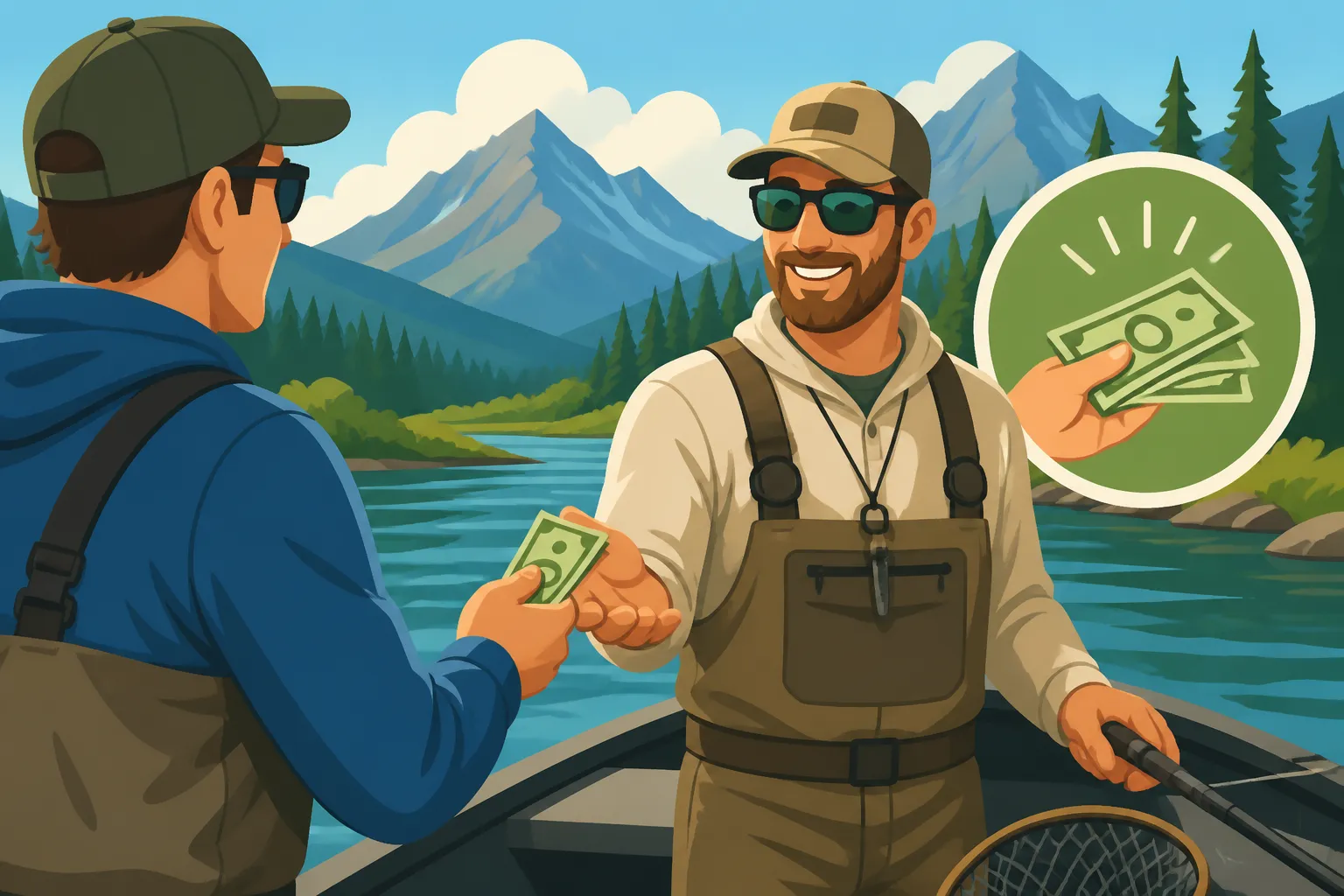
- Cash is King: Without a doubt, the preferred method for most fishing guides is cash. It’s immediate, discreet, and they don't have to deal with payment processing fees or waiting for checks to clear. It also ensures the tip goes directly to them. It’s a good practice to have a separate envelope of cash set aside specifically for gratuities when you head out on your trip. Hand it directly to your guide, ideally at the end of the day after all the gear is stowed and you're saying your goodbyes. A simple "Thank you, I really appreciate the great day!" accompanied by the envelope is perfect.
- Credit Card Options (Less Common): Some larger outfitters or resorts might have systems that allow you to add a gratuity to your credit card payment. If this is an option, confirm beforehand how quickly the guide receives their tip and if any fees are deducted. While convenient for you, it's generally less preferred by guides than direct cash. If you booked through a platform like FishingBooker, you might find options to add a tip digitally, but again, cash is often more direct.
- When to Tip: The appropriate time is typically at the very end of the trip, once you're back at the dock or launch point, all the gear has been put away, and you're preparing to depart. This allows you to fully assess the entire experience before offering your appreciation.
Group Trips and Outfitter Considerations
When you're part of a larger group, or when booking through a dedicated outfitter, there are a few extra points to consider for tipping.
- Splitting the Tip: On group trips, it's common for one person to collect the contributions from everyone and present a single tip to the guide(s). Make sure everyone in your party understands the expectation of tipping and contributes their fair share. Having this conversation beforehand, perhaps when you're discussing Idaho Fishing Guide Cost Guide, avoids any awkwardness at the end of the day.
- Outfitter vs. Independent Guide: If you booked directly with an independent guide, your tip goes solely to them. If you booked through a larger outfitter, it's wise to clarify if any portion of your initial payment is considered a gratuity. This is rare, but it never hurts to ask. Most often, any service fees paid to the outfitter cover their operational costs, and the tip for your guide is still an additional, separate payment directly to them. Remember, the goal is for the guide who put in the effort on the water to be properly compensated. Booking an Idaho Fishing Guide in Advance might mean dealing with an outfitter, so clarifying this aspect is always a good idea.
Idaho-Specific Tipping Nuances
Idaho is a special place for fishing, with incredible diversity in its waters and species. This unique character can subtly influence the perceived value of a guide's expertise, which in turn can factor into your tipping decision.
The Value of Local Knowledge and Expertise
Idaho is a land of contrasts, from the high desert rivers of the Owyhee to the deep, cold waters of Priest Lake, and the legendary fly-fishing meccas of Henry's Fork and Silver Creek. A guide working in Idaho isn't just guiding; they are often masters of a specific niche within this vast and varied landscape.
Consider a guide specializing in Idaho Chinook Salmon Fishing Guide on the Salmon River, navigating strong currents and understanding the migratory patterns of these powerful fish. Or perhaps a guide on Lake Coeur d'Alene, expertly trolling for kokanee at specific depths during different seasons. This deep, localized understanding of hydrology, entomology, fish behavior, and specific techniques for particular species in unique environments is a premium service. It takes years, if not decades, of experience to truly become an Idaho expert, and this level of insight is invaluable. When you witness your guide's profound connection to the local waters and their ability to put you on fish through sheer knowledge, it often inspires a more generous tip. The investment a guide makes in their craft, learning every riffle and pool on rivers like the South Fork of the Snake or understanding the intricacies of Idaho Trout Limits by Water, is a significant part of the value they provide.
Budgeting for Your Idaho Fishing Trip
To ensure your tipping experience is stress-free, integrate it into your trip planning from the very beginning. Don't let the gratuity be an afterthought that causes you to scrounge for cash at the last minute. When you're researching Wade Trip Guide Cost in Idaho or looking into a Full-Day Steelhead Jet Boat Trip Cost on the Salmon River, mentally add that 15-20% on top.
This pre-planning ensures you can comfortably reward your guide for their hard work and expertise. Many anglers find it helpful to calculate the potential tip range when they first get the quote for their trip, then set aside that amount in cash. This way, the money is ready and waiting, allowing you to focus on enjoying your time on Idaho's beautiful waters without any financial anxiety clouding the experience. Services like FishingBooker are great for finding guides and often provide clear pricing, allowing you to easily estimate your tip budget in advance.
Here’s a general overview of hypothetical guide trip types and how the standard tipping percentages might apply. Remember, specific prices will vary wildly based on the guide, location, duration, and what's included, so always check with your chosen outfitter or guide.
| Trip Type (Hypothetical Price Range) | Standard Tip (15%) | Generous Tip (20%) | Key Considerations for Tipping |
|---|---|---|---|
| Half-Day Trout Wade Trip | Estimate X-Y | Estimate A-B | Often involves less equipment, but still requires deep knowledge of local streams and casting techniques. |
| Full-Day River Drift Trip | Estimate X-Y | Estimate A-B | A full day's work, including rowing, setting up drifts, and often providing lunch. Guides expend significant physical effort. |
| Steelhead Jet Boat Trip | Estimate X-Y | Estimate A-B | High fuel costs, specialized and expensive boats/gear, requires expert boat handling skills on powerful rivers like the Salmon or Clearwater. |
| Lake Fishing Charter | Estimate X-Y | Estimate A-B | Often involves specialized electronics, downriggers, and a large boat. Guides manage multiple lines and tackle for species like kokanee or lake trout. |
| Sturgeon Fishing Trip | Estimate X-Y | Estimate A-B | Requires heavy-duty gear, immense patience, and expertise in handling and safely releasing very large fish according to Idaho Catch-and-Release Sturgeon Rules. |
Remember, this table uses placeholder values since I cannot provide current pricing. Always consult directly with the fishing guide or outfitter for their rates.
The etiquette of tipping fishing guides is straightforward once you understand the industry standards and the incredible amount of work and dedication involved. By budgeting for a 15-20% tip and adjusting based on the exceptional service, effort, and specialized knowledge your Idaho guide provides, you'll not only show your appreciation but also contribute to a healthy and vibrant guiding community that helps preserve these incredible fishing opportunities for everyone. Enjoy your time on Idaho's beautiful waters, and may your lines be tight!
Disclaimer
This article is for general informational purposes only and does not constitute professional advice. Laws, prices and regulations vary by location and change over time. Consult a qualified professional for guidance on your specific situation.