Fly Fishing Guides in Last Chance
For many anglers, the thought of fly fishing Idaho's legendary Henry's Fork evokes images of selective trout rising to minuscule dries on glassy water, a challenge that can feel utterly daunting without proper guidance. Navigating such hallowed — and often tricky — waters demands not just skill, but an intimate understanding of the river's moods, its inhabitants, and the fleeting moments of prolific insect hatches. This guide is crafted to demystify the process of finding and utilizing fly fishing guides in the Last Chance area, helping you unlock the secrets of this iconic fishery and transform a potentially frustrating outing into a truly memorable angling adventure.
Why Last Chance is a Fly Fishing Mecca
Last Chance, Idaho, isn't just a dot on a map; it's practically a pilgrimage site for serious fly anglers, particularly those drawn to the legendary Henry's Fork. The area around Last Chance is synonymous with some of the most challenging yet rewarding dry fly fishing in the entire United States. It's a place where even a seasoned veteran can feel like a beginner, but with the right approach and guidance, it offers an unparalleled connection to nature and a test of skill like no other.
The Henry's Fork Ecosystem
The Henry's Fork of the Snake River, particularly the Box Canyon and the Harriman State Park sections near Last Chance, represents a truly unique and diverse aquatic ecosystem. This river section is characterized by its spring-fed origins, which result in remarkably consistent water temperatures year-round. This stability creates an ideal environment for a dense and varied invertebrate population, which, in turn, supports an incredibly healthy and thriving trout population, primarily wild rainbow trout. These fish are not only numerous but also notoriously selective. They grow large by being smart, by scrutinizing every drift and every fly pattern with an almost scientific precision.
The river's substrate is often a mix of gravel, silt, and prolific weed beds, which serve as prime habitat for aquatic insects. Understanding these weed beds – where they are, how the current flows around them, and where fish might be holding in their shelter – is a critical component of successful fishing here. The water can range from swift riffles to impossibly clear and slow-moving glides, each demanding a different approach and a different level of stealth. The sheer complexity and beauty of the ecosystem are what draw anglers from around the globe, eager to test their mettle against some of the wariest trout imaginable. For many, simply being in this environment is a reward in itself, a chance to immerse oneself in a true wild trout sanctuary. You'll often hear discussions about Henry's Fork's 70 Miles of Fishable Water Explained among passionate anglers.
Famous Hatches and Technical Fishing
What truly elevates the Henry's Fork to legendary status are its world-renowned insect hatches. Throughout the season, the river experiences prolific emergences of various aquatic insects that create incredible feeding opportunities for the trout, and equally incredible challenges for the angler. Hatches like the famous Green Drakes, Brown Drakes, Salmonflies, and later in the season, the tiny Tricos, bring thousands of insects to the surface, causing fish to rise with abandon. However, these fish are not reckless. They become incredibly selective, keying in on specific life stages, sizes, and colors of the insects. A slight variation in your fly, a drag in your drift, or an improper presentation will often result in a refusal, sometimes quite emphatic, from an otherwise eager trout.
This "match-the-hatch" scenario is what defines technical fishing on the Henry's Fork. It's not just about throwing a fly; it's about observing the water, identifying the specific insect the fish are feeding on, selecting the correct imitation, and then delivering it with absolute precision and a drag-free drift. Imagine standing in a pristine section of river, watching several large trout steadily sipping insects from the surface, yet they ignore your perfectly tied imitation time and time again. It’s a humbling, yet utterly captivating, experience. This level of detail and challenge is precisely why anglers seek out guides who live and breathe this river, who can unlock these puzzles. Learning How to Fish Henry's Fork During a Hatch is often best done with someone who's spent a lifetime on these waters.
The Role of a Fly Fishing Guide in Last Chance
Let's be real: trying to tackle the Henry's Fork around Last Chance on your own, especially if you're not intimately familiar with its nuances, can be a recipe for frustration. This isn't your average trout stream where a simple pheasant tail nymph or an Elk Hair Caddis will always get the job done. This river demands local knowledge, honed skills, and an understanding that only comes from spending countless hours on its currents. That's where a dedicated fly fishing guide becomes not just a luxury, but often a necessity for a truly rewarding experience.
Navigating Challenging Waters
The Henry's Fork in the Last Chance area, particularly through Harriman State Park, presents a unique set of challenges that can stump even experienced anglers. The river is a mosaic of slow-moving glides, tricky currents, and extensive weed beds that act as both fish habitat and fly-catching hazards. Knowing where to fish is often half the battle, and a good guide has that map ingrained in their mind. They know the subtle seams, the deep channels, and the undercut banks where trophy trout lurk. More importantly, they understand how fish relate to the ever-changing weed lines and current breaks.
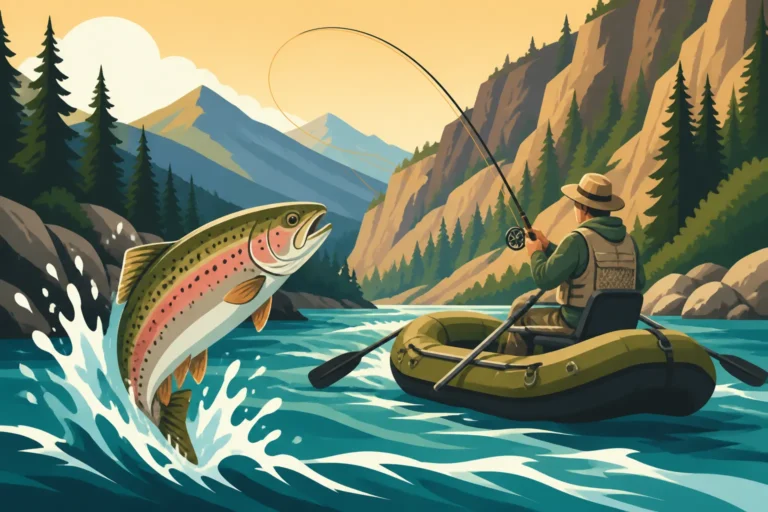
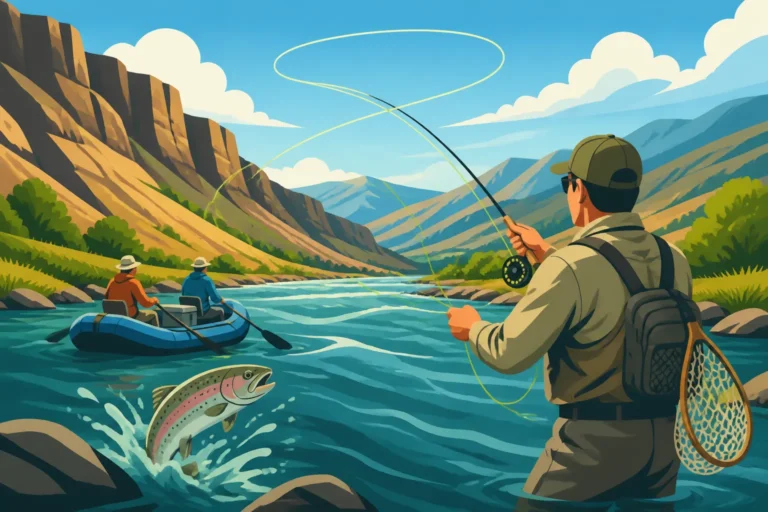
Guides in Last Chance typically offer both wade and drift boat trips. A drift boat allows access to miles of prime water that would be difficult or impossible to reach on foot. They expertly maneuver these boats, positioning you for optimal casting angles and drifts, saving you countless steps and allowing you to cover significantly more water. For wade fishing, they know the specific access points – some public, some requiring special permission – and which sections offer the best opportunities given current conditions and prevalent hatches. They can guide you safely through slippery wading conditions and point out the subtle holding lies that a novice would certainly overlook. This local insight and ability to navigate the complex hydraulics of the Henry's Fork can drastically improve your chances of success and enjoyment. You'll definitely want to understand the Public Access Points on the South Fork of the Snake River to compare and contrast access to Henry's Fork.
Expertise in Local Entomology and Techniques
Perhaps the most invaluable asset a Last Chance fly fishing guide possesses is their encyclopedic knowledge of local entomology. This isn't just about knowing what a Green Drake looks like; it's about understanding its full life cycle, when it hatches, where it hatches, how the trout feed on different stages, and critically, which artificial imitation truly fools these finicky fish. They carry boxes filled with hundreds of patterns, many of which are specific to the Henry's Fork and tied by local experts. They can observe a subtle rise, identify the feeding behavior, and immediately hand you the exact fly pattern, size, and even the tippet size necessary to present it effectively.
Beyond fly selection, guides are masters of presentation techniques tailored to the Henry's Fork's unique currents. Whether it's a precise upstream dry fly presentation, a deep nymphing rig designed to bounce along the bottom without snagging on weeds, or a strategic streamer retrieve, they understand the mechanics that get flies into the strike zone. They can help you refine your casting to achieve a drag-free drift in conflicting currents, a skill absolutely paramount on this river. Their ability to "read the water" – identifying prime lies, predicting current flows, and understanding how fish are feeding – is an art form developed over years, if not decades. This specialized knowledge is what allows you to truly engage with the river and its inhabitants, moving beyond mere casting to a genuine understanding of the aquatic world. Many guides are also experts on What Flies to Use on Henry's Fork in Summer.
Enhancing the Learning Experience
A guided trip on the Henry's Fork near Last Chance is far more than just being put on fish; it's an immersive educational experience. For beginners, a guide can lay a solid foundation, teaching the fundamentals of casting, knot tying, and basic stream etiquette in a real-world setting. They provide patient, hands-on instruction, correcting flaws in casting strokes and explaining why certain techniques are more effective. Imagine learning to present a delicate dry fly to a rising trout, with immediate feedback from an expert right by your side.
For experienced anglers, a guide offers the opportunity to refine advanced techniques, delve into the minutiae of fly selection for highly selective fish, and learn subtle presentation adjustments that can make all the difference. They can help you understand the nuances of reading incredibly complex currents, identifying subtle takes, and even teach you to tie some of the more effective local patterns. It's a chance to elevate your own skills by learning from someone who has mastered this challenging river. They can explain the specific feeding habits of Henry's Fork trout, the impact of weather changes, and how to adapt your strategy on the fly. This mentorship aspect is one of the most significant benefits of hiring a guide, providing insights and knowledge that you simply can't get from a book or a YouTube video. It truly enhances your overall angling prowess, not just for that specific day but for all your future fishing endeavors. If you're looking for more general learning, consider guides for Fly Fishing Lessons Available Through Idaho Guides.
What to Look for in a Last Chance Fly Fishing Guide
Choosing the right fly fishing guide in Last Chance is crucial, perhaps even more so than in other, less technical fisheries. The Henry's Fork is a beast that demands respect and deep understanding, and your guide should embody that. It's not just about finding someone with a boat; it's about finding a mentor, a teacher, and a passionate local expert who can unlock the river's secrets for you.
Experience and Reputation
When it comes to the Henry's Fork, experience isn't just a number; it's a testament to a guide's ability to consistently put clients on fish in often challenging conditions. Look for guides who have spent a significant portion of their career specifically on the Henry's Fork, particularly the Last Chance and Harriman sections. They should have a deep understanding of its ever-changing currents, seasonal hatches, and the notoriously selective trout. A guide with 10, 15, or even 20+ years on this specific river will have seen it all – high water, low water, prolific hatches, sparse hatches, and everything in between. They've developed an intuition for the river that simply can't be rushed.
Reputation goes hand-in-hand with experience. Don't be shy about doing your homework. Read online reviews on platforms where anglers share their experiences. Look for consistent praise regarding their knowledge, patience, teaching ability, and overall professionalism. Word-of-mouth is also huge in the fly fishing community; ask fellow anglers who have fished the Henry's Fork for their recommendations. A guide with a stellar reputation often has a loyal client base, which means you might need to book well in advance, but it's usually worth the effort. Reputable guides are often booked solid during prime seasons, so planning ahead is key. Websites like FishingBooker can offer a good starting point for researching and comparing guides, often including client testimonials and booking information. You'll want to avoid Red Flags to Watch for When Booking a Fishing Charter.
Specializations and Services Offered
Not all fly fishing guides are created equal, and many have developed specializations that might align perfectly with your fishing goals. Some guides are dry-fly purists, living for the challenge of matching the hatch on the glassy Henry's Fork. Others might be nymphing experts, adept at teaching you how to get flies deep into tricky currents without snagging. If you're interested in learning specific techniques, ask about their expertise. Some guides also offer multi-day trips, potentially combining different sections of the Henry's Fork or even exploring nearby waters like the South Fork of the Snake or the Teton River for variety.
It's also essential to clarify what services are included in the guide's fee. Most reputable guides will provide:
- Flies and Leaders: They'll have a vast selection of local patterns.
- Rods and Reels: High-quality loaner gear is often available if you don't want to travel with your own.
- Lunch and Drinks: A satisfying riverside lunch is a common inclusion for full-day trips.
- Instruction: Patience and expert teaching are par for the course.
- Transportation: From a pre-arranged meeting spot to the river and back.
Always confirm these details upfront to avoid any surprises. Some guides might also offer photography services or other unique additions. Make sure the guide's offerings align with the experience you're hoping for. A detailed discussion about What's Included in an Idaho Guided Fishing Trip can prevent misunderstandings.
Personality and Teaching Style
This might sound trivial, but the guide's personality and teaching style can make or break your trip. You'll be spending a full day, sometimes multiple days, in close quarters with this individual. Do you prefer a quiet, patient teacher who offers subtle suggestions, or someone more vocal and direct with their instruction? Some anglers thrive with constant feedback, while others prefer to figure things out with gentle nudges.
Consider your own experience level. If you're a beginner, a guide with a strong track record of teaching novices is invaluable. They'll have the patience to repeat instructions, break down complex concepts, and celebrate small victories. If you're an experienced angler looking to refine specific skills, you'll want a guide who can communicate advanced tactics and challenge you appropriately. Don't hesitate to have a phone conversation with potential guides before booking. This allows you to gauge their personality, ask specific questions about their approach, and ensure there's a good personal fit. A good guide doesn't just put you on fish; they make the entire experience enjoyable, educational, and inspiring. Understanding Questions to Ask Before Booking a Fishing Guide can help with this.
| Feature / Consideration | Beginner Angler | Experienced Angler | Key Benefit |
|---|---|---|---|
| Guide Experience | At least 5+ years on Henry's Fork. | 10+ years specifically on Henry's Fork. | Deep river knowledge, consistency. |
| Teaching Style | Patient, clear, hands-on, encouraging. | Technical, subtle, challenging, detailed. | Skill development tailored to level. |
| Specialization | Basic casting, knot tying, reading water. | Advanced dry fly, nymphing, specific hatches. | Focused learning on desired area. |
| Gear Provided | High-quality loaner rods/reels, all flies/leaders. | High-quality flies/leaders; may bring own gear. | Reduces personal gear burden, ensures correct tackle. |
| Trip Duration | Half-day or full-day for focused learning. | Full-day, multi-day, or specific "hatch" trips. | Maximize time on water, target specific events. |
| Booking Lead Time | 1-3 months in advance. | 6-12+ months for prime dates/guides. | Secure preferred dates, especially for peak season. |
Booking Your Fly Fishing Guide in Last Chance
Once you've done your research and have a few potential Last Chance fly fishing guides in mind, the next step is actually securing your trip. This involves more than just picking a date; it's about understanding the booking process, the financial aspects, and how to best prepare yourself for what promises to be an unforgettable day on the water.
When and How to Book
Timing is everything when it comes to booking a fly fishing guide in Last Chance, especially if you're targeting specific legendary hatches on the Henry's Fork. The prime season for the most famous hatches, like the Green Drakes and Salmonflies, can book up incredibly fast. It's not uncommon for top guides to be fully booked six months to a year in advance for these peak periods. If you have specific dates or a particular hatch in mind, start planning early – sometimes immediately after your previous trip, or as soon as you know your travel plans for the following year.
For shoulder seasons or less popular times, you might have more flexibility, but it's still wise to book at least 2-3 months out. Winter trips, while less common, also require advance booking if you find a guide willing to brave the colder weather.
Booking methods vary. Many independent guides prefer direct contact via phone or email, allowing for a personalized conversation about your expectations and their availability. Local fly shops and outfitters in the Island Park or Ashton area often employ a team of guides and can help match you with the right person and date. Online platforms, such as FishingBooker, can also be a convenient way to browse available guides, compare reviews, and manage bookings, often offering secure payment processing and clear communication tools. Regardless of the method, always get a confirmation in writing, detailing the date, time, cost, and any specific arrangements. How Far in Advance to Book a Henry's Fork Fishing Guide can give you an edge in securing your preferred dates.
Understanding Guide Costs and What's Included
The cost of a fly fishing guide in Last Chance reflects their specialized expertise, the high demand for their services on world-class waters, and the significant operational expenses involved. While specific figures can vary, you should expect a range of costs depending on the duration of the trip (half-day vs. full-day), the number of anglers, and whether it's a wade or drift boat trip. Multi-day packages will naturally be more expensive but often come with slight per-day discounts.
Typically, a full-day guided trip on the Henry's Fork will include:
- Guide's Time and Expertise: This is the core of the service, encompassing their knowledge of the river, entomology, and teaching skills.
- Flies, Leaders, and Tippet: Guides carry a vast array of patterns and the consumables needed for the day.
- High-Quality Gear: Most guides provide rods, reels, and waders if you need them.
- Lunch and Non-Alcoholic Beverages: A hearty lunch and drinks are standard for full-day trips.
- Transportation: From a designated meeting point to the river access and back.
It's crucial to confirm what is not included. Your Idaho fishing license and any necessary permits (like an Access and Depredation Fee if applicable) are always your responsibility. Gratuity for the guide is also customary and is rarely included in the upfront price; it's a way to acknowledge their hard work and dedication. Some guides might also expect you to bring your own personal items like sunscreen, sunglasses, and appropriate layered clothing. What a Full-Day Idaho Fishing Trip Typically Costs offers a broader view, but Henry's Fork guiding often falls on the higher end due to its reputation.
Preparing for Your Guided Trip
Preparation can significantly enhance your guided fly fishing experience on the Henry's Fork. This isn't just about packing the right gear; it's also about mental readiness and understanding the unique demands of the river.
Physical Preparation: While fly fishing isn't usually a marathon, a day on the Henry's Fork can involve wading in strong currents, walking along riverbanks, and repeated casting. Being in reasonably good physical shape will allow you to focus on the fishing rather than fatigue.
Essential Gear to Bring:
- Idaho Fishing License: Purchase this beforehand! You can often do this How to Buy an Idaho Fishing License Online.
- Layered Clothing: Idaho weather can change quickly. Bring layers, including rain gear, even if the forecast looks clear.
- Hat and Polarized Sunglasses: Essential for sun protection and spotting fish.
- Sunscreen and Lip Balm: Protect yourself from the high-altitude sun.
- Waders and Wading Boots: If you have your own and prefer them, otherwise, the guide can often provide them.
- Camera: To capture those memorable moments (but prioritize fishing!).
- Personal Medications: Any prescriptions you need.
- Cash for Gratuity: A crucial detail not to forget.
Mental Preparation: Be open to learning and adapting. The Henry's Fork is a challenging fishery, and there will be moments of frustration. Trust your guide's expertise and listen to their advice. They want you to succeed and have a great time. Understand that sometimes, even with the best guide, the fish might not cooperate – that's fishing! Embrace the process, the beautiful surroundings, and the opportunity to learn from a true expert. Coming in with a positive attitude and a willingness to engage will make the experience far more rewarding for everyone involved. For a more general overview, consider What to Bring on a Guided Idaho Fishing Trip.
Maximizing Your Last Chance Fly Fishing Experience
A guided trip on the Henry's Fork near Last Chance is a significant investment, not just of money but of your precious time. To truly get the most out of it, there are a few extra considerations that can turn a great day into an absolutely unforgettable one. It's about looking beyond just the fish and embracing the entire experience, from the surrounding landscape to the etiquette of the sport.
Beyond the Henry's Fork: Exploring Nearby Waters
While the Henry's Fork is undoubtedly the star attraction around Last Chance, Idaho is teeming with incredible fishing opportunities. Don't feel like your entire trip has to be confined to one stretch of river, especially if you're staying for multiple days. Many guides who operate on the Henry's Fork also have extensive knowledge of, and permits for, other nearby blue-ribbon fisheries. This can offer a fantastic change of pace and a chance to experience different types of water and target different species.
For instance, the South Fork of the Snake River is a world-class trout fishery known for its healthy populations of cutthroat and rainbow trout, often fished from drift boats. It offers different challenges and scenery than the Henry's Fork. Similarly, the Teton River, while also technical, has its own unique charm and hatches. If the Henry's Fork is proving particularly tough, or if you simply want a diverse angling experience, ask your guide about the possibility of exploring these other waters. Sometimes a break from the intense selectivity of the Henry's Fork can be refreshing, allowing you to simply enjoy catching fish on a less pressured stream. A diversified approach can lead to a more well-rounded and memorable Idaho fishing adventure. Many guides are well-versed in Best Guided Trips for the South Fork of the Snake River.
Etiquette and Responsible Angling
Fly fishing, especially on revered waters like the Henry's Fork, comes with an unwritten code of conduct that every angler should adhere to. Your guide will undoubtedly emphasize these points, but being aware beforehand shows respect for the resource, other anglers, and your guide.
- Respect Private Property: Much of the prime water around Last Chance is bordered by private land. Your guide knows the specific access points and boundaries. Always follow their lead and never trespass.
- Wading Etiquette: When wading, avoid kicking up silt unnecessarily, which can obscure visibility for other anglers and disturb fish. Give other anglers ample space – a general rule of thumb is to stay out of casting range, which can be 100 yards or more in some situations.
- Catch-and-Release: While regulations vary, the Henry's Fork is largely a catch-and-release fishery, especially for its wild trout. Handle fish minimally, keep them in the water as much as possible, and use barbless hooks to ensure their survival. Your guide will demonstrate proper fish handling techniques.
- Leave No Trace: Pack out everything you pack in, including all trash, broken leader, and tippet scraps. Leave the riverbank and water cleaner than you found it.
- Listen to Your Guide: Your guide is the expert. Trust their advice on fly choice, presentation, and where to cast, even if it differs from what you might typically do. Their goal is your success and enjoyment.
Adhering to these principles not only ensures a pleasant experience for everyone but also contributes to the long-term health and pristine nature of the Henry's Fork ecosystem. It's about being a steward of this incredible resource. Idaho Fishing Rules for Group Trips and Charters often touch on these points.
Post-Trip Reflection and Continued Learning
The learning doesn't stop when you step out of the boat or off the riverbank. A truly successful guided trip provides lessons that extend far beyond the day itself. Take some time after your trip to reflect on what you learned.
- Debrief with Your Guide: Ask questions about why certain flies worked, why certain presentations were necessary, and how the weather or water conditions impacted the fishing. This conversation can solidify your understanding.
- Review Your Notes: If you kept a fishing journal (and you should!), review your entries about successful patterns, techniques, and observations from the day.
- Practice New Skills: Don't let new casting techniques or knot-tying methods fade away. Practice them on your local waters or even in your backyard.
- Plan Your Next Adventure: The Henry's Fork is a river that calls you back. Use the knowledge gained to start thinking about your next trip, perhaps targeting a different hatch or exploring a new section of the river.
The experience of fly fishing the Henry's Fork with a skilled guide from Last Chance is an opportunity for profound growth as an angler. Embrace the challenges, celebrate the successes, and carry the lessons learned forward. You'll not only become a more capable fly fisher but also deepen your appreciation for one of Idaho's most treasured natural wonders. It's a journey of continuous improvement, and a good guide can be an invaluable partner on that path. Consider exploring topics like Best Beginner Technique for Catching Your First Idaho Trout to reinforce learned skills.
Disclaimer
This article is for general informational purposes only and does not constitute professional advice. Laws, prices and regulations vary by location and change over time. Consult a qualified professional for guidance on your specific situation.