Best Fish to Target with Kids
Trying to introduce your kids to the magic of fishing can feel like a daunting task. You've got visions of serene family moments, but the reality often involves tangled lines, short attention spans, and questions about when you can actually catch something. This guide is here to cut through the frustration and help you discover the best fish species in Idaho that are genuinely fun and forgiving for young anglers, ensuring those fishing trips are filled with more smiles than snags.
Why Fishing with Kids is a Game Changer (and Sometimes a Challenge!)
There's something incredibly special about seeing a child's face light up when they feel that first tug on their line. It’s a primal connection to nature, a lesson in patience, and a thrill of discovery all rolled into one. However, we've all been there – the sun is hot, the fish aren't biting, and suddenly your perfectly planned family outing devolves into complaints about boredom and requests for snacks. It's a fine line between creating cherished memories and feeling like you're herding cats with fishing poles.
The Joy (and Reality) of Family Fishing Trips
Let's be real: fishing with kids isn't always the peaceful, picturesque scene you see on postcards. There will be tantrums, tangles, and probably a few worms accidentally dropped down a shirt. But beneath the chaos, there's immense value. Fishing teaches kids about the environment, the food chain, and the importance of conservation. It builds hand-eye coordination, develops patience (eventually!), and fosters a sense of accomplishment. Plus, it's a fantastic excuse to get outdoors, away from screens, and truly connect as a family.
The trick is managing expectations – both yours and theirs. Don't go into it expecting to land a trophy fish or for your child to sit silently for hours. Instead, focus on the experience: skipping rocks, watching dragonflies, and celebrating even the smallest nibbles. A successful trip might just mean a few laughs, a hot dog cooked over a campfire, and a promise to try again, even if no fish make it to the net. It's about building a foundation of positive outdoor experiences, one tangled line at a time.
What Makes a Fish "Kid-Friendly"?
So, what exactly defines a "kid-friendly" fish here in Idaho? It's not necessarily the biggest or the most glamorous. For young anglers, especially beginners, the key is consistency and action. Kids thrive on immediate gratification, and nothing sours a fishing trip faster than hours of staring at a motionless bobber.
Here are the critical characteristics that make a fish species ideal for kids:
- Abundance: You want fish that are plentiful in the waters you're targeting. The more fish, the higher the chances of a bite. Idaho Fish and Game does a fantastic job of stocking many lakes and ponds specifically for this purpose. You can often find Idaho Fish Stocking Reports Explained to plan your trip.
- Aggressive Biters: These are fish that aren't too picky. They'll often strike at common baits like worms or corn, and they aren't spooked by a little splashing or clumsy casting.
- Manageable Size: While a huge fish is exciting, it can be overwhelming for a child to reel in. Smaller, pan-sized fish are perfect because they offer a good fight without being too difficult to land. This builds confidence and skill.
- Easy to Locate: Species that hang out in shallower waters or near accessible shorelines are much easier to target with kids than those requiring deep water or specialized boat techniques.
- Relatively Simple Gear: The less complicated the setup, the better. Kids benefit from basic rod and reel combos and straightforward bait presentations.
Finding a fish that checks these boxes is paramount to ensuring your child has a positive, engaging experience that will make them want to come back for more.
Top Idaho Fish Species for Young Anglers
Idaho is blessed with an incredible diversity of fish, but when you're fishing with kids, some species definitely stand out as the MVPs of the family outing. These are the fish that are most likely to provide consistent action and memorable moments without requiring advanced techniques or expensive gear.
Panfish: The Ultimate Confidence Builder (Perch, Bluegill, Crappie)
If you want to guarantee smiles and squeals of delight, panfish are your go-to. This category includes yellow perch, bluegill, and crappie – all small, feisty, and incredibly abundant in many of Idaho's lakes, ponds, and reservoirs. They're often found in schools, meaning if you catch one, there's a good chance you'll catch more!
- Yellow Perch: These striped beauties are arguably the king of kid-friendly fishing. They're found in nearly every sizable body of water across Idaho, from Fishing Lake Coeur d'Alene for Kokanee and Chinook to Fishing Cascade Reservoir for Tiger Muskie and Perch and smaller local ponds. Perch love to hang out in submerged vegetation, around docks, or near drop-offs in relatively shallow water. They bite aggressively on small pieces of worm, corn, or even tiny jigs. Their eager bites and firm tugs on the line are incredibly exciting for kids. You can often jig for them or use a simple bobber setup.
- Bluegill: While perhaps not as widespread as perch in Idaho, bluegill are found in many warmer ponds and slow-moving river backwaters. They are classic sunfish – round-bodied, colorful, and notorious for their willingness to bite. They're often found close to shore, making them perfect for bank fishing. A tiny hook baited with a piece of worm, corn, or even bread will usually do the trick. They don't get very big, but their aggressive nature makes them a blast for small hands.
- Crappie: Both black and white crappie are present in Idaho, thriving in many reservoirs and slower rivers. Like perch, they school up and are known for their paper-thin mouths (hence the name "crappie"). They love structure – submerged trees, brush piles, or old docks. Crappie will readily hit small jigs, tiny spinners, or minnows under a bobber. They offer a slightly larger, but still manageable, fight for kids, making them a great next step up from perch or bluegill.
For all panfish, a simple spinning rod and reel combo is perfect. You can find excellent, durable kid-sized rods and reels on platforms like Amazon that are designed to withstand a bit of rough handling. Look for brightly colored options to make it extra fun!
Rainbow Trout: Classic Idaho Fun
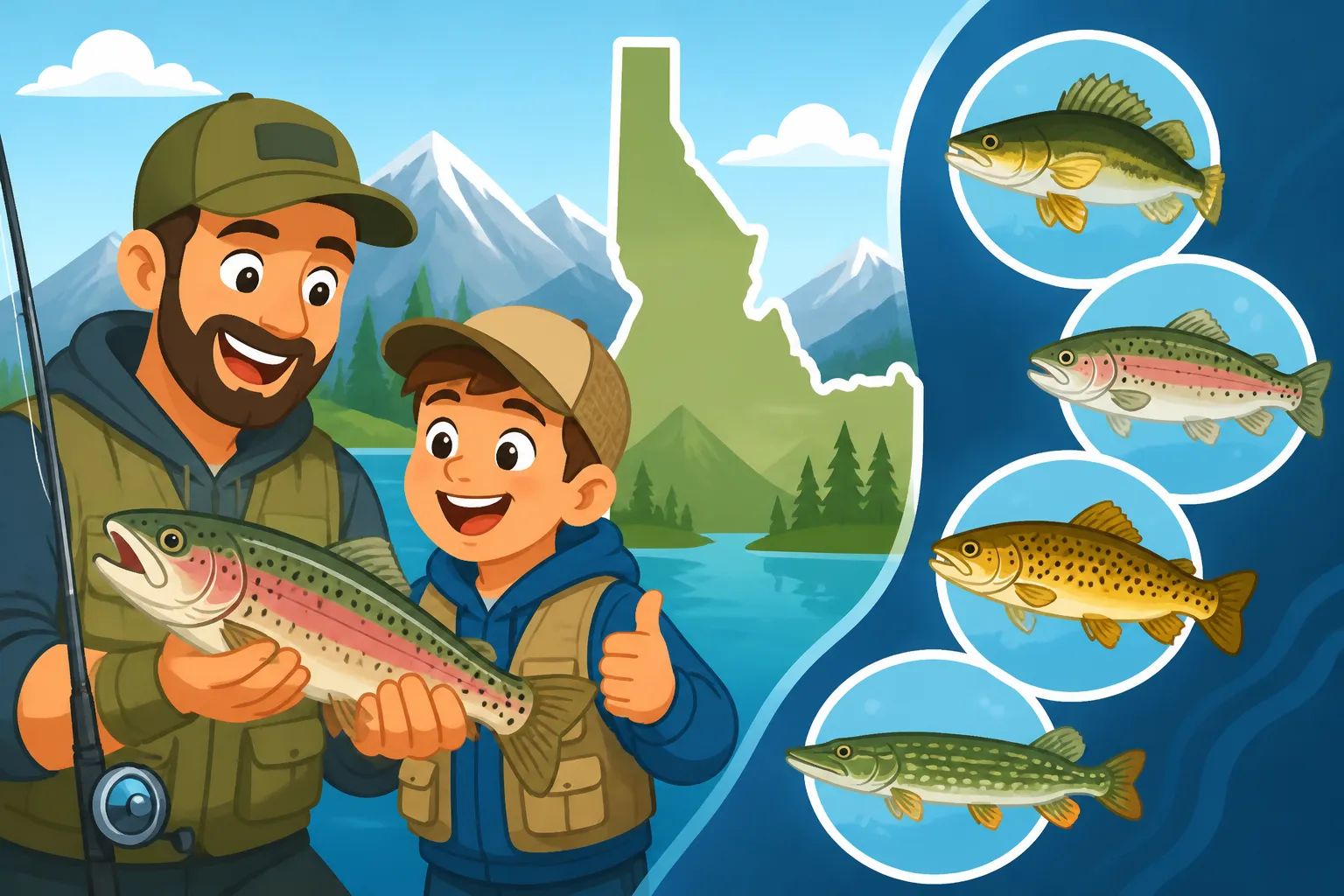
When most people think of fishing in Idaho, they often think of trout, and for good reason! Rainbow trout are Idaho's most widely distributed and frequently stocked game fish, making them an excellent target for families. Idaho Fish and Game works hard to ensure that many urban ponds, community fishing spots, and accessible lakes are regularly stocked with catchable rainbow trout. This means high success rates for beginners.
Rainbows are beautiful fish, often sporting a vibrant pink or red stripe along their sides. They put up a decent fight for their size, providing a thrilling experience without being too overwhelming for kids. They can be found in virtually all types of water, from small streams and rivers to large lakes and reservoirs. Many of these waters are year-round fishing spots, which means you can usually find trout even outside of the warmer months.
- Where to Find Them: Look for lakes and ponds marked as "stocked" by Idaho Fish and Game. Many city parks and community ponds are specifically managed for family fishing. Rivers like portions of the Boise River through town or smaller tributaries can also hold good numbers of rainbows. You might even explore Fishing Ponds and Streams in the Boise National Forest.
- Simple Techniques: Rainbow trout are not usually picky eaters, especially the hatchery-reared ones. A simple slip bobber rig with a worm, PowerBait, or corn fished off the bottom is incredibly effective. Small spinners or spoons can also be exciting for kids who are learning to cast and retrieve. Remember to check local regulations for bait restrictions, as some special regulation waters might be "flies and lures only."
- Gear: A lightweight spinning rod with 4-6 lb test line is ideal. A small tackle box containing various hooks, sinkers, bobbers, and a few different colors of PowerBait is a great starter kit. You can easily assemble a comprehensive, affordable beginner tackle box from items available on Amazon, including pre-rigged bobber kits. Best Lures for Idaho Trout Fishing can offer some ideas too.
Bass: For the Slightly More Adventurous Crew (Smallmouth, Largemouth)
Once your kids have mastered panfish and a few trout, and they're ready for a bit more challenge and excitement, bass fishing is a fantastic next step. Idaho is home to both smallmouth and largemouth bass, and both are known for their aggressive strikes and powerful fights. Catching a bass often feels like a real accomplishment, making it incredibly rewarding for older kids or those with a bit more experience.
- Smallmouth Bass: Known for their bronze color and feisty attitude, smallmouth bass thrive in many of Idaho's rivers and larger reservoirs, especially those with rocky bottoms. The Snake River, for example, is famous for its smallmouth population. They are incredibly strong fighters for their size, often jumping and pulling hard. This makes for an exhilarating experience. Fishing the Snake River for Smallmouth Bass and Sturgeon is a good option to research.
- Largemouth Bass: These iconic green fish prefer warmer, weedy waters, often found in smaller lakes, ponds, and the shallow, calmer bays of larger reservoirs. They are ambush predators and will often strike with incredible force. Catching a largemouth can be a real thrill for a child, as they often hit artificial lures with an impressive splash.
- Where to Find Them: For smallmouth, focus on rocky river stretches and reservoir points. For largemouth, look for areas with lily pads, submerged timber, and heavy cover in warmer lakes and ponds. Best Idaho Lakes for Largemouth Bass would be a great resource.
- Techniques: While bass can be caught on worms, they're often more responsive to artificial lures like plastic worms, spinnerbaits, or crankbaits. For kids, starting with a simple spinnerbait or a soft plastic worm rigged Texas-style (weedless) can be effective and teach them retrieval techniques. The key is to cast near cover and retrieve slowly.
- Gear: A slightly heavier spinning rod than what you'd use for trout, paired with 6-8 lb test line, is suitable. You might consider a medium-light or medium action rod to handle the stronger fight of a bass. Amazon offers great options for combo kits that are a step up in power from typical kid-sized trout setups, but still easy to use.
Gear, Locations, and Techniques for Success
Success in fishing with kids isn't about expensive gear or secret spots; it's about simplicity, safety, and setting realistic expectations. The right tools and approach can make all the difference between a frustrating outing and a cherished memory.
Essential Kid-Friendly Fishing Gear (and where to find it)
Don't overcomplicate it! Kids don't need fancy, high-tech equipment. In fact, simpler is often better to avoid tangles and frustration.
- Rod and Reel Combos: Start with a spincast rod and reel combo. These are incredibly easy for young children to use, with a simple push-button casting mechanism. Look for shorter rods (around 4-5 feet) as they are easier for small hands to manage. Many brands offer durable, brightly colored kid-specific combos. Once they've mastered spincast, they can graduate to a lightweight spinning combo, which offers more versatility.
- Line: Stick with 6 lb monofilament line for most kid-friendly fishing. It's strong enough for panfish and trout, forgiving of tangles, and easy to tie knots with.
- Hooks: Small, sharp hooks are key. Size 6 or 8 bait holder hooks are perfect for worms and PowerBait, ensuring better hook-ups with smaller mouths. Consider barbless hooks for easier release and safety, especially if you're practicing catch-and-release. Idaho Barbless Hook Requirements apply for some species like sturgeon.
- Bobbers: These are essential for visual excitement! Slip bobbers are great for fishing at specific depths, but a simple clip-on red and white bobber is perfect for most shallow water situations with kids. They love watching it dip and dance.
- Sinkers/Weights: A small assortment of split shot weights will help get your bait down to the fish. Make sure they are easy to pinch on and remove.
- Bait: Live worms (nightcrawlers cut into pieces) are universally effective and fascinating for kids. Other great options include canned corn, marshmallow pieces, and dough baits like PowerBait (especially for stocked trout).
- Tackle Box: A small, easy-to-open tackle box is great for keeping everything organized. You can find some fantastic, affordable starter kits on Amazon that come with a basic selection of hooks, weights, and bobbers.
- Essentials: Don't forget a small pair of pliers or a hook remover (for safety!), a small cooler with snacks and drinks, sunscreen, hats, bug spray, and a small net. A five-gallon bucket can double as a seat and a place to hold any fish you decide to keep.
Best Spots for Family Fishing in Idaho
Idaho boasts an incredible array of fishing locations, but when fishing with kids, accessibility and reliability are paramount. You want spots that offer easy bank access, safe environments, and a good chance of catching fish.
- Community Ponds and Stocked Lakes: These are, hands down, the best starting points. Idaho Fish and Game actively manages and stocks dozens of community ponds and small lakes specifically to provide easy fishing opportunities for families. They often have paved paths, picnic areas, and restrooms, making the logistics much simpler. Check the Idaho Fish and Game website for "Family Fishing Waters" near you. These waters are often heavily stocked with rainbow trout and also hold panfish.
- Accessible River Sections: Some stretches of Idaho's rivers, especially those that flow through towns or parks, offer good bank fishing. The Boise River Greenbelt, for instance, has numerous accessible spots. Look for slower-moving sections or eddies where fish might congregate. Just be mindful of current and water levels.
- Reservoirs with Easy Access: Larger reservoirs like Fishing Lucky Peak Reservoir Near Boise or Fishing Lake Lowell Near Nampa can be great, especially in areas with developed boat ramps or public parks along the shore. Focus on coves or calmer sections where you can cast easily from the bank. These often hold a mix of trout, bass, and panfish.
- Private Property (with permission): If you're lucky enough to know someone with a private pond, these can be phenomenal for kids as they are often teeming with panfish or bass and offer a very safe, controlled environment. Remember, Do You Need a License to Fish on Private Property in Idaho? – generally, yes, unless it's a completely enclosed pond with no inlets/outlets connected to public waters. It's always best to check.
Simple Techniques That Actually Work for Kids
Keep it simple, keep it fun! Overly complicated rigs or advanced casting techniques will only lead to frustration for young anglers.
- Bobber Fishing: This is the gold standard for kids.
- Attach the Bobber: Clip it onto your line a foot or two above your hook.
- Add Weight: Pinch a small split shot weight or two a few inches above the hook to help the bait sink.
- Bait the Hook: Thread a piece of worm, corn, or PowerBait onto the hook, making sure the point is covered.
- Cast (or Drop!): For very young kids, simply dropping the line straight down near the bank or a dock can be effective. Older kids can practice a simple overhand cast.
- Watch the Bobber: The excitement comes from watching the bobber dance and then disappear under the water when a fish bites!
- Bottom Fishing (without a bobber): This is great for trout and some panfish that prefer to feed closer to the lake or river bottom.
- Tie on a Swivel: Add a small swivel to your main line.
- Add a Leader and Hook: Tie a short leader (1-2 feet) of lighter line to the other end of the swivel, and then tie your hook to the end of the leader.
- Add a Sliding Sinker: Thread an egg sinker or a small walking sinker onto your main line above the swivel. This allows the fish to pull the bait without feeling the weight of the sinker immediately.
- Bait Up: Use PowerBait, a worm, or a chunk of marshmallow.
- Cast and Wait: Cast it out and let it sink to the bottom. Keep a watchful eye on your rod tip for any twitching or bending.
- Lure Casting (for older kids): Once they've got the hang of casting, small spinners or spoons are fantastic for bass and trout.
- Tie on a Lure: Choose a small, brightly colored spinner or spoon.
- Cast and Retrieve: Teach them to cast out and slowly reel in, keeping the rod tip up. The lure's action will attract fish. This is where Best Lures for Idaho Trout Fishing or Best Lures for River Smallmouth Bass might give you some ideas.
No matter the technique, remember to emphasize gentle handling of fish and proper catch-and-release practices if you're not keeping your catch. This is a great opportunity to teach respect for wildlife and conservation.
Here’s a quick overview of some excellent kid-friendly fish:
| Fish Species | Typical Size for Kids (Idaho) | Ease of Catch | Common Habitats | Best Kid-Friendly Baits/Lures |
|---|---|---|---|---|
| Yellow Perch | 6-10 inches | Very Easy | Lakes, reservoirs, ponds, shallow areas | Worms (pieces), small jigs, corn |
| Bluegill | 4-7 inches | Very Easy | Ponds, slow backwaters, docks, vegetation | Worms (tiny pieces), corn, bread |
| Crappie | 8-12 inches | Easy | Reservoirs, slow rivers, brush piles, docks | Small jigs, minnows (under bobber), worms |
| Rainbow Trout | 10-16 inches (stocked) | Easy | Stocked ponds, lakes, rivers, streams | PowerBait, worms, corn, small spinners |
| Smallmouth Bass | 10-15 inches | Medium | Rivers (rocky), reservoirs (rocky points) | Worms, small spinnerbaits, soft plastics |
| Largemouth Bass | 12-18 inches | Medium | Weedy lakes, ponds, shallow reservoir coves | Worms, plastic worms, small crankbaits |
Disclaimer
This article is for general informational purposes only and does not constitute professional advice. Laws, prices and regulations vary by location and change over time. Consult a qualified professional for guidance on your specific situation.