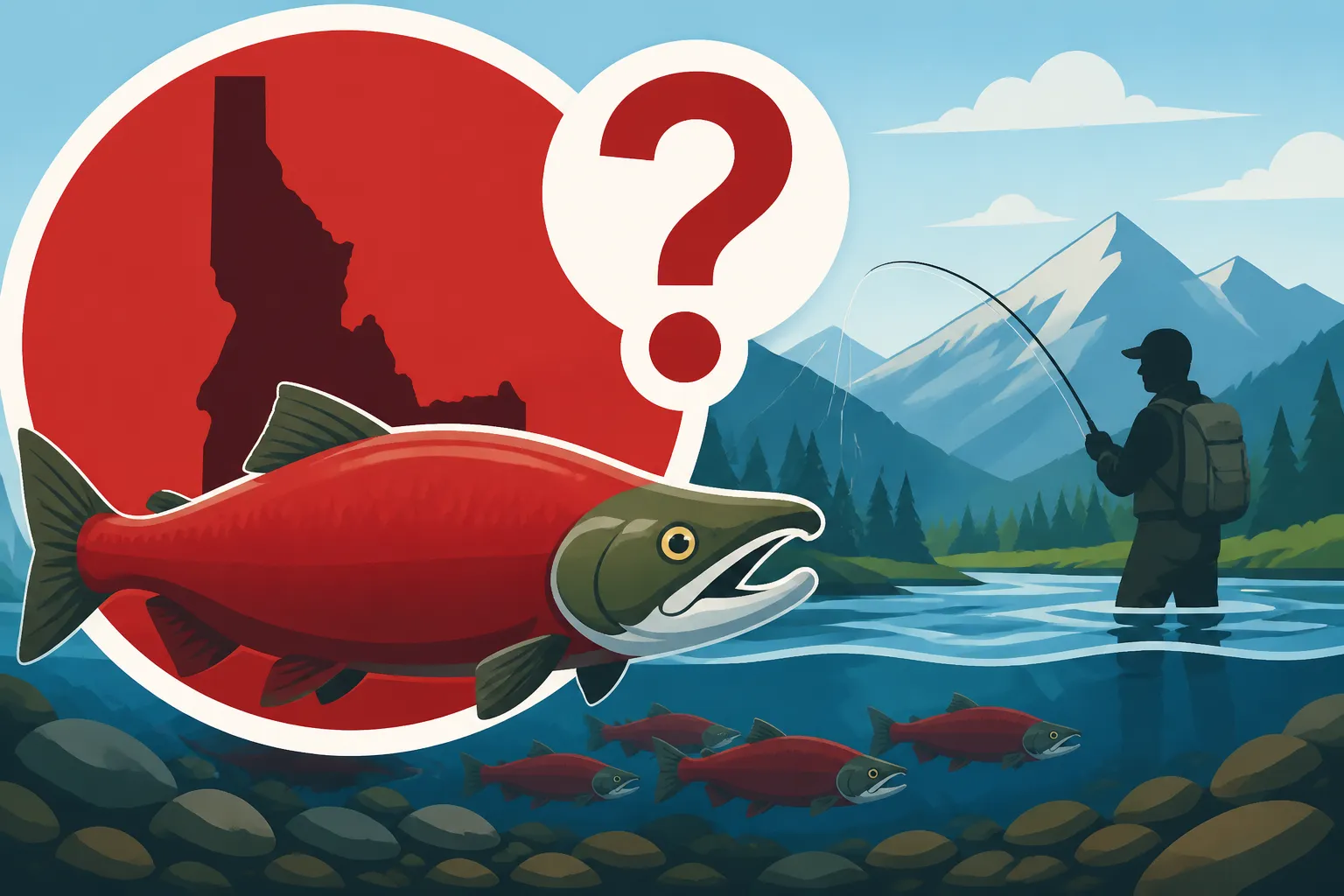
Are Idaho’s Sockeye Salmon Endangered?
Many Idahoans wonder about the health of our iconic fish species, and few evoke more concern and passion than the Sockeye salmon. It’s disheartening to think that such a vital part of our natural heritage could be on the brink, and it brings up a lot of questions about their survival. This guide aims to thoroughly explore the current status of Idaho's Sockeye salmon, delving into their incredible journey, the challenges they face, and the dedicated efforts underway to ensure their future in the Gem State.
The Iconic Idaho Sockeye: A Journey Through History and Ecology
The Sockeye salmon holds a special place in the heart of Idaho, representing not just a fish, but a symbol of wildness and resilience against incredible odds. Their story is one of epic proportions, intertwined with the very essence of our state's waterways and the cultural fabric of its earliest inhabitants.
From Ocean to High Mountain Lakes: The Incredible Migration
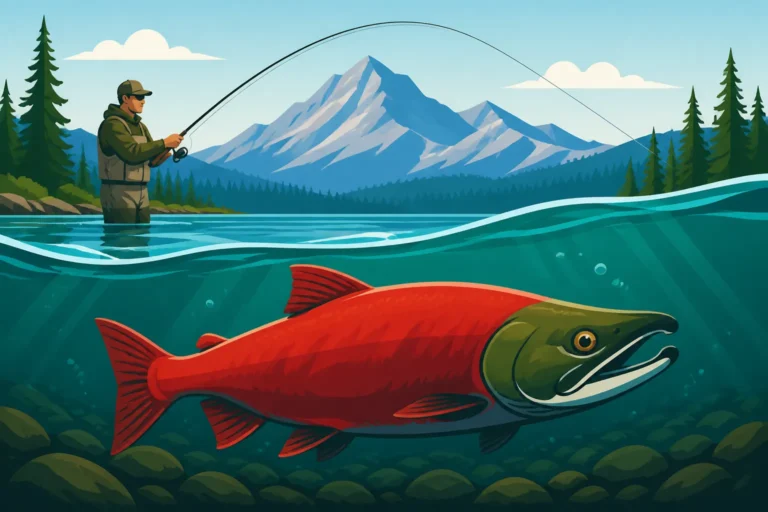
Imagine a tiny smolt, just a few inches long, embarking on a journey of thousands of miles, navigating treacherous rivers, and facing countless obstacles, all to return to the precise freshwater stream where it was born to spawn. This is the incredible life cycle of the anadromous Sockeye salmon. Historically, these magnificent fish would travel from the Pacific Ocean, up the Columbia River, and then into the Snake River system, eventually reaching the crystal-clear, glacier-carved lakes of central Idaho, primarily Redfish Lake in the Sawtooth National Recreation Area.
This migration isn't just a long swim; it's a test of endurance against strong currents, predators, and rapidly changing environments. The Sockeye’s bright red spawning colors, which develop as they near their natal waters, are a striking visual testament to the energy and commitment they put into this final leg of their journey. Unlike other salmon species, Sockeye are primarily plankton feeders, giving their flesh its characteristic rich, red color and making them a unique component of the aquatic food chain. Their journey is truly one of the most remarkable feats in the animal kingdom, connecting Idaho's high mountain wilderness directly to the vast Pacific Ocean. Understanding How Far Idaho's Sockeye Salmon Travel from the Ocean really puts their struggle into perspective.
A Critical Part of the Ecosystem and Culture
Beyond their individual stories of survival, Idaho's Sockeye salmon play a vital role in the broader ecosystem and possess deep cultural significance. As they migrate and eventually spawn, their bodies provide essential nutrients from the ocean back to the otherwise nutrient-poor freshwater systems of Idaho. This nutrient transfer supports aquatic insects, other fish species, and even terrestrial wildlife like bears and eagles, enriching the entire watershed. They are, in essence, a moving nutrient delivery system, keeping the high mountain lakes and rivers healthy and vibrant.
Culturally, Sockeye salmon have been a cornerstone for indigenous peoples for millennia. Tribes like the Shoshone-Bannock have long relied on salmon for sustenance, spiritual practices, and cultural identity. The annual salmon run was a time for gathering, celebration, and resource management. The dramatic decline of Sockeye has left a profound void, not just in the ecosystem but also in the cultural continuity of these communities. For many Idahoans today, the Sockeye represent a connection to a wilder past, a symbol of everything that makes our state special. This also ties into the broader discussion of Idaho Fish Species Guide and which species are native to our waters.
Facing the Brink: The Endangered Status of Idaho's Sockeye Salmon
The question of "Are Idaho's Sockeye Salmon Endangered?" is met with a resounding and unfortunate "yes." Their numbers have plummeted dramatically over the last century, pushing them to the edge of extinction. Understanding the reasons behind this decline is crucial to appreciating the immense challenges and the ongoing, complex recovery efforts.
The Damming Legacy: Major Hurdles to Survival
Perhaps the most significant factor in the Sockeye's decline has been the construction of numerous hydroelectric dams on the Columbia and Snake Rivers. While these dams provide essential power, they have created formidable, often insurmountable, barriers for migrating salmon. Think about it: a fish that evolved to swim freely up a flowing river now faces a series of concrete walls, each with fish ladders that, while designed to help, are far from perfect.
The impact isn't just about physical blockage. Dams alter water temperatures, create slackwater reservoirs where predators thrive, and increase the time it takes for young smolts to migrate downstream to the ocean, making them more vulnerable. What used to be a relatively quick journey for millions of fish became a gauntlet of delays and dangers, drastically reducing survival rates. The cumulative effect of multiple dams has been catastrophic for Idaho's anadromous salmon species, including the Sockeye, Chinook, and Steelhead.
The Official Designation and Its Implications
Given these severe challenges, it's no surprise that Idaho's Sockeye salmon are officially listed as "Endangered" under the U.S. Endangered Species Act (ESA). This designation is not given lightly; it signifies that the species is in danger of extinction throughout all or a significant portion of its range. For the Idaho Sockeye, this means they are considered critically imperiled.
The ESA listing triggers significant protective measures. It mandates that federal agencies avoid authorizing, funding, or carrying out any actions that would jeopardize the continued existence of the Sockeye or adversely modify their critical habitat. This means that any project impacting the Columbia or Snake River system must now consider its potential effect on Sockeye. Furthermore, it initiates and funds recovery plans, fostering a dedicated, multi-agency effort to bring the species back from the brink. This legal protection is a powerful tool, but the scale of the challenge remains immense.
The Numbers Game: Why So Few Remain
The stark reality of the Sockeye's situation is best illustrated by their numbers. Historically, hundreds of thousands of Sockeye salmon returned to the Snake River basin. By the 1990s, returns to Redfish Lake, their primary spawning ground in Idaho, sometimes dipped to single digits. Imagine that: only a handful of fish making that epic journey. It’s truly heartbreaking.
Fishery managers meticulously count the returning Sockeye, often using traps at fish ladders or visually identifying them in their spawning areas. These counts, though small, are critical indicators of the health of the population and the success of recovery efforts. The low numbers mean that every single returning fish is incredibly valuable, both for its genetic contribution to future generations and as a symbol of hope. The efforts to augment these numbers are central to the recovery strategy, with every fish representing a hard-won victory.
Turning the Tide: Dedicated Efforts to Bring Sockeye Back
While the challenges facing Idaho's Sockeye salmon are daunting, there's a profound commitment to bringing them back. It's a long, arduous road, but thanks to innovative programs, habitat improvements, and broad collaboration, there are rays of hope.
Innovative Hatchery Programs and Genetic Preservation
One of the most critical components of Sockeye recovery has been the development of sophisticated hatchery programs, particularly the captive broodstock program run by the Idaho Department of Fish and Game. This program involves collecting a small number of returning adult Sockeye, bringing them into a hatchery setting, and carefully breeding them. Their offspring are then raised in a protected environment before being released as smolts back into Idaho's waters.
The goal of this program is twofold: to supplement the critically low wild population and to preserve the genetic diversity of Idaho's unique Sockeye strain. By maintaining a genetically robust captive population, biologists can ensure that even if wild returns are minimal, the species doesn't completely disappear. These hatcheries also conduct crucial research into Sockeye biology and survival, helping to refine release strategies and improve the chances of successful migration. It's an incredibly complex and resource-intensive undertaking, but it's proving vital.
Restoring Habitats and Improving Fish Passage
Beyond the hatcheries, significant efforts are focused on improving the Sockeye's journey through their natural habitats. This includes modifying existing dams to enhance fish passage, making fish ladders more efficient, and implementing innovative technologies like "fish slides" or specialized transport systems to help smolts bypass the turbines. On a smaller scale, habitat restoration projects are underway in spawning and rearing areas within Idaho. This involves improving water quality, restoring natural stream morphology, and planting vegetation to stabilize banks and provide shade. These efforts create more hospitable environments for both juvenile and adult Sockeye. For any angler, knowing the basics of Idaho Fishing Regulations Explained and where you can or cannot fish for certain species is important, as these restoration areas are often protected.
Collaborative Conservation: A Shared Responsibility
The scale of Sockeye recovery demands a truly collaborative approach. It's not a job for one agency or one state. Federal agencies, like the National Oceanic and Atmospheric Administration (NOAA) Fisheries, work hand-in-hand with state agencies, notably the Idaho Department of Fish and Game. Native American tribes, whose ancestral lands and waters are intrinsically linked to salmon, are also key partners, bringing invaluable traditional ecological knowledge and a deep commitment to the species.
Numerous non-profit organizations and conservation groups also contribute, advocating for policy changes, raising public awareness, and funding critical research and restoration projects. This shared responsibility highlights the understanding that the fate of Idaho's Sockeye salmon is a collective endeavor, requiring sustained effort and resources from a diverse group of stakeholders.
Here's a quick look at some of the challenges and ongoing solutions:
| Challenge Area | Specific Issue | Conservation Response |
|---|---|---|
| Migration Barriers | Numerous hydroelectric dams on the Snake/Columbia | Improved fish ladders, fish passage systems, bypass routes |
| Habitat Degradation | Altered river flows, spawning ground destruction | Stream restoration, riparian planting, sediment removal |
| Low Wild Numbers | Critically few natural returns to spawning grounds | Captive broodstock programs, hatchery supplementation |
| Predation | Increased predation in slackwater reservoirs | Targeted predator management, improved smolt survival routes |
| Water Temperature | Elevated temperatures in altered river systems | Habitat restoration for shade, managing dam outflows |
| Genetic Diversity Loss | Small population size leading to inbreeding | Careful genetic management in hatchery programs |
The Heart of the Matter: Why the Redfish Lake Run is So Important
When we talk about Idaho's Sockeye salmon, all roads eventually lead to Redfish Lake. This stunning alpine lake, nestled in the Sawtooth Mountains, is not just a breathtaking destination; it's the symbolic heart of the Sockeye's struggle and survival in Idaho.
The Symbolic Return: What Idaho's Sockeye Salmon Run Looks Like at Redfish Lake
For millennia, Redfish Lake was the ultimate destination for countless Sockeye salmon. Its name even comes from the massive numbers of bright red fish that once spawned there, a vibrant spectacle now mostly a memory. Today, the return of Sockeye to Redfish Lake is a much more subdued affair, but no less significant. When these fish, having completed their epic journey, finally enter the waters of Redfish Lake, it's a profound moment.
They typically arrive in late summer and early fall, their bodies transformed into a brilliant crimson. For those fortunate enough to witness it, even if it's just a handful of fish, it's a powerful experience. These are the last remnants of a truly wild Idaho icon. The Sockeye in Redfish Lake are a distinct population, often referred to as "landlocked Sockeye" or kokanee, though the anadromous (ocean-going) Sockeye are the ones facing endangered status. The fact that any of these incredible ocean-run fish make it back to this remote mountain lake is a testament to their powerful instinct and the sheer will of the species to survive. It's Why Redfish Lake Is Named for Sockeye Salmon remains such a poignant story.
A Beacon of Hope: Watching the Sockeye Return to Redfish Lake
Despite the low numbers, the annual Sockeye return to Redfish Lake is a beacon of hope and a powerful educational opportunity. Each year, visitors gather at the lake's fish trap, hoping to catch a glimpse of these legendary fish. Interpretive signs and sometimes even biologists are on hand to explain the Sockeye's story, their incredible journey, and the ongoing conservation efforts.
Witnessing a Sockeye return is a moving experience that connects people to the larger conservation narrative. It underscores the fragility of our natural world and the immense effort required to protect it. For many, seeing even one Sockeye is a reminder of what we stand to lose and galvanizes support for the long-term commitment needed for recovery. These public viewing opportunities, while not as grand as historical runs, are vital in fostering appreciation and advocacy for Idaho's Sockeye.
What Anglers and Idahoans Can Do to Help
For anyone who loves Idaho's outdoors, especially its fisheries, the plight of the Sockeye salmon resonates deeply. While direct angling for Sockeye is not permitted due to their endangered status, there are many ways anglers and concerned citizens can contribute to their recovery and the health of Idaho's aquatic ecosystems.
Supporting Conservation and Awareness
The first step is awareness. Understanding the challenges Sockeye face and the reasons behind their endangered status is crucial. You can support organizations dedicated to salmon recovery, either through volunteering, donations, or simply by staying informed about their work. Attend public meetings, read reports from the Idaho Department of Fish and Game, and advocate for policies that prioritize salmon and steelhead recovery in the Columbia and Snake River basins.
Learning about the broader context, such as Native vs Introduced Fish Species in Idaho, can help you understand the ecological balance. Simply by talking about the Sockeye's story with friends and family, you help spread awareness and foster a greater appreciation for these unique fish. You might even find some excellent books on Idaho's fish species and conservation efforts available through retailers like Amazon, offering even more ways to deepen your understanding.
Responsible Angling Practices
Even though you can't fish for Sockeye, practicing responsible angling for other species is vital for the overall health of our rivers and lakes. This includes:
- Knowing the Rules: Always check the latest Idaho Fishing Regulations Explained and Idaho Fishing Season Dates and Limits for the waters you plan to fish. Understanding Idaho Catch Limits and Bag Limits Explained helps ensure sustainable populations of all fish.
- Catch and Release Best Practices: If you're targeting other species in Sockeye habitat (e.g., trout or Idaho Chinook Salmon Fishing Guide), be prepared for accidental catches. Handle all fish, especially those you plan to release, with extreme care to minimize stress and injury. Use barbless hooks, keep fish in the water as much as possible, and revive them gently.
- Preventing the Spread of Invasive Species: Clean, Drain, Dry your boats and gear to prevent the spread of aquatic invasive species that can harm native fish populations and their habitats.
These practices aren't just good etiquette; they are fundamental to preserving the delicate balance of Idaho's aquatic ecosystems, which ultimately benefits all species, including the Sockeye. While securing your Idaho Fishing License Guide is the first step, understanding the why behind the rules makes you a better steward of our resources.
Spreading the Word
The story of Idaho's Sockeye salmon is one of perseverance, but also a stark reminder of humanity's impact on the natural world. Sharing this story, whether it's by showing photos from the Redfish Lake run, discussing the importance of healthy rivers, or simply talking about why it matters to save a species, contributes to a larger conversation. Every voice that advocates for conservation, every person who chooses sustainable practices, adds momentum to the efforts to protect these incredible fish for future generations. For those who want to learn more about our state's rich aquatic life, there are many resources, from local libraries to online stores like Amazon, that can help you become a more informed advocate for Idaho Fish Species Guide. The Sockeye’s survival is not just their fight; it's our collective responsibility.
Disclaimer
This article is for general informational purposes only and does not constitute professional advice. Laws, prices and regulations vary by location and change over time. Consult a qualified professional for guidance on your specific situation.