Why Redfish Lake Is Named for Sockeye Salmon
If you've ever driven through the breathtaking Sawtooth Mountains, you've undoubtedly stumbled upon the stunning Redfish Lake. It's an iconic Idaho gem, known for its pristine waters and stunning mountain backdrop. But for many, the name itself sparks a question: "Redfish Lake? Where are the red fish?" This common query reveals a fascinating, poignant story rooted deeply in Idaho's natural history and the incredible journey of a particular salmon species. This guide will dive deep into the very heart of that question, exploring the vibrant, sometimes tragic, and ultimately hopeful reason why this magnificent body of water bears the name "Redfish Lake."
The Vibrant History of Redfish Lake's Sockeye Salmon
The name "Redfish Lake" isn't a whimsical creation or a misnomer; it's a historical testament to a natural phenomenon that once painted the lake and its tributaries in brilliant hues of crimson. For millennia, this deep, glacial lake in the Sawtooth National Recreation Area was the ultimate destination for an extraordinary traveler: the sockeye salmon.
A Legacy of Brilliant Red Returns
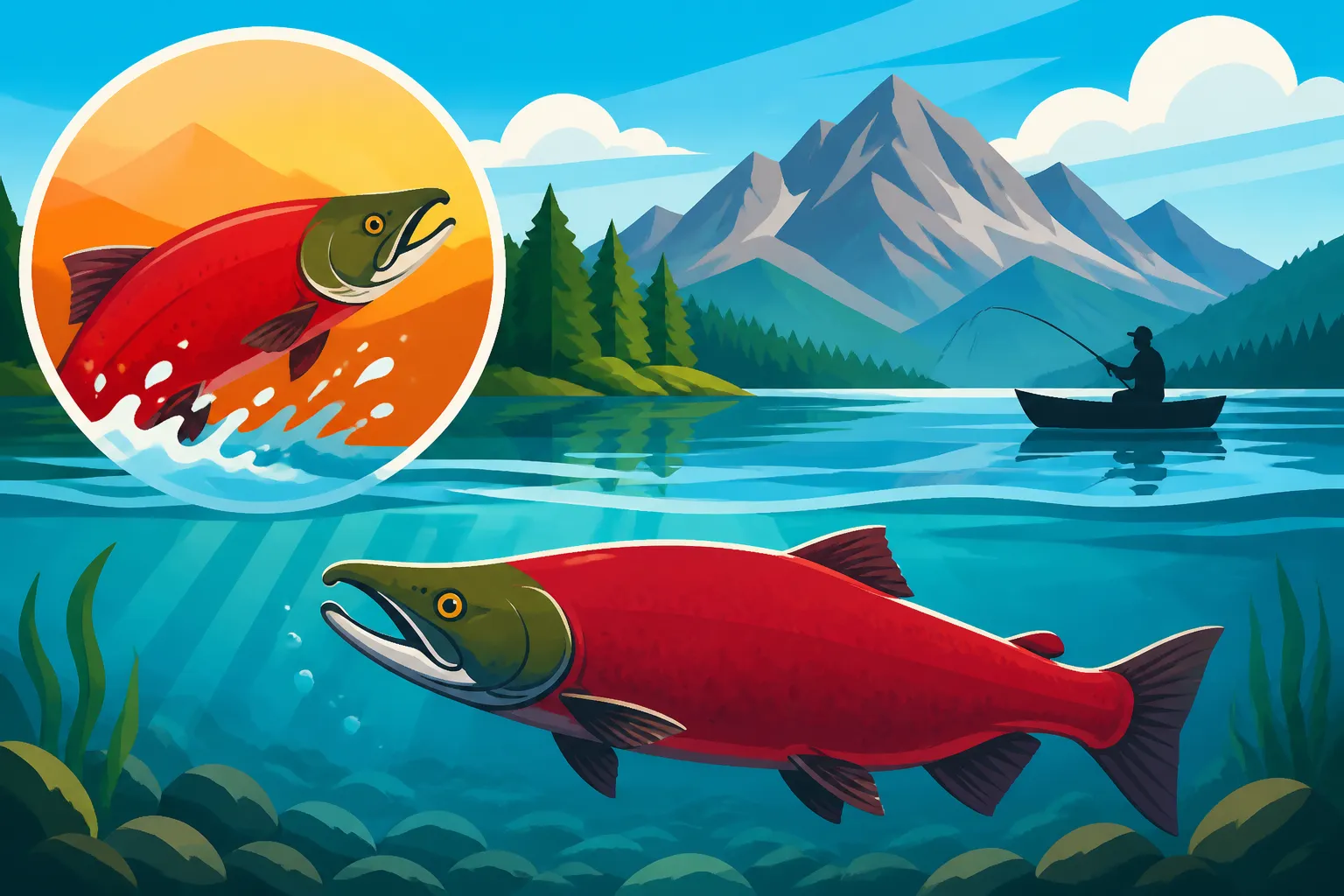
Imagine a time when the waters of Redfish Lake shimmered not just with the reflections of the Sawtooths, but with thousands upon thousands of adult sockeye salmon, their bodies transformed into a striking brick-red color. This spectacular sight, occurring primarily in late summer and early fall, was the reason for the lake's evocative name. These fish, after years spent in the Pacific Ocean, would return to their natal waters to spawn, turning the shallows into a vibrant, living carpet of red. It was a spectacle of nature, a true marvel that defined the ecosystem and captivated anyone lucky enough to witness it. The sheer numbers were staggering, far beyond what we typically see today, making the "Redfish Lake" moniker profoundly accurate and awe-inspiring.
The sockeye salmon's life cycle is one of nature's great epics. Born in the clear, cold streams feeding Redfish Lake, juvenile sockeye spend a year or two growing in the lake before embarking on their perilous downstream migration to the Pacific Ocean. After maturing in the vast expanse of saltwater for several years, they begin their arduous journey back, navigating thousands of miles, overcoming countless obstacles, driven by an instinctual call to reproduce in the very gravel beds where they were born. Their transformation from silver ocean-dwellers to crimson spawners is part of this final, dramatic act.
The Longest Salmon Migration in the Lower 48
What makes the Redfish Lake sockeye salmon even more remarkable is the sheer scale of their migration. These fish undertake the longest anadromous (sea-run) migration of any salmon in the Lower 48 states. Think about that for a moment: they travel roughly 900 miles and climb nearly 6,500 feet in elevation from the Pacific Ocean, through the Columbia and Snake River systems, all the way to the Sawtooth Valley. It’s an odyssey that spans multiple states and challenges the very limits of endurance.
This incredible journey is fraught with danger, both natural and man-made. Navigating strong currents, avoiding predators, and conserving energy are all part of the natural struggle. However, the construction of numerous dams along their migratory route in the mid-20th century introduced unprecedented challenges. These concrete behemoths created slackwater pools and formidable barriers, turning an already epic journey into a near-impossible feat for many fish. Yet, their unwavering drive to return is a testament to the power of instinct and the resilience of life. Learning about this journey helps us appreciate the vital importance of Idaho Sockeye Salmon and the Redfish Lake Run. You can find detailed maps and historical accounts of this migration in various books on Idaho's natural history, often available through retailers like Amazon.
The Decline and Resurgence of Idaho's Sockeye
The story of the sockeye salmon in Redfish Lake isn't just one of past glory; it's also a cautionary tale of environmental impact and a hopeful narrative of dedicated recovery efforts. The vibrant reds that once defined the lake's name nearly vanished entirely.
The Challenges Faced by an Iconic Species
The dramatic decline of the Redfish Lake sockeye salmon population is largely attributed to human intervention, specifically the construction of the large hydropower dams on the Columbia and Snake River systems, beginning in the 1930s. These dams severely impeded the upstream migration of adult salmon and created reservoirs that became death traps for downstream-migrating juvenile sockeye. Warmer water temperatures in these reservoirs, increased predation, and slower transit times all contributed to devastating mortality rates. By the early 1990s, the Redfish Lake sockeye run was teetering on the brink of extinction. In some years, only a handful of fish, or even a single sockeye, made it back to the lake, a heartbreaking contrast to the thousands that once returned. This dire situation led to their listing as an endangered species, highlighting the urgent need for intervention.
It's a stark reminder of how our actions, even those intended for progress, can have unforeseen and catastrophic consequences on natural systems. The thought of such a majestic creature almost disappearing from its ancestral home is a profound loss, not just for the ecosystem but for the cultural heritage of Idaho. Understanding Are Idaho's Sockeye Salmon Endangered? sheds more light on their precarious status.
Dedicated Conservation Efforts for "Redfish"
Thankfully, the story doesn't end with decline. Recognizing the critical state of the Redfish Lake sockeye, an immense and multi-faceted conservation effort was launched. This effort involves federal, state, and tribal agencies, working tirelessly to prevent the complete loss of this unique genetic strain. Key to these efforts is a captive broodstock program, where adult sockeye that do return are carefully collected and spawned in a hatchery setting. Their offspring are then raised in a controlled environment and later released back into the lake or its tributaries, significantly increasing their chances of survival.
Furthermore, improvements in fish passage facilities at dams, such as redesigned fish ladders and collection-and-transport programs for juveniles, have been implemented to aid both upstream and downstream migrants. Researchers continue to monitor the population closely, adjusting strategies and learning more about how to best support the sockeye's survival. While the numbers are still a fraction of their historical abundance, there have been encouraging signs in recent years, with hundreds, and occasionally thousands, of sockeye returning. This resurgence is a testament to what focused, long-term conservation can achieve and why it's vital to support such initiatives. You can often find informational documentaries and books detailing these recovery efforts on platforms like Amazon.
Witnessing the Sockeye Today at Redfish Lake
While you might not see the lake completely "red" with fish as in historical accounts, the opportunity to witness the return of the sockeye salmon is still a deeply moving and educational experience, particularly if you know when and where to look.
When and Where to See the Spawners
The best time to catch a glimpse of the sockeye salmon at Redfish Lake is typically in late summer, usually from late July through early September. This is when the adult sockeye, having completed their incredible journey, arrive at their spawning grounds.
Here's what you should know about experiencing this natural wonder:
- Redfish Lake Visitor Center: This is often the prime location. The visitor center itself has educational displays about the sockeye, their migration, and the conservation efforts. Crucially, there's often a fish trap and viewing area where you can see live sockeye up close as they are collected for the hatchery program. It's an unparalleled opportunity to witness these magnificent fish in person.
- Fish Spawning Channels and Tributaries: If conditions are right and the numbers are strong, you might see sockeye in the shallow tributary streams that feed into the lake, where they are actively spawning. Be respectful of their space and avoid disturbing the fish or their redds (nests).
- Lake Shallows: Occasionally, you can spot sockeye cruising in the shallower areas of the lake itself, particularly near the inlet areas. Their distinctive red coloration makes them stand out against the lake's clear waters.
Remember, the sockeye are critically endangered, so it's essential to observe them from a distance and not interfere with their natural processes or the work of the conservation teams. Watching the Sockeye Return to Redfish Lake provides more specific viewing tips.
Understanding the Importance of Conservation
Experiencing the sockeye return firsthand really drives home the importance of their conservation. These fish are not just a symbol of Idaho's wilderness; they are an indicator of the health of an entire river system, from the Pacific Ocean to the high mountain lakes. Their struggle and slow recovery highlight the interconnectedness of our environment and the long-lasting impact of human development.
When you visit Redfish Lake and learn about the sockeye, you become part of their story. Every effort to support wild fish populations, from advocating for healthy river systems to understanding and adhering to Idaho Fishing Regulations Explained, contributes to their future. It reinforces the idea that what we do in one part of the world can have profound effects hundreds of miles away. It's a powerful lesson in environmental stewardship, reminding us that protecting species like the sockeye is a shared responsibility for all of us who cherish Idaho's natural legacy.
More Than Just a Name: The Cultural and Ecological Impact
The name "Redfish Lake" resonates far beyond a simple description of fish color; it embodies a rich history, a persistent challenge, and an enduring hope. It's a name that carries significant weight, culturally and ecologically, for Idaho and the broader Pacific Northwest.
A Name that Echoes History
Even in years when the sockeye run is small, the name "Redfish Lake" serves as a constant reminder of what once was and what we are striving to restore. It keeps the memory of the abundant, vibrant salmon alive, ensuring that future generations understand the lake's profound connection to this iconic species. It's a historical marker etched into the landscape itself, a natural monument to the sockeye's incredible journey and their significance.
For indigenous cultures of the region, salmon have always been much more than just a fish; they are a sacred resource, central to their diet, economy, and spiritual practices. The annual return of the salmon was a cornerstone of life, and their decline represented a severe cultural blow. The name "Redfish Lake" connects us to this ancient heritage, emphasizing the deep, intrinsic value these fish hold. Understanding the regulations surrounding unique species and habitats, as outlined in the Idaho Fishing Permits and Stamps Explained or the Idaho Fishing License Guide, is crucial for any angler.
The Ecological Role of Sockeye
Beyond their cultural significance, sockeye salmon play a vital ecological role. As anadromous fish, they act as living conduits, transporting essential marine nutrients from the Pacific Ocean hundreds of miles inland. When salmon return to spawn and eventually die in the spawning grounds, their carcasses decompose, releasing these ocean-derived nutrients (like nitrogen and phosphorus) into the freshwater ecosystem. These nutrients enrich the soil, feed aquatic invertebrates, and support riparian vegetation, ultimately benefiting everything from insects and birds to bears and even the trees along the riverbanks. This transfer of nutrients is crucial for the health and productivity of the relatively nutrient-poor mountain environments they inhabit.
The health of the Redfish Lake sockeye population is, therefore, intimately tied to the overall health of the Sawtooth Basin ecosystem. Their presence signifies a thriving, connected environment. Their struggle highlights vulnerabilities within that system, urging us to consider the broader impacts of our actions on Idaho's natural treasures. It's a powerful reminder that every species plays a role, and the "redfish" are no exception. For those interested in deeper conservation topics, learning about Idaho Fish Stocking Reports Explained can offer insight into how other fish populations are managed.
| Aspect | Historical Significance | Current Reality | Future Outlook |
|---|---|---|---|
| Sockeye Numbers | Thousands, often tens of thousands, turned the lake "red." | Severely depleted, often only hundreds, sometimes fewer. | Hopeful, with intensive conservation aiming for steady increases. |
| Migration Path | Long and challenging, but largely unobstructed. | Same long path, but heavily impacted by dams and altered habitats. | Improved fish passage, but persistent challenges remain. |
| Ecological Impact | Major nutrient conveyor from ocean to mountains, critical food source. | Still vital, but greatly diminished due to lower numbers. | Restoration of this ecological function is a primary conservation goal. |
| Cultural Impact | Deeply interwoven with indigenous life and local identity. | A symbol of environmental struggle and the resilience of nature. | Renewed connection to heritage and a focus on species recovery. |
| Lake Name Origin | Direct reflection of the abundant, vividly red spawning fish. | A historical echo, inspiring action for the species' future. | A reminder of what can be, and what must be protected. |
Disclaimer
This article is for general informational purposes only and does not constitute professional advice. Laws, prices and regulations vary by location and change over time. Consult a qualified professional for guidance on your specific situation.