Are Mountain Whitefish Good to Eat?
Oh, the humble mountain whitefish! It's such a common sight in Idaho's clear, cold rivers, yet it's often unfairly overlooked or even dismissed by anglers. Many people catch them while targeting trout or steelhead and immediately wonder if these slender, silvery fish are even worth keeping. Well, let me tell you, if you've ever dismissed a mountain whitefish as merely bait or a nuisance, you're truly missing out on a delicious and surprisingly versatile culinary experience, and this guide is here to change your mind.
The Misunderstood Mountain Whitefish: More Than Just a Bycatch
For years, mountain whitefish have suffered from a bit of an identity crisis among Idaho anglers. They're not the glamorous, hard-fighting steelhead or the vividly colored trout that grace magazine covers. Because they often school in areas where trout and other game fish are found, they're frequently caught incidentally. This often leads to them being seen as a "bycatch," something to be quickly unhooked and released, or worse, discarded, rather than appreciated for their own merits. But that perception really couldn't be further from the truth.
Habitat and Appearance: Getting to Know Our Local Whitefish
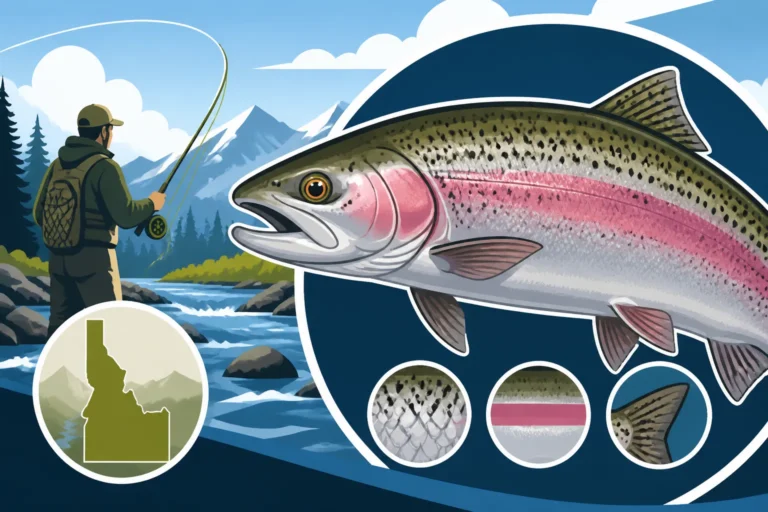
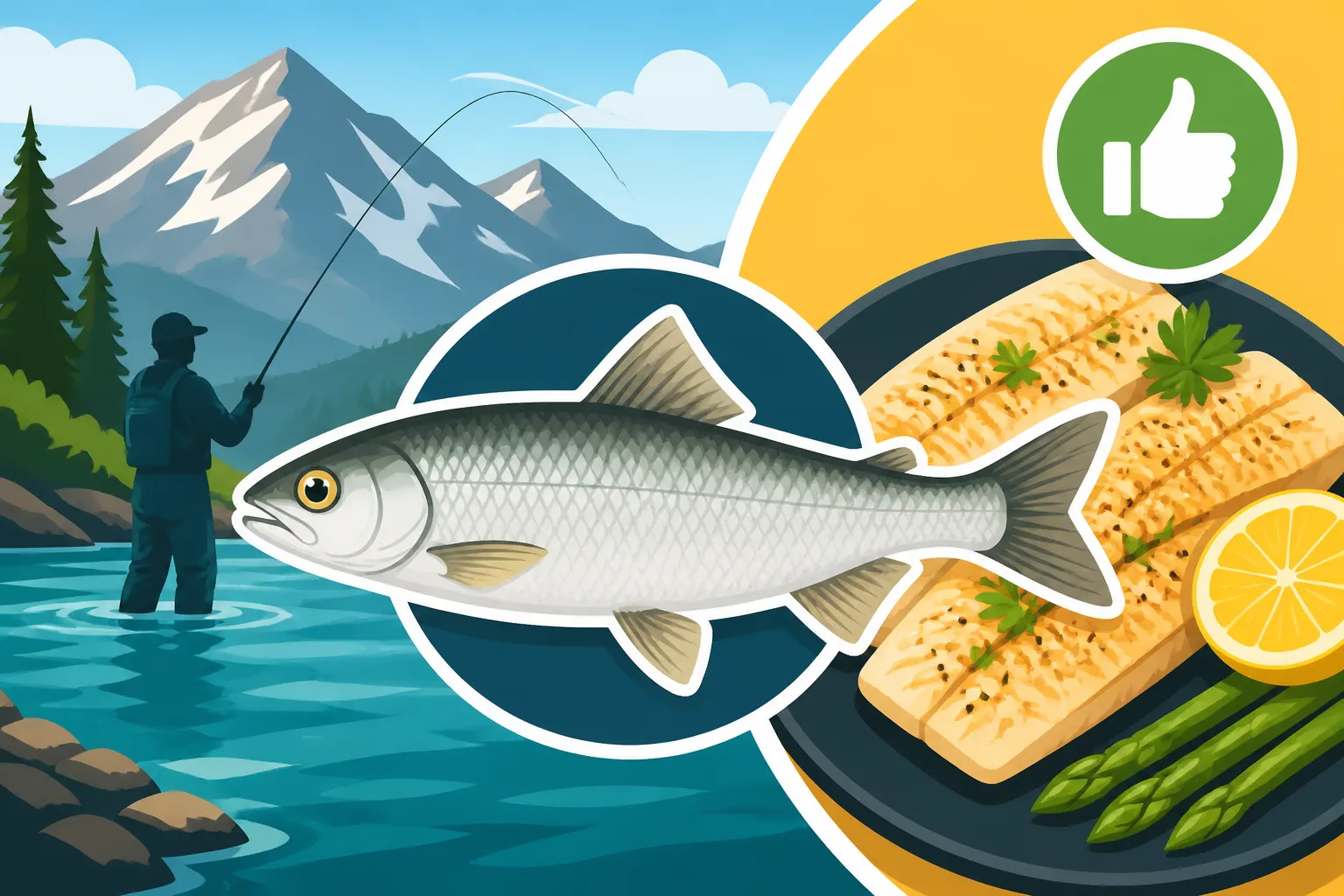
Mountain whitefish are native to many of the same pristine, cold-water environments that make Idaho a fishing paradise. You'll find them in abundance in rivers like the Snake, Salmon, Clearwater, and throughout the Boise River system, often favoring deeper runs, riffles, and pools where the water is well-oxygenated. They're a stream-dwelling member of the salmon family, believe it or not, but they have some distinct characteristics that set them apart. Their bodies are typically silvery or olive-brown on top, fading to white on their belly, with relatively large, smooth scales. One of their most distinguishing features is their small, almost delicate mouth, which is positioned slightly underneath their snout. This "subterminal" mouth is perfect for sifting through river bottoms for aquatic insects and larvae, which makes up a large part of their diet.
It's easy to confuse them with a small trout at first glance, especially if you're new to Idaho fishing, but once you learn to spot that small mouth and the larger, more uniform scales, you'll recognize them instantly. They don't have the vibrant red or pink stripes of a rainbow trout or the distinct spots of a cutthroat; their beauty is more subtle, a testament to their streamlined, river-adapted form. These fish are perfectly adapted to their environment, thriving in the same pristine waters that hold some of Idaho's most sought-after game fish. Understanding their appearance and habitat is the first step in appreciating them as a unique and valuable part of Idaho's aquatic ecosystem. You can learn more about Idaho Fish Species Guide to broaden your understanding of what swims in our local waters.
Dispelling the "Trash Fish" Myth: A Delicious Reality
Let's address the elephant in the room: the "trash fish" label. It's an unfortunate moniker that stems purely from a lack of understanding and, frankly, a bit of snobbery among some anglers. The idea that whitefish are only good for bait, or have a poor taste, is simply unfounded. This misconception likely originated because they aren't as aggressive fighters as a steelhead, nor do they reach the trophy sizes of some lake trout. However, when it comes to table fare, mountain whitefish are absolutely delicious. Their diet of insects and aquatic invertebrates in cold, clean water contributes to their incredibly mild, delicate flavor profile.
Think of it this way: what a fish eats and where it lives directly impacts its taste. A whitefish living in a pristine Idaho mountain stream, feasting on nymphs and larvae, is going to taste significantly better than a fish pulled from murky, warm water. The "trash fish" label is really a disservice to a species that offers a fantastic, sustainable, and readily available meal. It’s high time we cast aside these outdated notions and embrace the mountain whitefish for the culinary gem it truly is. Don't just take my word for it; try one for yourself! The regulations for catching them are typically very generous, as outlined in Idaho Catch Limits and Bag Limits Explained.
The Culinary Appeal: Why Mountain Whitefish Deserve a Spot on Your Plate
Now that we've cleared up the misconceptions, let's dive into the exciting part: why mountain whitefish are genuinely good to eat and how to make them shine in your kitchen. This is where their subtle nature truly works in their favor, offering a canvas for a variety of delicious preparations.
Taste and Texture Profile: A Delicate Delight
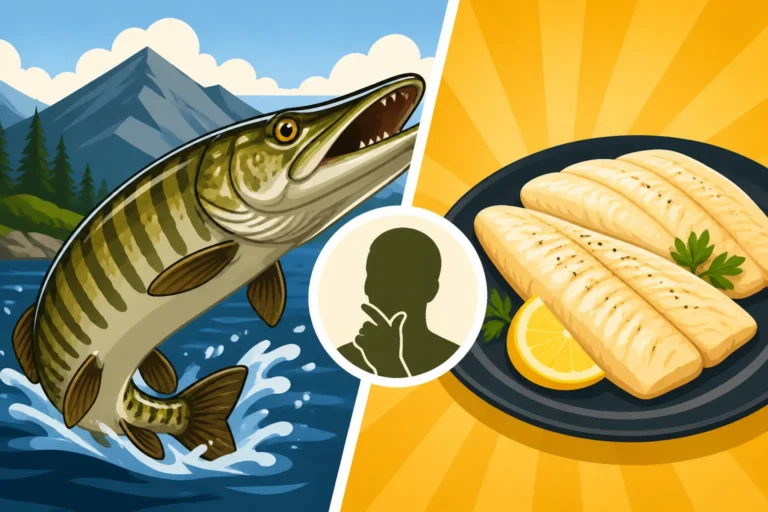
The taste of mountain whitefish is often described as mild, delicate, and subtly sweet, with a clean, slightly nutty undertone. It's certainly not a "fishy" fish, which makes it an excellent choice for those who might be hesitant about stronger-flavored seafood. The flesh is firm, flaky, and bright white when cooked, similar in texture to a pan-fried trout or even a walleye. This delicate flavor means it readily absorbs the seasonings and aromatics you choose to pair it with, making it incredibly versatile.
Imagine a fresh fillet, pan-fried to a golden crisp, with just a hint of lemon and herbs. The texture is firm enough to hold up to cooking but flaky and moist when you take a bite. It's truly a gourmet experience that belies its common reputation. If you've enjoyed pan-fried crappie or perch, you'll likely find mountain whitefish to be an even more refined experience, owing to the colder, cleaner waters they inhabit. Their mildness also makes them a fantastic introduction to eating fresh-caught fish for kids or picky eaters. If you're wondering What Mountain Whitefish Taste Like, trust me, it's a pleasant surprise.
Best Preparation Methods: Bringing Out the Flavor
Due to their delicate flavor and flaky texture, mountain whitefish excel with simple, direct cooking methods that highlight their natural qualities without overpowering them. Here are a few favorite ways to prepare them:
- Pan-Frying: This is arguably the most popular and easiest method. Lightly dust the fillets in seasoned flour, cornmeal, or a simple breading mix. Fry them in butter or olive oil over medium-high heat until golden brown and flaky, usually just a few minutes per side. A good cast-iron pan, like those readily available on Amazon, works wonders for achieving that perfect crust. Serve with a squeeze of fresh lemon and a side of wild rice or roasted vegetables.
- Baking/Broiling: For a lighter option, bake or broil fillets. Place them on a baking sheet, drizzle with olive oil, sprinkle with salt, pepper, and your favorite herbs (dill, parsley, or thyme work beautifully). Bake at 375°F (190°C) for 10-15 minutes, or broil for 5-7 minutes, until the fish flakes easily with a fork. This method is fantastic for retaining moisture and is incredibly healthy.
- Smoking: If you have a smoker, mountain whitefish are an excellent candidate. Their mild flavor takes on a wonderful depth from a gentle smoke. Brine the fillets for a few hours, then cold-smoke them until they're cooked through. This creates a rich, savory product that's amazing on crackers, in salads, or simply on its own.
- Grilling (in foil or fish basket): Due to their delicate nature, grilling directly on grates can be tricky, but it's not impossible. Wrap fillets loosely in foil packets with butter, lemon, and herbs, or use a fish grilling basket to prevent them from falling apart. Grill over medium heat until cooked through. The subtle smokiness from the grill complements the fish beautifully.
When it comes to seasonings, keep it simple. Salt, black pepper, garlic powder, onion powder, and a dash of paprika are usually all you need. Fresh herbs like dill, chives, or parsley are also excellent additions. Don't forget that squeeze of lemon juice at the end—it really brightens up the flavor.
Here's a quick comparison of popular cooking methods for mountain whitefish:
| Method | Description | Pros | Cons |
|---|---|---|---|
| Pan-Frying | Lightly breaded/floured, cooked in butter/oil. | Quick, creates crispy crust, enhances flavor. | Can be messy, requires attention to prevent overcooking. |
| Baking | Seasoned, drizzled with oil, baked in oven. | Very healthy, hands-off, moist result. | Less crispy than frying, flavor can be more subtle. |
| Broiling | Quick high heat under broiler, seasoned. | Fast, good for quick meals, can achieve light char. | Easy to overcook, requires close monitoring. |
| Smoking | Brined fillets slow-cooked with wood smoke. | Deep, unique flavor, excellent for preservation. | Requires special equipment (smoker), takes longer. |
| Grilling | Cooked over direct heat, often in foil or basket. | Adds smoky flavor, great for outdoor cooking. | Fish can stick or break apart if not handled carefully. |
For those looking to expand their fishing techniques to target these tasty fish, check out Idaho Fishing Techniques Guide.
Practical Tips for Catching and Handling Mountain Whitefish in Idaho
To truly enjoy mountain whitefish on your plate, you first need to catch them and then ensure they're handled properly from the moment they come out of the water until they hit your kitchen. Good field care is paramount for any fish you plan to eat, and whitefish are no exception.
Fishing Techniques and Gear: Simple and Effective
Mountain whitefish are generally not difficult to catch, which is part of their appeal. They're often eager biters, especially in cold water. You don't need fancy gear to target them; a simple spinning rod or even a light fly rod will do the trick.
- Bait Fishing: This is probably the most straightforward method. Small pieces of worm, mealworms, salmon eggs, or even a kernel of corn on a small hook (size 8-12) fished with a light sinker near the bottom in riffles or pools can be incredibly effective. Whitefish are often found in numbers, so if you catch one, there are likely more in the vicinity.
- Lure Fishing: Tiny spinners, like a small Panther Martin or Rooster Tail, in silver or gold, can entice whitefish. Jigging small lead-head jigs tipped with a grub or a piece of bait can also work well, especially in deeper pockets.
- Fly Fishing: For the fly anglers out there, whitefish are a blast on a light rod. They readily take small nymph patterns (like a Prince Nymph, Hare's Ear, or Pheasant Tail) fished dead-drift along the bottom. During hatches, they'll also rise to small dry flies. This can be a great way to practice your presentation and dry fly skills when the trout are being finicky.
When gathering your tackle, a basic spinning rod and reel, some small hooks, split shot, and a few small lures are all you'll need. You can find a wide array of affordable yet effective fishing gear, including hooks and weights, on Amazon to get you started. For more ideas on what to use, take a look at Best Bait and Lures for Idaho Fishing. Remember to check Idaho Fishing Season Dates and Limits for the specific waters you plan to visit, though whitefish often have very open seasons.
Field Care for Best Flavor: Crucial Steps for the Table
The moment you decide to keep a mountain whitefish for dinner, good field care becomes crucial. This is where many anglers unknowingly diminish the quality of their catch. Improper handling can lead to a "fishy" taste, soft flesh, or a less appealing texture.
Here’s the ideal process:
- Bleed Immediately: As soon as you catch a whitefish you intend to keep, cut one of the gill arches or sever the caudal artery near the tail. This allows the blood to pump out, which significantly improves the taste and shelf life of the meat. Blood in the flesh can lead to that strong, metallic "fishy" flavor.
- Gut Promptly: After bleeding, gut the fish as soon as possible. Remove all the internal organs, especially the kidneys (the dark line along the spine), and scrape out any bloodline. This stops digestive enzymes from breaking down the flesh and prevents any off-flavors from the gut contents.
- Chill Rapidly: Get the gutted and bled fish onto ice or into an ice slurry (a mix of ice and a little water) immediately. Rapid cooling slows bacterial growth and keeps the flesh firm and fresh. A good cooler, like those found on Amazon, filled with ice is an essential piece of gear for any angler planning to keep fish. Never let your fish sit in a warm creel or on a stringer in warm water for extended periods.
- Keep Clean: Avoid letting the fish flop around in dirt or on the riverbank. Keep them as clean as possible. Once bled and gutted, a quick rinse in cold, clean river water is fine before placing them on ice.
Following these steps will ensure that your mountain whitefish arrives at your kitchen in peak condition, ready to be transformed into a delicious meal. For more comprehensive gear advice, especially for different seasons, consider browsing Idaho Fishing Gear Guide by Season.
Nutritional Value and Sustainability
Beyond their delightful taste, mountain whitefish offer several other compelling reasons to consider them a staple in your angling endeavors. They are a healthy food source and, importantly, a sustainable one within Idaho's abundant waters.
Healthy Eating: A Smart Choice for Your Diet
Mountain whitefish are an excellent addition to a healthy diet. Like many cold-water fish, they are lean and packed with protein. They're a good source of omega-3 fatty acids, which are beneficial for heart health and brain function. Furthermore, because they are a smaller, short-lived species that feed primarily on insects, they typically have very low levels of mercury and other environmental contaminants compared to larger, longer-lived predatory fish. This makes them a safe and nutritious choice for regular consumption. You can feel good about feeding them to your family, knowing you're providing a wholesome, natural protein source.
Idaho's Whitefish Population: A Sustainable Harvest
One of the great advantages of fishing for mountain whitefish in Idaho is their generally robust and healthy populations. In many rivers, they are quite abundant, and unlike some other species that face strict harvest limits due to conservation concerns, whitefish often have very liberal bag limits, if any at all. This means you can often keep a generous number of fish without impacting the overall health of the ecosystem.
Idaho Fish and Game manages these fisheries to ensure their sustainability, and by choosing to harvest whitefish, you're tapping into a readily available and often underutilized resource. This can actually help diversify fishing pressure away from more sensitive species like some trout populations, contributing to overall fisheries health. Enjoying mountain whitefish is not just a culinary pleasure; it's a responsible and sustainable way to engage with Idaho's rich aquatic resources. Always make sure to consult the most current Idaho Fishing Regulations Explained before heading out, to be aware of specific rules for the waters you plan to fish. They are truly one of Idaho's Most Common Fish Caught by Accident, so why not make them your target?
Disclaimer
This article is for general informational purposes only and does not constitute professional advice. Laws, prices and regulations vary by location and change over time. Consult a qualified professional for guidance on your specific situation.