What Mountain Whitefish Taste Like
Many anglers, especially those new to Idaho's incredible waters, often find themselves pulling in a fish that isn't quite a trout but definitely puts up a good fight. This is often the humble mountain whitefish, and a common question pops up: "What do I even do with this thing?" There's a prevailing notion out there that whitefish aren't worth keeping, that they're just "trash fish" or only good for bait. This guide is here to challenge that idea, diving deep into the culinary appeal of Idaho's mountain whitefish, exploring their taste, texture, and how you can turn a surprise catch into a delicious meal.
The Misunderstood Mountain Whitefish: More Than Just a Bycatch
It's completely understandable why many anglers might overlook the mountain whitefish. When you're out on the Best Fishing Spots in Idaho hoping to land a gorgeous rainbow or a feisty cutthroat, reeling in a whitefish can feel a bit like a consolation prize. You might hear seasoned anglers chuckle and tell you they're only good for crab bait, or just to throw them back. This kind of chatter can easily lead folks to believe that mountain whitefish are simply not worth the effort, pushing them into the "nuisance fish" category. It's a real shame, actually, because this misconception robs many of us of a genuinely good eating experience. The frustration of catching what feels like "the wrong fish" is valid, but it often stems from a lack of knowledge about what these fish truly offer.
Dispelling Common Misconceptions
Let's be honest, we've all been there. You've cast your line into a beautiful Idaho river, meticulously chosen your fly or lure, and you're dreaming of that vibrant flash of a trout. Then, wham! You feel a strong tug, the rod bends, and after a satisfying battle, you bring in a long, silvery fish with relatively large scales and a small, downward-facing mouth. "Another whitefish," you might sigh, remembering the old wives' tales. Many anglers mistakenly lump them in with non-game fish or coarse fish, associating them with muddy flavors or soft, unappetizing flesh. This couldn't be further from the truth for a mountain whitefish caught in Idaho's clean, cold, pristine waters.
In reality, mountain whitefish are a native species to many of Idaho's river systems, playing an important role in the ecosystem. They are not an invasive species, nor are they inherently "bad" fish. Their diet, often consisting of aquatic insects and small invertebrates, mirrors that of trout, contributing to their clean, mild flavor. When you compare them to some of the truly coarse fish found in other regions, the mountain whitefish stands out as a high-quality food fish that just happens to be a little less glamorous than its trout cousins.
A Profile of the Mountain Whitefish
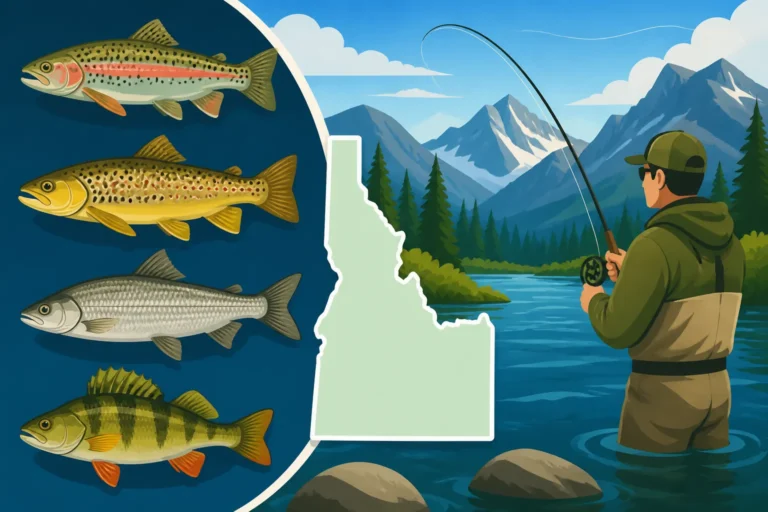
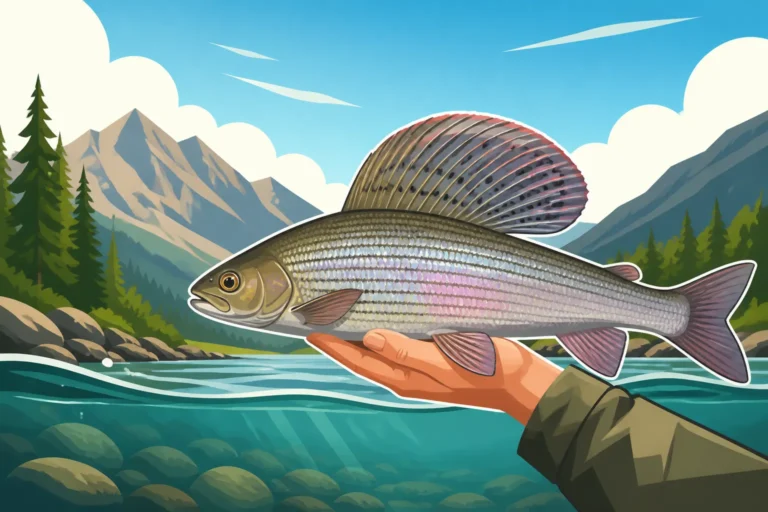
The mountain whitefish (Prosopium williamsoni) is a fascinating creature, well-adapted to the cold, oxygen-rich waters of Idaho's mountains and high desert rivers. You'll find them widely distributed throughout the state, often sharing the same stretches of river as trout and salmon. Visually, they have a somewhat torpedo-shaped body, a small head, and a distinctive adipose fin, just like trout. Their scales are relatively large compared to trout, and their coloration is typically silvery-grey, sometimes with a faint olive hue on the back.
Their preferred habitat is crucial to understanding their taste. These fish thrive in the clear, fast-flowing currents of places like the Middle Fork of the Salmon River, the Snake River, or even sections of the Boise River near town. In these environments, they feed on a diet of aquatic insects, nymphs, and sometimes small crustaceans. This natural, clean diet directly translates into the quality of their flesh. Unlike bottom-feeders in warmer, muddier waters that can develop a strong, earthy taste, mountain whitefish from Idaho's cold mountain streams are prime candidates for a delicious meal. Knowing where to find them and their habits can even improve your chances of targeting them specifically, if you choose, and many anglers enjoy catching them on ultralight tackle.
Unpacking the Flavor Profile: What to Expect from Idaho Mountain Whitefish
So, you've landed a few mountain whitefish. Now for the million-dollar question: what do they actually taste like? Forget those rumors you've heard. When handled correctly, mountain whitefish from Idaho are a culinary delight, offering a subtle, clean flavor and a pleasing texture that many find surprisingly appealing. It’s all about going into it with an open mind and giving these fish the respect they deserve on the plate.
The Taste: Mild, Flaky, and Delicate
The overwhelming consensus among those who have actually prepared and eaten Idaho mountain whitefish is that their flesh is remarkably mild. It's not a strong, "fishy" taste, which is often a turn-off for many seafood skeptics. Instead, you'll find a clean, almost sweet flavor that can be easily enhanced by simple seasonings. Imagine a delicate freshwater fish, perhaps a bit like a milder trout, but without the distinct oiliness that some trout species can have. Some folks even compare it to the subtle flavor of cod or haddock, but with a firmer texture.
The flesh itself is white and beautiful. Because mountain whitefish thrive in cold, fast-moving water and maintain a leaner diet, their meat tends to be low in fat. This contributes significantly to its delicate flavor profile, making it a versatile canvas for various cooking methods and seasonings. The taste can, of course, vary slightly depending on the specific water body – a whitefish from a pristine, high-mountain stream might taste even cleaner and sweeter than one from a larger, slower river, but generally, the mildness is consistent across Idaho's waters. It's definitely not the muddy, strong flavor some attribute to other species; it’s a genuinely pleasant eating fish.
The Texture: Firm Yet Tender
Beyond taste, the texture of a cooked mountain whitefish is another pleasant surprise. The meat is firm, yet tender and flaky. It holds together well during cooking, which is a huge bonus, especially if you're baking, grilling, or pan-frying. You won't end up with a mushy mess; instead, the flakes will separate cleanly with a fork, revealing moist, inviting flesh. This firm texture is a direct result of their active lives in cold, flowing water.
One common concern with whitefish, or any fish, is dealing with bones. Mountain whitefish, like many freshwater species, do have small bones, but their structure makes them relatively easy to manage. If you learn to properly fillet a whitefish, you can remove most of the bones, leaving you with beautiful, boneless portions. Even if you cook them whole, the bones are generally larger and easier to navigate than those of some smaller panfish. Many find the experience of eating a properly cooked mountain whitefish quite enjoyable, precisely because of this satisfying, firm-yet-tender texture. It’s not soft and delicate like some flatfish, nor is it tough; it strikes a lovely balance.
Preparing Mountain Whitefish for the Table: Maximizing Their Potential
Alright, so you're convinced that mountain whitefish are worth a shot on the dinner plate. Great! The next step is knowing how to handle and prepare them to truly unlock their delicious potential. Just like any wild game or fish, proper care from the moment it's caught makes all the difference in the final flavor and texture. Think of it as respecting the fish and the journey it took to get to your cooler.
Handling Your Catch for Best Flavor
The key to good-tasting fish, including mountain whitefish, starts with immediate and proper care after you catch it. The quicker you can get that fish cleaned and on ice, the better. Here’s a basic breakdown of how to ensure peak freshness:
First, consider bleeding your fish. A quick cut behind the gills, if you're planning to keep them, helps to drain the blood, which can contribute to a "fishy" taste if left in the flesh. After bleeding, gut the fish as soon as possible. This removes the internal organs that can rapidly spoil and taint the meat, especially in warmer weather. A sharp, compact fillet knife from brands like Rapala or Bubba Blade, which you can easily find on Amazon, is invaluable for this task. Once gutted, rinse the cavity thoroughly with cold water to remove any remaining blood or debris.
Finally, and perhaps most importantly, get your whitefish on ice immediately. A cooler full of ice is your best friend. This rapid chilling stops bacterial growth and keeps the flesh firm and fresh. Don't just throw them in a bucket of water; direct contact with ice is crucial. If you're on a multi-day trip, an insulated fish cooler, also readily available on Amazon, will pay for itself many times over in terms of preserving your catch. Proper care at this stage transforms a good fish into a great meal. You want that clean, delicate flavor to shine through, and good handling ensures that.
Simple & Delicious Cooking Methods
Because mountain whitefish have such a mild flavor and firm, flaky texture, they are incredibly versatile in the kitchen. You don't need fancy recipes or exotic ingredients to make them shine. Simple is often best, allowing the natural flavor of the fish to be the star.
One of the most popular and easiest methods is pan-frying. Pat your fillets dry, season them lightly with salt, black pepper, and maybe a little garlic powder or dried dill. Dredge them lightly in seasoned flour or cornmeal for a crispy crust. Then, pan-fry in butter or olive oil over medium-high heat for just a few minutes per side until golden brown and cooked through. The internal temperature should reach about 145°F and the flakes should separate easily.
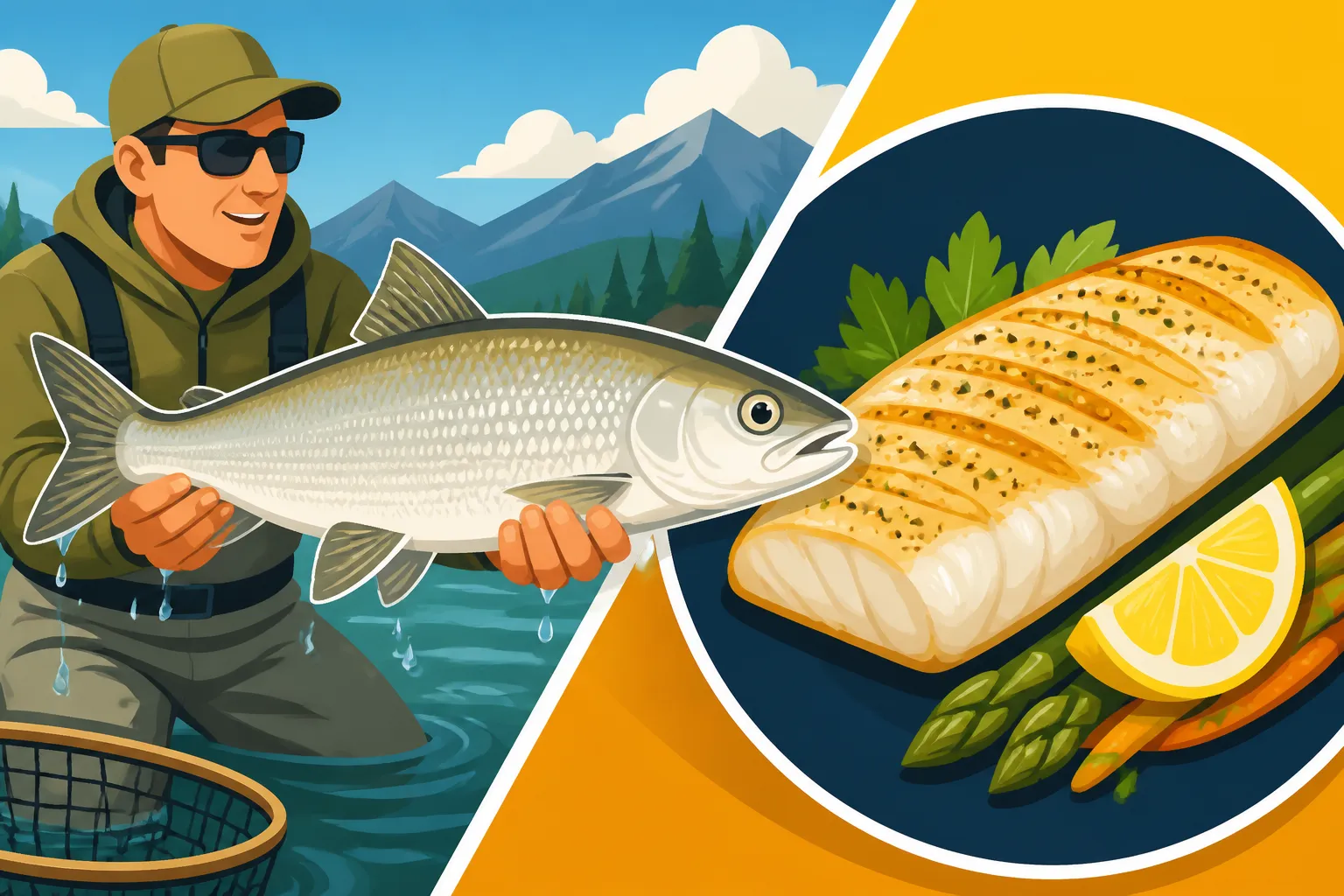
Baking is another excellent choice, especially for whole, gutted fish. Stuff the cavity with lemon slices and fresh herbs like parsley or dill, drizzle with olive oil, and bake at 375°F (around 190°C) until the flesh is opaque and flakes easily. For a more robust flavor, consider grilling fillets or whole fish (in a fish basket to prevent sticking) over medium heat. The char from the grill adds a wonderful dimension. And don't forget smoking! Whitefish take on smoke beautifully, resulting in a rich, savory treat. This is a perfect way to prepare a larger batch for later enjoyment.
When filleting, a good, flexible fillet knife will make quick work of removing the meat from the bones. If you're cooking them whole, just be mindful of the bones when eating, though as mentioned, they're typically larger and easier to separate than in some smaller fish.
Pairing and Enhancements
Given the mountain whitefish's mild and delicate flavor, it pairs wonderfully with brighter, fresh ingredients that complement without overpowering. Think citrus: a squeeze of fresh lemon or lime juice is almost always a winner. Herbs like dill, parsley, chives, and tarragon enhance the natural flavors beautifully. A simple pat of butter or a drizzle of good olive oil during cooking goes a long way.
For a classic pairing, serve your cooked whitefish with steamed vegetables like asparagus or green beans, a light rice pilaf, or even a simple fresh salad. A light white wine sauce with a hint of garlic and lemon would also be fantastic. Don't be afraid to experiment with your favorite seasonings, but remember that less is often more with such a subtly flavored fish. If you're looking for specific spice blends or even a non-stick pan perfect for cooking fish on a camp stove, you'll find a wide selection of quality kitchenware and gourmet seasonings on Amazon that can elevate your streamside cooking experience.
Where to Catch Idaho Mountain Whitefish & Regulations to Know
Now that you're armed with the knowledge of how delicious and versatile mountain whitefish can be, you might be wondering where exactly in Idaho you can find them and what rules you need to follow. Good news: they're quite widespread, and usually, the regulations are pretty generous, making them an excellent target for consistent angling, especially if you're after a meal.
Top Idaho Waters for Whitefish
You'll find mountain whitefish in many of Idaho's cold, clear rivers and streams. They prefer similar habitats to trout, often residing in the same pools and riffles. Some of the most notable waters where you can consistently catch mountain whitefish include:
- Snake River: Particularly in the upper and middle stretches, you'll encounter healthy populations.
- Salmon River: Throughout its various forks, the Salmon River is prime whitefish territory.
- Clearwater River: Known for its steelhead, it also holds good numbers of whitefish.
- Boise River: Even the urban stretches of the Boise River can yield plenty of whitefish, especially in cooler months.
- Henry's Fork of the Snake River: While famous for its trophy trout, whitefish are also abundant here.
- St. Joe River: A beautiful North Idaho river that offers excellent opportunities.
- South Fork of the Snake River: Another blue-ribbon trout stream where whitefish are a common catch.
When it comes to Idaho Fishing Techniques Guide, whitefish are not particularly picky eaters. They respond well to natural baits like worms, grubs, or corn fished on the bottom with a small weight. For fly anglers, small nymphs (like a Copper John, Prince Nymph, or Hare's Ear) drifted along the bottom are incredibly effective. Small spinners or tiny spoons can also entice a strike. Often, if you're trout fishing with nymphs in a deep riffle, you'll find yourself hooking into whitefish, sometimes one after another! These fish are often found in large schools, so if you catch one, there are likely many more nearby. For more specific insights into these fish, check out Idaho Rivers Known for Mountain Whitefish.
Regulations and Bag Limits
Before you head out, always make sure you consult the latest Idaho fishing regulations. These can change, and it's your responsibility to know the rules. You can usually find the most up-to-date information in the annual fishing proclamation published by Idaho Fish and Game. While whitefish are generally abundant and have generous limits, it's vital to confirm any specific rules for the waters you plan to fish.
Typically, mountain whitefish fall under general regulations, often allowing for a higher daily bag limit than trout. This makes them a fantastic target if your goal is to bring home a meal for the family. In many areas, for example, the daily limit for whitefish is significantly higher than for trout, or there might be no limit at all, though it's always respectful to only keep what you'll realistically eat. Always refer to Idaho Fishing Regulations Explained and Idaho Catch Limits and Bag Limits Explained for the most current details. When preparing for a trip, having a well-organized tackle box or a compact fishing multi-tool from Amazon can be incredibly helpful for managing different rigs and hooks, especially when you're switching between targeting trout and whitefish.
| Feature | Mountain Whitefish | Rainbow Trout |
|---|---|---|
| Taste Profile | Mild, clean, subtly sweet, non-oily | Mild to moderate "trout" flavor, can be slightly oilier |
| Texture | Firm, flaky, tender, holds shape well when cooked | Softer, very flaky, can be a bit more delicate |
| Flesh Color | White | Pinkish-orange to white, depending on diet |
| Difficulty to Catch | Generally easy, often schooling fish, opportunistic | Moderate, can be selective, more solitary |
| Common Habitats | Cold, clear rivers/streams, often near bottom | Wide range of coldwater habitats, all water columns |
| Typical Preparation | Pan-fried, baked, grilled, smoked, lightly seasoned | Pan-fried, baked, grilled, smoked, often richer flavors |
| Bag Limits (General) | Often generous, sometimes no limit (check regs) | More restrictive (check regs) |
Conclusion
So there you have it – the truth about Idaho's mountain whitefish. Far from being a "trash fish," they are a truly delicious and underrated species, offering a mild, clean flavor and a firm, flaky texture that stands up beautifully to a variety of cooking methods. The next time you're out on an Idaho river and you feel that familiar tug, don't dismiss that mountain whitefish. Instead, consider it an opportunity to bring home a fantastic meal. Give them a chance, treat them with care, and you might just discover a new favorite for your dinner table. Whether you're fishing for Idaho Cutthroat Trout Fishing Guide or simply enjoying a day on the water, remember that there's more to Idaho's fish than meets the eye! And when you're stocking up for your fishing adventures, a durable, well-reviewed vacuum sealer from Amazon can be a game-changer for preserving your mountain whitefish fillets for future meals.
Disclaimer
This article is for general informational purposes only and does not constitute professional advice. Laws, prices and regulations vary by location and change over time. Consult a qualified professional for guidance on your specific situation.