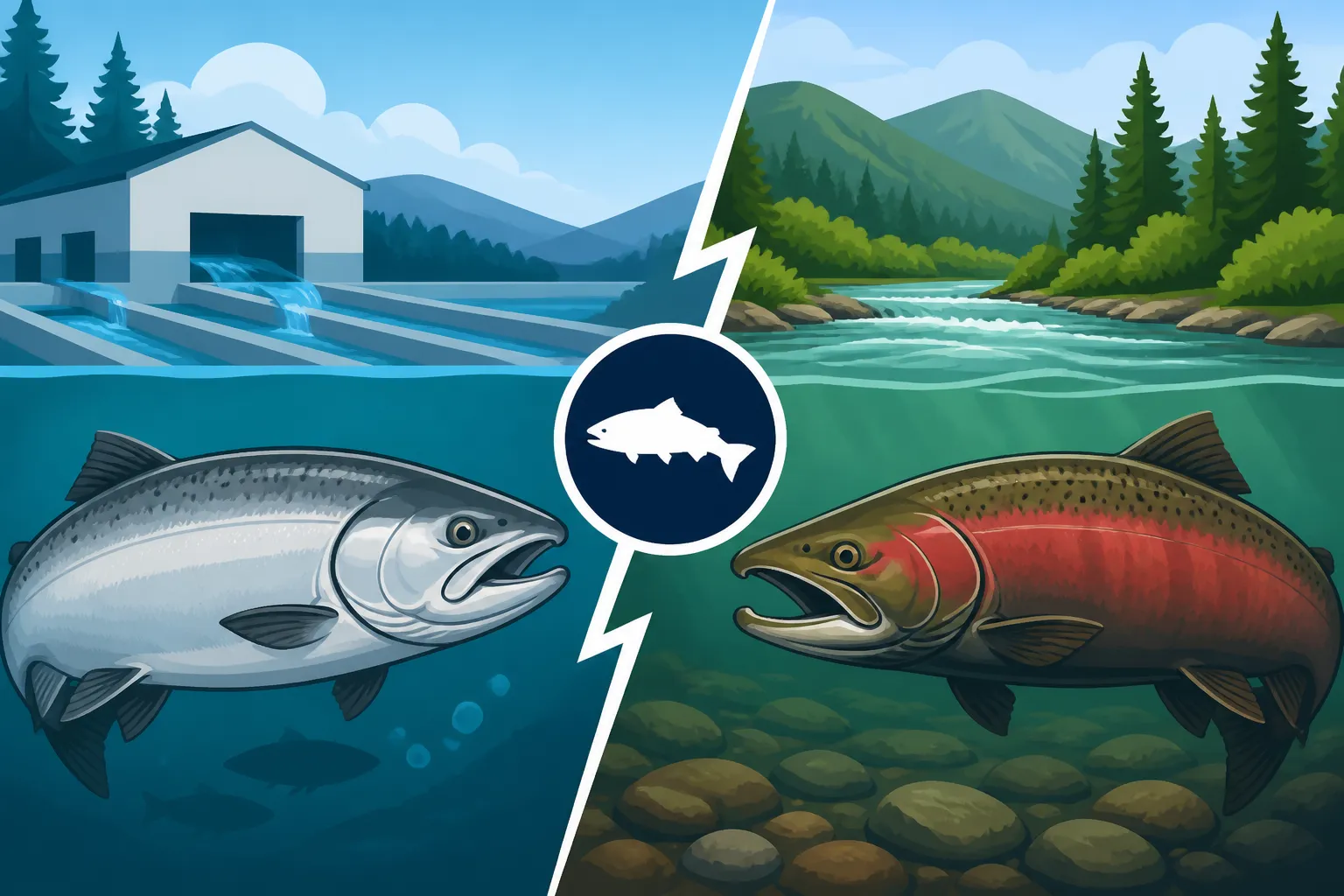
Hatchery vs Wild Chinook Salmon in Idaho
It can be incredibly confusing and even a little intimidating when you're out on the water in Idaho and you hook into a magnificent Chinook salmon. The big question often instantly pops into your head: Is this a hatchery fish or a wild one? Knowing the difference isn't just a matter of curiosity; it's absolutely crucial for staying on the right side of Idaho's fishing regulations. This guide is here to walk you through exactly how to tell these powerful fish apart, helping you understand the rules and fish responsibly.
The Story of Chinook Salmon in Idaho: A Complex Relationship
The majestic Chinook salmon, often called King Salmon, holds a special place in Idaho's natural history and for its angling community. However, their presence in our waters today is a nuanced story, blending ancient traditions with modern conservation efforts and the realities of human impact. Understanding this history is key to appreciating why distinguishing between hatchery and wild Chinook is so important.
Native Runs and Historical Significance
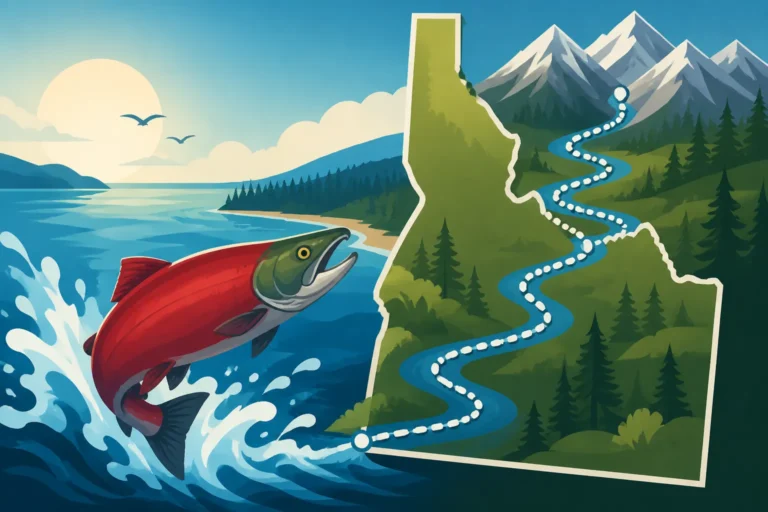
For thousands of years, wild Chinook salmon were an integral part of Idaho's rivers, especially the Salmon River, the Clearwater, and their tributaries. These anadromous fish, born in freshwater, migrating to the ocean to mature, and then returning to their natal streams to spawn, represented an incredible natural phenomenon. Their annual return was a lifeline for indigenous tribes, providing a primary food source and holding immense cultural and spiritual significance. Imagine the sheer volume of fish making their way upriver, a sight that must have been truly awe-inspiring. These were truly wild fish, products of pure, untamed rivers, perfectly adapted to their environment. Their journey from the Pacific Ocean, over 900 miles and thousands of feet in elevation gain, to Idaho's pristine spawning grounds, is one of nature's most incredible migrations.
The Role of Hatcheries in Restoration and Sport Fishing
Unfortunately, the landscape changed dramatically with the construction of numerous dams on the Columbia and Snake rivers, coupled with habitat degradation. These barriers severely impacted the ability of wild Chinook to complete their epic migrations, leading to significant declines in their populations. It became clear that something drastic needed to be done to preserve these iconic fish. This is where hatcheries stepped in. Hatchery programs were initially established as a mitigation measure for the lost habitat and to supplement populations for sport fishing.
These facilities raise salmon from eggs, nurturing them in controlled environments until they are robust enough to be released into the rivers. The goal is twofold: to provide opportunities for anglers to harvest a sustainable population of fish and, in some cases, to aid in the recovery of wild stocks by boosting overall numbers. Many of the Chinook salmon you might encounter in Idaho's sport fisheries today are the direct result of these extensive hatchery efforts. Without these programs, many of our beloved salmon runs, particularly those designated for angler harvest, might not exist in the numbers we enjoy.
Identifying Hatchery Chinook Salmon: Key Indicators
When you're reeling in a Chinook in Idaho, one of the first things you need to do is quickly and carefully check for specific markings. The distinction between a hatchery and a wild fish largely hinges on these visual cues, especially due to regulatory requirements. Get it wrong, and you could face serious consequences, so knowing what to look for is paramount.
The Adipose Fin Clip: The Most Obvious Sign
The absolute clearest and most consistent way to identify a hatchery Chinook salmon in Idaho is by checking for an adipose fin clip. The adipose fin is a small, fleshy fin located on the fish's back between the dorsal fin and the tail fin. It doesn't contain any rays or spines, making it distinct from the larger dorsal fin. In Idaho, nearly all hatchery-reared Chinook salmon intended for harvest are marked by having this adipose fin removed when they are very young, typically before they are released into the wild.
When you catch a Chinook, carefully observe this area. If the adipose fin is completely absent, showing a smooth, healed scar where it once was, you've almost certainly got a hatchery fish. This clip is a universal identifier and is mandated by fishery management agencies to allow anglers to differentiate between hatchery-produced fish, which can often be harvested, and wild fish, which are generally protected. Sometimes, especially on older fish or if the clip wasn't perfectly clean, you might see a tiny stub or a slightly uneven patch of skin. However, if there's no clear, fully formed adipose fin present, treat it as a clipped fish. Always double-check, but this is your primary indicator for harvest legality.
Other Physical Characteristics and Markers
While the adipose fin clip is the gold standard, there are other, albeit less reliable, indicators that might suggest a fish is hatchery-reared. One common characteristic observed in hatchery fish is fin wear. Because hatchery fish are raised in concrete raceways and often in more crowded conditions than their wild counterparts, their fins can sometimes appear eroded, frayed, or stubby, particularly the pectoral and caudal (tail) fins. This wear and tear comes from rubbing against tank surfaces or other fish. Wild fish, living in natural environments, tend to have perfectly formed, unblemished fins.
Another less common, but present, marker can be the remnants of a Coded Wire Tag (CWT). These are tiny, internal metal tags inserted into the snout of some hatchery fish. While you won't see the tag itself without special equipment, some fish may have a faint scar or a small, healed puncture mark in the nose area from the tagging process. However, this is not a consistent identifier and often requires very close inspection. Body coloration and shape can also sometimes vary, with hatchery fish occasionally appearing slightly duller or having a less streamlined shape than wild fish, but these are subjective and not reliable enough for regulatory purposes. When in doubt, always go back to that adipose fin. It's the only one that truly matters for legal harvest in most cases. You might even find specialized fish identification charts or books on Amazon that can help illustrate these subtle differences in fin quality.
Recognizing Wild Chinook Salmon: Untouched Beauty
Spotting a wild Chinook salmon in Idaho is a special experience. These fish embody the resilience of nature and represent the ongoing efforts to restore their populations. For anglers, knowing how to identify them is not just about appreciation, but about strict adherence to conservation laws.
The Intact Adipose Fin: Nature's Seal
In stark contrast to their hatchery-reared cousins, the definitive characteristic of a wild Chinook salmon is a completely intact adipose fin. There will be no clip, no scar, no sign of human intervention in that small, fleshy fin between the dorsal and tail. This untouched adipose fin is nature's own seal, signifying that the fish hatched in a natural stream, grew up navigating the complexities of its wild environment, and has made the incredible journey back to its spawning grounds without passing through a hatchery.
The presence of this fin immediately flags the fish as a wild specimen, which means it is almost certainly protected under strict catch-and-release regulations in Idaho. The reason for this rigorous protection is simple: wild Chinook populations are still vulnerable and need every individual to return to spawn to help rebuild their numbers. Keeping even one wild fish can have a disproportionately negative impact on a recovering population. Always approach your catch with the assumption it's wild until you can confirm the adipose fin is clipped. If that little fin is there, admire its beauty, take a quick photo if you wish, and release it with the utmost care. This single, small fin carries immense weight in Idaho's fishery management.
Subtle Differences in Appearance and Behavior
Beyond the crucial adipose fin, wild Chinook salmon often exhibit more subtle differences in their appearance and behavior compared to hatchery fish. These are not regulatory identifiers, but they can be fascinating observations for the keen angler. Wild fish, having navigated complex natural waterways, tend to be incredibly sleek and powerfully built, often appearing more torpedo-shaped and streamlined. Their fins are typically pristine, sharp, and perfectly formed, without any of the erosion or fraying sometimes seen in hatchery fish that have spent time in concrete raceways. Their coloration can also be strikingly vibrant, reflecting a life spent in natural habitats with varied diets, showcasing deep greens, silvers, and purples that shimmer under the Idaho sun.
Behaviorally, wild Chinook are often described as more cautious and harder to hook. They've survived natural predators and challenging river conditions, making them inherently warier. Landing a wild Chinook can feel like an even greater accomplishment because of this natural instinct. However, it's vital to remember that these aesthetic and behavioral observations are subjective and can vary widely based on individual fish, their diet, the water they inhabit, and the time of year. Never rely solely on these subtle differences for identification when regulations are concerned. The intact adipose fin remains the non-negotiable indicator for a wild Chinook. These subtle differences contribute to the allure of fishing, and many anglers seek out the "purity" of a wild fish, even if it means immediately releasing it back to its journey.
Regulatory Landscape: Why the Distinction Matters
Understanding the difference between hatchery and wild Chinook salmon isn't just about fish identification; it's about compliance with the law. Idaho's fishing regulations are meticulously designed to manage fish populations, allowing for sustainable sport harvest while protecting vulnerable wild stocks. Failing to grasp these distinctions can lead to citations, fines, and a significant negative impact on the very fish we cherish.
Catch Limits and Retention Rules for Hatchery Fish
In Idaho, the majority of Chinook salmon fisheries are specifically managed for the harvest of hatchery-reared fish. This means that if you're out fishing for Chinook and you want to keep your catch, it absolutely must have a clipped adipose fin. The regulations are very clear on this point. Anglers are permitted to retain a certain number of these clipped fish, which is specified in the annual Idaho Fishing Regulations Explained brochure for each particular river or section. These daily bag limits and possession limits are carefully set by the Idaho Department of Fish and Game to ensure that the hatchery program remains sustainable and doesn't negatively impact wild populations.
For example, on a popular section of the Salmon River during a specific season, you might be allowed to keep a certain number of adipose-clipped adult Chinook per day. These rules are posted annually and can change, so always, always check the current regulations before heading out. If you catch a Chinook with an adipose fin clip, it typically falls under these harvest rules. Remember, it's your responsibility to positively identify your fish before retaining it. An angler who mistakenly keeps a wild Chinook will face penalties, regardless of intent, so keen observation is essential. You'll also likely need an Idaho Salmon and Steelhead Permit in addition to your general fishing license to participate in these fisheries.
Strict Protection for Wild Chinook Salmon
The regulations surrounding wild Chinook salmon are exceptionally strict, reflecting their protected status. In almost all cases across Idaho, any Chinook salmon that has an intact adipose fin is considered wild and must be immediately released unharmed. This isn't just a suggestion; it's a legal requirement. The reasoning behind this strict catch-and-release mandate is critical for conservation. Wild Chinook populations in Idaho are often listed under the Endangered Species Act, or are otherwise considered highly sensitive and vulnerable. Each returning wild adult is a vital contributor to the future genetic diversity and natural spawning success of the species.
Removing even one wild fish from the spawning population can hinder recovery efforts. Therefore, if you catch a wild Chinook, the process is clear: bring the fish to hand quickly and gently, remove the hook while the fish is still in the water if possible, avoid touching its gills or eyes, and release it immediately. Prolonged handling, especially out of the water, significantly reduces a fish's chance of survival. The penalties for keeping a wild Chinook salmon are severe and can include substantial fines, loss of fishing privileges, and even confiscation of gear. This distinction is not arbitrary; it's a cornerstone of conservation in Idaho, ensuring that future generations will also have the chance to witness and appreciate these incredible fish. Always ensure you understand your Idaho Catch Record Card Requirements for any salmon or steelhead you may keep.
Fishing for Chinook Salmon in Idaho: Tips for Responsible Angling
Chasing Chinook salmon in Idaho is an exhilarating experience, offering the chance to battle one of the strongest freshwater game fish. But with that excitement comes a significant responsibility, especially given the dual nature of hatchery and wild populations. Preparing correctly and practicing ethical angling techniques are paramount to both your success and the conservation of these magnificent fish.
Gear and Techniques for Chinook
When targeting Chinook salmon, you need gear that can stand up to their incredible power and size. These fish are renowned for their hard runs, deep dives, and head shakes, capable of testing even heavy-duty tackle to its limits. A stout, moderate-fast action rod, typically 8 to 10 feet long, paired with a robust baitcasting or spinning reel capable of holding ample amounts of strong line (often 20-40 lb test monofilament or braided line), is essential. Heavy leaders are also critical, usually 15-30 lb fluorocarbon, to withstand their abrasive mouths and powerful struggles. You might find a wide selection of suitable rods, reels, and high-strength fishing line on Amazon, ensuring you're well-equipped before hitting the river.
Popular techniques for Chinook in Idaho often include back-trolling plugs or bait (such as cured salmon roe or shrimp), drift fishing with roe bags or large spinners, and sometimes even casting large spoons or jigs in specific areas. The key is presenting your offering effectively in often fast-moving, deep water. Pay attention to river currents, structure, and water depth, as Chinook often hold in deeper pools, runs, and current breaks. Having a variety of lures and baits on hand is a good strategy, as what works one day might not work the next. Investing in a good landing net with a rubberized mesh is also wise, as it's gentler on fish, especially if you plan on releasing them.
Handling and Releasing Wild Fish Safely
Because wild Chinook salmon must be released, mastering safe catch-and-release techniques is not just good practice, it's mandatory. The goal is to minimize stress and physical harm to the fish, maximizing its chances of survival and successful spawning. Here’s how you can make a difference:
First, use appropriate tackle. Using gear that's too light for Chinook can prolong the fight, exhausting the fish to the point of no return. Fight the fish efficiently but avoid "horsing" it in, which can cause excessive injury. Once you have the fish near, try to keep it in the water as much as possible. If you must remove it for a quick photo, do so gently and quickly, ensuring your hands are wet to protect its slime coat. Avoid touching the gills or eyes, as these are extremely delicate and vital organs.
Secondly, use a large, rubberized net. This helps cradle the fish and protects its scales and fins from damage. Barbless hooks are also highly recommended, or at least pinch down the barbs on your hooks. Barbless hooks make removal much easier and quicker, reducing injury. If the hook is deeply set, carefully cut the line rather than trying to tear the hook out. The hook will often dissolve over time. Once the hook is out, hold the fish gently in the current, facing upstream, until it regains its strength and can swim away under its own power. Don't simply toss it back; ensure it's fully revived. This diligent approach is not only ethical but also vital to the conservation of Idaho's precious wild Chinook populations. Always consult the Idaho Fishing Regulation Brochure and Proclamation for specific handling guidelines.
The Future of Idaho's Chinook Salmon: Conservation Efforts
The ongoing presence of Chinook salmon in Idaho's waters is a testament to dedicated conservation efforts, but the work is far from over. The future of both hatchery-supported sport fisheries and the recovery of wild, self-sustaining populations depends on continued scientific management, habitat protection, and responsible angling.
Hatchery Programs and Their Evolution
Idaho's hatchery programs for Chinook salmon have evolved significantly over the years, moving beyond simply stocking fish to mitigate losses. Modern hatchery practices are constantly being refined to enhance the survival rates of released fish and minimize potential negative impacts on wild populations. This includes implementing strategies such as genetic management to maintain diversity, adjusting release times and locations to better mimic natural migration patterns, and improving rearing conditions to produce more "wild-like" hatchery fish.
Researchers and fishery managers work tirelessly to balance the demand for sport fishing opportunities with the critical need for conservation. This often involves careful monitoring of both hatchery and wild returns, adjusting release numbers, and implementing new techniques to improve fish health and vigor. While hatcheries play a crucial role in providing harvest opportunities, especially for species like the spring and fall Chinook in the Clearwater and Salmon rivers, there's a continuous focus on ensuring these programs complement, rather than hinder, the recovery of wild stocks. This commitment to continuous improvement means that the hatchery fish you catch today are likely part of a much more sophisticated and ecologically conscious program than those of decades past.
Habitat Restoration and Wild Population Recovery
Ultimately, the long-term future of wild Chinook salmon in Idaho hinges on the health and accessibility of their natural habitat. Major efforts are underway to restore and protect the spawning and rearing grounds that are essential for wild fish survival. This includes projects focused on improving water quality, restoring riparian vegetation along stream banks, and ensuring adequate stream flows. These actions create healthier environments for juvenile salmon to grow before their journey to the ocean and provide better conditions for returning adults to spawn.
Another critical aspect of conservation is addressing passage issues at dams. While some dams remain significant barriers, there are ongoing efforts to improve fish ladders and other passage systems, allowing more wild fish to complete their upstream migrations. The vision is to someday see robust, self-sustaining wild Chinook runs that can thrive without heavy reliance on hatchery supplementation. This is a monumental task, involving collaboration between state and federal agencies, tribal nations, environmental groups, and local communities. Every angler who understands and respects the distinction between hatchery and wild Chinook salmon contributes to this larger conservation goal, playing a vital part in protecting these iconic fish for generations to come. Many organizations are doing incredible work, and you can often find educational materials or ways to support their efforts through online resources, sometimes even through searches on platforms like Amazon for books on salmon conservation.
Hatchery vs. Wild Chinook Salmon: A Quick Comparison
Here's a simple breakdown of the key differences to help you quickly identify Chinook salmon in Idaho:
| Feature | Hatchery Chinook Salmon | Wild Chinook Salmon |
|---|---|---|
| Adipose Fin | Clipped (missing); small, healed scar usually present | Intact; fully present and naturally formed |
| Fins (General) | May show signs of wear, erosion, or stubbiness | Typically pristine, sharp, and perfectly formed |
| Body Shape | Sometimes slightly less streamlined, varies | Often sleek, torpedo-shaped, powerful build |
| Coloration | Can be slightly duller, though varies by diet | Often more vibrant, varied hues depending on habitat |
| Regulations | Generally legal for retention within bag limits | Strictly catch-and-release only (in most Idaho waters) |
| Genetic Origin | Reared in human-controlled environments | Born and raised in natural river systems |
This article is for general informational purposes only and does not constitute professional advice. Laws, prices and regulations vary by location and change over time. Consult a qualified professional for guidance on your specific situation.