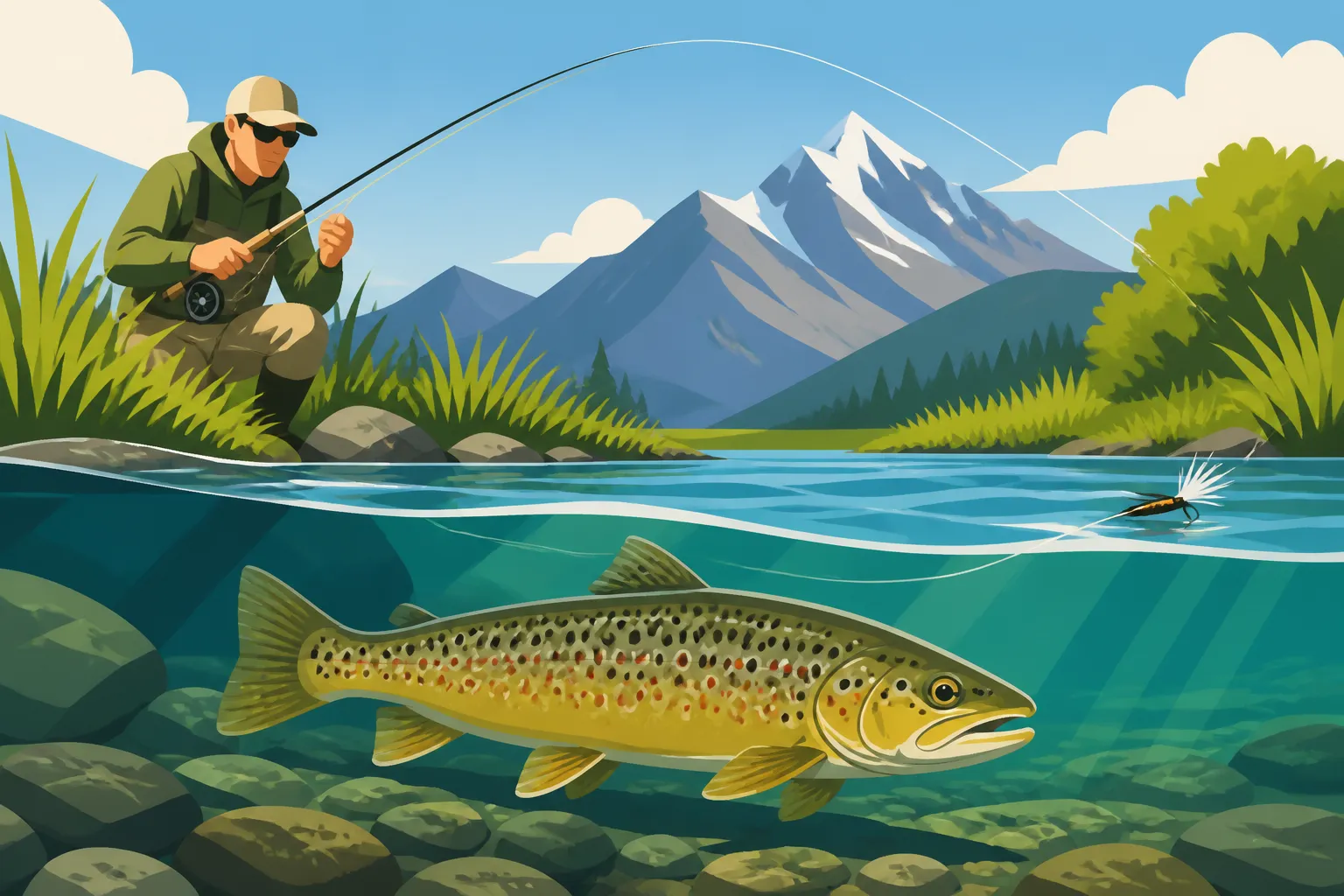
How to Approach Skittish Trout on Idaho Spring Creeks
There's nothing quite like the serene beauty of an Idaho spring creek, where crystal-clear waters wind through lush meadows, harboring some of the most beautiful, yet incredibly challenging, trout you'll ever encounter. If you've ever found yourself casting to these finicky fish, only to watch them dart away at the slightest disturbance, you know the frustration. They're called "skittish" for a reason – their survival depends on being hyper-aware. This guide is here to unravel the mysteries of these wary trout and equip you with the knowledge and tactics to approach them successfully, turning those frustrating spooked fish into exhilarating catches.
Why Idaho Spring Creek Trout Are So Exceptionally Wary
Before we can even think about casting, it's crucial to understand why these trout are so notoriously skittish. It's not just random; it's a finely tuned survival mechanism honed by their unique environment. These are often wild, native fish, living in highly exposed conditions that demand constant vigilance.
The Unforgiving Clarity of Spring Creek Water
Imagine living your life in a perfectly transparent glass house. That's essentially what a spring creek is for a trout. Unlike larger rivers that might carry sediment, or freestone streams with turbulent, broken surface water, spring creeks are fed by underground springs. This means the water is incredibly clear, often still, and consistently cold. This stunning clarity, while beautiful for us, leaves trout with very little cover. They can see everything above and around them, and more importantly, everything can see them.
This lack of visual obstruction means any movement on the bank, a flash of color, or even your shadow crossing the water, sends immediate alarm signals through their nervous system. They see you long before you see them, and they react accordingly. It's a constant game of "who sees whom first," and the trout are usually winning.
Constant Predation and Angler Pressure
Idaho's spring creeks, like the famous Silver Creek or sections of Henry's Fork, aren't just pretty places; they're also magnets for predators. Ospreys, eagles, mink, raccoons, and even larger fish are always on the hunt. This constant threat keeps trout on high alert, making them quick to react to anything out of the ordinary. When you add human anglers to the mix, especially on well-known stretches, these fish become even more educated and discerning. They've seen every trick in the book, felt hooks, and witnessed countless clumsy approaches.
The sheer volume of flies and lures drifting over their heads trains them to scrutinize everything. A fly that looks "off," a piece of tippet that's too thick, or a drift that isn't perfectly natural will be ignored, or worse, cause them to spook and disappear. This accumulated pressure molds them into incredibly selective and cautious eaters. For insights into similar pressured waters, read about How to Fish Henry's Fork During a Hatch or How to Fish Silver Creek's Technical Water.
Mastering the Art of Stealth: Becoming Invisible to Trout
Approaching skittish trout is less about power and more about poetry. It's about blending into the environment, minimizing your footprint, and moving with the grace of a predator, not a clumsy human. This is where your inner ninja needs to emerge.
The Low Profile Approach: Crouch, Crawl, and Kneel
Forget standing tall on the bank, silhouetted against the sky. That's a surefire way to send every fish within a hundred yards scattering. When you approach a spring creek, think low.
- Crouching and Kneeling: Before you even get close to the water, drop to a crouch or kneel. Use bankside vegetation, rocks, or any natural contours to break up your outline. Your goal is to keep your head and shoulders below the horizon line of the water. Think about how a heron hunts – slow, deliberate, and low to the ground.
- The "Army Crawl": Seriously. In some situations, especially when trying to get into position on a flat, open bank to target a specific rising fish, you might need to literally crawl on your hands and knees or even belly-crawl. It feels ridiculous, but it works. This reduces your profile to almost nothing and minimizes shadows.
- Mind Your Shadows: This is critical. Pay attention to the sun's position. Never let your shadow fall across the water where you intend to fish. Trout will pick up on this sudden darkening instantly and bolt. Approach from downstream, or from an angle where the sun is at your back, casting your shadow away from the target water. If you're on a sunny day, polarized sunglasses, which you can find easily on Amazon, are not just for seeing fish, but also for identifying potential shadow hazards from your own body or rod.
Silent Footfalls and Minimal Movement
Sound travels exceptionally well through water and vibration through the ground. Heavy footsteps on the bank or stomping in shallow water will send shockwaves through the fish's lateral line, alerting them to your presence long before they see you.
- Soft Steps: Walk slowly and deliberately, distributing your weight evenly. Avoid shuffling your feet or kicking rocks. Imagine you're walking on eggshells. If you're in the water, wade cautiously, lifting your feet rather than dragging them, and avoid disturbing the bottom more than necessary.
- No Sudden Movements: Keep all movements slow and fluid. This applies to casting, reaching for your fly box, or even turning your head. Fast, jerky movements are unnatural and will alarm fish. If you need to tie on a new fly, do it away from the water, or at least out of the fish's direct line of sight.
- Gear Clatter: The clinking of gear against itself, like a metal net frame hitting your waders, or a fly box dropping on a rock, is amplified underwater. Keep your gear secure and quiet. A good chest pack or vest can help keep essential items organized and prevent unnecessary noise.
The Delicate Dance of Presentation: Flies, Tippets, and Drifts
Once you've managed to get into position without spooking the trout, the real challenge begins: presenting your fly in a way that convinces these wary fish it's a natural insect, not a trick. This requires finesse, precision, and an intimate understanding of fly selection and drift.
Fine Tippets and Long Leaders: The Invisible Connection
Spring creek trout are hyper-aware of everything, including your fishing line. Heavy tippet, especially in clear water, looks like a rope attached to your fly.
- Go Light: You'll almost always want to use finer tippet than you might on a turbulent river. Think 6x, 7x, or even 8x if you're targeting exceptionally selective fish. This thin diameter is less visible and allows your fly to move more naturally. While it increases the risk of break-offs, the trade-off is often necessary for getting a strike. You can stock up on various tippet sizes from brands available on Amazon to be prepared.
- Length Matters: A long leader helps create distance between your main fly line and your fly, minimizing the chance of the heavier line landing too close to the fish and spooking it. Leaders of 9 to 12 feet, often with extended tippet sections, are common on spring creeks. This allows for a more subtle presentation.
The Perfect, Drag-Free Drift
Drag is the enemy of spring creek anglers. If your fly is moving unnaturally, pulling against the current, or skating across the surface, a smart trout will ignore it.
- Mending is Crucial: Learn to mend your line effectively. This means adjusting your fly line mid-drift to compensate for different current speeds, allowing your fly to float naturally at the speed of the water. Upstream mends are common to slow your fly down, while downstream mends can speed it up.
- The Reach Cast: This cast involves extending your rod arm after the forward cast to position your line upstream or downstream of your fly, giving you more time for a drag-free drift before the current grabs your line. It's an indispensable technique for spring creeks. For more on casting techniques, consider resources like How to Cast to Selective Trout on a Spring Creek.
- Targeting the Seams: Trout often hold in the "seams" where faster and slower currents meet, or in quieter pockets behind obstacles. These spots offer them food delivery with minimal effort. Your goal is to get your fly to drift through these feeding lanes without any unnatural speed or motion.
Matching the Hatch and Fly Selection: Subtlety is King
Spring creek trout can be incredibly selective, often keying in on a single insect species and stage (e.g., emerger, dun, spinner). Having a variety of small, realistic patterns is crucial.
- Size Matters Most: Often, the size of your fly is more important than the exact pattern. Spring creek insects tend to be smaller, so having patterns in sizes 18, 20, 22, and even 24 is essential.
- Imitative Patterns: Focus on flies that accurately imitate the common insects of spring creeks: tiny mayflies (Baetis, Tricos, Pale Morning Duns), midges, and small caddis. Having a good collection of emerger patterns is especially important, as trout frequently feed on insects struggling to hatch. Best Flies for Cutthroat Trout can offer specific pattern ideas for native fish often found in these waters.
- Testing the Waters: If trout are rising but refusing your fly, try changing size first, then pattern. Don't be afraid to experiment with different stages of the hatch – if they're ignoring your dry fly, try an emerger just below the surface, or a small nymph drifted deeper.
Essential Gear and Tactics for Success
Beyond stealth and presentation, having the right tools and a smart approach to the water can significantly increase your odds on these challenging waters.
Polarized Sunglasses: Your Secret Weapon
This isn't just a suggestion; it's an absolute necessity. Quality polarized sunglasses cut through the glare on the water's surface, allowing you to actually see the fish, their feeding habits, and potential obstacles.
- Spotting Fish First: The golden rule of spring creek fishing is to spot the fish before it spots you. Polarized lenses give you this advantage. You'll be amazed at how many fish you can see holding in seams, under cut banks, or even rising subtly that you would otherwise completely miss.
- Reading the Water: They also help you read the subtle currents and identify those crucial drag-free drift lanes. Being able to see the contours of the bottom and the flow of the water gives you a massive tactical edge. A good pair of polarized glasses can be a game-changer and are readily available on Amazon.
Light Rods and Reels: The Finesse Factor
While you might use a heavier setup for How to Fish for Steelhead in Idaho, spring creeks demand a lighter touch.
- Rod Weight: A fast-action 3-weight or 4-weight fly rod, typically 8 to 9 feet long, is ideal. These lighter rods allow for delicate presentations, protect fine tippets, and make even a modest 12-inch trout feel like a monster.
- Matching Reel: Pair your rod with a lightweight, smooth-draging fly reel. The reel isn't as critical as the rod for casting delicate flies, but a reliable drag system is important for protecting light tippets when you hook a strong fish.
Strategic Wading and Bank Access
How you position yourself, whether wading or bank fishing, makes all the difference.
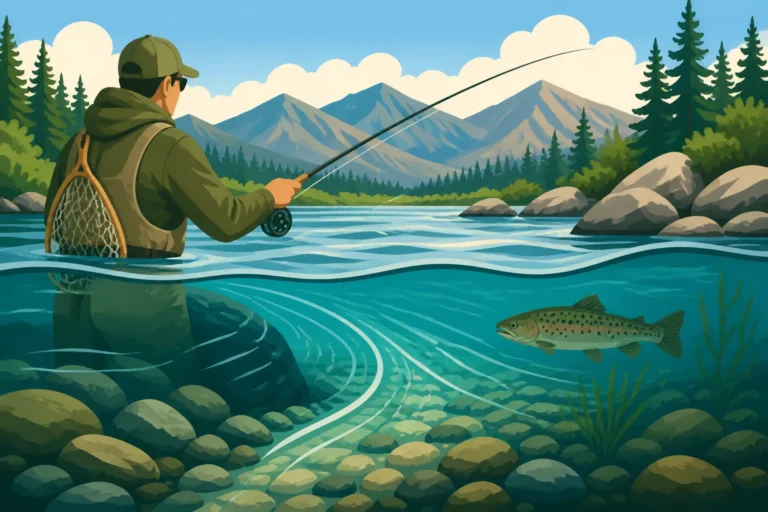
- Upstream Approach: Generally, it's best to wade or approach from downstream, working your way up. This keeps you behind the fish's line of sight and minimizes the chance of spooking them, as trout typically face upstream into the current to feed.
- Stay Out of the Water When Possible: If you can comfortably cast and present your fly from the bank without being seen, do so. Every step you take in the water introduces disturbance. When wading, move slowly and deliberately, disturbing as little of the bottom as possible. Proper Best Waders for Idaho River Fishing will help you stay comfortable and dry while doing this.
- Utilize Cover: Always look for natural cover like large rocks, fallen logs, or dense vegetation. These provide visual breaks that you can use to hide your approach and make your cast. Sometimes, a long cast from a well-hidden position is better than a short, exposed one.
Patience, Observation, and Adaptability
Spring creek fishing is often a slow, methodical game. It's not about covering a lot of water quickly.
- Observe First: Before making a single cast, spend time watching the water. Look for rising fish, identify potential holding lies, and try to discern what insects are hatching or drifting. This observation period is priceless. Don't rush into casting; often, the first cast is your best chance.
- Be Patient: If you spook a fish, don't immediately give up on the spot. Sometimes, after a period of quiet, they'll return to their feeding lies. Move upstream, fish another spot, and come back later. Or, simply stay put and wait. Patience is truly a virtue here.
- Adjust and Adapt: If your current approach isn't working, change something. Change your fly, change your tippet size, change your cast, change your angle of approach. Stubbornly repeating a failing tactic will only lead to more frustration.
Fishing Idaho's spring creeks for their famously skittish trout is a true test of an angler's skill and patience. But with a mindful approach, impeccable stealth, precise presentation, and the right gear, you'll discover the immense satisfaction of outsmarting these incredibly intelligent and beautiful fish. It's an experience that truly elevates your angling game, teaching you to be more connected with the environment and the subtle rhythms of the water.
Disclaimer
This article is for general informational purposes only and does not constitute professional advice. Laws, prices and regulations vary by location and change over time. Consult a qualified professional for guidance on your specific situation.