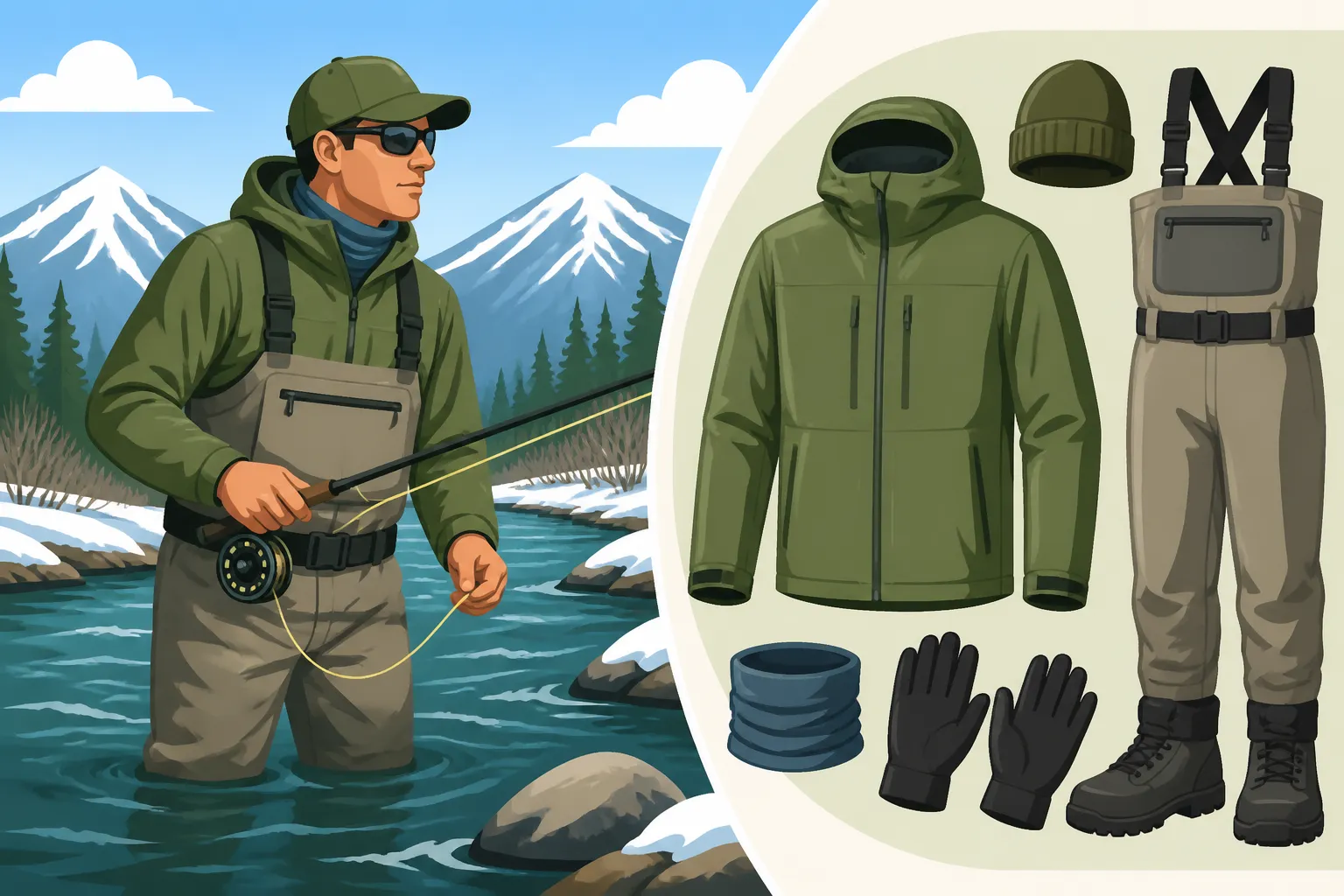
What to Wear Fishing Idaho Rivers in Early Spring
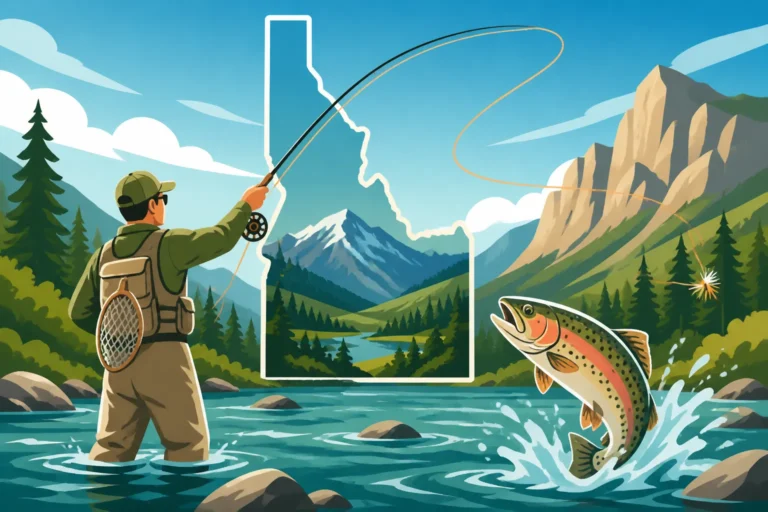
Oh, early spring fishing in Idaho! It's a truly magical time, full of anticipation, but also a period when Mother Nature loves to play tricks on us. One minute you're basking in glorious sunshine, the next a squall rolls in, dropping the temperature and unleashing a deluge. The frustration of being underdressed or, equally, overdressed and sweaty, can quickly turn a promising day on the river into a miserable ordeal. This guide is all about helping you conquer that unpredictable Idaho spring weather by showing you exactly what to wear to stay comfortable, dry, and ready for whatever the day throws your way.
The Volatile Nature of Early Spring Weather in Idaho
If you've spent any time at all in Idaho during March, April, or even early May, you know that calling the weather "unpredictable" is a massive understatement. It’s not uncommon to experience all four seasons in a single day, especially when you're out on the water, exposed to the elements. The warm, sunny days that hint at summer can quickly give way to sudden rain showers, strong winds, or even a late-season snow flurry. These dramatic shifts in conditions can catch even seasoned anglers off guard, leading to chills, discomfort, and a premature end to a fishing trip.
Understanding Idaho's Spring Climate Swings
Rivers like the Clearwater, Salmon, and Snake, while offering incredible early season fishing opportunities, are often nestled in canyons or wide-open valleys where microclimates abound. One moment you might be in the sunshine, protected from the wind by a steep bank, and then you round a bend and suddenly you're exposed to a chilling crosswind coming straight off the snow-capped peaks. Overnight lows can still dip well below freezing, meaning morning starts on the river are often crisp, requiring substantial warmth, only for the sun to pop out mid-morning and demand shedding layers. Understanding these swings is the first step to dressing wisely.
Think about a morning spent chasing steelhead on the Salmon River. The air might be frosty at dawn, demanding heavy insulation. By noon, if the sun is out, you could be sweating in a full winter setup. Then, a fast-moving front can bring drizzle and a stiff breeze, making you scramble to put layers back on. It’s a constant dance with the weather, and your clothing needs to be agile enough to keep up. This means prioritizing versatility and adaptability in every piece of gear you choose.
Why Layering Isn't Just a Suggestion, It's a Necessity
Given these wild swings, layering isn't just a good idea; it's absolutely crucial for staying comfortable and safe while fishing Idaho rivers in early spring. The core principle of layering is simple: instead of one thick, bulky garment, you wear multiple thinner layers that can be added or removed as conditions change. This allows you to regulate your body temperature much more effectively than if you were relying on a single heavy coat. Each layer serves a specific purpose, working together to wick away moisture, insulate, and protect you from wind and rain.
Without a proper layering system, you're either going to be too hot and sweaty, leading to a chill once the exertion stops, or too cold and miserable from the outset. Imagine trying to fish for trout on the Boise River in early April without the ability to adjust your clothing. You'd quickly find yourself wishing you had paid more attention to your wardrobe than your fly box! A good layering system allows you to adapt instantly, ensuring you can focus on the fishing, not on your shivering or overheating.
Building Your Early Spring Fishing Wardrobe: The Layering System
The success of your early spring Idaho fishing trip often hinges on your clothing choices. A well-thought-out layering system is your best defense against the unpredictable elements. It's all about strategic clothing selections that work in harmony to keep you dry, warm, and comfortable from dawn till dusk.
The Importance of a Moisture-Wicking Base Layer
Your base layer is the foundation of your entire outfit, and arguably the most important. Its primary job is to wick moisture (sweat) away from your skin, even when you're working up a sweat wading through a river or hiking to a prime spot. If your base layer absorbs sweat and stays wet, you'll quickly feel chilled once you stop moving, no matter how many warm layers you put on top. Cotton is an absolute no-go here because it holds moisture and loses its insulating properties when wet.
Instead, opt for synthetic materials like polyester or natural fibers like merino wool. Merino wool is a fantastic choice because it's incredibly soft, provides excellent warmth even when damp, and has natural odor-resistant properties – a bonus on multi-day trips! Many reputable outdoor brands offer excellent merino wool or synthetic base layers. You can find a good selection of these on Amazon if you're looking for convenience and variety. A mid-weight base layer usually strikes the right balance for early spring, offering warmth without excessive bulk.
Your Insulating Mid-Layers: Trapping Warmth
Once you've got your base layer sorted, it's time to think about insulation. Mid-layers are designed to trap warm air close to your body, providing the bulk of your warmth. Depending on how cold it is, you might wear one or two mid-layers. Common choices include fleece jackets, down vests or jackets, or synthetic puffy jackets. Fleece is a popular and versatile option, offering good warmth-to-weight ratio and quick-drying properties. Down is excellent for extreme cold but loses its insulating power if it gets wet, while synthetic insulation performs better when damp.
For early spring in Idaho, I often pack a medium-weight fleece jacket and sometimes a light puffy vest or jacket. This allows me to combine them for maximum warmth on frosty mornings or just wear one if the day warms up significantly. Remember, these layers don't need to be waterproof, as your outer shell will handle that. Their main job is to keep you toasty. If you're planning a trip focusing on specific species, knowing the best time of year to fish in Idaho will help you gauge how many mid-layers you'll need.
The Critical Role of the Outer Shell: Protection from the Elements
Your outer shell is your shield against the wind, rain, and snow. It needs to be waterproof and windproof, but ideally also breathable. Breathability is key to preventing you from getting soaked from the inside by your own sweat, which defeats the purpose of your base layer. Look for jackets and pants made with advanced waterproof-breathable membranes. These fabrics allow moisture vapor (sweat) to escape while preventing liquid water (rain, snow) from entering.
A good quality fishing-specific wading jacket is often ideal. They are usually cut shorter to work well with waders, have waterproof zippers, and often feature large pockets for gear. A durable outer shell is an investment, but it's one that pays dividends in comfort and protection, especially when you're caught in a sudden spring shower. Make sure your shell has a good hood that can cinch down to protect your head from wind and rain. This layer is non-negotiable for spring river fishing in Idaho, as even a clear forecast can turn quickly.
Essential Gear for Head, Hands, and Feet
Beyond your core layering system, paying close attention to your extremities is crucial. These are the parts of your body most susceptible to heat loss and discomfort, especially when exposed to cold water or air. Keeping your head, hands, and feet warm and dry makes a monumental difference in your overall comfort and enjoyment.
Protecting Your Head from Heat Loss and Sun
Your head is a major source of heat loss, so covering it is essential in cold weather. A warm beanie or wool hat is a must-have for frosty mornings or when the wind picks up. It makes a surprising difference in how warm your entire body feels. As the sun comes out, however, you'll want to switch to a brimmed hat – a baseball cap or a wide-brimmed fishing hat. This protects your face and neck from the intense Idaho sun, which can be deceivingly strong even on cooler spring days.
Often, I'll wear a beanie on my way to the river, keep it on for the first hour of fishing, and then swap it for a cap as the sun climbs higher. Many anglers also appreciate a neck gaiter or buff. These versatile pieces can be pulled up over your face for sun protection, warmth on your neck, or even to cover your nose and mouth if the air is particularly biting. You can find multi-packs of these on Amazon for a very reasonable price.
Keeping Your Hands Dexterous and Warm
Cold, numb hands are the bane of any angler's existence. It's hard to tie knots, handle fish, or even cast effectively when your fingers aren't cooperating. The key to hand protection in early spring is often having options. I always carry at least two pairs of gloves:
- Fingerless Gloves or Glomitts: These provide warmth while leaving your fingertips exposed for delicate tasks like knot tying or baiting hooks. They're excellent for milder cold or when you need maximum dexterity.
- Waterproof Insulated Gloves: For truly cold, wet, or windy conditions, you'll need a pair of fully waterproof, insulated gloves. These are invaluable when reaching into cold water to release a fish or if a sudden rain or snow shower hits. They might be a bit bulky for fine motor skills, but they'll save your hands from freezing.
Having both allows you to switch as conditions or tasks demand. Some anglers prefer neoprene gloves for their wet-weather performance. Whichever you choose, make sure they fit well enough to allow you to perform essential fishing tasks without too much struggle.
The Foundation of Comfort: Footwear and Socks
Your feet are going to be working hard, often in or near cold water, so keeping them warm and dry is paramount. When fishing Idaho rivers, you'll almost certainly be wearing waders, which is your primary defense against the water. However, what you wear inside your waders is just as important. Avoid cotton socks at all costs, as they absorb moisture and lose their warmth.
Instead, invest in good quality wool or synthetic blend socks. I usually wear two pairs: a thin, moisture-wicking synthetic liner sock closest to my skin, followed by a thicker, insulating merino wool sock. This combination wicks sweat, provides excellent warmth, and offers cushioning for those long days on your feet. For wading boots, choose a comfortable pair that provides good ankle support and traction on slippery riverbeds. If you're planning a trip focused on learning How to Fly Fish in Idaho, comfortable wading boots are absolutely essential, as you'll be spending a lot of time on your feet in the river.
Here's a quick reference for your layering system:
| Layer Type | Purpose | Material Examples | Key Features |
|---|---|---|---|
| Base Layer | Wicks moisture away from skin | Merino wool, Synthetic (polyester) | Breathable, quick-drying, odor-resistant |
| Mid-Layer | Provides insulation/warmth | Fleece, down, synthetic puffy, wool | Retains heat, compressible, still breathable |
| Outer Shell | Protects from wind, rain, snow | Gore-Tex, waterproof/breathable membranes | Waterproof, windproof, durable, seam-sealed |
Don't Forget the Extras: Waders, Eyewear, and Safety
While your layered clothing forms the core of your early spring fishing wardrobe, there are a few other critical items that deserve special attention. These aren't just accessories; they are vital components that contribute to your safety, comfort, and overall success on the water. Overlooking these details can lead to discomfort, frustration, or even dangerous situations.
Choosing the Right Waders for Cold River Conditions
For river fishing in early spring, chest waders are generally the way to go. They offer superior protection from the cold water compared to hip waders, especially when you're wading in deeper sections or crossing currents. Neoprene waders offer excellent insulation for truly frigid water, though they can be bulky and less breathable. Breathable waders, typically made from Gore-Tex or similar materials, are more versatile. While they offer less inherent insulation, they allow sweat to escape, keeping you drier and preventing chill. You can then add thermal layers underneath for warmth.
For early spring in Idaho, I tend to lean towards breathable waders with plenty of room for layers underneath. This allows me to adapt to conditions by adjusting my inner clothing rather than being stuck with overly warm or insufficiently warm waders. Make sure your waders fit well – not too tight, which can restrict blood flow and reduce warmth, and not too baggy, which can be a tripping hazard. Also, consider integrated gravel guards to keep debris out of your wading boots. If you're wading the Clearwater River for fall steelhead, you'll want robust waders that can stand up to the river's demands.
Eye Protection and Sunscreen: Overlooked Essentials
While not "clothing" in the traditional sense, eye protection and sunscreen are absolutely non-negotiable when fishing in early spring. The sun can be surprisingly intense, even on cloudy days, and the reflection off the water amplifies its effects. Polarized sunglasses are essential not only for protecting your eyes from harmful UV rays but also for their functional benefit: they cut glare on the water's surface, allowing you to see deeper into the water, spot fish, and identify submerged structure. This is a huge advantage for anglers, especially when trying to read the water or locate holding spots for fish.
Beyond sunglasses, sunscreen is a must for any exposed skin, even on overcast days. Windburn combined with sunburn is a recipe for discomfort. Don't forget your lips – a good lip balm with SPF is crucial. Just like a good pair of waders, these items are investments in your comfort and long-term health, and you'll easily find a variety of reliable sunscreen and polarized eyewear options on Amazon. When you're spending all day out on the river, casting for hours, protecting yourself from the sun should be second nature.
Packing for the Unexpected: Emergency Gear
Finally, remember that dressing for early spring fishing isn't just about comfort; it's about safety. Always pack a small dry bag with emergency essentials. This should include an extra set of dry base layers, a spare pair of warm socks, and perhaps a small, lightweight emergency blanket. Accidents happen – a fall in the river, a torn wader, or an unexpected downpour that soaks through your outer shell. Having dry clothes to change into can prevent hypothermia, which is a real risk in cold water environments.
Consider a small first-aid kit, a headlamp (even if you plan to be off the water before dark, delays happen), and a way to start a fire if you were to get truly stranded. While fishing Idaho rivers, particularly those in more remote areas, always tell someone where you're going and when you expect to return. Being prepared for the worst allows you to fully enjoy the best. Knowing your Idaho Fishing Regulations Explained can also help you avoid unexpected issues on the river.
Ultimately, early spring fishing in Idaho offers some of the most rewarding experiences, from the quiet solitude of a morning drift to the thrill of a hard-fighting fish. By dressing smartly and preparing for the inevitable shifts in weather, you'll maximize your time on the water, stay comfortable, and make lasting memories, no matter what Mother Nature throws your way. So, gear up, layer up, and get out there to enjoy the beautiful rivers of Idaho!
Disclaimer
This article is for general informational purposes only and does not constitute professional advice. Laws, prices and regulations vary by location and change over time. Consult a qualified professional for guidance on your specific situation.