Best Time of Day to Fish in Idaho During Summer Heat
Oh, the Idaho summer! It's absolutely gorgeous, with long sunny days, warm breezes, and stunning mountain views. But let's be real, for us anglers, that beautiful summer heat can also bring a whole lot of frustration. You've packed your gear, driven to your favorite spot, only to find the fish seemingly vanished or completely uninterested. It's a common struggle, and it often comes down to timing. This guide is all about helping you crack the code on the best time of day to fish in Idaho when the summer heat is on, so you can still find success and enjoy those golden hours.
Understanding Why Summer Heat Impacts Idaho Fishing
It's not just your imagination; fish really do get finicky when the water warms up. Understanding why is the first step to figuring out when and how to catch them. It's a delicate balance of biology and environment, and Idaho's diverse waters respond differently to the summer sun.
The Science of Warm Water and Fish Behavior
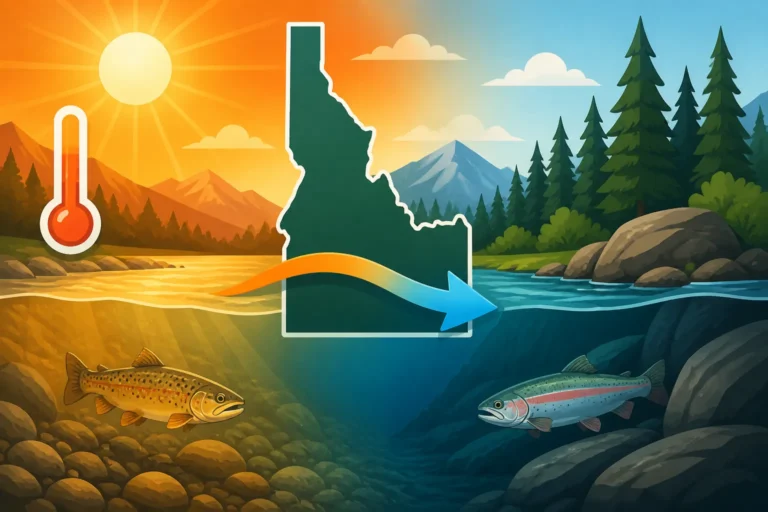
When air temperatures soar, so does the water temperature in many of Idaho's lakes and rivers. This isn't just uncomfortable for fish; it changes their entire world. Warmer water holds less dissolved oxygen, which is like us trying to run a marathon in thin mountain air – it's just harder to breathe and exert energy.
Imagine being a trout in a sun-baked river. Your metabolism speeds up, you need more oxygen, but there's less of it available. What do you do? You get sluggish. You conserve energy. You move to areas with cooler, more oxygenated water, and you certainly don't feel like chasing down a fast-moving lure. Species like trout are particularly sensitive to these changes, often becoming very stressed in water above 65-70°F. Bass, perch, and catfish, while more tolerant, still respond by moving to deeper, cooler zones or becoming less active during the hottest parts of the day. This shift in behavior is crucial to acknowledge, and it dictates when and where you should focus your efforts.
Daytime Strategies vs. Cool Water Sanctuaries
So, if peak daylight hours are tough, what’s an angler to do? The answer often lies in finding those "cool water sanctuaries." For rivers, this might mean targeting shaded stretches, deep pools, or areas where cool springs enter the main flow. In lakes and reservoirs, fish will retreat to deeper water where the sun's rays don't penetrate as effectively, or where springs might feed in. You might also find fish congregating around structures, under docks, or in dense vegetation, not just for cover from predators, but for the subtle temperature breaks these spots can offer.
Trying to fish a shallow, open flat on a scorching afternoon is often an exercise in futility. Instead, savvy anglers pivot their strategy, either by focusing on the coolest parts of the day or by actively seeking out water that hasn't succumbed to the full blast of summer heat. It's about working with nature, not against it, and recognizing that fish are simply trying to survive. This also ties into being a responsible angler, as fighting a fish that's already stressed by warm water can be lethal upon release.
The Golden Hours: Best Times of Day for Summer Fishing
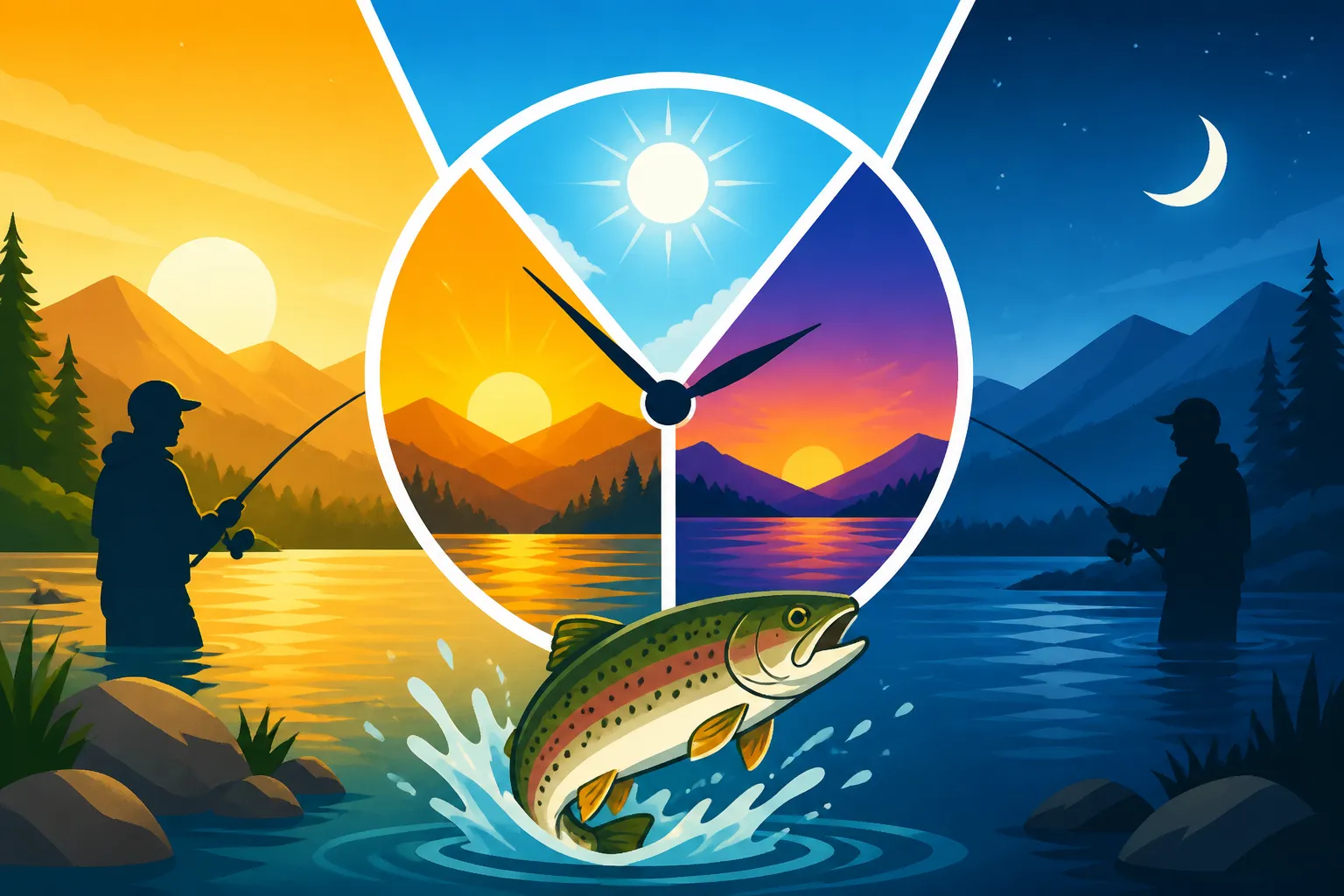
When the midday sun turns Idaho's waters into a warm bath, you need to shift your schedule. The true "best times" to fish revolve around those brief windows when temperatures drop and fish become more active. It takes a little dedication, but the rewards are well worth it.
Embracing the Dawn Patrol
If you want consistent success during Idaho's summer, set that alarm clock. The hours just before and after sunrise are, without a doubt, your best bet. Think about it: the water has had all night to cool down, oxygen levels are at their highest, and fish that have been lying low during the heat of the day are finally ready to stretch their fins and feed.
This "dawn patrol" means being on the water well before the sun crests the horizon. Seriously, aim to have your line wet as soon as you can see. The early morning light is often low and diffused, providing a sense of security for fish that might be skittish during brighter periods. You'll likely encounter less boat traffic and fewer anglers, creating a calmer, more productive environment. Trout will often move into shallower riffles and feeding lanes, bass will cruise the shorelines, and kokanee might rise higher in the water column. You'll be surprised how much action you can get in just a couple of hours before the sun gets too high and the bite shuts off. This early window is absolutely critical for species sensitive to temperature.
The Evening Twilight Bite
While the early morning often reigns supreme, don't discount the evening. As the sun begins its descent and the air cools, Idaho's waters slowly start to shed some of that daytime heat. This transition period, from late afternoon through dusk and into the first hour or two after sunset, can spark another feeding frenzy.
In rivers, aquatic insects often begin to hatch as evening approaches, bringing trout to the surface for a delicious meal. On lakes and reservoirs, baitfish might move into shallower coves, drawing in hungry predators like bass and perch. The softening light provides an advantage to fish, making them bolder and more willing to chase a lure or fly. Just like the morning, this is a distinct window of opportunity, but it requires patience. The peak of the evening bite might not kick in until the sun has completely disappeared, leaving you with that magical twilight glow. This is a fantastic time to try fishing some of Idaho's year-round fishing waters where the fish get a little reprieve from the heat.
Night Fishing for the Dedicated Angler
For those truly dedicated to avoiding the summer heat, night fishing is a game-changer. While it's certainly not for everyone, venturing out under the stars can unlock some incredible opportunities, especially for certain species that become much more active after dark.
Think of it: the water is at its coolest, there's minimal light penetration, and many of the bigger, more cautious fish feel safe enough to move into shallower feeding areas. Bass, walleye, and especially catfish are prime targets for night fishing. In some of Idaho's deeper lakes, trophy lake trout that hug the bottom during the day might cruise closer to the surface. Of course, night fishing comes with its own set of challenges, primarily safety and visibility. A good headlamp, like those you can easily find on Amazon, is absolutely essential, along with glow-in-the-dark lures or those equipped with internal lights. You'll need to know your fishing spot well and take extra precautions, but for the adventurous angler, the peace and quiet—and the potential for big fish—can make it an unforgettable experience.
Tactical Adjustments for Summer's Warmest Days
Fishing in the summer heat isn't just about timing; it's about adapting your entire approach. The tactics that work in spring or fall simply won't cut it when the mercury climbs. You need to think like a fish, finding their comfort zones and presenting your offerings accordingly.
Targeting Different Depths and Cover
When the sun beats down, fish aren't going to be hanging out in plain sight on shallow, open flats. They're seeking refuge, and your job is to find those hideouts. In rivers, this means focusing on the deepest pools, the shady side of the river, undercut banks, log jams, and dense overhanging vegetation. These areas offer both cooler water and protection from predators. Don't be afraid to cast right into the thickest cover you can find; that's often where the biggest, smartest fish are holding.
For lake and reservoir fishing, depth is your friend. Fish will often retreat to the thermocline – that layer of water where the temperature changes rapidly – or even deeper, seeking out the coolest, most oxygenated water available. If you have a fish finder, use it to locate bait balls and game fish holding in deeper channels or around submerged structures. If you're fishing from shore or a kayak, target points that drop off quickly, shaded coves, or areas near submerged timber. Techniques like vertical jigging or slow trolling with downriggers can be incredibly effective for reaching these deeper fish. Remember to always check the latest Idaho fishing regulations explained for specific waters, as some may have depth restrictions or special rules for certain species.
Gear and Lure Considerations for Warm Water
Fish in warm, oxygen-depleted water are generally less aggressive. They're not going to expend a lot of energy chasing down a fast-moving, flashy lure. This means you need to adjust your gear and lure choices to tempt these lethargic feeders.
- Slow Down Your Presentation: This is perhaps the most crucial adjustment. Instead of fast retrieves, opt for slow, deliberate movements. Let your bait or lure sit longer in the strike zone.
- Live Bait: During tough summer conditions, live bait can often outperform artificials because it's natural and requires less energy from the fish to investigate and eat. Worms, crickets, minnows, or even local insects can be incredibly effective.
- Scent: Adding scent to your lures can make a huge difference. Fish rely heavily on their sense of smell, especially when visibility is low (like at night) or they're not actively feeding by sight. There are many scent attractants available, often found alongside lures on Amazon, that can entice a hesitant fish to bite.
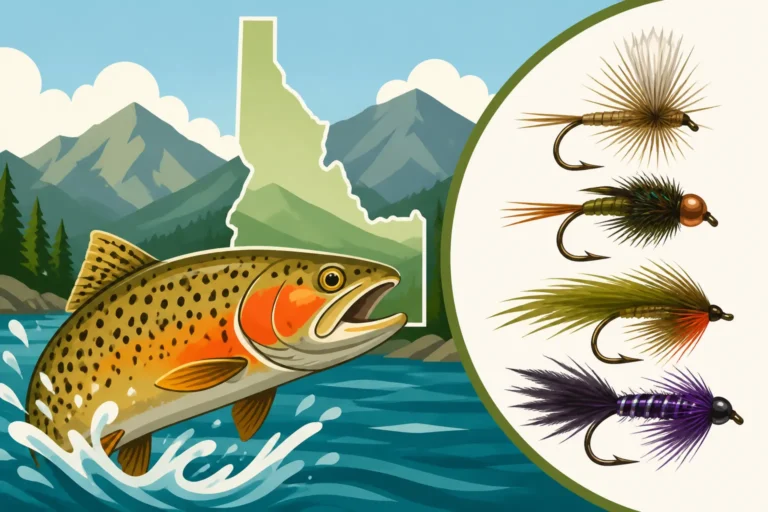
- Subtle Lures: Smaller, more natural-looking lures, soft plastics, or flies can be more effective than large, noisy ones. Think finesse. For bass, a Texas-rigged worm or a shaky head jig worked slowly can often get bites when crankbaits fail. For trout, try small dry flies in the evening or deeply drifted nymphs during the day.
- Line Strength: While finesse implies lighter line, remember that you might be pulling fish out of heavy cover, especially for bass or catfish. Balance your finesse approach with enough strength to land your catch.
Prioritizing Fish Health and Responsible Angling
This is paramount. When water temperatures are high, fish are already under significant stress. Catch-and-release, while a noble practice, can quickly turn into catch-and-kill if not done properly during warm conditions. Your actions as an angler have a direct impact on the survival of the fish you release.
- Minimize Fight Time: Use appropriate tackle that allows you to land the fish quickly, reducing exhaustion.
- Keep Fish in Water: Avoid removing fish from the water as much as possible, especially trout. A quick photo with the fish still submerged is always best. Their gills can be damaged and they struggle to breathe when exposed to air.
- Wet Your Hands: Always wet your hands before handling a fish to protect its delicate slime coat, which acts as a protective barrier against disease.
- Use Barbless Hooks: Barbless hooks, or hooks with pinched barbs, make it much easier to remove the hook quickly and cleanly, reducing damage to the fish's mouth. This is particularly important for species like sturgeon, where barbless hooks are mandated by Idaho regulations.
- Know When to Stop: If fish are consistently showing signs of stress upon release (e.g., struggling to swim away, floating on their side), consider calling it a day or moving to cooler waters. Respecting the resource means knowing when to prioritize the fish's well-being over your desire to catch more. Always be aware of specific Idaho catch limits and bag limits explained for your target species and water.
Location, Location, Location: Summer Hot Spots
While timing your fishing trip is vital, choosing the right location that inherently offers cooler water can make all the difference when battling Idaho's summer heat. Certain types of waters are simply more resilient to temperature increases, offering better conditions throughout the day.
High-Elevation Lakes and Spring Creeks
When the valleys are baking, the mountains are calling. High-elevation lakes in areas like the Sawtooths, White Clouds, or Selkirks often remain wonderfully cool, even in the dog days of summer. These lakes are fed by snowmelt and cold springs, maintaining water temperatures that are ideal for trout. The fish in these pristine waters are often more active throughout the day, though early mornings and evenings are still prime. The trade-off is often a hike to get there, but the solitude and stunning scenery, combined with eager trout, make it an unforgettable experience.
Similarly, spring creeks, like the renowned Silver Creek or portions of the Henry's Fork, maintain remarkably consistent and cool water temperatures year-round thanks to their underground spring sources. These waters are biological anomalies, offering fantastic fishing even when nearby rivers are too warm. While often challenging to fish due to clear water and educated trout, they are a haven for anglers seeking productive summer fishing without the heat stress. Exploring Idaho's Best High Mountain Lakes in Idaho for Fishing can guide you to these cooler havens.
Tailwaters and Deep Reservoirs
Another excellent strategy for beating the heat is to target tailwaters—the sections of river immediately below large dams. Many of Idaho's major reservoirs, like Dworshak or Lucky Peak, release water from their depths. This released water is significantly colder than surface water, creating cool, oxygen-rich environments downstream. These tailwater fisheries can be incredibly productive for trout, offering consistent conditions even during severe heatwaves. Always be mindful of fluctuating flows and changing water levels in these sections.
Deep reservoirs themselves also offer respite. While their surface layers might warm up considerably, the deeper sections maintain much cooler temperatures. Fish in these reservoirs, whether it's bass, perch, or lake trout, will seek out these cooler depths. Learning how to fish for kokanee in Idaho often involves trolling at specific depths to find these cooler pockets. Focus on areas with significant depth changes, submerged creek channels, or the main lake basin where the deepest water is found.
River Sections with Heavy Shade or Fast Flows
Even on rivers that generally warm up, you can find productive pockets by seeking out micro-climates. Look for stretches of river with extensive tree cover or canyon walls that provide consistent shade throughout the day. These shaded sections will hold cooler water and more active fish. Similarly, faster-flowing sections of a river tend to be more oxygenated and cooler than slow, placid pools. While fish might not hold directly in the fastest current, they'll often be found in the seams and eddies adjacent to these oxygen-rich areas. Focusing on these specific features can often salvage a summer fishing trip on a seemingly warm river.
| Time of Day | Best for Idaho Summer Heat Fishing | Fish Behavior & Conditions | Recommended Species | Key Tactics |
|---|---|---|---|---|
| Pre-Dawn to Sunrise | Excellent | Water at coolest, highest oxygen levels; fish actively feeding after night's rest. | Trout, Bass, Kokanee, Perch | Focus on shallow feeding zones, topwater for bass, small spinners/flies for trout, trolling higher in water column for kokanee. Be there before first light. |
| Early Morning (1-2 hrs post-sunrise) | Good | Still relatively cool; fish remain active before heat sets in; gradually retreating deeper. | Trout, Bass, Perch, Panfish | Continue with aggressive presentations; begin targeting shaded banks, deeper runs, and drop-offs as sun rises. |
| Mid-Morning to Afternoon | Poor to Very Poor | Hottest water, lowest oxygen; fish lethargic, seeking deep water/heavy cover. | Catfish (often still active in deep, slow water) | Avoid unless targeting deep-water species or very shaded/spring-fed areas. Focus on deep vertical jigging, heavy cover flipping/pitching. High mortality risk for released trout. |
| Late Afternoon to Sunset | Fair to Good | Water slowly cooling; fish starting to move, insects hatching, light fading. | Trout, Bass, Panfish, Crappie | Target shaded banks; watch for evening hatches on rivers (dry flies); bass may move shallower. Start slow, get more aggressive as light fades. |
| Dusk & Evening (1-2 hrs post-sunset) | Good | Water continues to cool; low light provides security; nocturnal feeders become active. | Bass, Catfish, Walleye, some Trout | Topwater lures for bass; cut bait/stink bait for catfish; deep-diving cranks or jigs for walleye. Use scent, glow lures. Focus on shallower feeding flats. |
| Night (Deep Night) | Excellent (for specific species) | Coolest water; nocturnal predators dominant; less angler pressure. | Catfish, Walleye, Large Lake Trout, Bass | Specialized night fishing gear (headlamps, glow lures). Focus on structure, drop-offs, and shallower feeding areas where big fish feel safe. Be aware of safety and local regulations for night fishing. |
This article for general informational purposes only and does not constitute professional advice. Laws, prices and regulations vary by location and change over time. Consult a qualified professional for guidance on your specific situation.