How to Fish for Lake Trout at Priest Lake in Winter
Trying to target those elusive, monster lake trout (or Mackinaw, as many old-timers call them) through the ice on Priest Lake in the dead of winter can feel like you're searching for a needle in a massive, frozen haystack. The sheer size and depth of the lake, coupled with the often brutal North Idaho cold, makes for an incredibly challenging yet immensely rewarding pursuit. This guide will walk you through everything you need to know to increase your odds of success, from understanding the fish's winter habits to the specific gear and techniques that give you an edge.
The Unique Challenge of Winter Lake Trout Fishing on Priest Lake
Priest Lake is a jewel in Idaho's crown, known for its pristine waters, stunning scenery, and, most importantly, its robust population of trophy-sized lake trout. But when the mercury plummets and the lake freezes over, these incredible fish don't just stop biting; they change their behavior dramatically, making them a puzzle to solve. Many anglers get frustrated because what worked in summer simply doesn't translate to the hard water.
Understanding Lake Trout Behavior in Winter
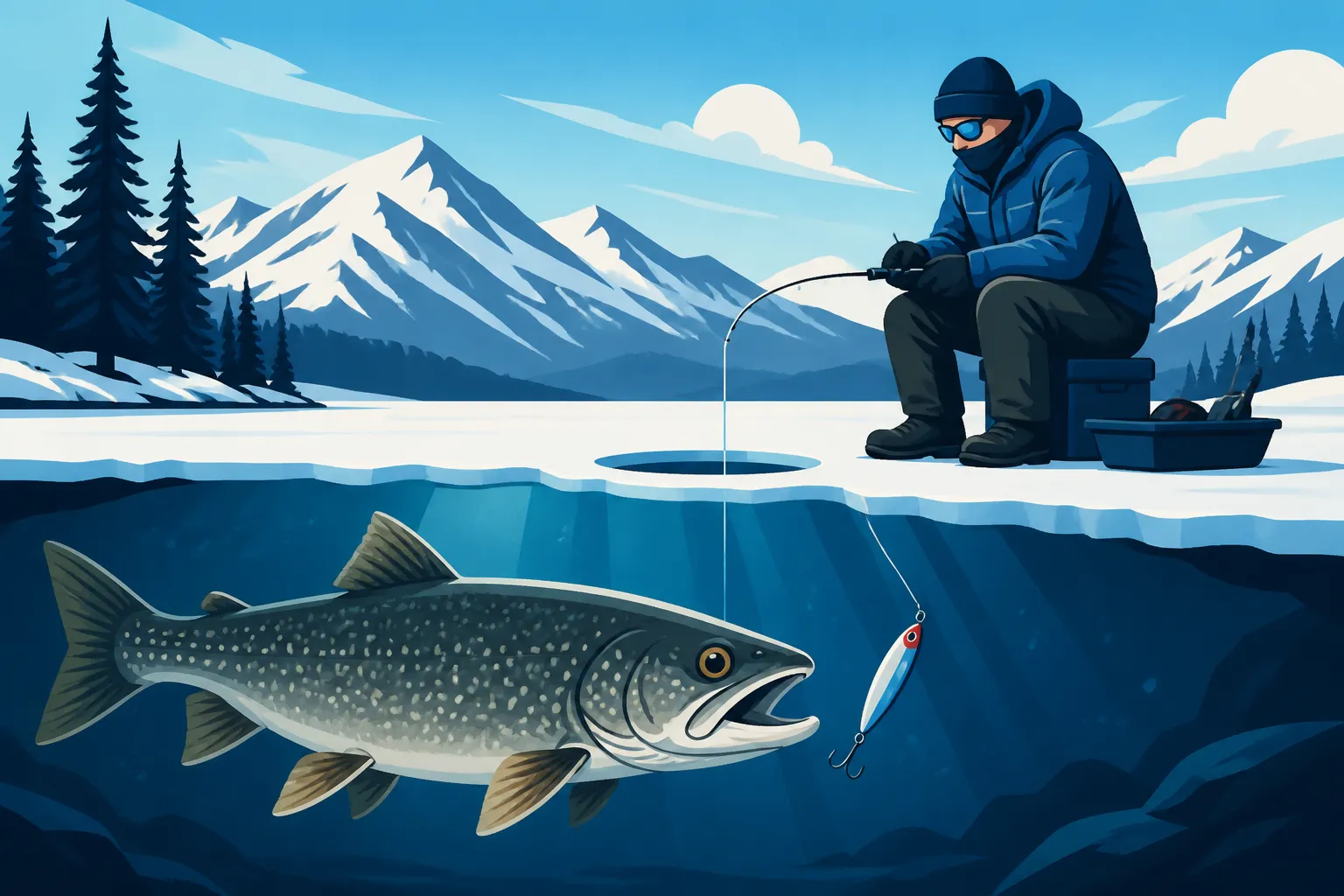
During the summer months, lake trout often roam shallower waters or suspended mid-depths, chasing kokanee or other baitfish. But come winter, especially under thick ice, their world changes. Lake trout tend to become more lethargic in the colder water, and their metabolism slows down. They are still actively feeding, but their movements might be less expansive, and they often relate more tightly to specific structures.
In Priest Lake, which boasts depths well over 300 feet in some areas, lake trout can be found anywhere from 30 to over 100 feet deep. It's not uncommon to mark fish even deeper, especially the really big ones. They'll often hug deep humps, ledges, points, and channel edges, particularly areas where baitfish might congregate. This means you can't just drill a hole anywhere; you need to understand the lake's underwater topography and focus your efforts on these prime structural elements. Think of it like this: if you were hunting elk in the mountains, you wouldn't just wander aimlessly; you'd look for natural travel corridors, feeding grounds, and bedding areas. It's the same principle here, but underwater and under ice.
Why Priest Lake is a Winter Lake Trout Mecca
Despite the challenges, Priest Lake remains one of the premier destinations for targeting winter lake trout, and for good reason. The lake's deep, cold, oxygen-rich waters provide an ideal habitat for these large, long-lived predators. Unlike some other waters, Priest Lake consistently produces "Mackinaw" that can weigh into the double digits, with genuine trophy potential. You’ll find stories of anglers pulling out fish well over 20 pounds, and sometimes even larger. This pursuit is less about catching a high volume of fish and more about the quality and potential size of a single bite. The chance to hook into one of these freshwater giants through a small hole in the ice is what keeps anglers coming back, despite the numb fingers and frosty breath. To truly appreciate the potential here, it's worth checking out "How Big the Lake Trout in Priest Lake Get" to understand the caliber of fish you're pursuing.
Essential Gear for Ice Fishing Priest Lake's Mackinaw
Preparing for a winter lake trout trip on Priest Lake is serious business. You’re not just fishing; you’re battling the elements, and being unprepared can turn a dream trip into a miserable ordeal. This isn't your casual pond-hopping ice fishing scenario; the depths, the cold, and the size of the target species demand specialized equipment.
The Right Ice Fishing Setup
For Priest Lake lake trout, you need gear that can handle big fish in deep water. A flimsy rod will snap, and a small reel will get spooled.
- Rods: Look for heavy-action ice fishing rods, typically 36 to 48 inches long. These rods need enough backbone to set the hook deeply in a large fish’s jaw and to handle powerful runs. Brands like St. Croix or Fenwick offer excellent options specifically designed for heavy-duty ice fishing.
- Reels: Pair your heavy rod with a reliable spinning or baitcasting reel in a 3000-4000 series size (for spinning) or a similar heavy-duty baitcasting model. It needs a smooth drag system and good line capacity. You don't want your drag freezing up when a 20-pound Mackinaw decides to run for the abyss.
- Line: This is crucial. I recommend 15-20 lb braided main line for sensitivity and strength, with a 10-15 lb fluorocarbon leader. The braid will help you feel those subtle bites in deep water, and the fluorocarbon is virtually invisible to wary lake trout. Ensure your knots are strong; a double uni-knot or FG knot are excellent choices for connecting braid to fluorocarbon.
Electronics and Navigation
In a lake as vast and deep as Priest Lake, electronics aren’t a luxury; they’re a necessity.
- Fish Finder (Flasher/Sonar): A high-quality flasher or sonar unit is your eyes underwater. Brands like Vexilar, Marcum, or Humminbird are popular. These units show you the depth, your lure, and most importantly, any fish that come into your sonar cone. Being able to see how fish react to your presentation in real-time is an absolute game-changer. You can find a wide range of these devices, from entry-level to advanced, on sites like Amazon, making it easy to compare features and prices before heading out.
- GPS Unit/App: Priest Lake has numerous humps, drop-offs, and points that hold fish. A GPS unit (either a dedicated device or a reliable app on your smartphone/tablet) loaded with lake maps is essential for finding and returning to productive spots. Mark your waypoints for structure, past catches, and even safe travel paths. Remember to download maps for offline use if using a phone, as cell service can be spotty. This will help you identify "Priest Lake's Trophy Lake Trout Fishing Grounds" more effectively.
- Underwater Camera (Optional but highly recommended): An underwater camera can be incredibly insightful, letting you see the bottom composition, baitfish schools, and how lake trout are interacting with your lure. It's an amazing tool for learning.
Ice Safety and Cold Weather Gear
Your personal safety is paramount. The ice on Priest Lake can be unpredictable, and the weather unforgiving.
- Ice Augers: A good auger is non-negotiable. For lake trout, you'll want at least an 8-inch, preferably a 10-inch, auger to create a hole large enough to land a big fish. Power augers (gas or electric) are highly recommended for drilling through thick ice efficiently.
- Ice Picks/Spud Bar: Always carry a pair of ice picks around your neck and a spud bar to test ice thickness as you move. Don't rely solely on visual cues. Knowing "How Thick Ice Needs to Be Before You Ice Fish" is critical for safety.
- Flotation Suit: Invest in a high-quality flotation suit (e.g., from Clam or Striker Ice). These suits are insulated for warmth and designed to keep you afloat if you break through the ice.
- Layered Clothing: Dress in layers. Start with a moisture-wicking base layer, add insulating layers (fleece, down), and finish with a waterproof and windproof outer shell. Don’t forget a warm hat, gloves (consider heated ones for extreme cold, readily available on Amazon), and insulated, waterproof boots. You'll thank me when the wind picks up or the snow starts falling. Learn more about staying comfortable in "How to Stay Warm Ice Fishing in North Idaho."
- Shelter: A portable ice fishing shelter (pop-up or flip-over style) provides crucial protection from the wind and cold, making your time on the ice much more enjoyable and safer.
Mastering Techniques for Priest Lake Winter Lake Trout
Catching a Mackinaw through the ice requires a blend of patience, persistence, and precise technique. It's not just about dangling a line; it's about understanding how to entice these often-finicky predators.
Locating the Fish
The first step, and arguably the most important, is finding the fish.
- Focus on Structure: Lake trout in Priest Lake will gravitate towards underwater structure. Look for distinct depth changes, submerged humps, points, and old river channels. Pay particular attention to areas where these structures intersect or create bottlenecks. Your GPS and sonar will be indispensable here. Start your search around known deep-water structure, sometimes even in depths similar to "How Deep Lake Trout Hold in Priest Lake in Summer" as they might still relate to those areas, just deeper.
- Drill Multiple Holes: Don’t be afraid to be mobile. Drill a series of holes along a contour or across a hump, moving every 15-30 minutes if you’re not seeing any activity on your sonar. This is often called "hole hopping," and it's essential for covering water.
- Watch for Baitfish: If you see large schools of baitfish (often kokanee or whitefish) on your sonar, you can bet the lake trout won’t be far behind. These areas are natural feeding grounds.
Presentation and Lure Selection
Once you've found a promising spot, it's all about what you tie on and how you work it.
- Jigging Spoons: These are bread and butter for lake trout. Heavy jigging spoons (1/2 oz to 1 oz or more) in silver, gold, white, or glow patterns are effective. Brands like Swedish Pimple, Acme Kastmaster, or Gibbs Delta spoons are perennial favorites. Tip them with a piece of cut bait (sucker, herring, or even a small kokanee) or a Gulp! minnow for added scent and appeal.
- Tube Jigs: Large tube jigs (3-5 inches) in white, pearl, or glow patterns, often tipped with bait, are deadly for lake trout. Work them with a sharp jigging motion and then let them flutter down on a slack line.
- Blade Baits: Vibrating blade baits like a Sebile Vibe or a Johnson Thinfisher can trigger aggressive strikes.
- Deadsticking: While actively jigging one rod, it's often effective to set up a second rod (where regulations allow, always check "Idaho Fishing Regulations Explained") with a deadstick presentation. This simply means setting a rod in a rod holder with a live minnow (if legal and available) or a large piece of cut bait suspended just off the bottom or at the depth where you're marking fish. Often, a lethargic lake trout will prefer a motionless, easy meal.
- Vary Your Retrieve: Don't get stuck on one jigging pattern. Experiment! Try aggressive rips, then long pauses. Try subtle lifts and drops. Often, the fish will tell you what they want. Watch your flasher; if a fish comes in and then leaves, try changing your jigging action. Maybe they want a slower, more deliberate retrieve, or perhaps something more erratic.
The Fight and Landing
Hooking into a Priest Lake Mackinaw is an adrenaline rush, but landing it requires a cool head.
- Set the Hook Hard: Lake trout have tough mouths. When you feel a bite, set the hook with authority.
- Manage the Drag: Let the fish run when it wants to, but maintain steady pressure. Don't try to horse it in, especially if it's a big one in deep water. You risk tearing the hook out or breaking your line.
- Clear the Hole: If you're using a large lure, be ready to guide the fish's head into the hole. Clear any slush or ice chunks from the hole beforehand.
- Gaff or Large Net: For big lake trout, a sturdy gaff (if you intend to keep the fish and it's legal) or a very large, long-handled landing net is essential to safely bring the fish onto the ice.
Ice Safety and Regulations for Your Priest Lake Adventure
A successful ice fishing trip isn't just about catching fish; it's about making it home safely. Priest Lake is a vast, deep body of water, and winter conditions can be extreme. Ignoring safety protocols is a recipe for disaster.
Prioritizing Ice Safety
Never assume the ice is safe. Conditions can vary greatly across the lake, and even daily.
- Check Ice Thickness: The absolute minimum safe ice thickness for walking is 4 inches of clear, solid ice. For a snowmobile or ATV, you need at least 5-7 inches, and for a small vehicle, 8-12 inches. Remember, this is clear, solid ice. Snow-covered ice, slushy ice, or ice near currents, inlets/outlets, or pressure ridges can be significantly weaker. Always check as you go with a spud bar. You can get a deeper dive into safe practices by reading "How Thick Ice Needs to Be Before You Ice Fish."
- Go with a Buddy: Never ice fish alone, especially on a large lake like Priest. If something goes wrong, a buddy can be a lifesaver.
- Share Your Plan: Tell someone where you're going and when you expect to return.
- Stay Hydrated and Fed: Even in cold weather, you can become dehydrated. Bring plenty of water and high-energy snacks.
- Recognize Hypothermia: Know the signs of hypothermia (shivering, confusion, slurred speech) and how to respond.
Navigating Idaho's Fishing Regulations
Ignorance of the rules is no excuse. Idaho Fish and Game has specific regulations for different species and bodies of water.
- Current Fishing License: Before you even step foot on the ice, ensure you have a valid Idaho fishing license. Non-residents have different requirements than residents, so be sure to check the details in the "Idaho Fishing License Cost Guide" or "Idaho Fishing License Guide".
- Lake Trout Limits: Always check the most current Idaho Fishing Regulations brochure for Priest Lake. Bag limits, size restrictions, and gear restrictions (e.g., number of rods allowed) can change annually.
- Barbless Hooks: While not always required for lake trout, it’s a good practice, especially if you plan to catch and release some fish, as it minimizes harm. It's often required for other species like sturgeon and steelhead.
- Cleanliness: Pack out everything you pack in. Leave no trace, including fishing line, bait containers, and trash. Respect the environment and other anglers.
- Know Your Fish Identification: Sometimes, other species like Bull Trout (which are protected) can be caught by mistake. Know how to identify them and release them unharmed immediately if caught. Understanding other related topics like "Idaho Fishing Season Dates and Limits" can prevent accidental violations.
A winter lake trout adventure on Priest Lake is an experience unlike any other. It demands respect for the environment, diligent preparation, and a willingness to learn and adapt. But for those who embrace the challenge, the reward of hooking into one of Idaho’s true giants through the ice is a memory that will last a lifetime. Get geared up, stay safe, and good luck out there!
Disclaimer
The information provided in this guide is for general informational purposes only and is subject to change. Fishing regulations, ice conditions, and fish behavior can vary significantly. Always consult the official Idaho Fish and Game regulations and local conditions before heading out on the ice. Personal safety is your responsibility; always prioritize safe practices on the ice.