How to Troll for Kokanee on Lake Coeur d’Alene
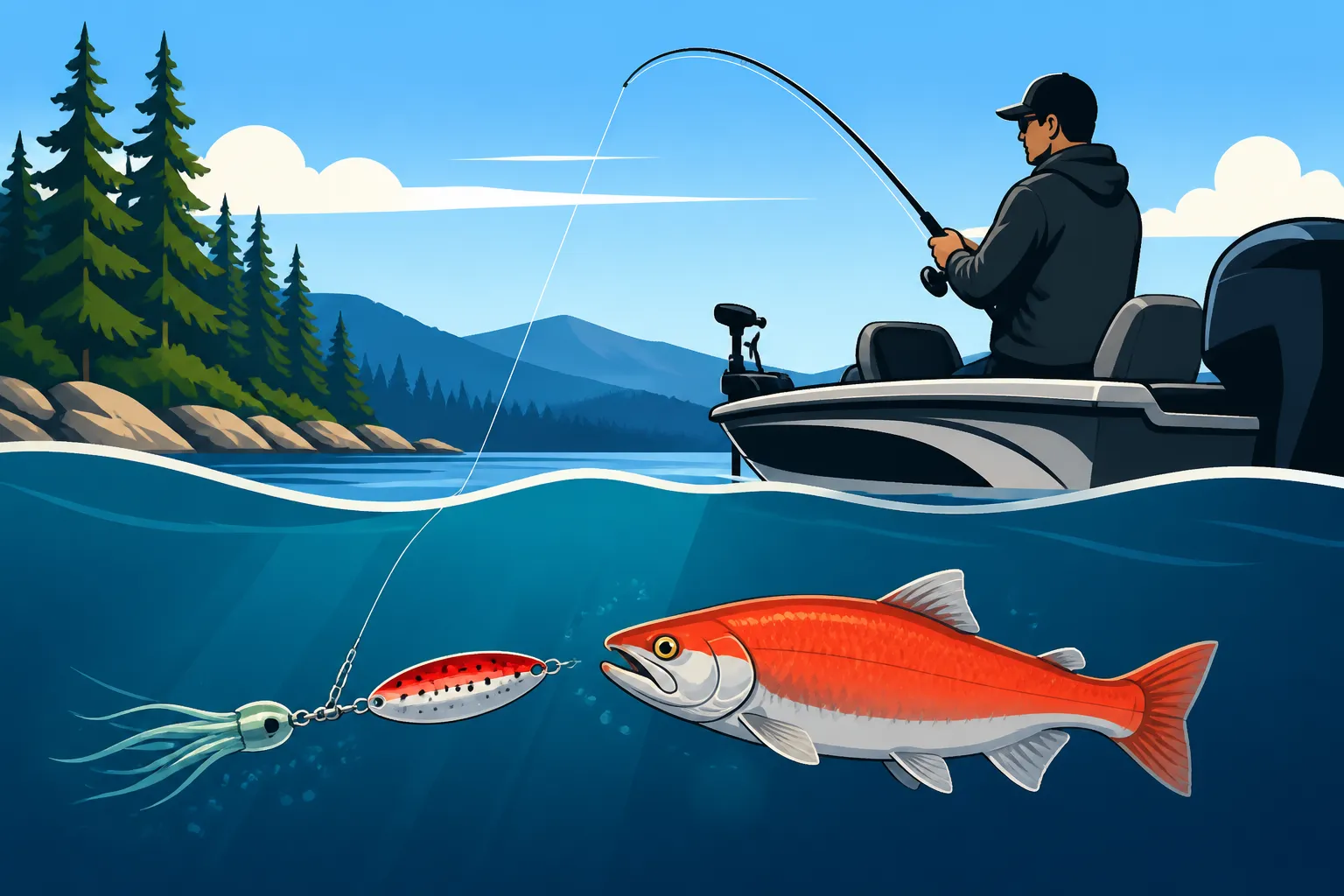
Oh, the elusive kokanee on Lake Coeur d'Alene! Many anglers, myself included, have spent countless hours out on that beautiful water, scratching our heads, wondering why those shimmering silver beauties just aren't biting, or worse, can't be found. It's a common frustration, especially when you know they're there, schooling up in massive numbers. This comprehensive guide is dedicated to pulling back the curtain on the art and science of trolling for kokanee on Lake Coeur d'Alene, sharing the nuanced techniques and local insights you need to turn those frustrating outings into successful, rod-bending adventures.
Understanding Lake Coeur d'Alene Kokanee
Before we even talk about rods and reels, it's crucial to really understand the fish we're after. Kokanee salmon are not your typical trout; they have unique behaviors, preferences, and seasonal patterns that, once understood, become the bedrock of a successful trolling strategy. Think of it like trying to speak a different language – you can't just shout louder; you need to learn the grammar and vocabulary.
Kokanee Behavior and Habitat
Kokanee, as many folks know, are landlocked sockeye salmon. This lineage means they retain many of their ocean-dwelling cousins' instincts, even though they're living in a freshwater lake. They are primarily plankton eaters, sifting microscopic organisms from the water column. This diet dictates their schooling behavior and their preference for specific water conditions. You'll rarely find a lone kokanee; they thrive in large, tightly packed schools. These schools are their defense mechanism against predators like chinook salmon, lake trout, and even ospreys and eagles.
Their habitat preferences are largely driven by water temperature and oxygen levels. Kokanee prefer cool, well-oxygenated water, typically between 45 and 55 degrees Fahrenheit. In Lake Coeur d'Alene, this means they'll move around quite a bit throughout the year, chasing those ideal conditions. During the warmer summer months, they'll often "thermal stratify," meaning they'll hold in a specific layer of water where the temperature is just right, even if that means going deep. This is why knowing "What Depth Kokanee Hold at in Summer on Idaho Lakes" is so crucial for success. They are also incredibly light-sensitive. Bright, sunny days often push them deeper or into shaded areas, while overcast conditions or dawn/dusk can bring them higher in the water column. Understanding these subtle behavioral cues is like having a secret weapon in your tackle box.
Seasonal Movements and Depths
The seasonal movements of kokanee on Lake Coeur d'Alene are perhaps the single most important factor for consistent success. It's not a "one size fits all" fishery throughout the year.
- Spring (Ice-Out to Early June): As the lake sheds its winter chill and the ice finally recedes, kokanee start to become more active and are often found shallower. The entire water column is cooling down or warming up, so they might be anywhere from the surface down to 30 feet. This is when they really start to feed aggressively after a long winter. The pre-spawn feeding frenzy is starting, and they're looking to bulk up. You might find them cruising points, bays, and areas where inflowing water brings nutrients.
- Summer (June to September): This is when Lake Coeur d'Alene kokanee go deep. As surface temperatures climb into the 70s, the kokanee seek refuge in the cooler, deeper parts of the lake. They'll form distinct temperature bands, often holding at 40-80 feet, sometimes even deeper, depending on the thermocline. Locating this thermocline with your fish finder is absolutely essential. They’ll congregate in huge schools in the main basin areas, particularly off significant points and drop-offs. Morning and evening bites are usually the most productive, as they may rise slightly to feed.
- Fall (September to November): As the lake water cools, kokanee begin their pre-spawning ritual. Their colors deepen, and their jaws hook. They move towards spawning areas, typically tributaries like the Coeur d'Alene River or the St. Joe River, or even shallower gravel beds within the lake. While catching them during this time is possible, many anglers choose to let them complete their spawning cycle, respecting the fishery. They become increasingly aggressive, though, as their biological imperative takes over.
- Winter (November to Ice-Over): If the lake doesn't fully freeze, kokanee can still be caught, though their metabolism slows. They'll be deep, often 60 feet or more, and the bite can be subtle. Ice fishing is also a popular option on some of the smaller, shallower lakes in the region, but on Lake Coeur d'Alene itself, winter boat trolling can be productive for those brave enough to face the cold.
Understanding these patterns is key. For example, if you're out in July and fishing 15 feet down, you're likely wasting your time. Adjusting your depth is paramount to success.
Essential Gear for Kokanee Trolling
Trolling for kokanee isn't just about putting a lure in the water and driving around. It's a specialized form of fishing that requires specific gear to be consistently effective. Many a novice angler has been frustrated trying to catch kokanee with their bass fishing setup, and it simply won't cut it. The nuances of presenting a small lure at a precise depth, often many feet behind the boat, demand the right tools for the job.
Rods, Reels, and Line Selection
Choosing the right rod, reel, and line for kokanee trolling makes a huge difference in your ability to detect strikes, control the fish, and handle your gear effectively.
- Rods: Look for a sensitive, moderate-action rod typically 7 to 8.5 feet long. Fiberglass rods or composite rods that bend through the upper two-thirds are excellent choices. This moderate action is critical for two reasons: First, kokanee have soft mouths, and a stiff rod can easily tear the hook out during a fight. A more forgiving, "noodle" action absorbs the head shakes. Second, when trolling with flashers and dodgers, a softer tip allows the attractor to work its magic without overpowering the lure's action. Brands like Lamiglas, Shakespeare, or ugly stik (available on Amazon) offer great options specifically designed for kokanee and trout trolling.
- Reels: A small, lightweight baitcasting reel or a compact line counter reel is ideal. Line counter reels are incredibly useful for precisely setting your trolling depth, especially when using lead core or simply replicating a successful depth with downriggers. A smooth drag system is non-negotiable, as kokanee are surprisingly strong fighters for their size. Look for reels with a high retrieve rate to quickly gain line when a fish is on or to clear lines for turns.
- Line: Mainline should typically be 10-15 lb test monofilament or braided line. Many anglers prefer monofilament for its stretch, which again, helps with those soft kokanee mouths. If using braid, consider a 10-foot fluorocarbon leader (6-8 lb test) between the braid and your main leader to the dodger/lure. Fluorocarbon is less visible to the fish and offers excellent abrasion resistance. The main leader from your dodger to the lure should be even lighter, typically 8-12 inches of 6-8 lb fluorocarbon. The lighter leader allows the small kokanee lures to move freely and enticingly. Remember, kokanee have excellent eyesight and can be very line-shy, so keeping things light and invisible is crucial.
Downriggers, Dipsy Divers, and Lead Core
Getting your lure down to the precise depth where kokanee are holding is often the biggest challenge. This is where specialized depth control equipment comes into play.
- Downriggers: These are, by far, the most effective and precise way to troll for kokanee, especially in deeper water. A downrigger uses a heavy ball (often 8-15 lbs) attached to a cable, which is lowered to a desired depth. Your fishing line is clipped to a release clip on the downrigger cable. When a fish strikes, the line pops out of the clip, and you fight the fish directly on your rod, without the weight of the downrigger ball. This precision allows you to target specific depths with incredible accuracy. Brands like Scotty and Cannon are popular choices. When learning "Best Downrigger Setup for Kokanee on Lake Coeur d'Alene," you'll quickly realize how essential they are.
- Dipsy Divers (or similar diving planers): These devices clip onto your main line and use water pressure to dive to a predetermined depth, depending on their size and setting. They can get lures down without lead core or downriggers, but they offer less precise depth control and add resistance to the fight. They are good for covering different depths in shallower water or for spreading lines wider behind the boat.
- Lead Core Line: This is a specialized fishing line with a lead core wrapped in a braided sheath. Each "color" (usually 10 yards) of lead core line sinks to a specific depth at a given trolling speed. For example, a single color might get your lure down 5 feet, so if you let out 5 colors, your lure would be around 25 feet deep. It's a good alternative if you don't have downriggers, but it's less precise, requires specific rod setups, and adds drag during the fight. It also limits your ability to vary depths quickly. Many anglers will use a full spool of lead core on one rod and a monofilament setup with a downrigger on another to cover various depths.
Flashers, Dodgers, and Attractors
Kokanee are drawn to flash and vibration. These schooling fish respond incredibly well to the "dinner bell" effect created by attractors.
- Dodgers: These are thin, often spoon-shaped pieces of metal or plastic that wobble back and forth, creating a side-to-side darting action that pulls the trailing lure in an erratic dance. Dodgers are excellent for giving small kokanee lures an irresistible action. They come in various sizes and colors, with chrome, silver, gold, and vibrant greens/pinks being popular. The dodger's action is paramount; it needs to impart a lot of movement to the lure, but not spin it out. Common sizes for kokanee are 00 to 0 (typically 4-6 inches).
- Flashers: Similar to dodgers but designed to spin or rotate, creating a lot of flash and vibration. Flashers typically produce more vibration than dodgers and can be effective, especially in lower light conditions or stained water. However, they can sometimes overpower the action of very small kokanee lures, so it's often a matter of experimenting. The "Idaho Trolling Techniques Guide" often emphasizes the importance of matching your attractor to your lure.
- Colors and Finishes: Experimentation is key, but some tried-and-true favorites exist. Chrome, silver, and clear dodgers with prism tape are staples for bright days. For overcast days or deeper presentations, glow-in-the-dark, pink, green, orange, or even purple can be highly effective. Some brands like Shasta Tackle, Rocky Mountain Tackle, and Mack's Lures (easily found on Amazon) make a variety of highly effective dodgers and flashers specifically for kokanee.
Best Lures and Baits for Lake Coeur d'Alene Kokanee
Kokanee are notorious for being finicky eaters. They don't want a huge meal; they want something small, flashy, and scented. Matching your offering to their mood and what they're naturally feeding on is a game-changer. It's not uncommon to hear stories of anglers throwing everything in their tackle box at these fish until they finally hit on that one specific color or size that unlocks the bite.
Popular Lure Types and Colors
When it comes to lures for Lake Coeur d'Alene kokanee, smaller is generally better. Think subtle, enticing, and just enough flash.
- Small Hoochies/Squid Skirts: These soft plastic skirts, typically 1 to 2 inches long, are incredibly popular. Their subtle, pulsating action behind a dodger is often irresistible. Colors range from simple pink, orange, and green to more elaborate patterns with UV enhancement or glow features. A single bead or two is often threaded ahead of the hook for added attraction and to help space the hook correctly.
- Wedding Rings: A classic kokanee and trout lure, the Wedding Ring consists of a small spinner blade (often Colorado or Indiana style) ahead of a few beads, typically strung on a wire shaft with a single hook. The spinner provides flash and vibration, while the beads offer a compact, colorful profile. These are effective with or without a dodger, though a dodger usually enhances their appeal.
- Kokanee Jigs/Spoons: Very small jigs or casting spoons can also be effective, particularly when jigged vertically over schools or trolled slowly behind a dodger. Sizes typically range from 1/16 to 1/8 ounce. Colors like pink, chartreuse, and white are common. The key is their small profile and flash.
- Small Plugs/Wobblers: Specialized tiny plugs like those from Dick Nite or Vance's Tackle, often just 1 to 1.5 inches long, can also be deadly. Their erratic wobble imitates a small baitfish, even though kokanee are primarily plankton eaters. Again, behind a dodger, their action is amplified.
- Color Selection: This is often the most debated and experimental aspect. While there are no hard and fast rules, some patterns emerge:
- Pink and Orange: Universally popular and often a starting point. These colors stand out well in the water column.
- Green and Chartreuse: Excellent choices, especially when coupled with UV or glow features.
- Blue and Purple: Can be incredibly effective, particularly on bright days or in deeper, clearer water where they might mimic natural forage or simply appear less "loud."
- Metallics (Chrome, Silver, Gold): Used more on dodgers, but small metallic accents on lures can mimic scales.
- Glow and UV: Absolutely essential for deeper water or low light. Many kokanee lures today are specifically designed to glow or reflect UV light, making them more visible.
When choosing, consider the clarity of the water, the depth you're fishing, and the ambient light conditions. Always start with a couple of different colors and rotate until you find what they're hitting. The "Best Lures for Idaho Kokanee Fishing" article dives even deeper into specific brand and model recommendations.
Scent and Bait Enhancements
If there's one thing kokanee anglers swear by almost universally, it's scent. Kokanee have an incredible sense of smell, and adding a potent attractant to your lure can dramatically increase your hook-up rates.
- Shoepeg Corn: This is the most classic and widely used kokanee bait. A few kernels of shoepeg corn, dyed a bright color (like pink or chartreuse) and soaked in a potent kokanee attractant, are threaded onto the hook of your hoochie or Wedding Ring. The corn provides visual appeal, a soft texture, and a platform to carry scent.
- Scent Gels/Sprays: Numerous commercially available kokanee scents are on the market. Popular scents include anise, garlic, krill, shrimp, and various combinations. Brands like Pro-Cure, Pautzke, and Kokanee Killer make a wide array of highly effective scents. Apply these liberally to your lure and especially to your corn. The scent trail is critical for drawing in schools of kokanee. Many anglers will reapply scent every 15-20 minutes to maintain a strong presence.
- Bait Cure: Some anglers will cure their own corn or other baits with a mixture of scents, dyes, and sometimes even glitter. This process ensures the bait is deeply infused with attractant.
- Tips for Application: When adding corn, make sure it's securely threaded onto the hook so it doesn't spin off during trolling. For hoochies, some anglers will actually inject scent into the skirt itself using a small syringe to create a long-lasting release. The key is to create a scent plume that kokanee can home in on, especially when trolling through a school.
The Importance of a Small Presentation
This cannot be stressed enough: kokanee prefer small offerings. They have relatively small mouths and are accustomed to feeding on tiny plankton. A large lure, even if it has the right color and action, will often be ignored.
- Lure Size: Stick to lures that are generally 1 to 2 inches in length. This is where those mini hoochies, small wedding rings, and tiny spoons shine. Even your dodger size should be appropriate – a giant dodger might be too much for these finicky feeders.
- Hook Size: Use small, sharp hooks. Often, #4 or #6 single hooks are preferred, though some anglers use small treble hooks. The hooks should be light wire so as not to impede the lure's action. Gamakatsu and Owner make excellent, sharp hooks in appropriate sizes.
- Leader Length: The leader from your dodger/flasher to your lure is critical. It's usually very short, often 8 to 12 inches, but can vary. A shorter leader (8-10 inches) will give the lure more erratic action, directly influenced by the dodger. A longer leader (12-18 inches) will provide a more subtle, gliding action. Experiment with what the fish prefer on any given day. Too long, and the dodger's action won't transfer; too short, and the lure might look unnatural.
The combination of a small, perfectly sized lure, enhanced with irresistible scent, and presented subtly by a dodger is what truly catches the eye (and nose) of Lake Coeur d'Alene's kokanee.
Mastering Trolling Techniques
Once you've got your gear dialed in, it's time to put it to use on the water. Trolling for kokanee is more than just driving in circles; it's a careful dance between speed, depth, lure action, and boat control. Even subtle changes in your technique can lead to a banner day or a total shutout.
Optimal Trolling Speeds and Patterns
Trolling speed is perhaps the most critical variable after depth. It directly affects the action of your dodgers and lures.
- Speed Range: For kokanee on Lake Coeur d'Alene, the optimal trolling speed typically falls between 0.8 and 1.8 miles per hour (mph). This range allows dodgers to work effectively without causing lures to spin unnaturally. However, kokanee can be incredibly sensitive to speed. Sometimes 1.2 mph is the magic number, and other times they want 1.5 mph. Use your boat's GPS or a dedicated trolling motor with speed control to maintain a consistent speed.
- Varying Speed: Don't be afraid to experiment! Try brief accelerations and decelerations. This change in speed makes your dodger and lure twitch and dart, often triggering a strike from a hesitant fish. Think of it like a wounded baitfish making a sudden move. This is particularly effective when you mark a school of fish on your sonar but aren't getting bites.
- Trolling Patterns: Straight-line trolling is good for covering water, but turns are where the magic often happens.
- S-Turns: Gradually turning your boat in a series of S-shapes will cause your inside lines to slow down and sink slightly, while your outside lines will speed up and rise. This speed and depth variation can be a huge strike trigger. Many anglers consistently catch fish on the outside turn as the lure "flares" upwards.
- Zig-Zags: Similar to S-turns but often more abrupt, these patterns ensure you're constantly changing the speed and depth of your lures, covering more of the water column and triggering strikes.
- Contour Trolling: If you're marking fish along a specific depth contour (e.g., a drop-off), try to follow that contour. This keeps your lures in the strike zone longer. This is particularly effective in areas like the main basin or where "Best Fishing Spots in North Idaho" might have specific depths.
Reading Your Electronics: Fish Finders and Sonar
Your fish finder is your eyes underwater, and learning to interpret what it's telling you is fundamental to consistently catching kokanee. It's not just about seeing blobs; it's about understanding the nuances.
- Locating Schools: Kokanee often show up as dense, amorphous blobs or "clouds" on your sonar screen. Sometimes they look like a Christmas tree, especially if the school is stacked vertically. The size and density of these marks indicate the size of the school. Look for these concentrations, as they signify active feeding zones.
- Determining Depth: Your fish finder will show you the depth of these schools. Once you locate them, you can then precisely adjust your downriggers to put your lures right in front of their faces. If you see fish at 60 feet, set your downrigger to 60 feet.
- Identifying the Thermocline: Many modern fish finders can help identify the thermocline – the layer where warm surface water meets cold deep water. This transition zone is often where plankton congregates, and thus where kokanee will hold. Look for a distinct band on your sonar where the water temperature changes abruptly.
- Bottom Structure: While kokanee are pelagic (open water) fish, they often relate to underwater structure like old creek channels, humps, ledges, and major drop-offs, particularly where these features meet open water. These structural elements can concentrate plankton or provide current breaks.
- Understanding Sensitivity: Adjust your fish finder's sensitivity settings. Too low, and you'll miss subtle marks; too high, and you'll get too much clutter. Play with the settings until you get a clear picture of what's below. Learning "How to Find Kokanee on a Fish Finder" is an essential skill every kokanee angler develops.
Setting Up Your Spread and Leader Lengths
A well-organized trolling spread covers multiple depths and widths, increasing your chances of finding fish and identifying preferred patterns.
- Multiple Rods: Running multiple rods is almost standard practice for kokanee trolling. In Idaho, you are typically allowed two rods per angler with a standard license, and a second rod stamp can often be purchased. This allows you to experiment with different depths, colors, and lure types simultaneously.
- Staggering Depths: Don't run all your lines at the same depth. If you have two downriggers, for example, run one at 50 feet and another at 60 feet. If you mark fish at 55 feet, you've got them covered. You can also run a surface planer board or a lead core line to target shallower depths simultaneously.
- Spread Patterns:
- Downriggers: These are your main depth control. Position them off the stern, ideally one on each side, to keep lines separated.
- Planer Boards (if used): These float devices run lines out to the side of the boat, widening your trolling spread and keeping lures away from the boat's disturbance. Great for covering open water.
- Dipsy Divers/Lead Core: Can be run off additional rods, positioned to target specific depths that might be shallower than your downrigger lines or just to add another dimension to your spread.
- Leader Lengths (Dodger to Lure): As mentioned earlier, this is crucial. The standard starting point is 8-12 inches of fluorocarbon leader. However, be prepared to experiment. If the fish are aggressive, a shorter leader might work well. If they are finicky, a longer leader (up to 20 inches) can give the lure a more natural, subtle action that doesn't get "overpowered" by the dodger. The specific action of your dodger also plays a role; some dodgers work better with slightly longer or shorter leaders.
A well-executed trolling pattern, informed by your electronics and optimized for varying depths and lure actions, will put you in the best position to entice those Lake Coeur d'Alene kokanee.
Locating Kokanee on Lake Coeur d'Alene
Lake Coeur d'Alene is a big body of water, and finding the kokanee can feel like searching for a needle in a haystack if you don't know where to start. However, these fish aren't randomly dispersed; they follow predictable patterns tied to their environment. Learning these patterns is key to spending more time fishing and less time searching.
Key Areas and Structure
While kokanee are pelagic, meaning they roam open water, they often gravitate towards specific areas within Lake Coeur d'Alene. These areas typically offer favorable conditions or concentrations of their food source.
- Main Lake Basin: This is often the prime territory, especially during summer. The deep, open waters of the main basin provide the vast expanse kokanee need to roam and find their preferred temperature and oxygen levels. Look for the deepest parts of the lake.
- Major Points and Submerged Islands: Features like Harrison Point, Higgens Point, and other significant land formations that extend into the lake are often productive. The sharp drop-offs and current breaks these points create can concentrate baitfish and plankton, drawing in schools of kokanee. Submerged islands or humps, if you can find them on your sonar maps, are also excellent spots.
- River Channels and Confluences: The areas where the St. Joe River and Coeur d'Alene River enter the lake can be productive, especially in spring and fall when fish are moving in or out. These areas can bring in nutrients and cooler water.
- Open Water Flats Adjacent to Deep Drops: Kokanee will often patrol the edges of deep water, particularly where a vast flat suddenly drops into a canyon or channel. These transition zones are feeding highways.
- Deep Coves and Bays: While main lake areas are typical, during certain times, deeper coves that offer a consistent thermal layer can hold fish. These are often quieter spots away from heavy boat traffic.
Keep an eye on what other successful anglers are doing, but also use your electronics to scout new areas. A good starting point often involves trolling through known productive zones and then expanding your search if you don't find fish. The article on "Fishing Lake Coeur d'Alene for Kokanee and Chinook" provides even more granular detail on specific spots.
Interpreting Water Temperature and Conditions
Kokanee are highly sensitive to water temperature. This isn't just a preference; it's a physiological requirement for their survival and feeding.
- Thermocline Hunting: As discussed, the thermocline is your best friend in summer. Get a good water temperature gauge (many fish finders have one built-in, or you can buy a separate submersible unit from retailers like Amazon) and look for the depth where the temperature changes rapidly. That's often where the kokanee will be concentrated, as plankton also congregates there.
- Surface Temperature: While kokanee don't live in the surface water in summer, the surface temperature can give you clues. If it's extremely warm, expect them to be deeper. If it's cooler, they might be slightly shallower than usual.
- Water Clarity: Lake Coeur d'Alene generally has good clarity. In very clear water, kokanee can be more line-shy, necessitating lighter leaders and more subtle presentations. If runoff or heavy rains cause temporary turbidity, brighter or glow lures might become more effective, as they stand out better.
- Light Conditions: Overcast days often bring kokanee higher in the water column or make them more aggressive feeders throughout the day. Bright, sunny days push them deeper and often concentrate feeding into early morning and late evening. Adjust your depth and lure colors accordingly.
Always pay attention to the conditions on the day you're fishing. What worked yesterday or last week might not work today if the weather or water conditions have changed.
Understanding the Kokanee Population Dynamics
Knowing a bit about the kokanee population in Lake Coeur d'Alene can also help your strategy. The Idaho Department of Fish and Game actively manages this fishery, and their stocking and management practices directly impact what you'll find.
- Stocking Programs: Lake Coeur d'Alene has a robust kokanee population, supplemented by stocking by Idaho Fish and Game. These stocked fish contribute significantly to the fishery. "Does Lake Coeur d'Alene Get Stocked with Kokanee?" explains this in more detail.
- Forage Base: Kokanee are primarily plankton eaters. The abundance and health of the plankton population in the lake directly influence the kokanee's health and size.
- Predator-Prey Relationship: The presence of predators like Chinook salmon (also stocked in Lake Coeur d'Alene) and lake trout influences kokanee behavior. Kokanee will school tightly and move to depths where they feel safer. "How Chinook Salmon Control Idaho's Kokanee Population" details this interaction. This predator pressure can also make kokanee more opportunistic feeders, reacting quickly to anything that looks like an easy meal.
- Population Size and Average Size: While kokanee size can vary year to year, typically they range from 10 to 14 inches, with some bigger fish showing up. Knowing the "Average Kokanee Size on Lake Coeur d'Alene This Year" can help set expectations for your trip. A healthy population generally means more fish to target.
By integrating knowledge of the lake's structure, current conditions, and the biological dynamics of the kokanee population, you'll be able to quickly narrow down your search and get your lures into productive water.
Troubleshooting and Advanced Tips
Even the most experienced kokanee anglers have days when the fish just aren't biting, or seem to vanish entirely. That's the beauty and the challenge of fishing. But instead of throwing in the towel, smart anglers have a playbook of troubleshooting tactics and advanced tips to turn things around. It's about being adaptable and persistent.
Dealing with Finicky Biters
Sometimes you mark massive schools on your fish finder, but your lines stay silent. This is a common, maddening scenario with kokanee. They're there, they're just not eating what you're offering.
- Change Lure Colors: This is the first and easiest adjustment. If you're running pink, switch to green. If green isn't working, try blue, orange, or even something with a lot of glow or UV. Sometimes a slight tint or hue is all it takes. This is where having a diverse tackle box, perhaps stocked from Amazon with various colors of hoochies and Wedding Rings, really pays off.
- Vary Leader Length: As discussed earlier, try shortening or lengthening the leader from your dodger to your lure by a few inches. A more erratic action (shorter leader) or a more subtle glide (longer leader) could be the key.
- Adjust Scent: Is your scent fresh? Have you tried a different scent? If garlic isn't working, try anise or shrimp. Reapply frequently.
- Change Trolling Speed: Incrementally increase or decrease your speed by 0.1 to 0.2 mph. Even a tiny change can make your dodger and lure act differently enough to trigger a strike.
- Make S-Turns: If you're trolling straight, start making S-turns or zig-zags. The change in speed and depth that occurs on turns often entices a strike from a following fish.
- Go Smaller: If you're using a 2-inch hoochie, try a 1.5-inch one. If your dodger is a #0, try a #00. Sometimes the most subtle presentation is what they want.
- Check Hook Sharpness: Even new hooks can be dull. Ensure your hooks are needle-sharp for better penetration into those soft kokanee mouths.
- Look for Different Depths: Are the fish actually at the depth you're fishing? Sometimes schools will stratify at slightly different depths, or a small pod might be higher or lower than the main school. Expand your depth range.
Adapting to Changing Conditions
Lake Coeur d'Alene weather can be fickle, and conditions can change rapidly. A successful kokanee angler is always ready to adapt.
- Weather Fronts: Approaching or passing weather fronts can significantly affect fish behavior. Before a storm, fish might feed aggressively; after a cold front, they might become lethargic and go deeper. Adjust your speed, depth, and lure presentation accordingly.
- Sunlight Intensity: On bright, sunny days, fish tend to go deeper and prefer more subdued colors or lures with strong UV properties. On cloudy days, they might come shallower, and brighter colors or glow lures can be effective.
- Wind and Chop: Wind creates chop on the water, which can be a double-edged sword. It can provide cover for the fish and reduce line visibility, but it also makes boat control and maintaining a consistent trolling speed more challenging. In choppy conditions, slightly heavier downrigger balls might be needed to keep your lines tracking straight. You might also find fish are less picky about exact speed due to the natural movement of the boat.
- Water Clarity Changes: If heavy rains cause the rivers to bring in muddy water, the lake's clarity can temporarily decrease. In these situations, brighter colors, glow lures, and strong scents become even more important to help fish find your offering.
- Boat Traffic: Lake Coeur d'Alene can get busy, especially on summer weekends. Heavy boat traffic can spook kokanee, pushing them deeper or off popular trolling lanes. Try to fish during quieter times (early mornings, weekdays) or move to less crowded areas.
The key is to observe, experiment, and not be afraid to change your entire strategy if what you're doing isn't working. Kokanee fishing is often a puzzle, and patience and persistence are your most valuable tools.
Catch-and-Release Best Practices
While many anglers keep kokanee for their delicious, firm, orange flesh, responsible angling also includes proper catch-and-release practices for fish you don't intend to keep or for wild populations if encountered.
- Minimize Handling: The less you handle a fish, the better its chances of survival. Try to keep the fish in the water as much as possible.
- Wet Hands: Always wet your hands before touching a fish. Dry hands can remove the protective slime coat, making the fish susceptible to disease.
- Barbless Hooks: Consider using barbless hooks, or crimp down the barbs on your regular hooks. This makes hook removal much easier and faster, reducing stress on the fish.
- Quick Hook Removal: Use needle-nose pliers or a de-hooking tool to quickly and carefully remove the hook. If the fish is deeply hooked, it's often better to cut the line as close to the hook as possible rather than trying to tear it out.
- Support the Fish: If you must bring the fish aboard for a photo, support its body horizontally. Never hold a fish vertically by the jaw or gills, as this can damage its internal organs.
- Revive Properly: If a fish seems sluggish before release, hold it gently in the water, facing into any current or motion, until it regains its strength and can swim away on its own.
- Know the Regulations: Always be aware of the current Idaho fishing regulations, including bag limits and any special restrictions for specific areas or species. The "Idaho Catch Limits and Bag Limits Explained " guide is a fantastic resource for this.
Fishing for kokanee on Lake Coeur d'Alene is a truly rewarding experience. With the right gear, a deep understanding of their behavior, and a willingness to adapt, you'll be well on your way to filling your cooler with these delectable Idaho salmon. Good luck out there, and tight lines!
Disclaimer
Fishing regulations and conditions can change rapidly. Always consult the latest Idaho Fish and Game regulations and local advisories before heading out on the water. This guide provides general information and recommendations.