Watching the Sockeye Return to Redfish Lake
If you've ever dreamt of witnessing one of nature's most incredible journeys, but worried it might be too difficult or too late, you're not alone. Many people hear about the legendary sockeye salmon run and wonder if it's truly possible to see these vibrant fish in Idaho's high country. This guide will walk you through everything you need to know about watching these resilient salmon return to their ancestral spawning grounds in Redfish Lake, offering practical tips and a deeper understanding of their epic struggle.
The Unique Story of Idaho Sockeye and Redfish Lake
Idaho is a landlocked state, which makes the presence of an ocean-going salmon species like the sockeye truly remarkable. This isn't just any fish; it's a living testament to resilience and an incredible journey. Understanding their unique story and why Redfish Lake is so vital to their existence makes the viewing experience even more profound.
A Journey Like No Other: The Idaho Sockeye Story
The sockeye salmon that return to Redfish Lake are a distinct and critically endangered population. Unlike other salmon that may stay entirely in freshwater, these are anadromous, meaning they hatch in freshwater, migrate to the Pacific Ocean to mature, and then make the arduous journey back to their exact birthplace to spawn. What makes Idaho's sockeye particularly extraordinary is the sheer distance they travel – over 900 miles and gaining more than 6,500 feet in elevation – from the Pacific Ocean, up the Columbia River, through the Snake River, then into the Salmon River, and finally to Redfish Lake. It's one of the longest salmon migrations in the world.
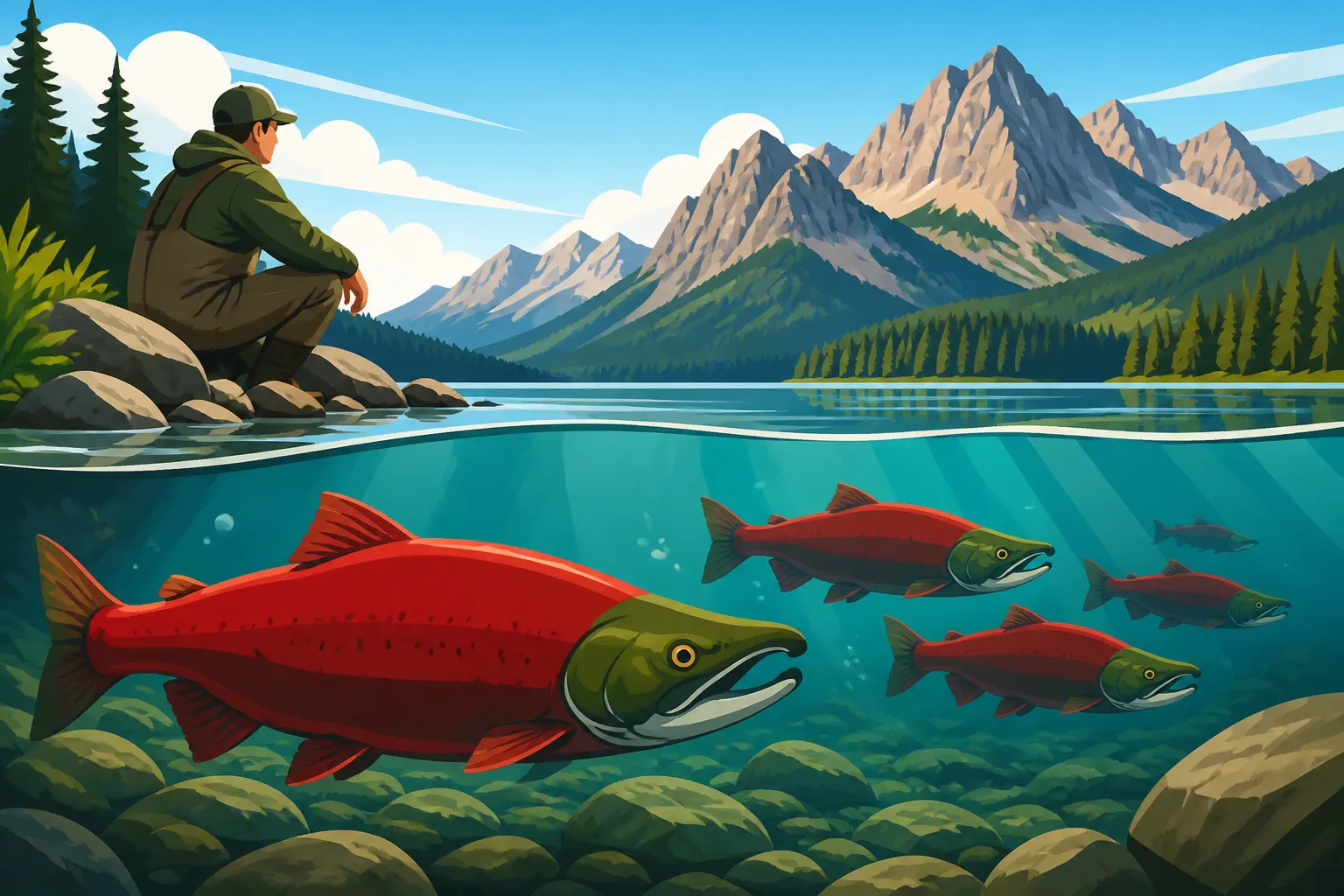
For generations, the annual return of the sockeye, historically known as "Redfish" by Native American tribes due to their brilliant crimson spawning colors, was a cornerstone of the ecosystem and local cultures in the Sawtooth Valley. They literally colored the lake red. Unfortunately, dam construction, habitat degradation, and overfishing in the last century decimated their numbers, leading to their listing as endangered. Today, the sight of a returning sockeye is a beacon of hope, a result of dedicated conservation efforts, and a vivid reminder of Idaho's incredible wild heritage. If you want to learn more about these fascinating creatures, check out our Idaho Sockeye Salmon and the Redfish Lake Run guide.
Why Redfish Lake is the Heart of Sockeye Survival
Redfish Lake, nestled at the base of the majestic Sawtooth Mountains near Stanley, isn't just a picturesque vacation spot; it's an absolutely critical habitat for these unique sockeye. The lake's deep, cold, and pristine waters provide the ideal nursery for juvenile sockeye to grow before they embark on their downstream migration. More importantly, its gravelly inlets, especially Redfish Lake Creek, offer the perfect spawning grounds for the adults returning from the ocean.
The lake itself is relatively small compared to the vast ocean these fish have traversed, making the concentration of returning sockeye here all the more significant. It's truly a natural wonder that such a specific environment can sustain such an incredible life cycle. The efforts to protect and restore this habitat are paramount, as the survival of this critically endangered species literally depends on the health and accessibility of Redfish Lake. For a deeper dive into the naming history, you might find our article on Why Redfish Lake Is Named for Sockeye Salmon interesting.
The Journey Home: Understanding the Sockeye Migration
The migration of the sockeye salmon to Redfish Lake is an epic saga of endurance against staggering odds. It’s a story woven into the very fabric of Idaho’s wild rivers, and understanding the challenges they face makes their triumphant return all the more moving to witness.
From the Pacific Ocean to a Mountain Lake
Imagine leaving your home, traveling hundreds of miles to a completely different environment, spending years there, and then, driven by an instinctual imperative, returning to the exact same spot where you were born to start the cycle anew. That's the life of a sockeye salmon. Their journey begins in the saltwater vastness of the Pacific Ocean, where they spend 1-3 years growing to maturity, feasting on krill and plankton, which gives their flesh its characteristic rich red color.
As summer approaches, the mature sockeye begin their incredible upstream migration. They navigate the powerful currents of the Columbia River, pass through numerous dams like the Bonneville and McNary Dams (thanks to fish ladders and bypass systems, a marvel of engineering, though not without challenges), then turn into the Snake River, and finally, the Salmon River. This segment of the journey is particularly grueling, as they are now fully in freshwater, no longer feeding, and relying entirely on stored energy to propel them against the relentless current and over natural barriers. It's a race against time and exhaustion, all to reach the cool, clear waters of Redfish Lake. The sheer scale of this journey is mind-boggling, and if you're curious about the specifics, our guide on How Far Idaho's Sockeye Salmon Travel from the Ocean provides more detail.
The Gauntlet: Challenges Faced by Returning Sockeye
The phrase "uphill battle" doesn't quite capture the monumental struggle these fish endure. The challenges faced by sockeye on their migratory journey are immense and often lethal. High water temperatures in the lower rivers during summer can be deadly, literally cooking the fish before they reach Idaho. Predation from seals, sea lions, and various birds of prey along the river corridor takes a toll, as does exhaustion and disease.
The series of dams they must navigate, despite the presence of fish ladders, still presents formidable obstacles, causing delays and increasing energy expenditure. Historically, these dams were the primary reason for the sockeye's collapse. While modern fish passage facilities have improved, the cumulative stress of passing multiple dams, coupled with warming river temperatures due to climate change, means that only a fraction of the fish that leave the ocean ever make it back to Redfish Lake. This precarious situation is why the sockeye population is still critically endangered, a topic further explored in our article, Are Idaho's Sockeye Salmon Endangered?. Every single returning fish represents a triumph against overwhelming odds, making their sight a truly special experience.
Best Times and Places to Witness the Sockeye Run
Successfully witnessing the sockeye return to Redfish Lake requires a bit of planning, a dash of patience, and knowing where to look. While it's never a guarantee with wild animals, there are definitely ways to maximize your chances of seeing these magnificent fish.
Peak Viewing Season and Daily Activity
The sockeye salmon typically begin to arrive at Redfish Lake in late July, with the peak viewing season usually running from mid-August through early September. However, this timing can fluctuate year to year based on factors like water temperatures, snowpack, and the overall pace of their migration. Some years see a stronger early return, while others might have a more prolonged peak into mid-September. It's always a good idea to check the latest updates from the Idaho Department of Fish and Game (IDFG) website before you go; they often provide "fish counts" and news releases about the sockeye run.
As for the best time of day, much like other fish, sockeye can be more active in the cooler parts of the day. Early mornings, just after sunrise, and late afternoons leading into dusk, tend to offer better chances. During these times, the light is also often better for viewing, reducing glare on the water. On overcast days, they might be visible throughout the day. When they are actively spawning, they can be seen creating redds (nests) in the gravel, a fascinating behavior to observe.
Prime Viewing Spots Around Redfish Lake
While the entire Redfish Lake area is beautiful, there are a few key spots where you've got the best chance of spotting sockeye. The most reliable location is often Redfish Lake Creek, particularly near the visitor center and the bridge crossings. This is the primary spawning area, and as the fish prepare to spawn, they will concentrate here.
- Redfish Lake Visitor Center: This is usually your first stop. The staff are incredibly knowledgeable and can provide the most up-to-date information on where the fish are being seen. There might even be interpretive displays or volunteers on hand to answer questions.
- Redfish Lake Creek Bridges: Walk the trails along Redfish Lake Creek. There are several spots where the creek flows under bridges or near accessible banks. Look for areas with clear, shallow water and gravel bottoms. The sockeye will often be holding in these areas before moving onto their redds.
- Fish Viewing Platforms: Depending on the year and specific conditions, IDFG or the U.S. Forest Service may set up temporary viewing platforms or designated areas to help visitors see the fish without disturbing them. Keep an eye out for signs.
- Shoreline Near the Lodge: While less concentrated than the creek, sometimes sockeye can be seen cruising the shallows near the Redfish Lake Lodge area or public beaches, especially as they first enter the lake before heading upstream into the creek.
Remember that sockeye are critically endangered and protected. They cannot be fished, and direct interaction or disturbance is strictly prohibited. Your goal is to observe respectfully from a distance. If you're planning a trip to the area and also interested in guided fishing for other species in the Sawtooths, perhaps for trout or smallmouth bass, resources like FishingBooker can help you find local, knowledgeable guides to make the most of your time on the water. Our article on What Idaho's Sockeye Salmon Run Looks Like at Redfish Lake might also give you a better visual idea of what to expect.
Here’s a quick overview of what to expect:
| Aspect | Description |
|---|---|
| Peak Season | Mid-August to Early September (check IDFG updates for annual variations) |
| Best Times of Day | Early mornings (sunrise to mid-morning) and late afternoons (late afternoon to dusk) |
| Primary Viewing Spots | Redfish Lake Creek (especially near Visitor Center and bridge crossings), designated viewing platforms (if available), shallow, clear gravel areas. |
| What to Look For | Bright red fish, sometimes with greenish heads; movement in shallow water; pairs of fish creating "redds" (spawning nests); dark shapes holding against the current. |
| Recommended Gear | Polarized sunglasses (crucial for cutting glare), binoculars, camera with zoom, comfortable walking shoes, layers of clothing, hat, water. |
| Conservation Status | Critically Endangered. Strictly protected. No fishing for sockeye is allowed. |
Tips for an Optimal Viewing Experience
Seeing the sockeye isn't just about showing up; it's about being prepared and respectful. Here are a few pointers to enhance your chances and ensure a memorable experience:
- Wear Polarized Sunglasses: This cannot be stressed enough! Polarized lenses cut through the glare on the water's surface, allowing you to see into the depths and spot fish much more easily. It's truly a game-changer.
- Bring Binoculars: While some sockeye might be close to shore, others will be further out or in deeper pools. Binoculars will help you get a closer look at their amazing colors and behaviors without disturbing them.
- Go Early or Late: As mentioned, fish tend to be more active and the lighting conditions more favorable during the cooler parts of the day. Plus, you'll avoid the heaviest crowds, especially on weekends.
- Be Patient and Quiet: Sockeye are wild animals, and they are acutely aware of their surroundings. Rushing around, making loud noises, or splashing in the water will scare them off. Find a good spot, sit quietly, and let your eyes adjust. Sometimes it takes several minutes for the fish to reappear or for you to spot them.
- Look for Movement and Color: Sockeye salmon are distinctively bright red with greenish heads when they are spawning. Look for flashes of color or subtle movements in the gravelly areas of the creek. Sometimes you'll see a pair of fish working together to build a redd, which involves a female digging with her tail and a male defending the area.
- Check IDFG Updates: Before you make the drive, check the Idaho Department of Fish and Game website or call the Redfish Lake Visitor Center for the latest information on the run. They can tell you if the fish are in, where they're being seen, and if there are any special events or viewing opportunities.
- Respect Private Property and Designated Areas: Always stay on marked trails and respect any signs or barriers put in place to protect the fish and their habitat. This also helps keep you safe around natural areas.
Combining these tips will significantly increase your chances of witnessing this truly awe-inspiring natural event.
Responsible Viewing and Conservation Efforts
Witnessing the sockeye salmon run is a privilege, and with that comes a responsibility to protect these incredible fish and their delicate habitat. Understanding and adhering to responsible viewing etiquette is paramount, as is appreciating the extensive conservation efforts that make their return possible.
Etiquette for Observing Wildlife
When you visit Redfish Lake to see the sockeye, remember you are entering their home during one of the most critical times of their lives. Your presence should have minimal impact.
- Maintain Distance: Always keep a respectful distance from the fish. Do not wade into the creek or approach spawning sockeye too closely. They are extremely vulnerable at this stage, and any disturbance can interrupt their spawning or cause them undue stress, potentially affecting the success of their reproductive efforts. Use your binoculars and zoom lenses!
- Stay Quiet: Loud noises, sudden movements, or yelling can scare fish away. Speak in hushed tones and move slowly. This also enhances your own ability to observe.
- Leave No Trace: This is a fundamental principle of outdoor ethics. Pack out everything you pack in, including all trash, food wrappers, and fishing line. Do not disturb vegetation, rocks, or other natural elements. Let others enjoy the pristine beauty as you did.
- No Feeding Wildlife: Never attempt to feed any wildlife, including fish. It disrupts their natural behaviors and diets, and can make them dependent on humans, leading to negative consequences for both animals and people.
- Respect Regulations: Pay close attention to all signage, particularly those regarding sensitive areas, closures, or specific rules for viewing. These rules are in place for the protection of the sockeye. Remember, fishing for sockeye salmon in Idaho is strictly prohibited. If you're interested in general Idaho Fishing Regulations Explained, we have a comprehensive guide.
By following these simple guidelines, you ensure that you are part of the solution in protecting this precious resource, rather than adding to its challenges.
Idaho Fish and Game's Role in Sockeye Recovery
The return of sockeye salmon to Redfish Lake is not purely a natural phenomenon anymore; it's also a testament to decades of tireless effort by the Idaho Department of Fish and Game (IDFG) and their partners, including NOAA Fisheries and the Shoshone-Bannock Tribes. Recognizing the dire state of the population, IDFG launched a comprehensive recovery program.
A cornerstone of this program is the Eagle Fish Hatchery near Boise. This facility plays a crucial role in collecting returning adult sockeye, carefully spawning them, and raising their offspring in a controlled environment. Once juvenile sockeye reach a certain size, they are released back into Redfish Lake or transported further downstream in the Columbia River Basin, giving them a head start on their journey to the ocean. This "conservation hatchery" program is designed to prevent extinction, bolster wild populations, and eventually lead to their recovery.
Beyond hatchery operations, IDFG actively participates in habitat restoration projects along the Salmon River and in Redfish Lake Creek. They conduct extensive monitoring of water quality and fish populations, and they advocate for fish passage improvements at dams. It's a complex and ongoing effort, driven by dedicated biologists and conservationists who are committed to seeing these iconic fish thrive once again. If you're keen to learn about different fish in Idaho, our Idaho Fish Species Guide is a great read.
How Anglers and Visitors Can Help
Everyone who visits Redfish Lake, whether you're there specifically to see the sockeye or just enjoying the area, plays a role in their recovery.
- Adhere to All Rules: As mentioned, strict adherence to all IDFG regulations regarding sensitive areas and fishing closures is non-negotiable. This protects the fish from direct harm and harassment.
- Report Violations: If you witness someone disturbing the sockeye, poaching, or violating any fishing regulations, report it immediately to the Idaho Department of Fish and Game. Their Citizens Against Poaching (CAP) hotline is 1-800-632-5999.
- Support Conservation: Consider supporting organizations dedicated to salmon and steelhead recovery in Idaho. These groups often work on critical habitat restoration, advocacy, and educational initiatives.
- Spread Awareness: Educate your friends and family about the importance of Idaho sockeye and the need for their protection. Share your experiences in a way that encourages responsible stewardship.
- Consider Other Fishing Opportunities: While sockeye are off-limits, the Sawtooth region offers incredible fishing for other species like cutthroat and rainbow trout. If you're planning a multi-day trip and looking to enjoy some angling, reputable guide services found through platforms like FishingBooker can help you explore these options responsibly. Always remember to check the Idaho Fishing License Guide before casting a line for any species.
By being a responsible and informed visitor, you contribute directly to the long-term survival of Idaho's sockeye salmon, ensuring future generations can also witness this extraordinary miracle of nature.
Disclaimer
Please note that fishing regulations, seasons, and fish populations can change. Always consult the official Idaho Department of Fish and Game website or current regulations brochure before planning any fishing trip or visiting natural areas to observe wildlife. This guide is for informational purposes only and should not replace official sources.