Where Idaho’s Sockeye Salmon Return Each Summer
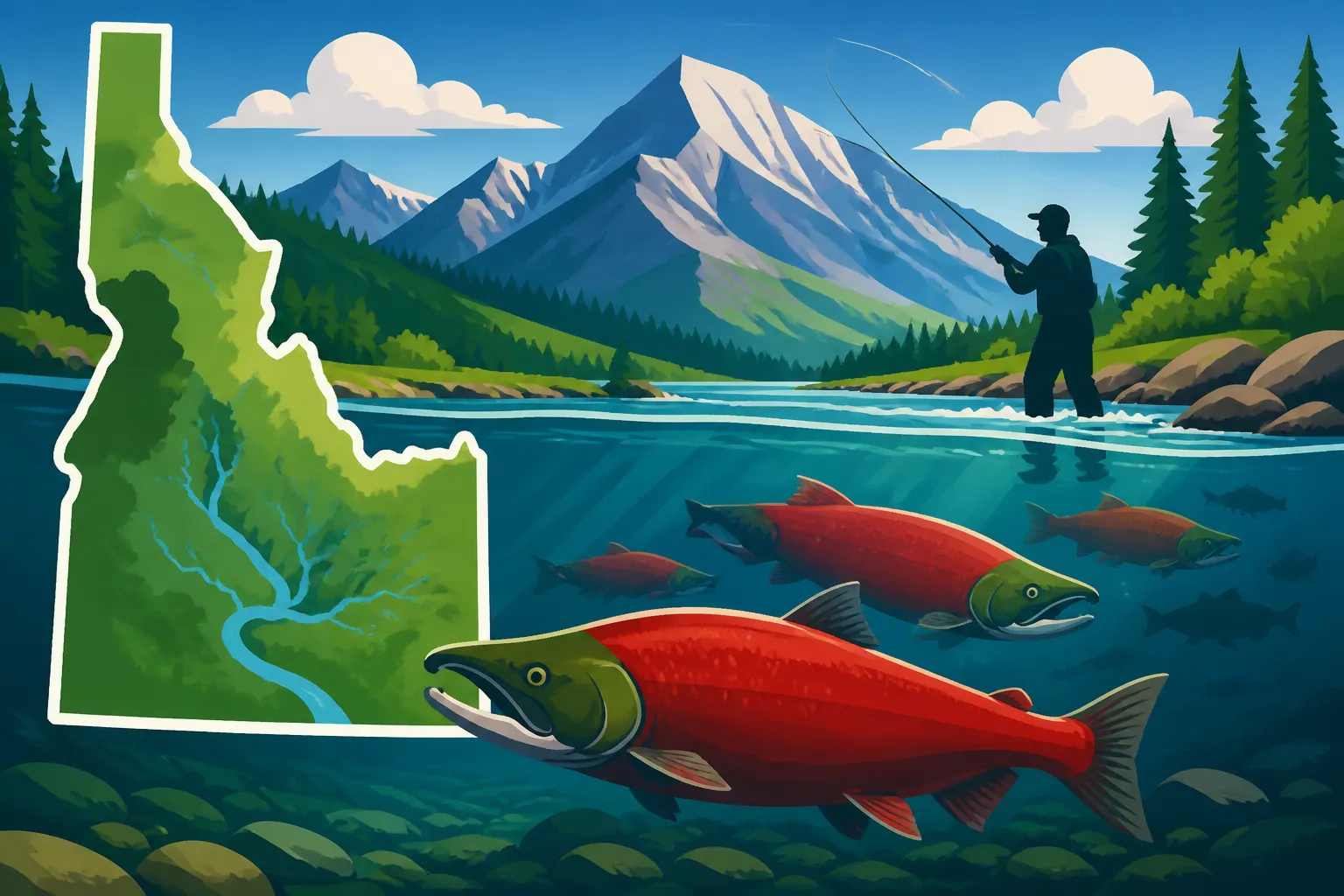
For many folks, the idea of salmon returning to Idaho, hundreds of miles from the ocean, sounds like something out of a tall tale. It's truly one of nature's most astounding migrations, but pinpointing exactly where these precious fish complete their incredible journey can be a bit of a mystery if you don't know the state's unique geography. This guide is dedicated to pulling back the curtain on this amazing natural spectacle, revealing the specific, iconic Idaho waters where Sockeye salmon make their annual, valiant return.
The Unmistakable Home of Idaho's Sockeye Salmon
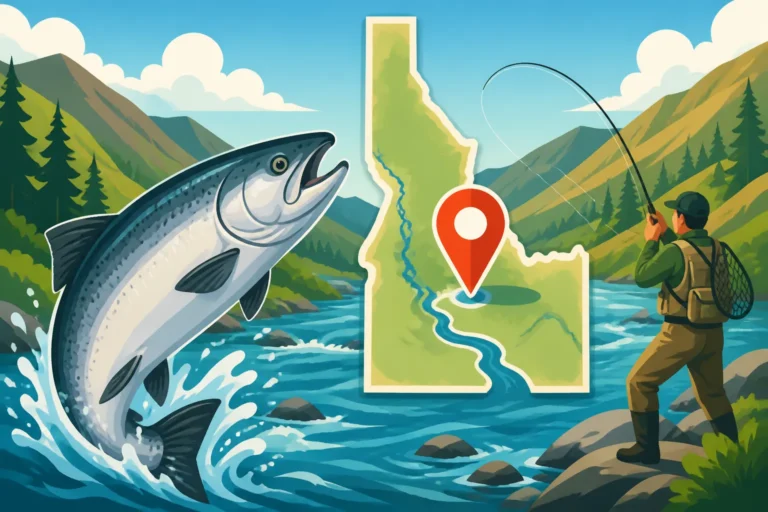
When you talk about Sockeye salmon returning to Idaho, there's one name that immediately comes to mind for anyone familiar with the state's natural wonders: Redfish Lake. Nestled deep within the breathtaking Sawtooth National Recreation Area, Redfish Lake isn't just a picturesque alpine destination; it's the beating heart of Idaho's Sockeye salmon recovery efforts and the primary destination for these ocean-faring fish. This isn't a secret fishing spot you need to whisper about; it's a critical, protected sanctuary where one of nature's most arduous migrations culminates.
Locating Redfish Lake in the Sawtooths
Redfish Lake is situated in the central Idaho mountains, specifically in the Sawtooth Valley, just south of the charming, rustic town of Stanley. To get there, you'll typically drive along scenic State Highway 75, often referred to as the "Salmon River Scenic Byway." The journey itself is an experience, winding through incredible mountain passes and alongside the Salmon River, a waterway that the Sockeye themselves traverse. The lake is easily accessible, with paved roads leading right to its shores and various campgrounds, lodges, and day-use areas. It’s not some hidden backcountry lake requiring an overnight trek, making it surprisingly accessible for such a remote and vital natural area. The stunning backdrop of the Sawtooth Mountains, with peaks like Mount Heyburn and Grand Mogul reflecting in its clear waters, makes the destination unforgettable, even without the salmon.
Best Times to Witness the Return
The Sockeye salmon run is a truly seasonal event, dictated by the ancient rhythms of nature and the arduous journey from the Pacific Ocean. While exact timings can vary slightly each year depending on river flows, water temperatures, and the fish's progress, the peak viewing period for Idaho Sockeye at Redfish Lake is typically from late July through August. Some early arrivals might show up in mid-July, and stragglers can be seen into early September. During this window, you stand the best chance of witnessing these vibrant red fish in their final stages of life, preparing to spawn. The Idaho Fish and Game often provides updates on the Sockeye run status, so checking their website before you plan your trip is always a smart move to maximize your chances of seeing this incredible phenomenon. This is a bucket-list experience for many nature enthusiasts, and timing is everything.
Why Redfish Lake is So Special for Sockeye
Redfish Lake's significance for Sockeye salmon goes far beyond being just a beautiful destination. Its name itself, derived from the historical abundance of these crimson-colored fish, tells a story of a once-thriving population. Today, it represents a beacon of hope and a testament to dedicated conservation efforts aimed at bringing this iconic species back from the brink of extinction. The journey these fish undertake and the unique characteristics of the lake make it irreplaceable.
The Legacy of Sockeye in the Sawtooths
Historically, the Sawtooth Valley and its network of pristine alpine lakes, including Redfish Lake, were teeming with Sockeye salmon. Imagine a time when the lake truly lived up to its name, turning brilliant red with thousands upon thousands of spawning salmon each summer. These fish, known as "Redfish" to local Native American tribes and early settlers, were a vital part of the ecosystem and local culture. However, over the last century, dam construction, habitat loss, and other environmental changes drastically reduced their numbers. By the early 1990s, the wild Sockeye population had dwindled to just a handful of individuals returning each year, earning them a place on the endangered species list. This stark decline underscored the urgent need for intervention, making the few fish that now return even more precious. It’s a powerful reminder of how delicate ecosystems can be. You can learn more about how the lake got its name in our detailed post about Why Redfish Lake Is Named for Sockeye Salmon.
Conservation Efforts and Hatchery Support
Bringing the Sockeye back has been an monumental task, largely spearheaded by the Idaho Department of Fish and Game (IDFG) and its partners. Because the wild population was so critically low, a massive conservation program was initiated, including a highly specialized hatchery operation. Adult Sockeye that return to Redfish Lake are often captured at a weir (a barrier with a trap) near the lake's inlet. These fish are then carefully transported to a hatchery, where their eggs and milt are collected to propagate the next generation in a controlled environment. Once the juvenile salmon (smolts) reach a certain size, they are released back into the Salmon River system to begin their incredible migration to the ocean.
This intensive "trap and haul" program, along with habitat restoration and careful management of water resources along their migration route, is crucial for sustaining the population. Without these dedicated efforts, it's highly likely that the Idaho Sockeye salmon would have vanished entirely. The goal is to eventually restore enough wild Sockeye that such interventions are no longer necessary, but for now, human help is vital. If you're wondering about the status of this precious species, our article on Are Idaho's Sockeye Salmon Endangered? offers a deeper dive.
The Sockeye Journey: An Epic Migration Story
The journey of an Idaho Sockeye salmon is one of the most incredible feats of endurance in the animal kingdom. Spanning thousands of miles and overcoming immense obstacles, it's a testament to the power of nature and the intrinsic drive of these magnificent fish. Understanding this journey truly puts into perspective the significance of their return to Redfish Lake.
The Incredible Migration Route
Imagine this: a tiny Sockeye smolt, perhaps only a few inches long, leaves the pristine waters of Redfish Lake. It navigates down Redfish Lake Creek, into the main stem of the Salmon River, then into the Snake River, and finally into the mighty Columbia River. From there, it makes its way out to the Pacific Ocean, where it will spend one to three years growing and maturing, feeding on plankton and small crustaceans. Once it reaches sexual maturity, an internal clock, combined with an unparalleled sense of smell, triggers an instinctual drive to return. The fish then embarks on the return journey, reversing its path, fighting upstream against powerful currents, battling predators, and overcoming a series of dams on the Columbia and Snake Rivers.
This entire round trip can cover more than 900 miles and involves an elevation gain of over 6,500 feet, making it the longest and highest elevation salmon migration in North America. When you consider the sheer distance and the sheer number of obstacles, it’s truly astounding that any of these fish make it back. To put it into perspective, think about our post on How Far Idaho's Sockeye Salmon Travel from the Ocean. It’s a marathon, not a sprint, and every single fish that makes it is a champion.
Challenges Faced Along the Way
The Sockeye's migration is fraught with peril from the moment they leave Redfish Lake until the moment they return. In the ocean, they face natural predators like seals, sea lions, and larger fish. But it's the freshwater journey that often proves most challenging for the returning adults. The numerous dams on the Columbia and Snake Rivers require fish to navigate through fish ladders, which, while helpful, can be exhausting and cause delays. Water temperatures in these large river systems, especially during hot summer months, can become dangerously high, stressing the fish and leading to disease and mortality.
Additionally, river flows can impact their progress; too little water makes navigation difficult, while too much can make currents overwhelming. Predators like ospreys, eagles, and even bears lie in wait along the rivers and at Redfish Lake itself, ready to capitalize on the weary travelers. It's a gauntlet of challenges that fewer and fewer Sockeye are able to survive, highlighting just how precious each returning fish truly is. The delicate balance of their journey makes stringent Idaho Fishing Regulations Explained critical for all species, especially these endangered ones.
Planning Your Visit to Witness the Sockeye Return
Visiting Redfish Lake to witness the Sockeye return is an unforgettable experience, but it's important to plan ahead to ensure you have the best possible trip and respect these incredible fish and their habitat. It's not just a sightseeing tour; it's a chance to connect with one of nature's most profound struggles and triumphs.
Viewing Opportunities and Etiquette
The most reliable place to see returning Sockeye is at the Redfish Lake Creek spawning channel and the fish trap located near the inlet of Redfish Lake. The IDFG often has staff or volunteers on hand during peak season to answer questions and provide information about the Sockeye run. There are designated viewing platforms and interpretive signs that explain the Sockeye's life cycle and the conservation efforts underway. It's crucial to observe strict "leave no trace" principles and maintain a respectful distance from the fish. Remember, these are critically endangered animals in the most vulnerable stage of their lives. Do not try to touch them, interfere with them, or attempt to fish for them (it is illegal and could carry severe penalties).
Bring binoculars, a good camera (with a zoom lens to avoid getting too close), and patience. Sometimes the fish are visible right away, other times you might need to wait quietly. This is a protected species, and your respectful observation is key to their continued recovery. The sight of their vibrant red bodies, after such an epic journey, is truly awe-inspiring.
Other Activities Around Redfish Lake
While the Sockeye are undoubtedly the star attraction during their return, Redfish Lake and the surrounding Sawtooth National Recreation Area offer a plethora of other activities that can make your trip even more memorable. You can enjoy hiking on trails that range from easy strolls along the lake to strenuous climbs into the high Sawtooth peaks. Kayaking, paddleboarding, and boating are popular on the crystal-clear lake, and rentals are often available near the lodge. There are several beautiful campgrounds, as well as Redfish Lake Lodge, which offers accommodation, dining, and various services.
And of course, there's other fishing! While fishing for Sockeye is strictly prohibited due to their endangered status, Redfish Lake and many nearby waters offer excellent opportunities for other species. You might find rainbow trout, cutthroat trout, or even bull trout (which are also protected, often catch-and-release only, so know your Idaho Catch Limits and Bag Limits Explained). If you're looking to cast a line for these other species, and perhaps want the expertise of a local, many anglers use online platforms like FishingBooker to connect with experienced guides in the area. These guides can show you the Best Fishing Spots in the Sawtooths for trout or other readily available fish, ensuring you have a successful and responsible fishing experience. Remember, even for other species, you'll need an Idaho Fishing License Guide and should familiarize yourself with specific Idaho Fishing Season Dates and Limits for the waters you plan to fish.
| Month | Typical Sockeye Return Activity at Redfish Lake | Notes |
|---|---|---|
| July | Early arrivals, increasing numbers mid-to-late month | Water temperatures can be a factor early on. |
| August | Peak viewing period, highest numbers of returning fish | Best chance to see vibrant red Sockeye. |
| September | Declining numbers, only late arrivals or stragglers | Fewer fish, but still possible to spot. |
| October-June | No Sockeye present in the lake (juveniles begin ocean migration) | Focus shifts to other fish species and outdoor activities. |
Many people combine their Sockeye viewing with a rafting trip on the nearby Salmon River or exploring the picturesque town of Stanley, known for its rustic charm and access to wilderness adventures. For those interested in diverse fishing experiences beyond Sockeye viewing, consider looking for guided trips through services like FishingBooker, which can connect you with knowledgeable local guides for species like trout or smallmouth bass in other parts of the Salmon River system. Exploring the area thoroughly and respectfully will leave you with a profound appreciation for Idaho's natural heritage. Don't forget to check out our post on What Idaho's Sockeye Salmon Run Looks Like at Redfish Lake for more visual details.
Disclaimer
The information provided in this guide is for general informational purposes only. Idaho fishing regulations, fish stocking reports, and Sockeye salmon run timings can change frequently. Always consult the official Idaho Department of Fish and Game website or current fishing proclamation for the most accurate and up-to-date rules, seasons, and advisories before planning your trip.