Silver Creek’s Access Points for Fly Fishing
Oh, Silver Creek! Just the name conjures images of gin-clear water, wary trout, and perhaps a touch of angler frustration. Many folks dream of casting a fly on this legendary Idaho spring creek, but the reality of finding good, legal access can feel a bit like cracking a secret code. Don't worry, friend, this guide is here to demystify Silver Creek and lead you straight to those prime fly fishing access points, making your next trip a truly memorable one.
The Unique Allure and Challenges of Silver Creek
Silver Creek isn't just another stream; it's an institution, a bucket-list destination for fly anglers worldwide. Its unique characteristics are what make it so incredibly special, yet also what demand a particular kind of respect and approach from those who visit.
The Spring Creek Advantage
What exactly makes Silver Creek tick? It's a spring creek, pure and simple, fed by numerous underground springs that provide a consistent flow and water temperature year-round. This stability creates an incredibly rich ecosystem, teeming with aquatic insects like mayflies, caddis, and midges, which in turn support a thriving population of large, healthy trout. Because the water temperatures remain relatively constant, often hovering in the 50s Fahrenheit, the fish are active even during the extremes of summer heat and winter cold. This means consistent hatches and feeding opportunities if you know when and where to look.
The steady flow also means fewer drastic fluctuations in water levels compared to freestone rivers that rely heavily on snowmelt or rainfall. This predictability allows the insect life to flourish without being washed out, offering a consistent food source for the discerning trout. However, this very consistency can lull anglers into a false sense of security; while the water flow is stable, the fish themselves are incredibly sensitive to pressure and can become exceedingly difficult to fool. For many, figuring out how to Fly Fish in Idaho, especially on these types of waters, starts right here.
Selective Trout and Clear Waters
The biggest challenge, and perhaps the greatest reward, of Silver Creek is its incredibly clear water and notoriously selective trout. These aren't your average stocked rainbows; these are wild, educated fish that see hundreds, if not thousands, of flies drifting over their heads every season. They've developed an uncanny ability to discern real food from artificial, and they often key in on very specific insects at particular life stages. This means your fly choice, presentation, and drift need to be absolutely spot-on.
Fishing the clear waters of Silver Creek is a bit like playing chess. Every move you make, every cast, every step along the bank, is scrutinized. The fish can see you, and they can see your line if it's not hidden properly. You'll often find yourself using long leaders, fine tippets, and making delicate, precise casts to avoid spooking your target. The frustration of watching a massive brown trout ignore your perfectly tied imitation, only to sip a natural just inches away, is a rite of passage here. But when you finally fool one, when that huge fish slowly tips up to inhale your tiny fly, the sense of accomplishment is truly unparalleled. It's an advanced class in Fly Fishing Techniques for Idaho Spring Creeks, and a humbling experience for even the most seasoned angler.
Key Access Points for Your Silver Creek Adventure
Now, let's get down to the nitty-gritty: where can you actually get on the water? Silver Creek, while famous, has a mix of public and private land, so knowing your access points is absolutely crucial for a successful and legal fishing trip. Many of these spots are managed to ensure both conservation and public enjoyment.
The Kilpatrick Bridge Area
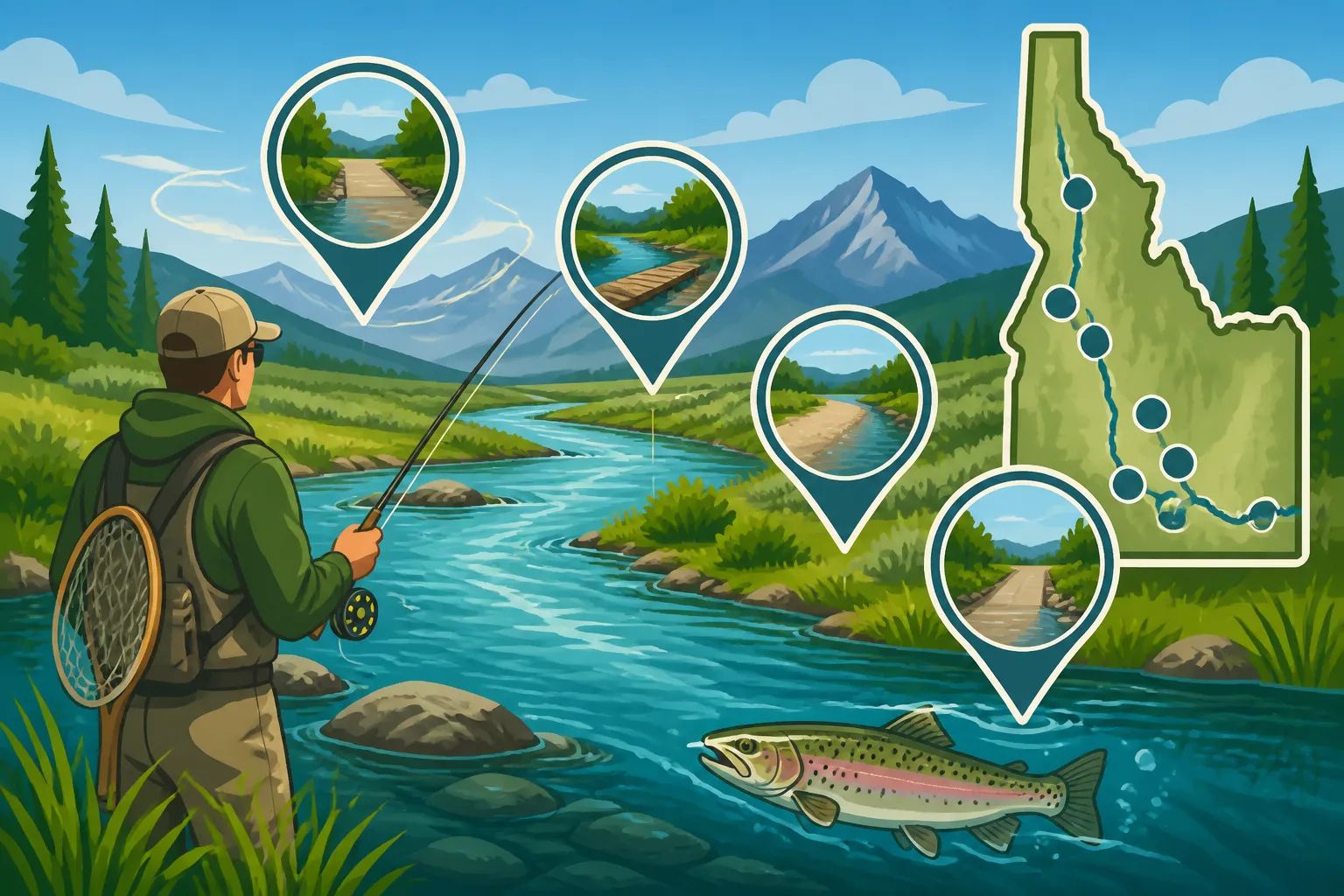
One of the most popular and well-known public access points is near Kilpatrick Bridge, often simply referred to as "Kilpatrick." This area is managed by the Idaho Department of Fish and Game (IDFG) and the Nature Conservancy, providing excellent bank access. You'll find ample parking here, and from the bridge, you can usually see fish holding in the slow, meandering currents. Upstream and downstream from the bridge, there are various trails that lead to different stretches of the creek.
The Kilpatrick area offers a diverse range of water types, from broad, slow-moving flats perfect for dry fly fishing during a hatch, to deeper runs where nymphing can be effective. This spot is particularly famous for its prolific hatches of tricos in the mornings and various mayflies and caddis throughout the day, especially in summer. Anglers often start their day here early to capitalize on the morning hatch, patiently stalking rising fish. Remember, this is a popular spot, so expect company, especially on weekends during peak season. You can often see anglers patiently working their way up or down the bank, showcasing the dedication required to hook one of Silver Creek's renowned trout.
Picabo Bridge and the Conservancy
Another fantastic public access point is around Picabo Bridge, also part of the Nature Conservancy's preserve. This area offers a different character of water than Kilpatrick, with some wider, more open stretches and classic riffle-pool dynamics, though still unmistakably spring creek water. The Nature Conservancy plays a vital role in protecting this unique ecosystem, and they've done an incredible job of creating public access while preserving the delicate environment. When you're there, take a moment to appreciate the conservation efforts that make places like this possible.
The Picabo area is often a bit less crowded than Kilpatrick, though still very popular. It's a great spot to explore if you're looking for different water to present your flies. The Conservancy lands here are extensive, allowing for significant walking and exploration along the creek. Always check the signage, as some areas might have specific regulations or closures for restoration or wildlife protection. It's not uncommon to spot deer, elk, or a variety of waterfowl as you wander the banks, adding to the magic of the experience. Finding the best sections can sometimes be a challenge without local knowledge, which is why some anglers opt for a guide service, many of which can be found through platforms like FishingBooker, to help them navigate these specific spots.
Point of Rocks and Other Public Areas
Beyond the two main bridge areas, there are other less-traveled public access points along Silver Creek, often designated as "Point of Rocks" or similar points on maps. These can be a bit trickier to find and might involve a longer walk, but they often reward anglers with more solitude and unpressured fish. The key is to look for public easements or land managed by the IDFG or Bureau of Land Management (BLM).
Many smaller roads and pull-offs along Highway 20, which parallels parts of Silver Creek, can lead to these less obvious public fishing spots. It’s always a good idea to consult a detailed map, like those offered by the IDFG or specific fly fishing shops in the area, to pinpoint these locations. Respecting private property signs is paramount here; if there's any doubt, err on the side of caution and find a clearly marked public access point. The trout in these less-frequented areas can sometimes be slightly less wary, offering a small respite from the extreme selectivity found in the more popular sections. Just make sure you understand the Idaho Fishing Regulations Explained before venturing out.
Navigating Public vs. Private Lands on Silver Creek
Understanding the mosaic of public and private land is absolutely critical for a stress-free and legal fishing trip on Silver Creek. This isn't a place where you can just wander anywhere with a rod; property boundaries are well-marked and diligently enforced.
Understanding Property Boundaries
Idaho's stream access laws can be complex, and Silver Creek is a prime example of why. While navigable waterways generally allow public access below the high-water mark, many sections of Silver Creek are bordered by private property. This means that while you might be able to wade in the stream bed, accessing the stream from private land or exiting onto private land without permission is trespassing. The best practice is to always enter and exit the stream from designated public access points.
Always look for signs that clearly indicate public access or "no trespassing." The Nature Conservancy, for instance, owns and manages a significant portion of Silver Creek specifically for conservation and public fishing, which is a huge boon for anglers. These areas are well-marked. Beyond these preserves, however, much of the surrounding land is privately owned agricultural property. It’s not just about avoiding a ticket; it's about respecting the landowners who live and work there. A good map, often available at local fly shops like those in Sun Valley or Ketchum, will clearly delineate public and private sections. This also goes for checking out the Idaho Fishing License Guide and ensuring you have all your proper paperwork.
Respecting Landowners and Wildlife
Beyond legal boundaries, there's an ethical component to fishing Silver Creek. The landowners, ranchers, and residents in the Picabo area have a long history with the creek, and maintaining good relationships is vital for continued public access. This means leaving no trace, packing out all your trash, and being mindful of gates and fences. If you open a gate, close it. If you see cattle, give them a wide berth. These simple acts of courtesy go a long way in ensuring future access for everyone.
Furthermore, Silver Creek is a sanctuary for a wide array of wildlife. From majestic raptors soaring overhead to secretive deer and elk, the area is teeming with life. Be mindful of nesting birds, especially during certain seasons, and give all wildlife the space they need. The creek itself is home to not only trout but also other species like sculpins and various invertebrates, all part of a delicate balance. When you're carefully wading the waters or moving along the bank, consider the impact of your presence. Minimizing disturbance is key to preserving the pristine nature of this special place.
Making the Most of Your Silver Creek Trip
Fishing Silver Creek is more than just catching fish; it's about the experience, the challenge, and connecting with a truly wild place. To ensure your trip is as rewarding as possible, a little preparation goes a long way.
Essential Gear and Tactics
Given the highly technical nature of Silver Creek, your gear and tactics need to be dialed in. Forget heavy rods and clunky lines; this is a place for finesse. A 3 or 4-weight fly rod, typically 8.5 to 9 feet long, paired with a floating line is ideal for delicate presentations. Leaders should be long, often 12 to 15 feet, tapering down to fine tippets, sometimes as light as 6x or 7x. These long, fine setups help to present tiny flies naturally and avoid spooking fish in the crystal-clear water.
When it comes to flies, "match the hatch" isn't just a suggestion here; it's a mantra. Silver Creek is famous for its prolific insect hatches, and the trout can be incredibly selective. Popular patterns include various sizes of Parachute Adams, Comparaduns, PMDs, Baetis (Blue-Winged Olives), Tricos, and midges. For subsurface presentations, tiny Pheasant Tails, Zebra Midges, and other small nymph patterns are often effective. Knowing How to Cast to Selective Trout on a Spring Creek is half the battle, and precise, soft landings are key. Waders are also a must, as you'll often be wading slowly and cautiously to get into position. For a comprehensive look at what to carry, check out the Best Flies for Idaho Trout Fishing.
| Access Point | Key Characteristics | Best For | Potential Challenges |
|---|---|---|---|
| Kilpatrick Bridge | Popular, ample parking, diverse water (flats, runs) | Dry fly fishing, consistent hatches | Can be crowded, wary fish |
| Picabo Bridge | Less crowded, wider open stretches, good Conservancy land | Exploring, varied water, solitude | Wary fish, extensive walking may be needed |
| Point of Rocks Area | More remote, less obvious access, solitude | Unpressured fish, quiet angling | Harder to find, often requires more walking |
Best Seasons and Conditions
Silver Creek is truly a year-round fishery, thanks to its stable spring-fed temperatures. However, specific seasons offer different experiences and challenges.
- Spring (April-May): As runoff subsides and waters begin to warm slightly, you'll find good hatches of Baetis and March Browns. The fish are often hungry after winter, but spring can also bring unpredictable weather.
- Summer (June-August): This is prime time, especially for dry fly enthusiasts. Prolific hatches of PMDs, caddis, and especially Tricos (tiny, difficult to see) in the early mornings make for incredible fishing. However, it's also the busiest time, and the fish are at their most selective. Midday can be slow, but evenings often bring strong caddis and spinner falls. This is often highlighted as the Best Time of Year to Fish in Idaho for many species.
- Fall (September-October): Many consider fall the best-kept secret on Silver Creek. The crowds thin out, and while hatches might not be as dense as summer, the larger trout become more aggressive in preparation for winter. Baetis hatches are strong, and streamers can become effective for targeting big browns.
- Winter (November-March): Ice fishing isn't really a thing here, but open water fishing is possible due to the spring-fed nature. Midges are the name of the game, and while it's cold, you can find incredible solitude and surprisingly active fish willing to take tiny nymphs or dry flies on warmer days.
Always check local conditions and hatch reports from area fly shops before heading out. They'll have the most up-to-date information on what flies are working and where the fish are active.
Hiring a Local Guide for Expert Insight
While Silver Creek is publicly accessible, its legendary status for challenging, selective trout often leads anglers to consider hiring a local guide. A good guide isn't just there to put you on fish (though they usually do!); they're there to teach you the nuances of spring creek fishing, help you identify hatches, and refine your presentation. They know the subtle currents, the secret holding lies, and which tiny fly is working on that particular day. For those looking to learn, or simply maximize their chances on such a technical water, a guide can be invaluable.
You can often find highly recommended guides through local fly shops in Ketchum or Sun Valley. These guides often have years of experience specifically on Silver Creek, understanding its moods and the trout's fickle appetites. Many professional guides also list their services on platforms like FishingBooker, making it easy to browse options, read reviews, and book an expert to enhance your Silver Creek experience. They can take away the guesswork of finding the Silver Creek's Technical Spring Creek Water and help you focus on the fishing itself. Whether it's your first time or your tenth, a guided trip can transform a challenging day into a masterclass in fly fishing.
Disclaimer
Please note that fishing regulations, access points, and local conditions can change. Always consult the latest Idaho Department of Fish and Game regulations and local advisories before planning your trip. This guide is for informational purposes only and should not replace official sources.