High Mountain Lakes Worth the Hike in the Sawtooths
Let's be real for a moment. You dream of casting a line into crystal-clear water, surrounded by towering peaks, with not another soul in sight. But finding those truly pristine, uncrowded fishing havens often means going off the beaten path, sometimes way off. This guide is for those of us willing to put in the legwork—or should I say, the bootwork—to experience some of the most rewarding high mountain lake fishing Idaho's majestic Sawtooth Wilderness has to offer.
The Allure of Idaho's High Mountain Lakes Fishing
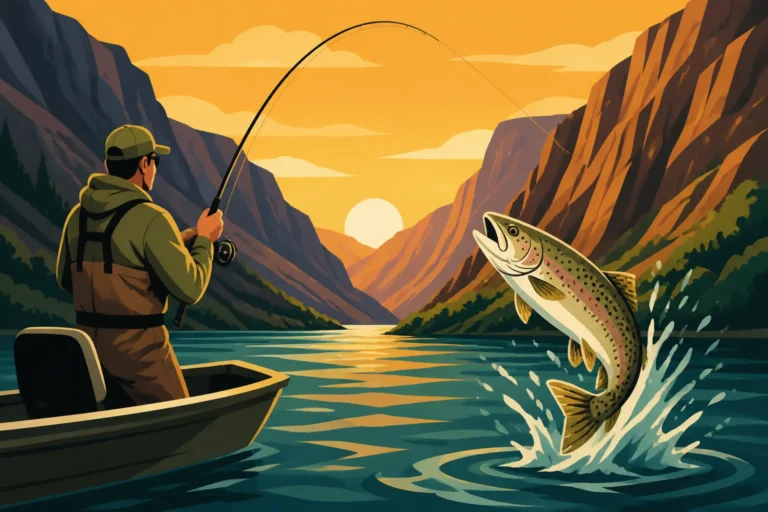
There's something uniquely captivating about fishing high mountain lakes. It's not just about the fish, though the wild trout are certainly a draw. It's about the entire experience: the crisp alpine air, the panoramic vistas that make your jaw drop, and the profound sense of solitude that's harder and harder to find these days. For many of us, it's a spiritual reset, a chance to reconnect with nature in its most raw and beautiful form.
Why the Sawtooths Are a Backcountry Angler's Dream
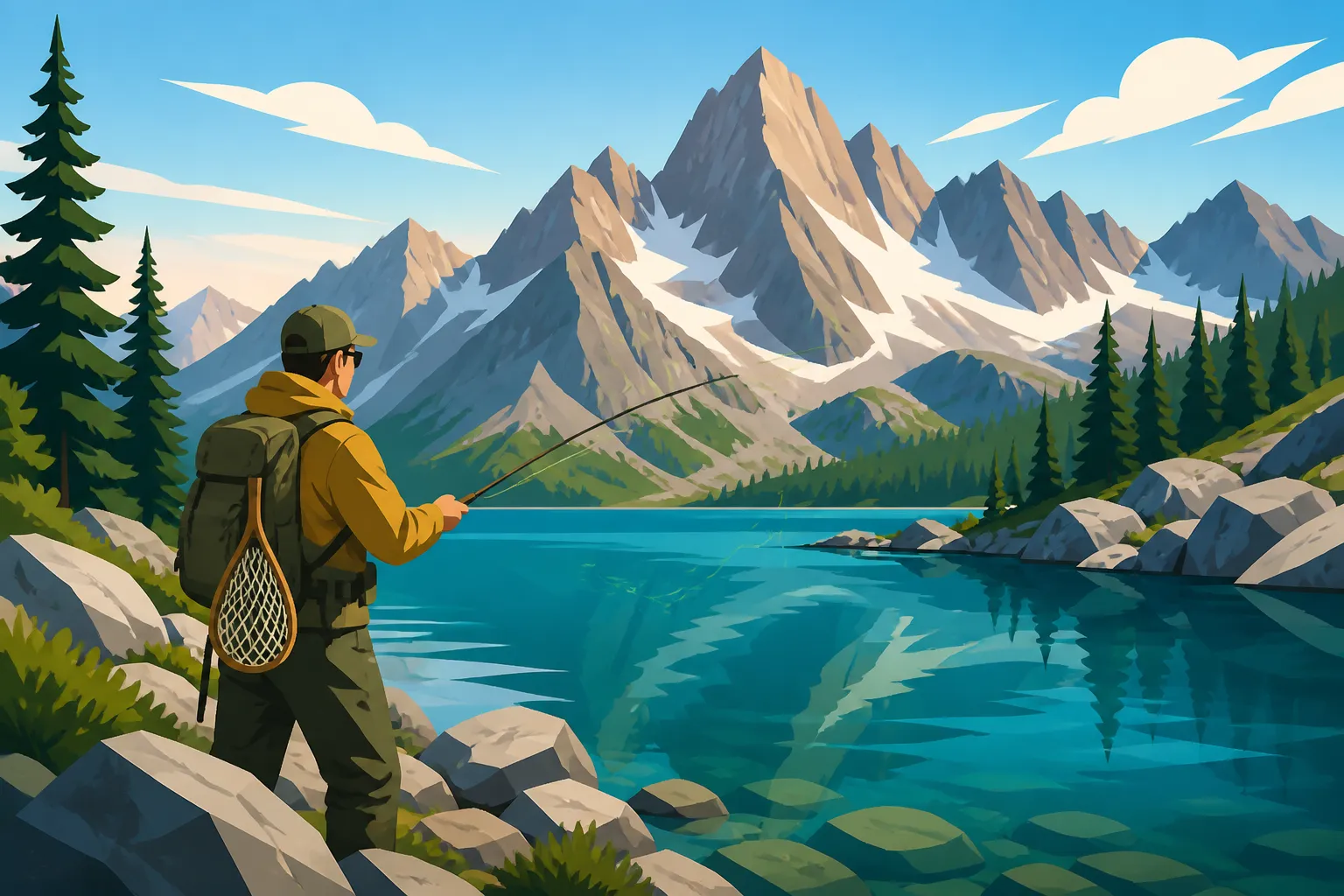
The Sawtooth Wilderness, located in central Idaho, is truly a crown jewel, encompassing over 200,000 acres of rugged mountains, deep canyons, and more than 300 high-alpine lakes. This isn't your roadside pull-off fishing. This is a place where you earn every cast. The effort required to reach these elevated waters acts as a natural filter, keeping the crowds at bay and preserving an almost untouched fishing experience. Imagine a lake, fed by snowmelt, shimmering like a jewel nestled in a granite basin, where the only sounds are the gentle lapping of water against rock and the occasional chirp of a pika.
What you'll typically find in these pristine waters are robust populations of native Cutthroat Trout, often Westslope Cutthroat, and healthy, feisty Rainbow Trout. These fish are wild, brilliantly colored, and offer a fighting spirit that matches their rugged habitat. Because of the relative inaccessibility, these fish don't see the same pressure as their lower-elevation cousins, often making for incredibly rewarding catches. Plus, with the sheer number of lakes, you could spend a lifetime exploring and still not fish them all. It’s a true angler’s paradise, provided you’re willing to hike for it. Planning your trip around the best time of year to fish in Idaho will enhance your chances of success.
Understanding the Backcountry Challenge
Before you even think about packing your rod, it's vital to acknowledge that fishing these high mountain lakes is a genuine backcountry endeavor. This isn't a casual stroll; it's often a multi-day backpacking trip involving significant elevation gain and miles over varied terrain. We're talking about trails that can be steep, rocky, exposed to the elements, and sometimes even snow-covered well into summer.
Physical fitness is paramount. You'll be carrying a pack that could weigh anywhere from 20 to 50 pounds, depending on your gear and how many days you plan to be out. Beyond just strength, endurance is key. You'll need to be comfortable navigating in wilderness settings, reading maps, and potentially using a GPS device. The weather in the mountains can change on a dime, so being prepared for everything from scorching sun to sudden thunderstorms, hail, or even snow, is non-negotiable. Don't underestimate the mental fortitude required either; there will be moments of tired legs and challenging ascents, but the reward at the end is absolutely worth it. Knowing Idaho Fishing Season Dates and Limits is also crucial before you head out.
Top High Mountain Lakes in the Sawtooths to Target
While there are hundreds of lakes, some stand out for their beauty, their fishing opportunities, and the overall adventure they provide. These are the ones that often come up in whispered conversations among seasoned backcountry anglers.
Alice Lake: A Classic Sawtooth Gem
Alice Lake is arguably one of the most iconic and frequently visited high mountain lakes in the Sawtooths, and for good reason. The hike itself is a classic, starting from the popular Tin Cup Trailhead near Pettit Lake. It's typically a 10-12 mile round trip with about 1,600 feet of elevation gain, making it a challenging but rewarding day hike for experienced hikers, or a fantastic overnight backpacking trip.
As you ascend, you'll pass through lush forests, traverse alpine meadows bursting with wildflowers in mid-summer, and eventually emerge into a breathtaking cirque dominated by the majestic Snowyside Peak. Alice Lake itself is a stunning, deep blue body of water, with several smaller, equally beautiful lakes like Edith Lake and Twin Lakes nearby, offering additional fishing opportunities. The lake is home to healthy populations of Cutthroat Trout and Rainbow Trout, known for their eagerness to hit a well-placed fly or spinner. You'll often find them cruising the shallower coves or near the rocky outcrops. The sheer beauty of Alice Lake makes every step of the strenuous hike worthwhile, providing those postcard-perfect moments that backcountry anglers live for.
Toxaway Lake: Solitude and Scenery
For those seeking a bit more solitude and a longer, more immersive backcountry experience, Toxaway Lake is an excellent choice. It's often combined with Alice Lake as part of the popular "Sawtooth Grand Traverse" or "Toxaway-Alice Loop," a multi-day adventure covering 18-20 miles. Reaching Toxaway typically involves hiking over Snowyside Pass from Alice Lake or an equally challenging ascent from the Pettit Lake side.
The effort is repaid tenfold by the incredible scenery and the feeling of remoteness. Toxaway Lake is larger than Alice and feels even more wild. Its deep, clear waters hold robust trout populations, often Cutthroat and Rainbows, which tend to be a bit less pressured than those in Alice due to the longer hike. Anglers here can expect to find fish holding in deeper channels or near submerged structures. Camping near Toxaway offers truly incredible stargazing opportunities, far from any light pollution. It's a place where you can truly unplug and embrace the wilderness experience, casting into water that reflects the dramatic alpine peaks surrounding you.
Sawtooth Lake: Iconic and Accessible
Sawtooth Lake is another iconic destination, often sought out for its dramatic views and reputation for good fishing. While still a significant hike, it's often considered one of the more "accessible" high mountain lakes compared to some of the others, usually accessed via the Iron Creek Trailhead just outside Stanley. The trail is approximately 10 miles round trip with around 1,700 feet of elevation gain.
The hike to Sawtooth Lake is stunning, taking you past pristine alpine meadows and through groves of fir and pine. Once you arrive, you're greeted by the towering granite spires of the Sawtooth Mountains plunging directly into the deep, clear water. It's a truly spectacular backdrop for fishing. Like Alice and Toxaway, Sawtooth Lake boasts a healthy population of Cutthroat and Rainbow Trout. Due to its popularity, you might encounter more fellow hikers here, especially on summer weekends, but the lake is large enough to find your own slice of tranquility. The fish here are often eager, and the pristine conditions mean you can often spot them cruising, making for exciting sight-fishing opportunities, particularly with dry flies. For more details on this specific area, check out a guide on Best Fishing Spots in the Sawtooths.
Baron Lakes: A Chain of Pristine Waters
If you're looking for a truly epic Sawtooth adventure with multiple fishing opportunities, the Baron Lakes chain is your destination. This isn't just one lake, but a series of interconnected lakes—Upper, Middle, and Lower Baron Lakes—each offering unique character and fishing potential. Reaching the Baron Lakes is a more strenuous undertaking, often involving a multi-day backpack, typically a 20+ mile round trip with significant elevation gain, perhaps from the Grandjean trailhead or by connecting from other parts of the wilderness.
The trail itself is rugged, traversing beautiful valleys and crossing streams, eventually leading you into a stunning glacial basin where the Baron Lakes reside. Lower Baron Lake is often the first you encounter, followed by Middle and Upper Baron. Each lake offers fantastic fishing for various trout species, including Cutthroat and Rainbows, often willing to chase a lure or sip a fly. The sheer number of different fishing spots within the chain means you can spend days exploring, moving from one cove to another, finding new challenges and new beauties. The rugged, remote nature of the Baron Lakes ensures a true wilderness experience, offering unparalleled peace and spectacular camping spots along their shores.
Essential Gear and Preparation for a Sawtooth Lake Expedition
Embarking on a high mountain lake fishing trip in the Sawtooths isn't just about throwing your rod in the car. It requires meticulous planning and the right equipment to ensure both a successful fishing trip and a safe wilderness experience.
Packing the Right Angling Kit
When you're hiking for miles with all your gear on your back, every ounce counts. This means leaving the heavy tackle box at home and opting for a streamlined, ultralight fishing kit.
- Rod and Reel: A lightweight, packable rod is essential. Many anglers opt for a 4-piece spinning rod or a multi-piece fly rod (like a 3- or 4-weight fly rod) that breaks down small enough to fit inside or strap to your pack. Pair it with a compact, reliable reel spooled with light line (4-6 lb test for spinning, appropriate fly line for fly fishing).
- Tackle Selection: For spin fishing, focus on a small selection of proven trout lures. Think small inline spinners (like #0 or #1 Mepps Aglia or Panther Martin), tiny spoons (Kastmasters or Daredevils in 1/8 oz or less), and maybe a few small jigs (1/32 or 1/16 oz) tipped with a grub or Gulp! maggot. For fly fishing, a small fly box with a variety of dry flies (Parachute Adams, Elk Hair Caddis, stimulators, hoppers for summer), nymphs (Prince Nymph, Pheasant Tail, Hare's Ear), and perhaps a few small streamers (Woolly Buggers, sculpin patterns) will cover most situations. Remember to pack tippet and leader material appropriate for clear, often still, alpine waters.
- Accessories: Don't forget essential accessories like forceps or pliers for hook removal, a small pair of line nippers, a tape measure if you plan to keep fish (always check Idaho Catch Limits and Bag Limits Explained), and a small net if you anticipate handling larger fish – but many backcountry anglers opt to just land fish by hand quickly to minimize weight. Consider a small, lightweight stringer if keeping fish, or a soft-sided cooler if you plan to stay overnight and pack them out.
Wilderness Safety and Backpacking Essentials
Your non-fishing gear is just as, if not more, critical. The Sawtooth Wilderness is remote, and you need to be self-sufficient.
- Navigation: A detailed topographic map of the area (e.g., USGS quads or a Sawtooth Wilderness map from the Forest Service) and a compass are non-negotiable. Even if you rely on a GPS device or a smartphone app, always carry physical backups. Know how to use them.
- First-Aid Kit: A comprehensive first-aid kit, tailored for backcountry use, is essential. Include basics for blisters, cuts, sprains, and any personal medications.
- Water Purification: Don't rely solely on natural sources; carry a water filter (like a Sawyer Squeeze), purification tablets (Katadyn Micropur), or a UV purifier (Steripen). Giardia is a real concern in many wilderness waters.
- Shelter: A lightweight backpacking tent, tarp, or bivy sack suitable for alpine conditions is necessary for overnight trips. Even on a day trip, a lightweight emergency shelter or space blanket can be a lifesaver.
- Clothing Layers: Mountain weather is unpredictable. Pack layers: wicking base layers, an insulating fleece or puffy jacket, and a waterproof/windproof outer shell. Even in summer, a warm hat and gloves can be crucial.
- Food and Cooking: Enough calorie-dense food for your trip, plus an extra day's worth for emergencies. A lightweight backpacking stove and fuel are great for hot meals. Bear-resistant food storage (bear canisters or Ursack) is highly recommended and often required, especially in popular camping areas.
- Fire Starter: Waterproof matches, a lighter, and fire starter material are crucial, even if you don't plan on having a campfire (check local fire restrictions).
- Headlamp/Flashlight: With extra batteries.
- Sun Protection: Sunscreen, sunglasses, and a wide-brimmed hat. The UV exposure at high altitudes is intense.
- Communication: A personal locator beacon (PLB) or satellite messenger (like a Garmin inReach or Zoleo) is a wise investment for emergencies, as cell service is non-existent.
- Tell Someone: Always leave a detailed itinerary with a trusted friend or family member, including your planned route, expected return time, and who to contact if you don't check in.
Fishing Techniques for High Mountain Trout
Fishing in high mountain lakes requires a slightly different approach than fishing larger rivers or lowland lakes. The water is often exceptionally clear, the fish can be wary, and hatches might be sporadic but intense.
Spin Fishing Strategies for Alpine Waters
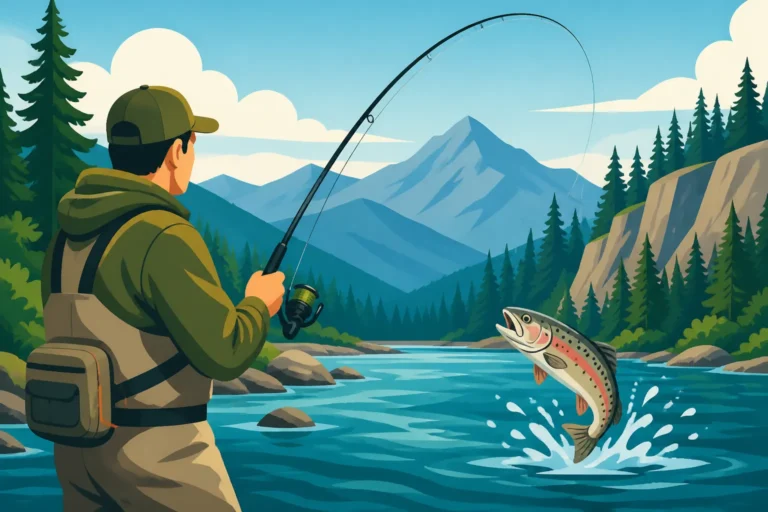
Spin fishing is a highly effective method for these lakes, especially when covering water or when fish aren't rising to the surface.
- Lure Selection and Size: Stick to small, unobtrusive lures. As mentioned, inline spinners (silver or gold blades work well in clear water) and small spoons are fantastic. Pay attention to how the light reflects off the water; sunny days might favor darker lures, while overcast days could benefit from brighter colors.
- Retrieve Speed: Often, a slower retrieve is more effective in cold alpine waters. Allow your lure to sink a bit before starting your retrieve, and vary the speed and add pauses to entice strikes.
- Targeting Structure: Look for structure. Fish will congregate around submerged rocks, fallen timber, rocky points, and drop-offs. Cast parallel to shorelines, fan casts out from points, and work the areas around inlets and outlets where fresh water enters or exits the lake.
- Stealth: In clear water, fish have excellent visibility. Avoid stomping along the shoreline, casting a long shadow, or wearing bright, contrasting clothing that might spook them. Approach slowly and make accurate casts.
Fly Fishing Tactics for Pristine Lakes
Fly fishing in high mountain lakes is a truly immersive experience, especially when you hit a hatch. Knowing How to Fly Fish in Idaho can definitely elevate your game here.
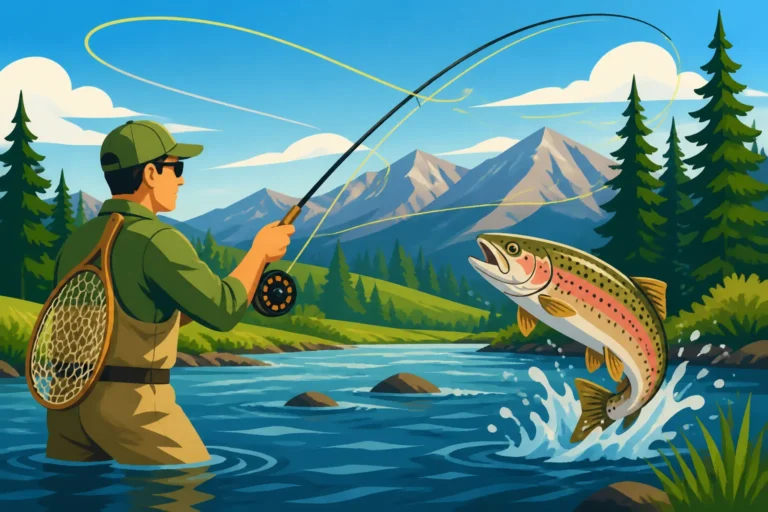
- Dry Flies: When trout are actively feeding on the surface, dry flies are king. Carry patterns that imitate common high-country insects like caddis, mayflies, midges, and terrestrials (hoppers, ants, beetles). A Parachute Adams in various sizes is often a reliable choice. Look for rising fish and try to match the size and profile of what they're eating.
- Nymphing: When fish are feeding subsurface, nymphing can be incredibly effective. Use small, weighted nymphs (like a Prince Nymph, Pheasant Tail Nymph, or Hare's Ear Nymph) either suspended under a strike indicator or fished on a tight line. Focus on deeper areas, drop-offs, and around any visible structure.
- Streamers: For aggressive fish or when trying to imitate baitfish (though less common in many high-mountain lakes), small streamers like Woolly Buggers (black, olive, or brown) can be deadly. Strip them erratically to simulate a wounded prey fish.
- Presentation: Again, stealth is key. Make precise, gentle casts. In still water, a long, fine leader and tippet will help reduce spooking fish. Observe the water for signs of fish activity before making your first cast.
Reading the Alpine Lake
Understanding where fish are likely to hold in a lake can significantly increase your success.
- Inlets and Outlets: These areas often concentrate food and oxygen, making them prime spots for trout. Fish the seams where currents meet still water.
- Drop-offs and Ledges: Fish, especially larger ones, will often hang out along the edges of deeper water, where they can ambush prey or retreat to safety.
- Submerged Structure: Look for underwater rock piles, fallen trees, or patches of aquatic vegetation. These provide cover and food sources.
- Rocky Points and Bays: Points that extend into the lake can act as natural congregation areas for fish. Calm bays, especially those with some vegetation, can hold smaller trout or offer refuge from wind.
- Time of Day: Just like in rivers, dawn and dusk are often the most productive times to fish, as trout become more active and less wary. During the bright mid-day, they might retreat to deeper, cooler water.
Respecting the Wilderness: Leave No Trace Principles
The pristine nature of the Sawtooth Wilderness is a gift, and it's our responsibility as anglers and hikers to ensure it remains that way for future generations. Embracing Leave No Trace principles isn't just a suggestion; it's a code of ethics.
Protecting Fragile Ecosystems
Every action, no matter how small, has an impact. High alpine environments are particularly fragile and take a long time to recover from disturbance.
- Pack It In, Pack It Out: This is the golden rule. Everything you bring into the wilderness, including all trash (food wrappers, fishing line, cigarette butts, etc.), must be packed out. This includes food scraps, which can attract wildlife and alter their natural foraging behaviors.
- Dispose of Waste Properly: Human waste should be buried in a cathole 6-8 inches deep and at least 200 feet (70 paces) from water, trails, and campsites. Pack out toilet paper and hygiene products.
- Stay on Trails: Stick to established trails to minimize erosion and protect delicate vegetation. When fishing the shoreline, try to minimize trampling plants.
- Minimize Campfire Impacts: Campfires can be beautiful, but they can also cause lasting damage. Use existing fire rings where allowed, keep fires small, only use dead and downed wood that can be broken by hand, and ensure fires are completely out and cold to the touch before leaving. Often, it's best to simply enjoy a stove-cooked meal and skip the fire altogether, especially in popular areas or during dry periods. Always check for current fire restrictions.
- Respect Wildlife: Observe animals from a distance. Never feed wildlife; it harms them and creates dangerous situations. Store food securely to prevent animals from getting into it.
Ethical Angling Practices
Our interaction with the fish in these remote waters requires particular care to maintain healthy, wild populations.
- Know the Regulations: Before you even leave home, thoroughly review the Idaho Fishing Regulations Explained for the specific waters you intend to fish. Regulations for high mountain lakes can vary and may include special gear restrictions (e.g., barbless hooks only), catch-and-release only, or specific bag limits.
- Catch and Release: Many high mountain lake fish are part of naturally reproducing, wild populations. Practicing catch and release, especially for larger breeding fish, helps sustain these fisheries. If you do keep fish for a meal, only keep what you need and within the legal limits.
- Handle Fish Carefully: If releasing a fish, minimize its time out of water. Use wet hands to reduce the removal of protective slime. Remove hooks quickly and gently. Consider using barbless hooks to facilitate easier release and reduce harm, especially when targeting Idaho Cutthroat Trout Fishing Guide.
- Don't Introduce Species: Never release live bait or any non-native fish into a high mountain lake. This can have devastating consequences for the native ecosystem.
- Clean Your Gear: Before and after your trip, thoroughly clean and dry all your fishing gear, waders, and boots to prevent the spread of aquatic invasive species between water bodies.
| Lake Name | Typical Hike (Round Trip) | Difficulty | Primary Fish Species | Notable Features |
|---|---|---|---|---|
| Alice Lake | 10-12 miles | Moderate-Strenuous | Cutthroat, Rainbow Trout | Iconic views of Snowyside Peak, part of popular loop |
| Toxaway Lake | 18-20 miles (loop) | Strenuous | Cutthroat, Rainbow Trout | Greater solitude, larger lake, dramatic scenery |
| Sawtooth Lake | 10 miles | Moderate-Strenuous | Cutthroat, Rainbow Trout | Iconic Sawtooth Mountain backdrop, popular trail |
| Baron Lakes | 20+ miles (multi-day) | Strenuous | Cutthroat, Rainbow Trout | Chain of multiple lakes, rugged, remote wilderness |
Disclaimer
The information provided in this guide is for general informational purposes only and does not constitute professional advice. Fishing regulations, conditions, and wilderness safety protocols can change rapidly. Always consult the most current Idaho Fish and Game regulations and local Forest Service advisories before planning and embarking on any fishing or backcountry trip. Wilderness travel carries inherent risks, and proper preparation and judgment are essential for your safety.