Best Coves on C.J. Strike Reservoir for Bass
If you've ever found yourself staring out at the vastness of C.J. Strike Reservoir, wondering where on earth the bass are hiding in its countless nooks and crannies, you're not alone. It's easy to feel overwhelmed by the sheer amount of water and structure. This guide is here to cut through that confusion, giving you the insider scoop on the best coves for bass on C.J. Strike, complete with specific features to look for and the techniques that will put fish in your boat.
Why C.J. Strike Reservoir is a Bass Angler's Paradise
C.J. Strike Reservoir, nestled in the high desert of southwestern Idaho, isn't just a pretty face; it's a phenomenal bass fishery. Created by the confluence of the Snake and Bruneau Rivers, this reservoir offers an incredible diversity of habitat that bass absolutely thrive in. We're talking about everything from shallow, sun-drenched mud flats to deep, rocky bluffs, all interconnected by a nutrient-rich ecosystem. This unique blend makes it one of the premier destinations for bass fishing in the state, drawing anglers from all over for its robust populations of both largemouth and smallmouth bass.
The reservoir's dynamic environment means that while the main channel and larger bays hold fish, it's often the quieter, more secluded coves where bass really settle in. These protected pockets offer warmer water, abundant forage, and crucial cover that helps bass ambush prey and escape predators. Understanding why a particular cove is appealing to bass—whether it's the rock structure for smallmouth or the submerged weeds for largemouth—is the secret sauce to consistent success on this sprawling waterbody.
Decoding Bass Behavior in Coves
To consistently catch bass in C.J. Strike's coves, you really need to get inside their heads, figuratively speaking. Bass aren't just randomly swimming around; their movements and preferred habitats are dictated by their fundamental needs: feeding, spawning, and seeking shelter. And guess what? Coves play a critical role in all three. Understanding these patterns, especially how they shift with the seasons, will help you target the right coves at the right time.
Seasonal Movements and Habitat Preferences
The bass in C.J. Strike Reservoir are incredibly sensitive to changes in water temperature and light conditions, which directly influence their behavior throughout the year.
- Spring (Pre-spawn & Spawn): As water temperatures creep up in late spring, usually from April to early June, bass move into shallower, protected coves for their spawning rituals. Look for coves with gradual sloping banks, gravelly bottoms, and some form of overhead cover like submerged brush or docks. Largemouth bass will often be found making beds in water anywhere from 2 to 8 feet deep, especially in the north-facing coves that warm up first. Smallmouth might be a bit deeper, often preferring rocky pockets or transition areas between shallow and deeper water within these coves. This is a prime time for sight fishing or throwing slower baits.
- Summer (Post-spawn & Summer Patterns): Once the spawn is over, bass typically move to deeper water during the heat of the day but will still use coves for feeding, especially during low light conditions like dawn and dusk. They'll gravitate towards coves with access to deeper water, such as those with sharp drop-offs, submerged creek channels, or significant cover like hydrilla beds or standing timber. The key here is finding "staging areas" where they can hold comfortably while waiting for feeding opportunities. Targeting these areas with fast-moving baits or vertical presentations can be highly effective. You can learn more about the best time of day to fish in Idaho during summer heat by checking out our detailed guide.
- Fall (Feeding Frenzy): Autumn is often considered one of the best times to fish for bass in coves. As water temperatures begin to cool, bass go into a pre-winter feeding frenzy, aggressively chasing baitfish to put on fat for the colder months. They'll often school up in coves, particularly those with ample baitfish presence. Look for coves with a mix of structure – rocky points, fallen trees, or transition areas where shallow water drops into deeper channels. Bass will be actively patrolling these areas, making them susceptible to a variety of lures, from crankbaits to spinnerbaits.
- Winter (Deep & Slow): Winter fishing at C.J. Strike can be challenging but rewarding. Bass move to the deepest parts of the coves, often suspending over structure or holding tight to cover like submerged timber or bluff walls. Their metabolism slows down considerably, so presentations need to be subtle and slow. Deep jigging, drop-shotting, or slowly retrieved swimbaits can entice a bite in these colder months. Focus on finding these deeper coves that offer thermal stability.
Key Cove Characteristics Bass Seek Out
Beyond seasonal movements, certain physical characteristics make a cove inherently more attractive to bass. When you're scouting new water or trying to understand why a certain spot is holding fish, keep these factors in mind:
- Structure and Cover: This is paramount. Bass are ambush predators and need places to hide and launch attacks.
- Submerged Vegetation: Hydrilla, pondweed, and milfoil offer excellent cover, oxygen, and attract baitfish. Largemouth bass absolutely love these thick weed beds.
- Rock Piles and Boulders: Smallmouth bass are particularly drawn to rocky structures, which provide crevices for crawfish (a favorite food) and breaks in current.
- Fallen Trees and Brush Piles: Both species use woody cover extensively. These create shaded areas and vertical cover.
- Docks and Man-made Structures: While C.J. Strike doesn't have many residential docks, any man-made structures like old submerged foundations or irrigation equipment can be magnets for bass.
- Depth Changes and Transition Areas: Bass often position themselves along breaks in depth, allowing them quick access to both shallow feeding grounds and deeper, safer water. A cove with a prominent drop-off, a submerged creek channel running through it, or a rocky point extending into deeper water is often a high-percentage spot.
- Forage Access: Bass will always be where the food is. Coves that have a good population of baitfish (like shad or minnows) or crawfish will consistently hold bass. Look for signs of baitfish, such as dimples on the surface or active birdlife.
- Current Breaks: Especially in a reservoir influenced by river flow like C.J. Strike, bass will seek out coves or pockets that offer a reprieve from strong currents. These current breaks allow them to conserve energy while waiting for prey to be swept by. The confluence of the Snake and Bruneau River arms is a key area to look for such features.
By understanding these elements, you're not just fishing; you're actively strategizing, increasing your chances of finding and catching quality bass in C.J. Strike's diverse environment. For a broader perspective on different species, take a look at our Idaho Fish Species Guide.
Top Coves on C.J. Strike Reservoir for Largemouth Bass
When it comes to largemouth bass on C.J. Strike, think vegetation, submerged timber, and shallow, protected waters. These fish are masters of ambush, preferring to lurk in dense cover where they can surprise their prey. While C.J. Strike offers a mix of habitats, some coves lean heavily towards the largemouth's preferred hideouts.
The Weedy Backwaters of Jacks Creek Bay
Within the broader Jacks Creek Bay area, particularly the shallower, northernmost reaches, you’ll find a series of smaller, almost hidden coves and backwater pockets. These areas are classic largemouth territory, especially during the spring and summer months. The water here tends to be shallower, warms up quicker, and often features extensive beds of submerged vegetation, such as coontail or milfoil, along with scattered patches of lily pads. The bottom often transitions from soft mud to gravel, providing ideal spawning grounds.
Picture this: The early morning fog is still lifting, revealing a tapestry of green weeds just breaking the surface. Cast a weedless frog or a weightless Texas-rigged Senko right into those weed pockets. The largemouth will be sitting tight, waiting for something to swim by. If you’re not getting bites on topwater, try punching through the thicker mats with a heavy jig and a creature bait. The key here is patience and precision. You're not looking for a wide-open bite; you're trying to provoke a reaction strike from a bass that’s hunkered down. During hotter parts of the day, these bass might move to the slightly deeper edges of the weed beds or find shade under any available overhanging brush.
Submerged Timber Heaven: The Snake River Arm Coves
The coves branching off the Snake River Arm, especially those closer to the main channel but still offering some protection from direct current, are prime locations for largemouth bass that favor woody cover. Here, you'll encounter a landscape dominated by submerged timber, brush piles, and fallen trees that provide incredible structure. These areas can be a bit trickier to navigate due to the snag hazards, but that's precisely why the big largemouth call them home—they offer unparalleled security and ambush opportunities.
Imagine idling slowly into a cove where your fish finder lights up with images of old growth underwater. Drop-offs might lead into pockets filled with ancient tree stumps and branches. This is the perfect scenario for a Texas-rigged soft plastic, like a 10-inch worm in a dark color like green pumpkin or junebug, slowly worked through the timber. Pitches and flips are your best friend here, accurately placing your lure into tight spots. A sturdy baitcasting setup with heavy fluorocarbon or braided line is essential to horse those big fish out of the cover. Don't be afraid to experiment with swim jigs, which can be surprisingly effective for covering water around the edges of the timber and eliciting aggressive strikes. For a comprehensive look at various bass fishing methods, consider our Idaho Fishing Techniques Guide.
Prime Spots on C.J. Strike Reservoir for Smallmouth Bass
While largemouth love their green cover, smallmouth bass are all about the rocks, current, and deeper, cooler water. C.J. Strike’s riverine influence, particularly from the Snake and Bruneau Rivers, creates an ideal environment for these bronze-backed fighters. Targeting smallmouth often means looking for points, bluff walls, and coves that have direct access to river channels and substantial rock formations.
Rocky Outcrops and Drop-offs: Bruneau River Arm Coves
The Bruneau River Arm of C.J. Strike is a smallmouth haven, especially the numerous coves and cuts that feature prominent rocky outcrops, sheer bluff walls, and significant drop-offs. These areas mimic the natural riverine environment that smallmouth prefer, providing ledges, boulders, and gravelly bottoms where crawfish and baitfish hide. The cooler, clearer water found here, often influenced by the Bruneau River's flow, keeps smallmouth active and aggressive.
Visualize pulling your boat up to a cove where the shoreline is a jumble of basalt rock, giving way to a steep underwater slope. These are prime smallmouth hunting grounds. A great strategy is to work a tube jig or a drop-shot rig along these rocky ledges and sudden depth changes. Smallmouth will often suspend along these vertical structures or hug tight to the bottom, waiting to ambush anything that comes by. Experiment with crankbaits that dive to different depths, banging them off the rocks to trigger reactionary strikes. The best colors often mimic crawfish or baitfish, like natural browns, greens, and shad patterns. When the fishing gets tough, switching to a more subtle presentation like a small swimbait on a jig head can often make all the difference. For more insights on baits, check out our guide on Best Lures for Idaho Trout Fishing (many trout lures also work for smallmouth).
Main Channel Access Coves: The Dam Area's Hidden Gems
Near the main dam structure and the deeper sections of the reservoir, you’ll find coves that, while perhaps less defined by massive rock bluffs, offer deep-water access and a consistent flow of cooler, oxygenated water. These coves often have significant underwater structure not immediately visible from the surface, such as old roadbeds, submerged power lines, or deeper rock piles that extend from the shoreline. These are excellent areas for smallmouth that prefer deeper haunts, particularly during the hot summer months or in winter.
Picture launching near the dam and exploring the pockets and indentations nearby. Your fish finder will be critical here, revealing underwater topography. Look for coves that feature sudden deep water access, perhaps an old submerged creek channel that winds through it, or rocky points that extend far out into the main reservoir body. Vertical jigging with spoons or blade baits can be incredibly effective when smallmouth are schooling deep. For a more active approach, casting jerkbaits or deep-diving crankbaits parallel to these underwater structures can draw violent strikes. Remember that smallmouth in these deeper areas might be less aggressive than their shallow counterparts, so a slow, methodical retrieve is often key. Finding these precise spots can sometimes feel like hunting for treasure, and a local guide found on a platform like FishingBooker might have invaluable insights into these more obscure, productive locations.
Essential Tactics for Cove Fishing on C.J. Strike
Mastering the art of fishing C.J. Strike's coves isn't just about knowing where to go, but also how to fish them effectively. The dynamic nature of the reservoir means that successful anglers are adaptable, paying close attention to environmental cues and making informed decisions about their gear and presentation.
Reading the Water and Seasonal Movements
Truly understanding C.J. Strike involves more than just glancing at the surface. It means actively "reading" the water, observing patterns, and knowing how seasonal changes dictate bass behavior.
- Spring Warm-ups: In spring, bass move shallow to spawn. Look for sheltered coves that are protected from prevailing winds and receive a lot of sunlight, as these will warm fastest. Often, the north-facing banks or the backs of large bays will be the first to attract pre-spawn and spawning bass. Keep an eye out for clear spots in sandy or gravelly bottoms – these are likely bass beds. A pair of polarized sunglasses is your best friend for spotting these subtle signs. As the sun climbs higher, bass might retreat slightly deeper or into denser cover, so adjust your presentation accordingly.
- Summer Heat: During the dog days of summer, especially after the sun has been up for a while, bass in coves will often seek deeper, cooler water or dense shade. Target the deepest parts of coves, especially those with steep drop-offs or submerged structures like old creek channels. Early morning and late evening bites in the shallow parts of coves can still be explosive, as bass come up to feed under low light. Mid-day, look for vertical cover like bluff walls or deep timber where they can suspend in the shade. Learning how to fish Idaho's waters during summer heat is crucial for success.
- Fall Transition: Fall is a fantastic time for aggressive feeding. Bass will often chase baitfish into the backs of coves, especially as water temperatures drop. Look for active baitfish on your fish finder or observe birds diving. This is a time for covering water. Don't be afraid to fish quickly with moving baits like spinnerbaits and crankbaits to locate active schools. As the season progresses and temperatures drop further, bass will start to school up and move to deeper main lake points or channel bends within the coves.
- Winter Slowdown: Winter fishing requires patience. Bass are lethargic and won't chase much. Focus on the deepest coves with the most stable water temperatures. Work your lures extremely slowly. Vertical presentations directly to the fish you see on your sonar are often the most productive. Remember, one or two bites in winter can be a great day!
Gear and Lure Selection for Success
Having the right tools for the job is non-negotiable when fishing C.J. Strike's diverse coves. Your choice of rod, reel, line, and especially lures, should be tailored to the specific conditions and target species.
- Rods and Reels: For largemouth in heavy cover, a medium-heavy to heavy power baitcasting rod (7' to 7'6") with a fast action is ideal. Pair this with a high-gear ratio reel (7.1:1 or higher) for quick line pickup. For smallmouth, a medium-light to medium power spinning rod (6'6" to 7'2") with a fast action is perfect for finesse techniques like drop-shotting and throwing lighter baits.
- Line: Braided line (30-50 lb) is excellent for punching through vegetation or fishing heavy timber for largemouth due to its strength and no-stretch properties. For clearer water or more subtle presentations, fluorocarbon (10-17 lb) is a great choice as it's nearly invisible underwater and sensitive. Monofilament (12-20 lb) can be useful for topwater baits or crankbaits due to its stretch.
- Lures for Largemouth:
- Soft Plastics: Texas-rigged worms (Zoom, Strike King), creature baits, Senkos (Yamamoto) are essential for pitching into cover.
- Jigs: Flipping and pitching jigs (half-ounce to one ounce) are deadly in brush piles and weed mats.
- Topwater: Frogs (Livetarget, Spro) over matted vegetation, and buzzbaits or poppers in open pockets, are exciting options.
- Spinnerbaits/Chatterbaits: Great for covering water around the edges of cover.
- Lures for Smallmouth:
- Tube Jigs: Classic smallmouth killers, especially when fished on rocky bottoms.
- Drop-shot Rigs: Highly effective finesse presentation for deep-water smallmouth.
- Crankbaits: Medium to deep diving crankbaits (Rapala, Strike King) in crawfish or shad patterns.
- Jerkbaits: Excellent for suspended smallmouth, particularly in cooler water.
- Grubs/Swimbaits: Small swimbaits on jig heads are versatile for various depths.
Many anglers find it beneficial to carry multiple rod setups to quickly switch between techniques. For more specific lure recommendations, dive into our Best Lures for River Smallmouth Bass or Best Lures for Largemouth Bass in Small Ponds guides, keeping in mind that reservoir fishing often combines aspects of both river and pond techniques.
Electronics and Mapping: Leveraging Technology
In a reservoir as vast and intricate as C.J. Strike, modern electronics are not just a luxury; they're a necessity. They provide an "underwater eye" that can reveal hidden structure, depth changes, and even the fish themselves, giving you a massive advantage.
- Fish Finders and Sonar: A quality fish finder with traditional 2D sonar, side imaging, and down imaging capabilities is invaluable. Side imaging, in particular, allows you to scan wide areas to either side of your boat, identifying submerged timber, rock piles, or weed lines in coves without having to drive directly over them. This is crucial for efficient scouting and minimizing disturbance to the fish.
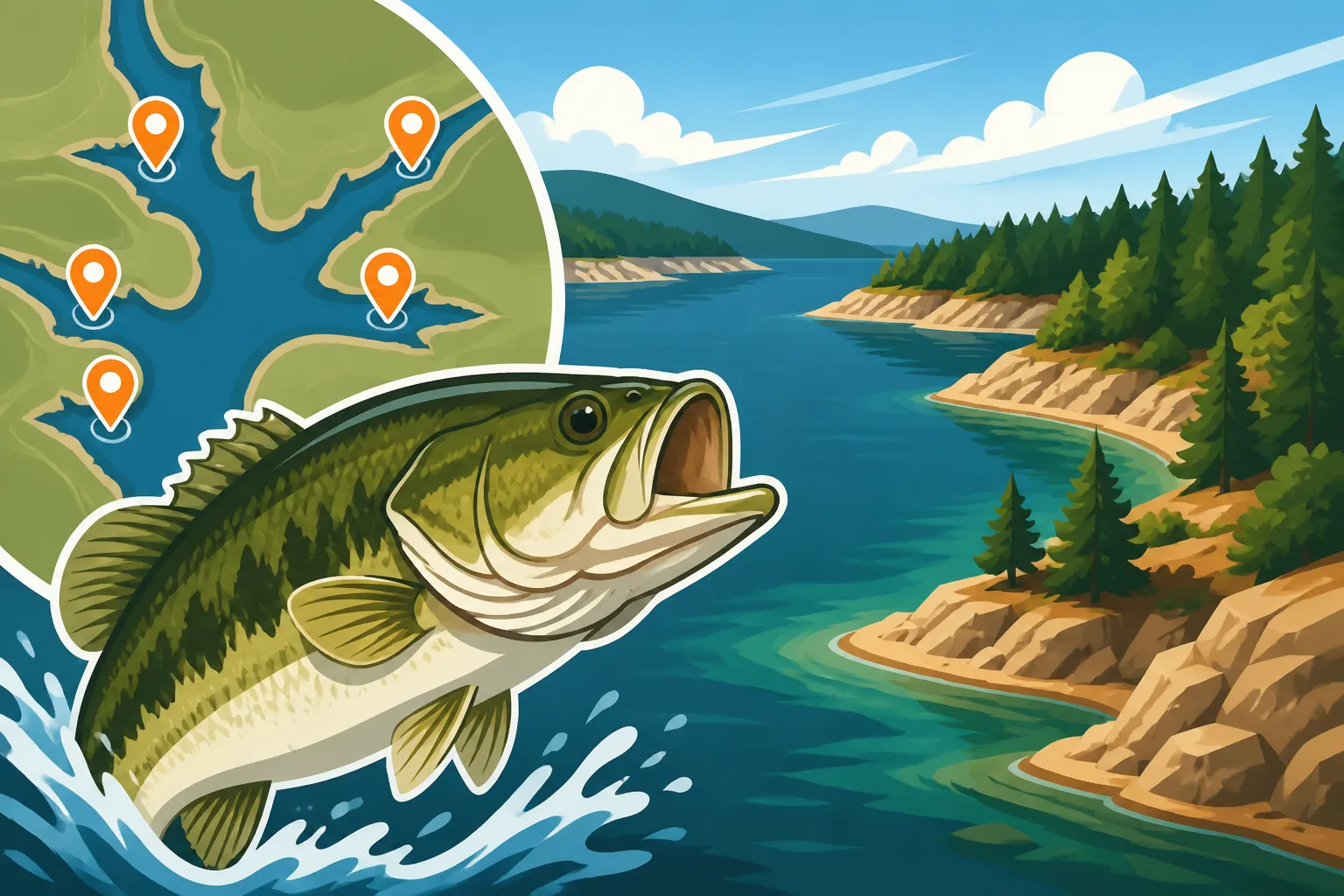
- GPS and Mapping: Integrated GPS with detailed lake maps (like those from Lowrance, Humminbird, or Navionics) allows you to mark waypoints for productive coves, specific pieces of structure, or even individual fish you've spotted. This capability lets you return to hotspots with precision and build a database of successful locations over time. Knowing the contours and depth changes before you even drop a line can save hours of searching. Our guide on How to Use a Fish Finder on an Idaho Reservoir can help you get started.
- Interpreting the Data: Learning to interpret the images on your screen takes practice. Understand what bass look like on sonar, how to distinguish different types of cover, and how to identify schools of baitfish. This knowledge, combined with your understanding of bass behavior, will dramatically increase your success rate in C.J. Strike's diverse coves.
By combining your knowledge of bass behavior with the right gear and smart use of technology, you’ll be well on your way to unlocking the full potential of C.J. Strike Reservoir for incredible bass fishing. And remember, before you head out, always make sure you have your Idaho Fishing License Guide in order!
Summary of Bass Cove Features and Lure Choices
To make your trip to C.J. Strike Reservoir as productive as possible, here's a quick reference guide outlining the key features to look for in coves for both largemouth and smallmouth bass, along with some go-to lure choices.
| Bass Species | Preferred Cove Characteristics | Key Features to Look For | Top Lure Choices | Best Seasons |
|---|---|---|---|---|
| Largemouth | Shallow, vegetated, protected, warm water. | Dense weed beds, lily pads, submerged timber/brush, muddy bottoms, gradual slopes. | Texas-rigged worms, Senkos, flipping jigs, frogs, spinnerbaits. | Spring, Summer (early/late), Fall |
| Smallmouth | Rocky, deeper, current breaks, cooler water. | Rocky points, bluff walls, ledges, scattered boulders, gravel bottoms, steep drop-offs, access to main channel. | Tube jigs, drop-shot rigs, crankbaits, jerkbaits, grubs, swimbaits. | Spring, Summer, Fall, Winter (deeper) |
This table provides a snapshot, but remember, flexibility is key. Bass can often surprise you, so don't be afraid to try different techniques and adjust based on what the fish are telling you on any given day. If you're looking for more general information on fishing rules, our Idaho Fishing Regulations Explained article is a great resource. If navigating the extensive waters of C.J. Strike feels daunting, consider booking a trip with a local expert. Platforms like FishingBooker can connect you with experienced guides who specialize in bass fishing on this reservoir, giving you an immediate advantage in learning the local nuances of these coves.
Exploring C.J. Strike with Local Expertise
While this guide offers a solid foundation for tackling the bass coves of C.J. Strike Reservoir, there’s nothing quite like the knowledge of someone who spends countless hours on the water. Local fishing guides possess an intimate understanding of the reservoir's ever-changing conditions, seasonal patterns, and those secret honey holes that aren't marked on any map.
Hiring a guide, even for just a half-day trip, can dramatically shorten your learning curve. They can teach you the specific nuances of fishing particular coves, demonstrate the most effective techniques for the current conditions, and help you understand how to "read" the water in ways that only come with experience. Whether you're a seasoned angler looking to fine-tune your approach or a beginner eager to learn the ropes, a guided trip can transform your understanding of C.J. Strike. You can easily find reputable local guides specializing in bass fishing on C.J. Strike through services like FishingBooker, which provides access to a network of vetted professionals.
These guides often have specialized equipment, know exactly where the fish are holding based on recent reports, and can provide invaluable insights into topics like the Best Time of Year to Fish in Idaho for specific species. They can also ensure you're fishing within all current Idaho Catch Limits and Bag Limits Explained. Think of it as an accelerated course in C.J. Strike bass fishing. Plus, having a guide manage the boat means you can focus 100% on fishing and enjoying the stunning scenery. A short trip booked via FishingBooker might just be the best investment you make for your next fishing adventure here.
Disclaimer
Fishing conditions and regulations in Idaho can change. Always consult the latest Idaho Fish and Game regulations before heading out. This guide is for informational purposes only and does not guarantee fishing success. Practice safe boating and fishing etiquette.