Best Lakes for Fishing in Idaho
It's incredibly frustrating when you're itching to get out on the water, but you're not sure which Idaho lake will truly deliver on its promise. With so many stunning bodies of water scattered across the Gem State, finding the perfect one for your next fishing adventure can feel like searching for a needle in a haystack. This comprehensive guide is here to cut through the confusion, offering a deep dive into Idaho's best fishing lakes, highlighting their unique offerings, target species, and the best ways to tackle them for a successful and memorable day.
Lake Coeur d'Alene: The Northern Gem for Diverse Angling
Lake Coeur d'Alene is not just a postcard-perfect destination; it's a fishing paradise that truly lives up to its reputation. Nestled in North Idaho, this massive lake spans over 25 miles long with a surface area of about 50 square miles, offering incredible opportunities for anglers of all skill levels. From bustling urban fishing spots near the city to tranquil, secluded coves, Lake Coeur d'Alene presents a dynamic environment for a variety of fish species, making it a perennial favorite.
Targeting Kokanee Salmon and Chinook Salmon
One of the biggest draws to Lake Coeur d'Alene is its robust population of kokanee salmon and, for those seeking a bigger fight, its impressive Chinook salmon. Kokanee are the landlocked sockeye, known for their vibrant red flesh and delicious taste, and they tend to school in large numbers, making for fast-paced action once you find them. These silver bullets provide excellent sport, especially when targeted with specialized kokanee gear.
To effectively fish for kokanee, trolling is often the name of the game. Anglers typically use downriggers to get small hoochies, wedding rings, or dodgers down to the depths where kokanee prefer to hang out, especially during the warmer summer months. Pay close attention to your fish finder; once you mark a school, adjust your depth and speed accordingly. Early mornings and late evenings are often the most productive times for kokanee. If you're wondering where to catch kokanee on Lake Coeur d'Alene, focusing on the southern end near Harrison or the broad central sections can yield excellent results, especially in late spring and early summer.
Chinook salmon, on the other hand, are the giants of the lake, offering a truly epic battle. These powerful fish were introduced to help control the kokanee population, and they've thrived, growing to substantial sizes. Catching a trophy Chinook often requires heavier gear, larger lures, and a good understanding of their feeding patterns. They'll follow the kokanee, so finding schools of kokanee is often the first step to locating Chinook. Trolling with large plugs, spoons, or herring imitations is a popular and effective method. You'll want to review your Idaho Catch Limits and Bag Limits Explained to make sure you're compliant with the current regulations for both species.
Bass Fishing and Panfish Opportunities
While salmon steal much of the spotlight, Lake Coeur d'Alene also boasts an excellent warm-water fishery, particularly for smallmouth and largemouth bass. The lake's irregular shoreline, with countless bays, coves, and rocky points, provides ideal habitat for both species. Smallmouth bass are particularly abundant in the clearer, rockier areas, while largemouth prefer the weed beds and shallower, calmer waters found in many of the lake's numerous bays.
Bass anglers can have a field day here, throwing everything from spinnerbaits and crankbaits to jigs and soft plastics. During the spring and early summer, bass will move into the shallows for spawning, offering fantastic sight-fishing opportunities. As the water warms, they'll often retreat to deeper structure, requiring a different approach with deep-diving cranks or dropshot rigs. The versatility of Lake Coeur d'Alene means you can spend one day trolling for salmon and the next casting for hard-fighting bass, truly showcasing the lake's diverse angling appeal. For those planning a trip, looking up a guide on platforms like FishingBooker can be an excellent way to learn the specific nuances of fishing this vast lake.
Beyond bass, Lake Coeur d'Alene also offers plentiful panfish opportunities, including yellow perch and crappie. These species are perfect for a relaxed day on the water, especially for families or beginners. Perch are often found in large schools, making them relatively easy to catch once located, and they provide delicious table fare. Crappie tend to hang around submerged timber and brush piles. Simple setups with small jigs or live minnows are usually all you need to fill a cooler with these tasty fish.
Lake Pend Oreille: Home of Legendary Rainbow Trout
Just north of Lake Coeur d'Alene, Lake Pend Oreille holds a mystical quality among Idaho anglers, primarily for its storied history of producing truly massive rainbow trout, specifically the Gerrard strain. This colossal lake is the largest in Idaho, reaching depths of over 1,150 feet, making it the fifth deepest lake in the United States. Its sheer size and depth contribute to its unique ecosystem, supporting an incredible array of fish, including trophy Kamloops rainbow trout, lake trout (Mackinaw), kokanee, and even some smallmouth bass.
The Quest for Trophy Kamloops Rainbow Trout
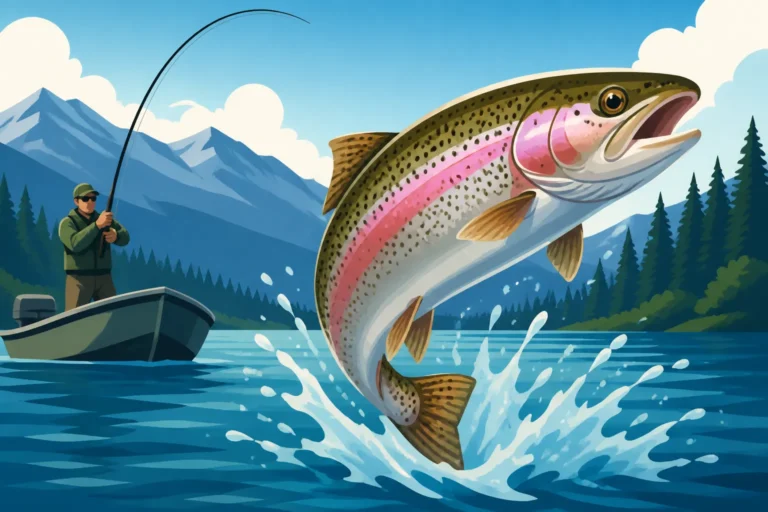
Lake Pend Oreille is famous worldwide for its Kamloops rainbow trout, a strain known for its incredible size and fighting prowess. These rainbows are a true challenge, often growing to over 20 pounds, with the world record (a staggering 37 pounds) caught right here in 1947. While those record-breaking days are rare now, Pend Oreille still consistently produces rainbows in the 10-20 pound range, offering a legitimate chance at a fish of a lifetime. The pursuit of these giants often defines an angler's experience on this lake.
Trolling is the most common and effective method for these enormous rainbows, especially covering vast stretches of water. Anglers typically use large spoons, plugs, or even baitfish imitations, often trolled at various depths using downriggers or planer boards. The "Pend Oreille Pop Gear" or similar large flashers combined with a fly or spoon are also popular. Early morning and late evening often yield the best results, as these predatory rainbows move into shallower water to feed. Understanding the depths these fish prefer, which can vary significantly with water temperature and time of year, is crucial. Patience and persistence are key when chasing these elusive giants.
Beyond the big rainbows, Lake Pend Oreille also harbors a healthy population of lake trout, or Mackinaw, which can also reach impressive sizes. These deep-water dwellers are often targeted using similar trolling techniques but usually at much greater depths. Vertical jigging over deep structure can also be effective, especially during winter months.
Kokanee and Bass in Pend Oreille's Diverse Waters
While the giant rainbows and lake trout often steal the show, Lake Pend Oreille also offers excellent kokanee fishing and a surprising amount of smallmouth bass action, providing diverse options for anglers. The kokanee fishery here, much like Lake Coeur d'Alene, is a staple, offering consistent action for delicious pan-sized salmon.
Kokanee in Lake Pend Oreille are typically targeted by trolling small dodgers and wedding rings or similar kokanee-specific lures. They tend to school up, making them a fun target once you locate them. While not as large as the Kamloops rainbows, kokanee provide excellent light-tackle sport and are a fantastic option for family outings. Their schooling behavior means that once you find one, you're likely to find many more. If you're looking for Idaho Kokanee Fishing Guide, you'll find plenty of local expertise for Pend Oreille.
For bass enthusiasts, the rocky shorelines and numerous coves around Lake Pend Oreille provide ideal habitat for smallmouth bass. These bronze beauties are feisty fighters on light tackle and are often found near submerged rock piles, ledges, and transition areas. Casting small crankbaits, jigs, or soft plastics can be incredibly effective, especially during the warmer months. While not as heavily targeted as the salmonoids, the bass fishery in Pend Oreille is a hidden gem for those who know where to look, offering a different kind of challenge and excitement.
Priest Lake: Northern Idaho's Trophy Lake Trout Destination
Tucked away in the northernmost reaches of Idaho's panhandle, Priest Lake is a jewel known for its crystal-clear waters, stunning mountainous backdrop, and, most importantly, its reputation as a premier destination for trophy lake trout, often referred to as Mackinaw. This deep, cold-water lake is a haven for anglers seeking a true challenge and the chance to land a fish that will test their gear and their resolve. It's often considered alongside its larger neighbors for the quality of its fishing, especially for specific species.
The Allure of Mackinaw and Cutthroat Trout
Priest Lake is virtually synonymous with "Mackinaw fishing" in Idaho. These deep-dwelling predators can grow to enormous sizes in Priest Lake, with fish regularly caught in the 10-30 pound range, and the potential for much larger specimens. The cold, oxygen-rich waters and abundant forage base—primarily kokanee and other smaller fish—allow these lake trout to thrive and reach impressive dimensions.
Targeting Mackinaw on Priest Lake is a specialized endeavor that typically involves deep-water trolling with heavy gear. Anglers use large spoons, plugs, and sometimes even live bait (where permitted) on downriggers to reach depths often exceeding 100 feet. Locating submerged structure, such as deep ledges, humps, and drop-offs, is key, as these are the areas where Mackinaw ambush their prey. Early spring and late fall are often considered prime times, as the lake trout may move into shallower water, making them slightly more accessible. For a truly unique experience, some hardy anglers even venture out for ice fishing, jigging for these deep-water giants through the frozen surface in winter.
Beyond the colossal lake trout, Priest Lake also supports a healthy population of native westslope cutthroat trout. While not typically reaching the same trophy sizes as the Mackinaw, these beautiful, aggressive trout offer excellent sport on lighter tackle. They are often found closer to shore, particularly around tributary mouths and rocky points, and can be caught by casting spinners, small spoons, or flies. The scenic beauty of Priest Lake, combined with the chance to catch both powerful Mackinaw and elegant cutthroat, makes it a truly special angling destination.
Bass and Panfish in Priest Lake's Coves
While the deep, cold-water species like Mackinaw and cutthroat dominate the fishing narrative of Priest Lake, the lake's shallower bays and coves offer surprising opportunities for warm-water species, including smallmouth bass and various panfish. This provides a welcome change of pace for anglers seeking a different challenge or simply a more relaxed day of fishing.
Smallmouth bass have established a strong presence in Priest Lake, particularly in the warmer, rockier sections of the lower lake and throughout its numerous bays. These feisty fighters are a blast on light tackle, readily taking to a variety of lures such as small crankbaits, jigs, and soft plastics fished around submerged rocks, docks, and weed edges. The spring and early summer periods, when bass move into shallower waters for spawning, can be particularly productive. Even in a cold-water lake like Priest, the smallmouth provide a vibrant fishery for those who appreciate their aggressive strikes and acrobatic fights.
Additionally, Priest Lake offers consistent action for yellow perch, providing excellent family-friendly fishing. Perch are often found schooling in bays and near weed lines, making them relatively easy to locate and catch using simple bobber-and-worm setups or small jigs. They are fantastic table fare, and a day of perch fishing can be a great way to introduce new anglers to the sport. The combination of trophy Mackinaw, native cutthroat, and accessible bass and perch makes Priest Lake a well-rounded fishing destination that truly has something for everyone, regardless of their preferred species or fishing style.
Cascade Reservoir: Central Idaho's Perch and Muskie Hotspot
Cascade Reservoir, located in central Idaho near the town of Cascade, is a massive body of water formed by the damming of the North Fork of the Payette River. It's not as deep or clear as the northern lakes, but what it lacks in clarity, it more than makes up for in sheer productivity and diversity. This large, relatively shallow reservoir is a warm-water powerhouse, renowned throughout the state for its phenomenal perch fishing and its unique, thrilling tiger muskie fishery.
Unrivaled Perch Fishing and Emerging Walleye
If you love catching yellow perch, Cascade Reservoir should be at the very top of your list. This reservoir is arguably the best perch fishery in Idaho, consistently producing large numbers of fat, healthy perch, many of which are of "jumbo" size—meaning they're substantially larger than your typical panfish. Both summer and winter fishing for perch are incredibly popular, drawing anglers from across the region.
During the warmer months, perch can be found throughout the reservoir, often schooling near weed beds, submerged structure, and drop-offs. Anglers use a variety of techniques, including jigging with small lead-head jigs tipped with maggots or pieces of worm, or using simple bobber rigs with live bait. The action can be fast and furious, making it a fantastic destination for families and anyone looking to fill a cooler with delicious fish. For more detailed tips, you might want to explore an Idaho Fishing Techniques Guide that covers jigging for panfish.
When winter sets in, Cascade transforms into an ice fishing mecca. The reservoir freezes over reliably, offering extensive opportunities for ice anglers to target perch. Thousands of holes are drilled annually as anglers brave the cold for a chance at a limit of jumbo perch. Jigging through the ice with small spoons or ice jigs tipped with a grub is the standard method, and it's not uncommon for anglers to catch dozens of fish in a single outing. Beyond perch, Cascade Reservoir is also developing an exciting walleye fishery. While still somewhat emerging, walleye are being successfully introduced, offering another fantastic cool-water predatory species for anglers to pursue, particularly in deeper channels and over rocky bottoms.
Chasing the Elusive Tiger Muskie
For those who crave a truly unique and challenging fishing experience, Cascade Reservoir offers the thrill of pursuing tiger muskie. These fearsome-looking fish are a sterile hybrid of northern pike and muskie, known for their aggressive strikes, impressive size, and elusive nature. They are often referred to as "the fish of 10,000 casts," and while that might be a slight exaggeration, they certainly demand patience and specialized tactics.
Tiger muskie in Cascade can grow to substantial sizes, with many reaching lengths of 40 inches or more. They are apex predators, preying on the abundant perch and other baitfish in the reservoir. Anglers targeting muskie typically use heavy-duty gear, including stout rods, large baitcasting reels, and strong lines, capable of handling powerful strikes and prolonged fights. Large, flashy lures such as bucktails, spinnerbaits, jerkbaits, and big plugs are common choices.
Fishing for tiger muskie is often a game of patience and perseverance. They are ambush predators, so targeting weed lines, submerged timber, and rocky points where they can hide and dart out at prey is crucial. Making hundreds of casts in a day is not uncommon, but the reward of hooking into one of these toothy giants is an unforgettable experience. For serious muskie hunters, Cascade Reservoir provides one of the best and most accessible tiger muskie fisheries in the Western United States. If you’re considering hiring an expert to learn the ropes, a platform like FishingBooker can help you find guides specializing in muskie on Cascade.
Redfish Lake: High-Altitude Serenity and Sockeye Stories
Deep within the stunning Sawtooth National Recreation Area, Redfish Lake is not just one of Idaho's most picturesque lakes; it's a place steeped in natural history and a serene high-mountain fishing experience. While perhaps not known for trophy fish in the same vein as Pend Oreille, its beauty, native fish populations, and the legendary sockeye salmon run make it a bucket-list destination for many.
Catching Native Trout in a Scenic Setting
Redfish Lake is primarily a trout fishery, offering a beautiful backdrop for catching native fish. The lake is home to several species of trout, including rainbow trout, cutthroat trout, and brook trout. Anglers often come here for the pure experience of fishing in a pristine alpine environment, surrounded by towering granite peaks.
Fishing methods tend to be simpler here, favoring traditional trout techniques. Shore fishing is popular, with anglers casting spinners, spoons, or bait (like worms or power bait) from accessible points. Boat fishing, whether from a small aluminum boat, kayak, or pontoon, allows access to more of the lake's expansive waters and deeper sections. Trolling small lures or flies can be effective, especially for rainbow and cutthroat trout. Fly fishing is also a favorite method, particularly in the inlet and outlet streams or by stripping streamers from a boat. The trout here are typically pan-sized but offer consistent action and are a delicious reward after a day spent soaking in the breathtaking scenery.
For those seeking more adventure, Redfish Lake serves as a gateway to numerous high mountain lakes in the surrounding Sawtooth wilderness. These often require a hike, sometimes strenuous, but can reward anglers with even more pristine conditions and eager native trout populations, often eager to take a dry fly. It’s truly an experience that combines the joys of fishing with the beauty of Idaho’s backcountry.
The Legendary Sockeye Salmon Run
While fishing for the lake's resident trout is a popular pastime, Redfish Lake is most famous for its incredible, albeit often fragile, sockeye salmon run. This lake is the end of an epic journey for these anadromous fish, traveling over 900 miles and climbing 6,500 feet in elevation from the Pacific Ocean, making it the longest salmon migration in the Lower 48 states. The "redfish" in Redfish Lake actually refers to the sockeye, as their bodies turn a brilliant crimson color during their spawning migration.
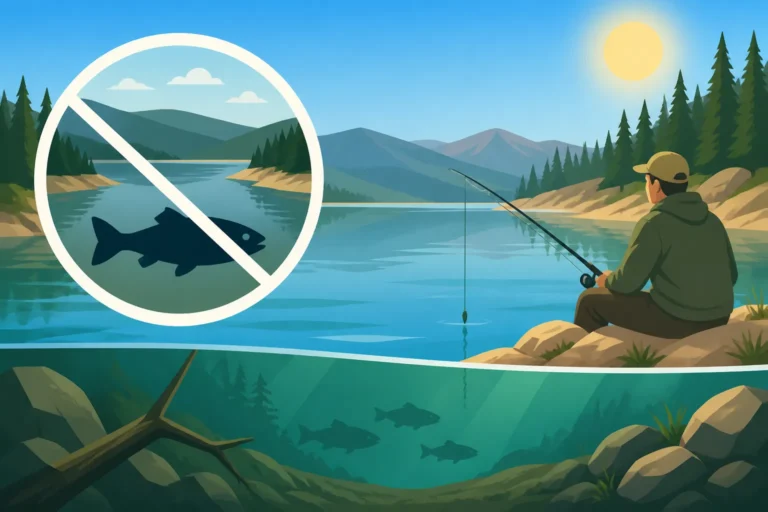
Fishing for sockeye salmon is strictly prohibited in Redfish Lake, as these are critically endangered species protected under the Endangered Species Act. However, observing the sockeye return is a moving and educational experience, often peaking in late summer. Idaho Fish and Game operates a sockeye counting facility at the lake's inlet, providing visitors with a unique opportunity to see these incredible fish up close as they complete their arduous journey.
While you can't fish for them, understanding the sockeye's presence underscores the delicate balance of this unique ecosystem. Their conservation efforts are a testament to Idaho's commitment to preserving its natural heritage. For anglers visiting, the story of the sockeye adds a profound layer to the already stunning beauty and excellent trout fishing found at Redfish Lake. It's a reminder that some of the best "fishing" experiences are not always about catching.
Payette Lake: McCall's Mountain Majesty for Diverse Trout
Nestled in the picturesque resort town of McCall, Payette Lake is a stunning glacial lake that offers both incredible beauty and a fantastic cold-water fishery. This deep, clear lake is a popular destination for tourists and anglers alike, providing opportunities for a variety of trout species and even some kokanee. Its accessibility, coupled with its robust fish populations, makes it a perennial favorite for both serious anglers and casual vacationers.
Targeting Lake Trout and Rainbow Trout
Payette Lake is a prime spot for lake trout (Mackinaw) and rainbow trout, offering different challenges and rewards for anglers. The lake's substantial depth and cold temperatures provide an ideal habitat for Mackinaw, which can grow to impressive sizes, though perhaps not as large as the giants of Priest Lake.
Fishing for lake trout on Payette Lake typically involves deep-water trolling with downriggers, using large spoons, plugs, or cut bait. Early mornings and late evenings, especially during the summer, can be productive, as the Mackinaw move shallower to feed. Alternatively, during the colder months, especially through the ice, vertical jigging over deep structure can entice strikes. Landing a solid Mackinaw on Payette Lake is a rewarding experience, providing a powerful fight from the depths.
Rainbow trout are also abundant in Payette Lake, thanks to consistent stocking efforts by Idaho Fish and Game. These spirited fighters provide consistent action and are a great target for anglers of all skill levels. Trolling with various spoons, spinners, or small plugs is effective, as is casting from shore or a boat with bait or lures. Fly anglers can also find success, particularly in the shallower bays or near tributary mouths during hatches. The consistent stocking ensures a healthy population, making it a reliable spot for catching rainbows.
Kokanee and the Winter Ice Fishing Season
Beyond its excellent trout fishing, Payette Lake also supports a healthy population of kokanee salmon, offering another exciting option for anglers. These smaller, schooling salmon provide fast-paced action and are delicious table fare, making them a popular target.
Kokanee in Payette Lake are typically targeted through trolling. Anglers use specialized kokanee rigs, often involving a dodger or flasher followed by a small hoochie, wedding ring, or similar lure tipped with corn. Pay attention to your fish finder to locate schools, then adjust your depth and speed to match. Early summer is often a prime time for kokanee, before they move into deeper water as the season progresses. It’s a great way to experience Idaho Fishing Techniques Guide specific to salmonoids.
When winter blankets McCall with snow, Payette Lake transforms into a bustling ice fishing destination. This is when the lake truly shines for many anglers. Ice fishing for perch, rainbow trout, and even some kokanee is a popular pastime. Jigging with small spoons, soft plastics, or bait through the ice provides consistent action, and the camaraderie of ice fishing on a frozen Payette Lake is a unique Idaho experience. Just make sure to check ice thickness and current conditions before venturing out.
Southern Idaho Reservoirs: Accessibility and Diverse Warm-Water Fishing
While the panhandle lakes often steal the limelight, Southern Idaho boasts an impressive network of reservoirs that offer fantastic and highly accessible fishing, particularly for warm-water species like bass, crappie, and perch, along with abundant trout. Reservoirs like Lucky Peak near Boise, C.J. Strike near Grand View, and American Falls Reservoir further east provide diverse opportunities for anglers across the region, making them incredibly popular for weekend trips and day outings.
Lucky Peak Reservoir: A Boise Angler's Escape
Just a short drive from downtown Boise, Lucky Peak Reservoir is a vital resource for recreation and a popular fishing destination for locals. Formed by the Boise River, this reservoir offers consistent action for trout, bass, and kokanee, providing an easy escape for urban anglers.
Lucky Peak is regularly stocked with rainbow trout by Idaho Fish and Game, ensuring a robust population. These trout can be caught using a variety of methods, including trolling with spoons or spinners, casting from shore with PowerBait or worms, or fly fishing in the calmer sections. The spring and fall months are particularly productive for trout, as they are more active in cooler water. Lucky Peak also offers a decent smallmouth bass fishery, with these aggressive fighters often found around rocky points and submerged structure. Crankbaits, jigs, and soft plastics are effective for targeting bass, especially during the warmer summer months.
The reservoir also supports a population of kokanee salmon, which can provide excellent light-tackle action, particularly in the deeper, open water sections. Similar to other kokanee fisheries, trolling with small dodgers and hoochies is the go-to method. Lucky Peak's accessibility makes it a perfect spot for a quick after-work fishing trip or a family outing, offering something for every angler without a long drive. If you're looking to maximize your chances, consider hiring a local guide, and services like FishingBooker can connect you with experienced captains who know Lucky Peak's hotspots.
C.J. Strike Reservoir: Bass, Crappie, and Catfish Haven
Further south, where the Snake and Bruneau Rivers meet, C.J. Strike Reservoir is a warm-water fishing powerhouse. This large, diverse reservoir is renowned for its exceptional bass fishing, fantastic crappie populations, and robust catfish action, making it a favorite among Southern Idaho anglers.
C.J. Strike is widely considered one of Idaho's premier bass fishing destinations, home to both smallmouth and largemouth bass. The reservoir's varied structure—rocky banks, submerged timber, weed beds, and numerous coves—provides ideal habitat. Smallmouth are abundant along the main river channels and rocky points, while largemouth prefer the shallower, weedy backwaters. Anglers can have incredible success here with everything from topwater lures in the morning to deep-diving crankbaits and jigs during the heat of the day. The bass here grow large and fight hard, offering thrilling action for dedicated bass enthusiasts.
Crappie fishing at C.J. Strike is also legendary, with anglers regularly catching limits of these delicious panfish. Crappie tend to school around submerged brush piles, timber, and bridge pilings. Small jigs, minnows, or plastic crappie baits fished under a bobber are highly effective. Spring and fall are prime times for crappie, when they move into shallower waters. Additionally, C.J. Strike boasts an excellent channel catfish fishery, with these whiskered fighters growing to impressive sizes. Fishing on the bottom with stink baits, cut bait, or worms is the standard method, often yielding powerful bites and strong fights, especially during warm summer nights.
| Lake Name | Primary Species | Secondary Species | Notable Features |
|---|---|---|---|
| Lake Coeur d'Alene | Kokanee, Chinook Salmon | Smallmouth Bass, Perch, Crappie | Large, scenic, diverse fishery, urban access. |
| Lake Pend Oreille | Kamloops Rainbow Trout (Trophy) | Lake Trout, Kokanee, Smallmouth Bass | Deepest in Idaho, world-record rainbow history. |
| Priest Lake | Lake Trout (Mackinaw) | Cutthroat Trout, Smallmouth Bass, Perch | Pristine, crystal-clear, trophy Mackinaw. |
| Cascade Reservoir | Yellow Perch (Jumbo), Tiger Muskie | Walleye, Rainbow Trout | Premier perch, unique muskie, excellent ice fishing. |
| Redfish Lake | Rainbow Trout, Cutthroat Trout | Brook Trout, Sockeye (observe only) | High-mountain, stunning scenery, sockeye migration. |
| Payette Lake | Lake Trout, Rainbow Trout, Kokanee | Smallmouth Bass | Resort town access, consistent stocking, ice fishing. |
| Lucky Peak Reservoir | Rainbow Trout, Smallmouth Bass, Kokanee | Close to Boise, consistent stocking, easy access. | |
| C.J. Strike Reservoir | Smallmouth/Largemouth Bass, Crappie | Channel Catfish, Rainbow Trout | Warm-water haven, diverse species, big bass. |
Henry's Fork of the Snake River: A Lake in Disguise for Fly Anglers
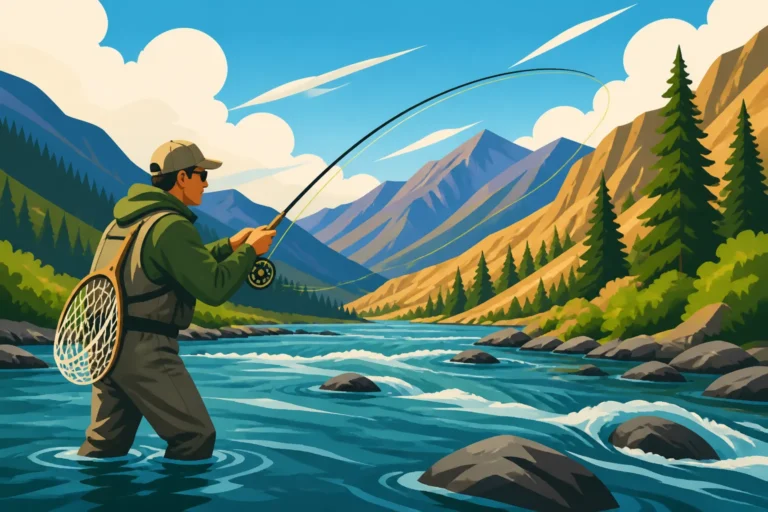
While not a lake in the traditional sense, the Henry's Fork of the Snake River, particularly the famous "Ranch" section near Island Park and other broad, slow-moving sections, often fishes like a spring creek or even a small lake, especially for fly anglers. This iconic river is globally recognized as one of the finest trout streams in the world, a true mecca for fly fishing enthusiasts. Its incredibly rich insect life and technical fishing make it a challenging yet immensely rewarding destination.
World-Class Dry Fly Fishing for Rainbows and Browns
The Henry's Fork is legendary for its dry fly fishing, attracting anglers from every corner of the globe. The river's unique character, with its slow-moving, glassy sections, abundant aquatic vegetation, and prolific insect hatches, creates a demanding environment that tests even the most seasoned fly casters. Fish here are often highly selective, requiring precise presentations and accurate fly imitations.
Rainbow trout are the dominant species in the Henry's Fork, growing to impressive sizes and known for their strong, acrobatic fights. Brown trout are also present, often lurking in deeper runs and under cut banks, offering a chance at a true trophy. The river's rich ecosystem supports incredible hatches of mayflies (like the famous Green Drake and Salmonfly hatches), caddisflies, and midges throughout the season. Matching the hatch is paramount here, and anglers often spend hours observing the water to determine the exact insect the trout are feeding on.
For beginners, the Henry's Fork can be intimidating, but there are sections that are more forgiving. However, for those seeking to hone their skills and experience truly world-class dry fly action, there's simply no substitute. The satisfaction of fooling a large, selective Henry's Fork rainbow with a perfectly presented dry fly is a feeling many anglers chase for a lifetime. Guides specializing in the Henry's Fork, often found on platforms like FishingBooker, are invaluable for navigating its complexities. You'll want to review your Idaho Fishing Regulations Explained before heading out, as special rules apply to different sections.
Nymphing and Streamer Tactics for Deeper Waters
While dry fly fishing often grabs the headlines on the Henry's Fork, effective nymphing and streamer tactics are equally crucial, especially when fish aren't rising or when targeting larger, more elusive trout in deeper pockets and runs. The river's depth and varied structure provide excellent opportunities for subsurface presentations.
Nymphing is a highly effective method on the Henry's Fork, particularly in faster riffles, runs, and deeper pools where trout feed on subsurface insect larvae and pupae. Techniques such as indicator nymphing, where weighted flies are suspended beneath a strike indicator, or Euro nymphing, which uses specialized rods and lines for direct contact, can be incredibly productive. Anglers often employ multiple nymph rigs, experimenting with different patterns and weights to find what the fish are keying on. Matching the natural insects in their larval stage, such as stonefly nymphs, caddis larvae, and various mayfly nymphs, is just as important as matching dry flies.
Streamer fishing, while perhaps less common than dry fly or nymphing, can be a highly effective way to target larger predatory trout, especially brown trout. Stripping articulated streamers or baitfish imitations through deep pools, undercut banks, and around submerged structure can provoke aggressive strikes from trophy fish. This method is often more active and requires a different retrieve, mimicking a baitfish darting through the water. Whether you're casting tiny dry flies, drifting nymphs, or stripping streamers, the Henry's Fork offers a comprehensive fly fishing education and an unparalleled opportunity to connect with some of Idaho's most intelligent trout.
Disclaimer
The information provided in this guide is for general informational purposes only and does not constitute legal advice or an endorsement of any specific product or service. Fishing regulations, seasons, and fish populations can change frequently. Always consult the most current Idaho Fish and Game regulations and local advisories before planning any fishing trip. Adhere to all safety guidelines and respect private property.