Idaho Fishing License Rules for Float Trips
Anglers often dream of floating Idaho's pristine rivers, but the thought of navigating fishing license rules while planning a trip can quickly turn that dream into a head-scratching puzzle. It’s easy to get confused about what permits you need when you're floating, especially with varying water types and species. This comprehensive guide will break down everything you need to know about Idaho fishing license requirements for any kind of float trip, ensuring you're fully prepared and legal.
Understanding What Constitutes a "Float Trip" in Idaho
Before diving into the nitty-gritty of licenses, let's clarify what we mean by a "float trip" in the context of Idaho fishing regulations. It's not just about being on a boat; it's specifically about the act of fishing while floating or from a floating device. This distinction is crucial because it informs which rules apply to you.
Distinguishing a Float Trip from Simple Boating
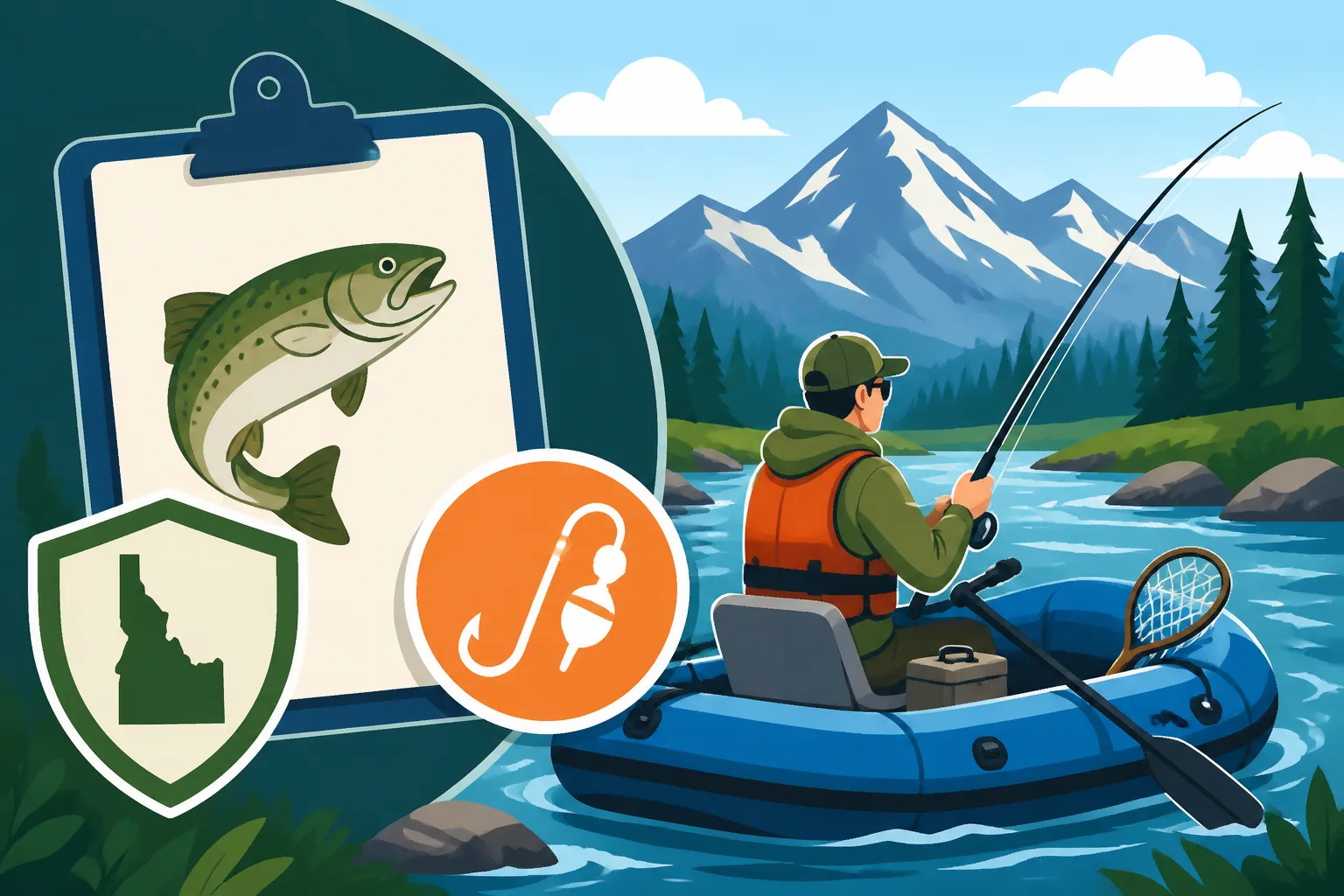
Many folks think that if they're on a boat, that's it. But a "float trip" for fishing purposes specifically refers to utilizing a boat, raft, kayak, or even a float tube to access fishing spots, drift through productive water, or fish directly from the craft as it moves downstream. It's less about the vessel itself and more about the method of travel and fishing. If you're simply motoring across a lake to a shore fishing spot, that's just boating. If you're drifting the Salmon River, casting as you go, that's definitely a float trip.
The Idaho Department of Fish and Game (IDFG) regulations apply to the act of fishing, regardless of whether your feet are on the bank or you're enjoying the current from a drift boat. The key takeaway here is that if you're engaging in any angling activity while on a floating device in a river or stream, or even covering water on a lake with a float tube, these rules apply. It's a subtle but important difference that can save you from a potential misunderstanding with a Fish and Game officer. Imagine spending a glorious day on the water only to find out you were technically breaking the rules!
Common Vessels Used for Floating and Their Implications
Idaho's vast network of rivers and lakes lends itself to a wide array of floating vessels. You might be in a sturdy drift boat navigating the Middle Fork of the Salmon River, paddling a kayak on the Clearwater, or relaxing in a float tube on a high-mountain lake. Each vessel offers a unique experience, but the licensing requirements remain consistent across the board. Whether you're in a whitewater raft, a dory, or a stand-up paddleboard, if you have a fishing rod in hand and are actively fishing, you need the appropriate Idaho fishing license.
The type of craft doesn't grant any special exemptions; the focus is always on the individual angler and their compliance with the rules. This includes those serene canoe trips on the St. Joe River or even a small inflatable raft on the Snake River. So, before you even inflate that raft you just bought from Amazon or load up the drift boat, make sure every angler on board has their ducks in a row. The state cares about the act of fishing, not necessarily the fancy gear you're using to do it.
Essential Fishing License Requirements for All Float Trip Anglers
Alright, let's cut to the chase and talk about what every angler needs before embarking on any float trip in Idaho. This is the absolute core information that can't be overlooked.
Baseline Idaho Fishing License for Residents and Nonresidents
Almost everyone needs an Idaho fishing license to fish, whether you're floating or standing on solid ground. This is the absolute first step. If you're an Idaho resident, you'll need an Idaho Resident Annual Fishing License This covers you for a full year of angling adventures across the Gem State. If you're visiting from out of state, the Idaho Nonresident Fishing License Guide will walk you through your options, which typically include annual or short-term licenses like the Idaho One-Day Fishing License. Nonresidents have a few choices depending on the length of their stay, so pick the one that best fits your float trip itinerary.
The core license covers the basic act of fishing for most species in most general waters. It’s critical to remember that this license needs to be purchased before you start fishing. You can't just decide halfway down the river that you should probably get one. Many anglers buy theirs online through the IDFG website, or at sporting goods stores like Cabela's or even local tackle shops around the state. Make sure you have it physically with you or easily accessible on your phone, as wardens do check. Nothing puts a damper on a peaceful float quite like a citation for an absent license.
Age-Specific Rules for Children and Seniors on Float Trips
Idaho is pretty friendly to young anglers and seasoned veterans, but there are still rules that apply. Generally, kids under the age of 14 do not need a fishing license in Idaho for general fishing. This is fantastic for family float trips on calmer waters like the Boise River through town or some of the smaller, stocked ponds. Imagine the joy of a child catching their first rainbow trout without the hassle of paperwork!
However, if a child under 14 wishes to keep salmon or steelhead, they do need a salmon/steelhead permit, and they must also possess a valid fishing license. This is a common point of confusion, so always double-check the latest Idaho Fishing Rules for Kids and Families. It’s a small detail that can make a big difference if your young angler manages to land a prized anadromous fish. For senior anglers, Idaho offers discounts on licenses for residents aged 65 and older. While they still need a license, the Idaho Senior Fishing License Discount makes it more affordable to enjoy the state's incredible waters. It's a nice perk for those who've dedicated a lifetime to the sport or just discovered its peaceful allure.
Required Permits for Specific Species or Access
Beyond the general fishing license, Idaho requires additional permits for certain species, which are absolutely crucial for float trips targeting those fish. The two big ones are salmon and steelhead. If your float trip plans involve chasing these anadromous beauties, you must have an Idaho Salmon and Steelhead Permit in addition to your base fishing license. This permit helps manage these prized fisheries and contributes to conservation efforts. This is especially true for popular steelhead rivers like the Clearwater and Salmon.
Another vital permit often overlooked is the Idaho Access and Depredation Fee Explained. This small fee, often included with your license purchase, helps fund access to private lands and mitigate wildlife damage, ensuring public access to many of the rivers you'll be floating. While not directly tied to a species, it's a mandatory part of being a legal angler in Idaho. Missing these permits can lead to hefty fines and a ruined trip, so always double-check the target species and access needs before you launch your raft.
Here's a quick summary table for clarity on common license and permit requirements:
| Angler Type | Base Fishing License Required? | Salmon/Steelhead Permit Needed? | Access/Depredation Fee? | Notes |
|---|---|---|---|---|
| Idaho Resident (14-64) | Yes | If targeting salmon/steelhead | Yes | Annual or 3-year options. |
| Idaho Resident (65+) | Yes (discounted) | If targeting salmon/steelhead | Yes | Senior discount available; specific age for discount may vary by year. |
| Nonresident (14+) | Yes | If targeting salmon/steelhead | Yes | Annual, 1-day, 3-day, 7-day, etc. options; Idaho Fishing License Age Requirements apply. |
| Youth (Under 14) | No (unless keeping salmon/steelhead) | Yes (if keeping salmon/steelhead) | Yes (if keeping salmon/steelhead) | No base license needed for general fishing. If keeping salmon/steelhead, they need a permit and a base license. |
Navigating Float Trip Requirements for Guided vs. Self-Guided Adventures
The rules can feel a little different depending on whether you're hiring a professional guide or embarking on a DIY float trip with friends. Both have distinct advantages and, yes, different responsibilities when it comes to licenses. Knowing the difference can save you from a major headache.
Your Responsibilities on a Self-Guided Float Trip
When you’re out on a self-guided float trip, whether it’s a leisurely afternoon on the South Fork of the Snake River or a rugged multi-day journey down the Middle Fork of the Salmon River, the burden of license compliance rests squarely on your shoulders. Every single angler in your party, from the moment they cast a line, is personally responsible for possessing a valid Idaho Fishing License Guide and any necessary permits, such as the Idaho Salmon and Steelhead Permit. You can't rely on anyone else to have checked for you.
This means that before you even load your gear onto your boat, raft, or kayak, you should have already purchased and printed your licenses, or have them saved on your phone for easy access. It's a good practice to designate one person as the "license checker" for the trip to ensure everyone is covered. Many experienced floaters will also keep a spare license printout in a waterproof bag, just in case their phone battery dies or their primary copy gets wet. Even small details, like having your life jacket accessible and ensuring your cooler is packed for the journey, become part of your personal responsibility when you're the captain of your own adventure.
What Guides Provide and What Anglers Still Need
Booking a trip with a professional Idaho Fishing Guides and Charters Directory can feel like a luxurious escape from the usual planning headaches. Many anglers choose this option for the local knowledge, the gear, and the peace of mind. While a guide will often provide all the necessary fishing equipment – rods, reels, tackle, and even bait or flies – they do not typically provide your individual Idaho fishing license or required permits. It’s a common misconception that since you’re paying for a guided trip, everything is included. This is almost never the case.
Your guide service might remind you to purchase your licenses ahead of time, and some even offer links or advice on How to Buy an Idaho Fishing License Online, but the actual purchase and possession of your personal license remains your responsibility. So, even if you’re floating the pristine waters of Henry's Fork with a seasoned pro, make sure your wallet contains your current fishing license. They'll handle the boats, the casting lessons, and probably even the lunch, but the state requires you to be legally licensed. Think of it like this: your guide provides the vehicle and the expertise, but you still need your driver's license to operate within the law.
Practical Tips for Ensuring Compliance on Your Idaho Float Trip
Beyond just knowing the rules, there are practical steps you can take to make sure your float trip is seamless and worry-free. A little preparation goes a long way in avoiding fines and maximizing enjoyment.
Pre-Trip Checklist for Licenses and Permits
Before you even think about hitting the water, a solid pre-trip checklist can save you a ton of grief. First and foremost, verify the dates of your trip and match them against the validity period of your chosen license, especially if you're buying a short-term nonresident option like the Cost of an Extra Day Added to an Idaho Fishing License. You don't want to be caught on the last day of a multi-day trip with an expired permit. Check the specific regulations for the body of water you intend to float, as some rivers have special rules or seasonal closures that might affect your plans, even if you have a general license. For instance, sections of the Clearwater River might have specific steelhead seasons, requiring not just a permit but also adherence to those specific dates.
Confirm that all adults and any children (who need them, as per the age rules) have their base license and any species-specific permits. Consider purchasing a waterproof license holder, readily available on platforms like Amazon, to protect your physical license from the inevitable splashes and dunkings on a float trip. A digital copy on your phone is also usually acceptable, but a dead battery or no signal means it's useless, so a physical backup is always wise. It's also smart to know Where to Buy an Idaho Fishing License in case you realize you're missing something at the last minute.
Dealing with Multi-Day Trips and Remote Access
Idaho boasts some incredible multi-day float trips, especially through wilderness areas where you might not see another soul for days. These trips, while awe-inspiring, present unique challenges for license compliance if you haven't planned ahead. Since there's no way to purchase a license mid-trip in the middle of the Frank Church Wilderness, ensuring your license covers the entire duration of your trip is paramount. If you bought a 3-day nonresident license but your trip unexpectedly extends to four days due to weather or a forgotten shuttle, you're technically fishing illegally on that fourth day.
Always err on the side of caution and purchase a license that gives you a buffer, or an annual license if your plans are open-ended. Connectivity is also a major concern; you won't have cell service in many of Idaho's remote canyons, meaning relying solely on a digital license could leave you stranded without proof if a warden checks. Having a waterproof paper copy, perhaps laminated, is a non-negotiable item for these kinds of adventures. You can easily find lamination machines or services at office supply stores if you want to make your own durable copy. A little foresight ensures your back-country experience remains purely enjoyable.
What to Do If You're Checked by an Idaho Fish and Game Officer
Encountering an Idaho Fish and Game officer while on a float trip is a fairly common occurrence, especially on popular rivers like the Salmon or Snake. These officers are out there to ensure everyone is enjoying Idaho's resources responsibly and legally. When approached, remain calm, courteous, and cooperative. They will typically ask to see your fishing license, any required permits (like for steelhead or salmon), and possibly your identification.
Have these documents ready and easily accessible. If you have them digitally, quickly pull them up on your phone. If you're on a multi-day float, they may also ask about your catch, check your cooler for compliance with bag limits, and ensure you're using legal tackle. For example, Idaho Barbless Hook Requirements are strictly enforced in some waters, especially for sturgeon. Being prepared and polite will make the interaction quick and pleasant, allowing you to get back to enjoying your time on the water. Remember, they are there to protect the resource and ensure fair chase for everyone.
Common Misconceptions and Avoiding Costly Mistakes
It's easy to make assumptions, but when it comes to regulations, those assumptions can cost you. Let's clear up some common misunderstandings that often trip up anglers on Idaho float trips.
The "Catch and Release Only" Myth
A persistent myth many anglers hold is that if they're strictly practicing "catch and release," they don't need a fishing license. This is unequivocally false in Idaho. The act of attempting to catch fish, regardless of whether you intend to keep them, constitutes fishing under Idaho law. Therefore, if you're on a beautiful stretch of the Boise River or floating a remote high-mountain lake purely for the joy of the fight and the release, you still need a valid Idaho Fishing License Guide and any species-specific permits.
This applies to all waters, whether they are designated as catch-and-release only (like some sections for sturgeon) or general waters. An Idaho Fish and Game officer will issue a citation just as readily to someone fishing without a license who claims catch and release as they would to someone who kept an illegal fish. Don't let this misconception ruin an otherwise fantastic float trip; always be licensed. Fishing for a protected species like sturgeon on the Snake River, for instance, is strictly catch-and-release, but you absolutely need a license and must adhere to all specific rules for that fishery.
Private Property vs. Public Water Access on Float Trips
Another area of confusion revolves around private property. While Idaho law generally states that if you are fishing on private land that you own or have permission to access, you might not need a fishing license, this rule rarely applies to float trips. Why? Because the vast majority of float trips take place on public waters, even if those waters flow alongside or through private land. Once you're on a navigable river or lake, you are typically in public domain, and Idaho's fishing regulations apply.
Even if you briefly step out onto a gravel bar that is technically private land, if you are actively fishing in the river, you need a license. The focus is on the water you're fishing. There are exceptions, of course, such as entirely private ponds with no public access, but these are almost never part of a float trip scenario. Always assume that if your feet are wet in a river or lake from your floating vessel, you need an Idaho Fishing Regulations Explained license. When in doubt, always err on the side of caution and ensure you're covered.
The Importance of Consulting Current Regulations
While this guide provides a comprehensive overview, fishing regulations are not static. The Idaho Department of Fish and Game (IDFG) periodically reviews and updates its rules, sometimes making changes to season dates, bag limits, or even license requirements. What was true last year might have minor adjustments this year. Therefore, before embarking on any float trip, especially if it's been a while since your last one, make it a non-negotiable step to consult the latest Idaho Fishing Regulation Brochure and Proclamation.
You can usually find the most up-to-date version on the IDFG website or pick up a physical copy at license vendors, including many sporting goods stores and smaller shops that sell fishing supplies. A quick search on Amazon might also reveal waterproof guides or laminated copies of key regulations for different regions, which can be invaluable on the water. Staying informed is your best defense against inadvertently breaking a rule and ensuring your float trip is enjoyable and hassle-free. Your best bet is always to check directly with the source – the IDFG – for the most current information.
Disclaimer
Please note that while every effort has been made to provide accurate and up-to-date information, fishing regulations can change. It is the angler's responsibility to consult the most current Idaho Department of Fish and Game regulations and proclamations before fishing. This guide is for informational purposes only and should not be considered legal advice.