What the Idaho Steelhead Permit Covers
Let's be honest, navigating the world of fishing regulations in Idaho can sometimes feel like trying to tie a Blood Knot in the dark – a little confusing, right? Especially when you're dreaming of tangling with those powerful anadromous steelhead. It's not enough to just grab a general fishing license; these amazing fish require a special permit that unlocks your ability to pursue them. This guide is here to clear up the confusion, explaining in detail exactly what the Idaho Steelhead Permit covers so you can hit the water with confidence.
Understanding the Idaho Steelhead Permit: More Than Just a Stamp
When you first hear about an "Idaho Steelhead Permit," your mind might jump to just another fee or a simple piece of paper. But it's much more than that. This permit is a fundamental component of Idaho's conservation and management strategy for one of its most prized fish species. Without it, even if you hold a valid Idaho Fishing License Guide, you cannot legally fish for, or possess, steelhead in the state's waters. It’s an essential layer of regulation designed to protect and sustain these incredible fish for generations to come.
Why a Separate Permit for Steelhead?
The existence of a separate permit for steelhead isn't just about adding another hurdle for anglers; it's deeply rooted in the unique biology and conservation needs of these magnificent fish. Steelhead are essentially rainbow trout that migrate from freshwater rivers to the Pacific Ocean, spend years growing large, and then return to their natal streams to spawn. This incredible anadromous life cycle means they face a gauntlet of challenges, from dam passage to ocean conditions. Their journey makes them particularly vulnerable, and their populations require intensive monitoring and management.
The Idaho Department of Fish and Game uses the revenue generated from these permits to fund critical conservation programs. This includes everything from hatchery operations that help supplement populations to habitat restoration projects and vital research efforts. It's also a key tool for collecting accurate angler participation and harvest data, which informs future management decisions. Think of it as your direct contribution to ensuring the future of steelhead fishing in Idaho – a small investment in a truly spectacular fishery.
The Core Coverage: What it Actually Allows You to Do
At its heart, the Idaho Steelhead Permit, when purchased in conjunction with your standard Idaho fishing license, grants you the legal right to participate in Idaho's steelhead fishery. This means you can actively target steelhead and, crucially, harvest hatchery steelhead in designated waters during open seasons, provided you adhere to all other regulations. It's the key that unlocks access to those thrilling battles on rivers like the Clearwater, Salmon, and Snake.
However, it's vital to understand that this permit doesn't grant you carte blanche. It's part of a broader regulatory framework. It doesn't cover other species like salmon or sturgeon, which may have their own distinct permits or specific rules. It also doesn't override general statewide Idaho Fishing Regulations Explained; rather, it works in concert with them, adding a layer of specificity for this particular sport fish. The permit is your ticket to the game, but the rulebook still applies.
The Specifics: What Species, Where, and When
Once you understand the "why" behind the Steelhead Permit, the next step is grasping the practical "what, where, and when." This is where the rubber meets the road, informing your actual fishing plans and ensuring you're legally compliant when you cast your line into Idaho's prime steelhead waters.
Targeting Steelhead: Hatchery vs. Wild
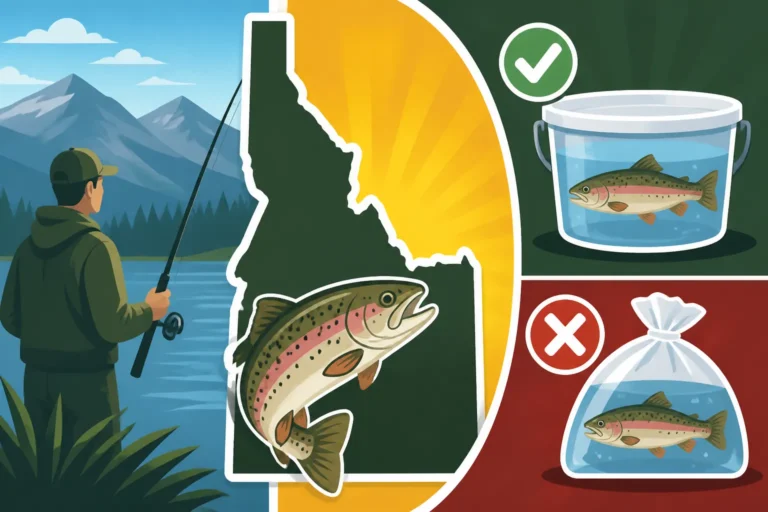
This is perhaps the most critical distinction to grasp when you're fishing for steelhead in Idaho. Your Steelhead Permit primarily authorizes the harvest of hatchery steelhead. Wild steelhead, those born and raised naturally in Idaho's rivers, are almost universally protected and must be released unharmed. How do you tell the difference? It's all about the adipose fin.
Hatchery steelhead are marked by clipping their adipose fin, a small fleshy fin located on their back between the dorsal fin and the tail. If a steelhead has a missing adipose fin, it's a hatchery fish, and you can generally keep it (within bag limits, of course). If that fin is intact, it's a wild fish, and it must be immediately released, preferably without being removed from the water. Making this identification quickly and accurately is non-negotiable, and understanding How to Tell a Hatchery Steelhead from a Wild One in Idaho is a fundamental skill for any steelhead angler. It’s a conservation measure to protect the genetic diversity and long-term viability of native steelhead runs.
Designated Waters and Open Seasons
The Idaho Steelhead Permit doesn't automatically mean every river in Idaho is open for steelhead fishing year-round. Far from it! Steelhead seasons are highly regulated, with specific opening and closing dates, as well as varying regulations, for different sections of rivers. The most well-known steelhead fisheries in Idaho include:
- The Clearwater River System: Famous for both B-run (larger) and A-run (smaller, but still powerful) steelhead, particularly the mainstem Clearwater, North Fork, South Fork, and Lochsa River.
- The Salmon River: Winding its way through the heart of Idaho, offering extensive steelhead opportunities from its lower stretches to its upper reaches.
- The Snake River: Certain sections, especially those downstream from Hells Canyon Dam and some tributaries, also provide steelhead fishing.
These seasons are dynamic and can change based on run strength, environmental conditions, and management goals. Therefore, it is absolutely essential to consult the latest Idaho Fishing Season Dates and Limits and the Idaho Fish and Game's current Fishing Regulation Brochure and Proclamation before every trip. You can often find these online or pick up a physical copy at a local license vendor. Fishing even a few miles outside a designated section, or a day outside the open season, can lead to significant penalties.
Bag Limits and Possession Limits
Your Idaho Steelhead Permit allows you to retain hatchery steelhead, but it does so under strict daily bag and possession limits. These limits are set to ensure sustainable harvest and vary not only by year but often by specific river sections. For example, the daily bag limit for hatchery steelhead on one stretch of the Clearwater might be different than on another stretch of the Salmon River, or even different between the fall and spring seasons within the same river system.
A "daily bag limit" refers to the maximum number of fish you can keep in a single day. A "possession limit" refers to the maximum number of fish you can have in your possession at any given time, including those at your campsite, vehicle, or home. These limits are diligently enforced by Idaho Fish and Game. Exceeding them, even accidentally, can result in fines and other legal repercussions. Always check the current Idaho Steelhead Bag Limits for the specific water body you plan to fish to avoid any misunderstandings. This information is crucial for planning your trip and managing your catch.
Beyond the Permit: Associated Requirements and Regulations
While the Steelhead Permit is a cornerstone, it's not a standalone document. It works within a larger ecosystem of rules and requirements that every responsible angler must adhere to. Ignoring these associated regulations can quickly turn a dream fishing trip into a frustrating encounter with law enforcement.
The Essential Catch Record Card
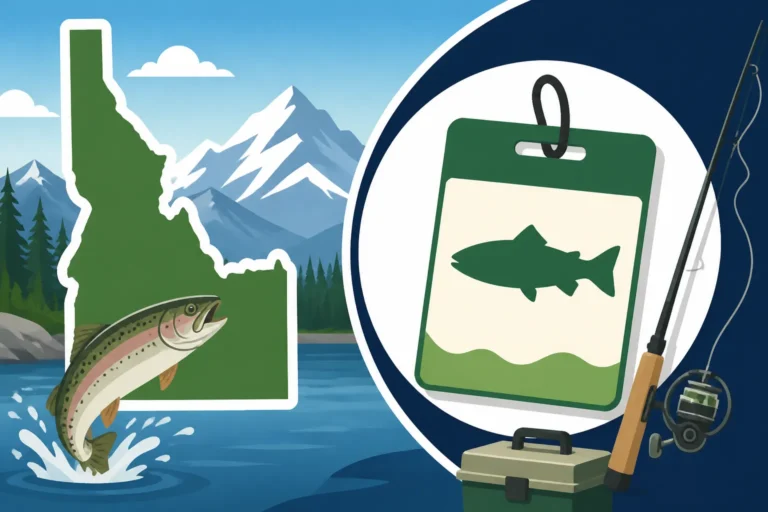
One of the most vital components that comes with your Idaho Steelhead Permit is the Catch Record Card. This isn't just a formality; it's an indispensable tool for Idaho Fish and Game to gather real-time data on steelhead harvest and angler effort. Without accurate data, effective management of this complex fishery would be impossible.
Every time you harvest a hatchery steelhead, you are legally required to immediately, and visibly, mark your Catch Record Card by punching out the corresponding space for the month and day. This record must be legible and accurate. Even if you don't harvest any fish but are still actively fishing for steelhead, you must have the card in your possession. After the season closes, you are required to return your completed card to Idaho Fish and Game, even if it's blank. This applies to all steelhead anglers, regardless of whether you kept a fish or not. Understanding Idaho Catch Record Card Requirements is non-negotiable for anyone pursuing steelhead. Losing or failing to return this card can lead to significant fines, so treat it with the same importance as your fishing license itself.
General Fishing License Prerequisite
Let's be absolutely crystal clear: the Idaho Steelhead Permit is an add-on to your regular Idaho fishing license. It does not replace it. You must possess both a valid general Idaho fishing license (either an annual or short-term license) and the Steelhead Permit to legally fish for steelhead. Think of your general fishing license as your entry pass to all general fishing in Idaho, and the Steelhead Permit as the special access pass specifically for steelhead.
This means before you even consider purchasing a Steelhead Permit, you need to ensure your underlying fishing license is current and valid. Whether you're a resident or a nonresident, this two-part requirement is consistently enforced. This layering of licenses and permits is a common structure in fisheries management, ensuring that anglers contribute broadly to conservation efforts through the general license, while species-specific efforts are funded and tracked via specialized permits.
Gear, Tackle, and Method Restrictions
While your permit allows you to target steelhead, the actual techniques and equipment you use are still subject to Idaho's general fishing regulations, with specific rules often applied to steelhead waters. These rules are designed to promote fair chase, minimize harm to released fish, and manage angler impacts. It's not uncommon to find rules dictating:
- Barbless Hooks: Many steelhead waters, especially those with significant wild fish populations, require the use of barbless hooks. This greatly aids in the safe release of wild steelhead. If you're buying a new batch of hooks for your trip, checking the regulations before adding them to your Amazon cart is always a good idea.
- Bait Restrictions: Certain river sections or seasons may prohibit the use of bait, allowing only artificial flies and lures.
- Number of Rods: There are often limits on how many rods an individual angler can actively fish at one time.
- Snagging/Foul-Hooking: Intentionally or unintentionally foul-hooking (hooking a fish anywhere other than the mouth) is illegal, and rules often describe how to immediately release a foul-hooked fish.
These specific gear and method restrictions are outlined in the annual Fishing Regulation Brochure. It's your responsibility to know and follow them. A specific regulation might state that on the Salmon River, from October 15 to December 31, only artificial lures with a single barbless hook may be used. Knowing these details is just as important as having your permit in hand, ensuring your tackle box is filled with compliant gear before you even leave home.
Navigating Common Questions About Your Steelhead Permit
It's completely normal to have a few lingering questions about the Idaho Steelhead Permit. This section tackles some of the most frequently asked queries, aiming to provide practical clarity for your fishing preparations.
Cost and Purchase Options
The Idaho Steelhead Permit has a specific fee associated with it, which is separate from the cost of your general fishing license. This fee helps fund the specific management and conservation efforts for steelhead. The price can vary slightly year to year, so always check the most current information. Generally, you can expect the cost to be around $14 for residents and a bit more for nonresidents for the basic Salmon/Steelhead Permit.
You have several convenient options for purchasing your permit:
- Online: The Idaho Department of Fish and Game website is usually the quickest and easiest way to purchase your license and permit from the comfort of your home. You can print it immediately or save it on your mobile device.
- Licensed Vendors: Many sporting goods stores, tackle shops, and even some convenience stores across Idaho are licensed to sell fishing licenses and permits. Places like Cabela's or your local mom-and-pop shop are great places to pick one up.
- IDFG Offices: You can always visit an Idaho Fish and Game regional office during business hours to purchase your permit in person.
For the exact figures and to understand the full financial commitment, particularly if you're a nonresident or combining it with other permits, checking out the Idaho Salmon and Steelhead Permit Cost is highly recommended. It also covers crucial information on How to Buy an Idaho Fishing License which is a prerequisite.
Resident vs. Nonresident Considerations
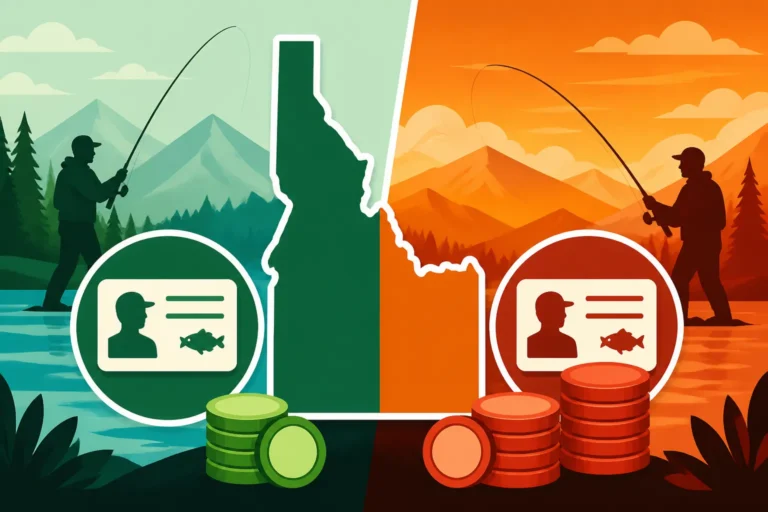
The requirement for an Idaho Steelhead Permit applies equally to both Idaho residents and nonresidents. However, the overall financial outlay for a nonresident to fish for steelhead will be considerably higher due to the significant difference in the cost of the underlying general fishing license. While the permit itself might have a similar price for both, a nonresident annual fishing license is substantially more expensive than a resident one.
This is a common practice in states that manage highly sought-after fisheries. The idea is that residents, through their taxes and other contributions, already support state infrastructure, while nonresidents contribute primarily through license and permit fees. Therefore, while everyone needs the steelhead permit, understanding the Idaho Resident License vs Nonresident License Price Difference is crucial for nonresidents planning their trip, as it will impact their Total Cost to Fish for Steelhead in Idaho as a Resident (or nonresident, as the case may be).
Why You Can't Transfer or Refund the Permit
Once purchased, the Idaho Steelhead Permit, like most fishing licenses and permits, is typically non-transferable and non-refundable. This means you cannot give or sell your permit to another person, nor can you get your money back if your plans change, you don't end up fishing, or the season closes unexpectedly early. This policy is in place for several reasons:
- Conservation Funding: The fees are earmarked for conservation programs, and refunds would complicate budget management.
- Data Integrity: Licenses and permits are tied to individual anglers for accurate tracking of participation and harvest data.
- Administrative Efficiency: Processing refunds for every change of plan would create a massive administrative burden.
It's a "use it or lose it" scenario, so it's wise to be confident in your fishing plans before making the purchase. Consider carefully the Best Time of Year to Fish in Idaho and When Idaho Steelhead Season Starts Each Year to align your purchase with your actual fishing dates.
Steelhead Permit at a Glance
To quickly summarize what the Idaho Steelhead Permit does and does not cover, here's a handy table:
| Feature | What the Permit Covers | What the Permit Does NOT Cover |
|---|---|---|
| Legal Right to Fish | Yes, for hatchery steelhead in designated waters | Fishing for species other than steelhead (e.g., salmon, sturgeon) |
| Species Harvested | Hatchery steelhead (adipose fin-clipped) | Wild steelhead (must be released), Chinook salmon |
| Required License | Is an add-on to a valid Idaho general fishing license | Replaces your general Idaho fishing license |
| Conservation | Funds specific steelhead management & restoration | Overrides general state fishing regulations (e.g., barbless hooks) |
| Data Collection | Requires use and return of a Catch Record Card | Automatically exempts you from bag/possession limits |
| Transfer/Refund | Neither transferable nor refundable once purchased | N/A |
Ultimately, the Idaho Steelhead Permit is more than just a piece of paper; it’s an integral part of responsible angling and vital conservation for one of Idaho’s most cherished fisheries. With your permit and a solid understanding of the regulations, you're all set to experience the thrill of How to Fish for Steelhead in Idaho.
Disclaimer
Please remember that fishing regulations, including those pertaining to the Idaho Steelhead Permit, can change. While every effort has been made to provide accurate and up-to-date information in this guide, it is always your responsibility to consult the latest official Idaho Fish and Game regulations and proclamations before heading out to fish.