Idaho Fishing Regulation Brochure and Proclamation
It's happened to all of us: you're out on a beautiful Idaho waterway, the fish are biting, and suddenly a nagging doubt creeps in. "Am I allowed to keep this many? Is this the right size? Do I even have the correct permit for this stretch of river?" The sheer volume and complexity of Idaho's fishing regulations can feel like trying to untangle a bird's nest of monofilament, leaving even experienced anglers scratching their heads and fearing an accidental violation. This comprehensive guide is here to untangle that mess, breaking down the Idaho Fishing Regulation Brochure and Proclamation, explaining where to find it, how to read it, and why it's your most important tool for a successful, legal, and stress-free fishing trip in the Gem State.
The Lifeline of Every Idaho Angler: What is the Fishing Proclamation?
For anyone who wets a line in Idaho, the official Idaho Fishing Regulation Brochure and Proclamation isn't just a suggestion—it's the law. This isn't some dusty, academic document meant only for agency staff. It's the essential guidebook that lays out all the rules you need to know, from general statewide regulations to very specific local exceptions. Think of it as your fishing bible, updated annually, that dictates what, where, when, and how you can legally fish across Idaho's incredibly diverse waters. Without a solid understanding of its contents, you're essentially fishing blind, risking fines, loss of privileges, or worse, negatively impacting Idaho's precious fish populations.
More Than Just a Pamphlet: The Legal Authority
When we talk about the "brochure" or "proclamation," it might sound informal, but don't let that fool you. This document carries the full weight of Idaho state law. The Idaho Fish and Game Commission, through their authority, establishes these regulations to manage and conserve Idaho's wildlife, including its fish. Every rule, every limit, and every season outlined within its pages is legally binding. Ignorance of these rules is never an excuse in the eyes of an Idaho Fish and Game conservation officer.
For instance, if you're caught fishing for steelhead in a closed section of the Clearwater River or possessing more than the daily limit of trout from a local pond, simply saying "I didn't know" won't save you from a citation. These regulations are meticulously crafted based on scientific data, conservation needs, and public input to ensure sustainable fishing opportunities for generations to come. Therefore, understanding that this isn't just a helpful guide but a legal mandate is the first critical step for any responsible angler. It underscores the importance of having a copy and knowing how to use it.
Why You Absolutely Need to Know It
Beyond the legal ramifications, knowing the Idaho Fishing Regulation Brochure and Proclamation is absolutely vital for several practical reasons. First, it empowers you to make informed decisions on the water. Imagine arriving at a popular spot on the Snake River, only to realize the section you planned to fish has special catch-and-release rules you weren't aware of. Knowing the proclamation beforehand saves you from disappointment and potential penalties. It allows you to plan your trip effectively, choosing waters that align with your fishing goals, whether you're targeting Idaho salmon and steelhead or simply looking for a relaxing day of trout fishing.
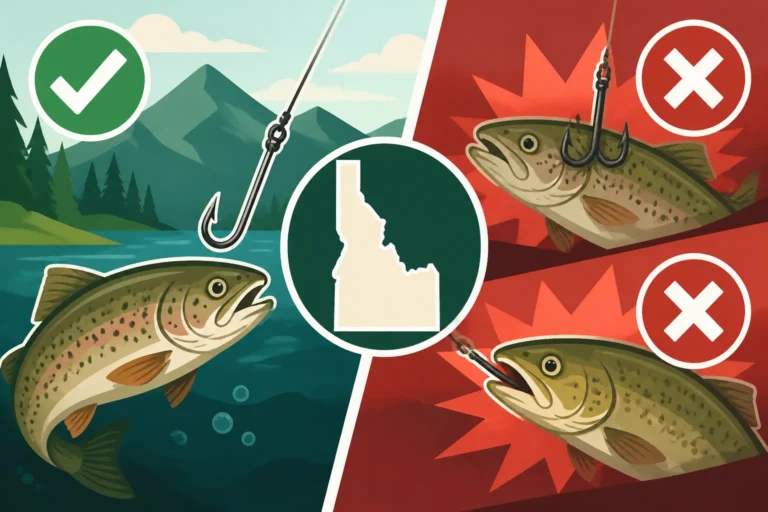
Second, it protects the resource. Idaho boasts incredible fisheries, from the pristine high-mountain lakes to the mighty Salmon and Snake rivers. These ecosystems are fragile, and adhering to regulations, especially those regarding catch limits, size restrictions, and gear restrictions like Idaho barbless hook requirements, directly contributes to the health and sustainability of these populations. Anglers are stewards of the environment, and the proclamation provides the framework for responsible stewardship. Ultimately, it’s about ensuring that future generations can enjoy the same incredible fishing experiences that we do today.
Where to Get Your Hands on the Current Idaho Fishing Proclamation
Before you even think about packing your tackle box or tying on a fly, your first mission should be acquiring the most up-to-date Idaho Fishing Regulation Brochure and Proclamation. The good news is that the Idaho Department of Fish and Game (IDFG) makes it quite accessible. You have a few primary options, each with its own benefits and considerations. It's smart to explore all of them to find the method that works best for your fishing style and preferences. Knowing exactly where to find Idaho's current fishing rules brochure is half the battle won.
Online Access: Instant Information at Your Fingertips
In this digital age, the quickest and most convenient way to access the current fishing regulations is online. The Idaho Fish and Game website is the official source, and they typically publish the new proclamation around December for the upcoming year. This digital version is usually a downloadable PDF, identical to the printed version. The major advantage here is instant access from anywhere with an internet connection. You can pull it up on your smartphone or tablet while on the water, cross-referencing rules specific to your location.
Many anglers find it incredibly useful to save the PDF directly to their mobile devices. This way, even if you lose cell service in a remote area (which is common in Idaho's vast wilderness), you still have the full regulations at your fingertips. Furthermore, the online version is often accompanied by interactive maps and helpful links to other resources, providing an even richer experience. For those who frequently visit various regions or target different species, having this dynamic, searchable document can be a real game-changer. It's also easy to share with fellow anglers planning a trip, ensuring everyone is on the same page regarding Idaho fishing regulations explained.
Physical Copies: The Traditional Way to Stay Informed
While digital is convenient, there's still a lot to be said for a good old-fashioned printed copy of the proclamation. Many anglers prefer the tactile experience of flipping through pages, highlighting important sections, and making notes directly on the document. You can pick up a free physical copy at most Idaho Fish and Game offices, license vendors, and many sporting goods stores across the state. Places like Cabela's, Sportsman's Warehouse, or local mom-and-pop bait shops usually have stacks of them readily available near the counter where you'd typically purchase your Idaho fishing license.
Having a physical brochure is especially valuable for those long weekends camping in areas without reliable cell service, or for anglers who simply prefer to disconnect from screens while enjoying nature. It’s also incredibly useful for teaching younger anglers about the regulations in a tangible format. Many seasoned Idaho residents keep a copy in their tackle box, boat, or truck, ready for a quick reference. While you can't click on an interactive map, a printed copy won't run out of battery, making it a reliable backup, especially if your primary fishing method is more traditional.
Keeping it Handy: Digital vs. Printed Versions
Deciding between a digital and a printed version, or even better, utilizing both, boils down to personal preference and practical considerations for your fishing trips. Both have their merits, and many successful anglers leverage both options.
A digital copy excels in searchability and portability. If you're planning a trip to, say, the Snake River and need to quickly check the Idaho Sturgeon fishing rules, a quick search on your phone can pinpoint the exact section. Apps designed for viewing PDFs often allow you to bookmark pages or highlight text, mimicking the physical experience. You might even find waterproof cases for your phone on Amazon that protect it while keeping the regulations accessible on the water.
A printed copy, on the other hand, is robust and always available, regardless of battery life or signal strength. It's less susceptible to drops and dings than a smartphone, and you can truly mark it up to your heart's content. The best approach might be to carry a physical copy in your vehicle or tackle box for general reference and keep a digital version on your phone for quick look-ups of specific details or while on the move. That way, you're always covered.
Here's a quick comparison of the two:
| Feature | Digital Proclamation (PDF) | Physical Proclamation (Printed Brochure) |
|---|---|---|
| Accessibility | Instant download, available 24/7 online | Available at IDFG offices, license vendors, sporting goods stores |
| Portability | On smartphone/tablet; light, takes up no physical space | Fits in tackle box, glove compartment; requires physical space |
| Searchability | Easily searchable text for specific keywords or regulations | Manual page-flipping, requires knowing where to look |
| Durability | Dependent on device; susceptible to battery drain, damage | Robust paper; no battery needed, but can get wet/torn |
| Updates | Easily replaced with new version; automatic if subscribed | Requires picking up a new copy annually |
| Cost | Free download | Free pick-up |
| Ideal For | Quick checks, planning, remote access (if saved), tech-savvy anglers | No-signal areas, hands-on learning, traditionalists, reliable backup |
Decoding the Proclamation: Key Sections to Understand
Alright, you've got the Idaho Fishing Regulation Brochure and Proclamation in hand, whether physically or digitally. Now what? For many, the sheer volume of text and specific terminology can be daunting. It’s not just a collection of rules; it’s organized into distinct sections, each serving a particular purpose. Learning how to navigate these sections is crucial to effectively understanding what applies to your specific fishing situation. Don't just skim it; dig in, because the details matter.
Statewide General Rules: Your Baseline Knowledge
Every angler in Idaho operates under a set of fundamental rules that apply across the entire state, unless otherwise specified. These are your "Statewide General Rules" and they form the bedrock of Idaho fishing regulations. This section covers overarching principles such as general definitions, legal fishing methods (e.g., prohibition of snagging and foul-hooking rules), limits on the number of rods per angler (Does Idaho allow a second rod with a permit?), and general rules regarding the use of live bait. It's here that you'll also find the basic requirements for possessing an Idaho fishing license, including age requirements and general validity periods.
Understanding these statewide rules is non-negotiable. For example, the proclamation typically outlines the standard daily bag limit for trout on most waters or explains Idaho possession limits. You'll learn that while many waters are open year-round, specific seasons and closures apply to others. This section acts as your default setting; if a particular river or lake isn't specifically mentioned later in the "special regulations" sections, these general rules are what apply. Don't skip this foundational knowledge, as it sets the stage for everything else.
Region-Specific and Special Regulation Waters: The Critical Details
This is where things get really specific, and frankly, where most anglers get tripped up. Idaho is divided into several administrative regions (Panhandle, Clearwater, Southwest, Magic Valley, Southeast, Upper Snake), and within each region, countless lakes, rivers, and streams have their own unique regulations. These are the "Idaho special regulation waters" that deviate from the statewide general rules. For example, a river might have a shorter season, different bag limits, specific size restrictions (e.g., "no fish between 10-14 inches may be kept"), or even "catch-and-release-only" designations.
You might find regulations stipulating barbless hooks only for certain species or waters, like the Idaho rule against removing sturgeon from the water. The Salmon River, Clearwater River, and Snake River, for instance, have intricate rules that can vary from one section to another, especially concerning popular species like steelhead and Chinook salmon. It’s absolutely critical to identify which region and specific waterbody you'll be fishing in and then thoroughly read the rules for that particular location. Failing to do so can easily lead to violations, even if you think you're following the general rules. This section is often organized by county or by major watershed, making it easier to find the relevant information.
Fish Identification and Daily Bag Limits: Know Your Catch
A significant portion of the proclamation is dedicated to helping you accurately identify the fish you catch and understand the corresponding daily and possession limits. This is especially important in Idaho where multiple species of trout (rainbow, cutthroat, brown, brook, lake trout, and even bull trout) coexist, along with anadromous species like Idaho steelhead and Chinook salmon. Each species often has different size and bag limits, and in some cases, certain species (like wild steelhead or bull trout) must be immediately released. The proclamation will include descriptions and sometimes illustrations to help you distinguish between, say, a rainbow trout and a cutthroat, or how to tell a hatchery steelhead from a wild one in Idaho.
Furthermore, this section clarifies the nuances of daily bag limits versus possession limits. A daily bag limit refers to the number of fish you can keep in a single day, while a possession limit refers to the total number of fish you can have in your possession at any given time, including those at home. These limits are set to prevent overharvest and ensure sustainable populations. For example, you’ll find specific Idaho daily bag limits for trout on most waters, Idaho Kokanee bag limits, or Idaho steelhead bag limits. Always consult these sections carefully to ensure your cooler—and your conscience—remains clear.
Navigating Changes and Updates: Staying Current is Crucial
The Idaho fishing landscape is dynamic, influenced by environmental factors, fish populations, and conservation efforts. What was legal last year might not be this year, and relying on outdated information is a recipe for trouble. Anglers who consistently stay informed about changes to the Idaho Fishing Regulation Brochure and Proclamation are not only more successful but also contribute to the long-term health of Idaho's fisheries. This isn't a "set it and forget it" kind of document; it requires ongoing attention.
How Often Idaho Fishing Rules Change and Why
Idaho fishing rules typically change annually. The Idaho Fish and Game Commission reviews and updates the regulations, usually for the new calendar year, though emergency closures or changes can occur mid-season if conditions warrant. These changes are not arbitrary; they are driven by a variety of factors:
- Fish Population Dynamics: If a particular species' population is declining (e.g., due to drought, disease, or overfishing), bag limits might be reduced, size restrictions introduced, or seasons shortened to protect them. Conversely, if a stocked fishery is thriving, limits might be more liberal.
- Environmental Conditions: Low water levels, high water temperatures, or other ecological stressors can prompt temporary closures or restrictions to protect fish, especially trout. For instance, a particularly hot summer might lead to "hoot owl" restrictions where fishing is only allowed during cooler morning hours.
- Scientific Research: Ongoing studies provide new data on fish migration patterns, spawning habits, and habitat needs, which can inform updated regulations.
- Public Input: IDFG holds public meetings and gathers feedback from anglers, conservation groups, and local communities, incorporating practical experiences and concerns into their decision-making process.
Understanding that these rules are a living document, tailored to current conditions, helps impress upon anglers why staying current is so important. You can't just pick up a brochure once and assume it's good for five years. Learning how often Idaho fishing rules change will prepare you for the slight adjustments each season.
Staying Ahead of the Curve: Subscribing to Updates
The best way to avoid being caught off guard by a rule change is to proactively seek out updates. The Idaho Department of Fish and Game offers several excellent ways to stay informed:
- Email Newsletters: Sign up for IDFG's email newsletters. They regularly send out alerts regarding regulation changes, season updates, stocking reports, and important news directly to your inbox. This is arguably the most convenient way to receive timely information.
- Website Check: Make it a habit to visit the official IDFG website regularly, especially around December and January, when the new year's proclamation is typically released. This is also where you'll find press releases about emergency closures or in-season adjustments.
- Social Media: Follow Idaho Fish and Game on their social media channels (Facebook, X, etc.). They often post quick updates, news, and reminders about upcoming season changes or public comment periods.
- License Vendors: When you purchase your Idaho fishing license online or at a local vendor, pay attention to any printed notices or information they provide.
By utilizing these resources, you're not just passively hoping to hear about changes; you're actively engaging with the official channels that provide the most accurate and up-to-date information. This proactive approach ensures you're always fishing within the current legal framework.
Common Mistakes When Ignoring Updates
Ignoring updates to the Idaho Fishing Regulation Brochure and Proclamation can lead to a host of frustrating, and costly, mistakes. One of the most common pitfalls is simply using an outdated brochure. An angler might pull out last year's copy, confidently fish according to those rules, only to discover that the bag limit for kokanee in Lake Coeur d'Alene has changed, or that a specific section of the Salmon River is now catch-and-release only for steelhead. This can result in a violation, even if unintentional.
Another frequent error is failing to check for in-season emergency closures or special restrictions. These can happen, for example, during extreme drought years when water temperatures rise to dangerous levels for trout, prompting temporary "hoot owl" restrictions or even full closures on certain streams. If you rely solely on the annual brochure and don't check for these real-time updates, you could find yourself violating rules meant to protect stressed fish populations. These mistakes not only expose you to fines and penalties but can also harm the very fish populations we all cherish. Always cross-reference with the most recent information, especially if you haven't fished a particular area in a while.
Practical Tips for Using Your Idaho Fishing Proclamation Effectively
Having the Idaho Fishing Regulation Brochure and Proclamation is one thing; using it effectively is another. It's not just a document to glance at once and forget. Integrating it into your pre-trip planning and having it readily accessible on the water will transform your fishing experience, making it more enjoyable, compliant, and ultimately, more successful. Think of it as an integral part of your gear, just like your rod and reel.
Before You Go: Pre-Trip Planning with the Proclamation
The real work of using your proclamation starts long before you even leave your driveway. When planning a fishing trip, especially to a new or unfamiliar area, the proclamation should be your first point of reference.
- Identify Your Target Waters: Decide where you want to fish. Is it a specific river like the Henry's Fork, a large lake like Lake Pend Oreille, or a remote high-mountain lake?
- Locate the Specific Rules: Once you've identified your waterbody, navigate to the region-specific sections of the proclamation. For example, if you're heading to the South Fork of the Snake River, look up that specific river under the relevant region to see if there are any special regulations for fishing the South Fork of the Snake River. Pay close attention to dates, daily limits, size restrictions, and any gear restrictions.
- Check for Species-Specific Rules: If you're targeting a particular fish, like Idaho Chinook salmon or Idaho Kokanee, ensure you understand their specific seasons, limits, and identification marks. This is where you'll find details like the Idaho Catch Record Card Requirements for steelhead and salmon.
- Consult Maps: The IDFG website often provides interactive maps that show fishing regions and special regulation areas, which can be immensely helpful in visualizing where rules apply.
- Cross-Reference: If a waterbody isn't listed under special regulations, revert to the statewide general rules. This systematic approach ensures you don't miss any critical details.
This pre-trip planning phase isn't just about avoiding tickets; it’s about maximizing your enjoyment. Knowing the rules in advance allows you to rig your gear appropriately, pack the right lures or bait, and set realistic expectations for your catch.
On the Water: Quick Reference and Conflict Resolution
Even with thorough pre-trip planning, questions or ambiguities can arise when you're actually out on the water. This is why having your proclamation handy, whether a folded paper copy in a waterproof bag or the PDF on your phone, is crucial.
Imagine you've just landed a beautiful trout, and you're unsure if it meets the minimum size requirement or if it's a species that must be released. Instead of guessing or relying on hearsay from another angler, you can quickly pull out your proclamation and verify the rule. This immediate access prevents accidental violations and offers peace of mind.
It's also a valuable tool for "conflict resolution"—not just with other anglers, but with yourself. If you're debating whether to keep a fish, or wondering if a particular bait is legal in that specific spot, the proclamation provides the definitive answer. I’ve even seen anglers respectfully use the brochure to clarify a rule with a fellow angler, preventing potential arguments or misunderstandings. For anyone encountering unique situations, like fishing Idaho during spring runoff or right after ice-out, specific guidance might be implicitly available or at least you can confirm general rules still apply.
Teaching the Next Generation: Instilling Good Habits
Finally, the Idaho Fishing Regulation Brochure and Proclamation is an invaluable educational tool, particularly for introducing new anglers and children to the sport. Fishing is more than just catching fish; it's about respecting nature, understanding conservation, and adhering to ethical practices. By involving kids in the process of reading and understanding the regulations, you're instilling a sense of responsibility and stewardship from a young age.
When you teach a child about Idaho fishing rules for kids and families, don't just tell them what they can and cannot do. Show them why these rules exist. Explain that size limits help fish grow bigger and reproduce, ensuring there are fish for future generations. Show them how to identify different species from the pictures in the proclamation, making the learning process interactive and engaging. This hands-on approach transforms a seemingly dry legal document into a tangible lesson in conservation and responsible outdoor recreation. It helps foster a deep appreciation for Idaho's natural resources and sets them on a path to becoming thoughtful, knowledgeable anglers for life.
Disclaimer
The information provided in this guide is for general informational purposes only and does not constitute legal advice. While we strive to provide accurate and up-to-date content, Idaho fishing regulations can change frequently. Always consult the most current official Idaho Fishing Regulation Brochure and Proclamation published by the Idaho Department of Fish and Game (IDFG) before engaging in any fishing activities. It is the individual angler's responsibility to know and comply with all applicable fishing laws and regulations.